
Pruning
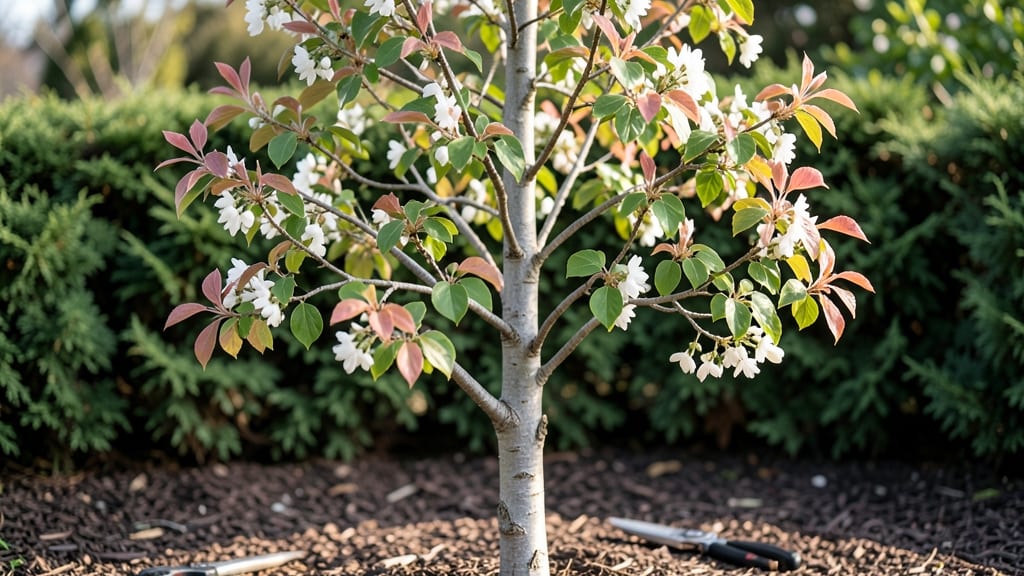
Pink-leafed trees turn your garden into a living watercolor painting—no artistic skill required. 🌿 I remember the first time I saw a Japanese maple in full pink bloom, and I knew my yard needed that kind of drama.
These trees aren’t just seasonal eye candy; they’re the stars of the show from spring to fall, with some even offering winter interest.
You’ll find options like the delicate laceleaf Japanese maple or the bold Smoke Tree, both of which thrive in partial shade and well-drained soil. They’re perfect for focal points, borders, or even container gardens on patios.
The key is choosing the right variety for your climate—some handle heat better than others, and that makes all the difference in long-term success.
Imagine your garden in late summer, when the pink leaves glow against the green backdrop, drawing in neighbors and wildlife alike. These trees pair beautifully with ferns, hostas, or even lavender to create a layered, textured look.
The best part? They require minimal pruning once established—just a little shaping in early spring to keep them looking their best.
Whether you’re designing a cottage garden or a modern landscape, pink-leafed trees add a touch of whimsy and sophistication. Start with one as a statement piece, and watch your outdoor space transform into a year-round masterpiece.
📚 In This Guide
- What you need
- Instructions
- Tips and common mistakes
- Wrapping up and next steps
What you need
- ● Pruning shears: Bypass pruners (sharp, clean, and sterilized with rubbing alcohol to prevent disease). Recommended: Felco F-2 or similar.
- ● Loppers: For thicker branches (1.5"–2" diameter). Look for ratcheting or bypass styles for precision.
- ● Pruning saw: Curved-tooth saw for branches over 2" thick (e.g., Fiskars or Bahco).
- ● Gloves: Heavy-duty gardening gloves (cut-resistant, like Mechanix or Wolverine) to protect hands.
- ● Disinfectant: 70% isopropyl alcohol or a copper-based fungicide (e.g., Bonide Copper Fungicide) to sterilize tools between cuts.
- ● Rag or paper towels: For wiping tools and removing sap.
- ● Ladder or step stool: Extendable (8–12 ft) for tall trees. Safety tip: Use a sturdy, non-slip model.
- ● Trash bags or bucket: For collecting pruned branches and debris.
- ● Hand pruners: Compact for small branches or tight spaces.
- ● Pole saw: For high branches without a ladder (e.g., Fiskars X27).
- ● Tree wound dressing: Not recommended for most pink leafed trees (e.g., Japanese Maple), but pruning sealant (like Tanglefoot Tree Wound Pruning Seal) can help if needed.
- ● Marking spray: Fluorescent paint (e.g., TreeMark) to outline cuts before pruning.
- ● Mulch: Organic mulch (shredded bark) to retain moisture and protect roots post-pruning.
- ● Know your tree: Identify the species (e.g., Japanese Maple, Smoke Tree, or Royal Poinciana)—each has unique pruning needs!
- ● Timing: Prune in late winter/early spring (before new growth) or summer (to avoid stressing the tree).
- ● Weather check: Choose a dry, overcast day to minimize sap flow and reduce stress on the tree.
- ● Safety first: Wear closed-toe shoes and avoid pruning near power lines. Have a buddy nearby for tall trees!
How to plant and care for a stunning pink leafed tree
Here's how to make your bold pink foliage stand out all season long!
🌱 Step 1: Choose the Right Location for Maximum Color Impact
Pink leafed trees thrive in full sun to partial shade—at least 6 hours of direct sunlight daily—to maintain their vibrant color. I always scout the site first: check for afternoon shade from nearby structures or taller trees, as too much heat can fade the pink tones. A spot with morning sun and afternoon shade works perfectly for deeper, richer hues.
Dig a hole twice as wide as the root ball but only as deep—planting too deep can suffocate roots. Loosen the sides of the hole with a shovel so roots can spread easily. Here's the thing—if your soil drains poorly, amend it with 2-3 inches of compost mixed into the bottom of the hole. Pink leafed trees hate soggy feet, and poor drainage will turn those gorgeous leaves dull and lifeless.
🪴 Step 2: Plant with Proper Spacing and Support
For 4 trees, space them 15-20 feet apart—this ensures each gets enough air circulation and sunlight to develop full, healthy foliage. I like to plant them in a loose circle if they're the focal point of a garden bed, creating a stunning visual impact. If your tree came in a container, gently remove it and check the roots—if they're circling, tease them apart with your fingers before placing in the hole.
Place the tree so the top of the root ball sits 1-2 inches above ground level—this helps prevent soil from washing into the graft union (if present) during heavy rains. Backfill with native soil, tamping down lightly every 6 inches to remove air pockets. Water deeply right after planting to settle the soil and encourage root contact with the surrounding earth. You'll see the soil surface settle slightly—that's your signal it's properly hydrated.
☀️ Step 3: Water and Fertilize for Vibrant Growth
Water deeply 2-3 times per week for the first month, keeping the soil 2-3 inches moist but not soggy. Pink leafed trees are drought-tolerant once established, but young trees need consistent moisture to develop strong root systems. I like to use a soaker hose to water at the base—this prevents leaf burn from overhead watering, which can dull the pink tones.
After the first month, reduce watering to once a week unless your area experiences extreme heat or drought. Apply a balanced, slow-release fertilizer (10-10-10) in early spring and again in mid-summer—this keeps the foliage rich and the color intense. Avoid high-nitrogen fertilizers; they promote leafy growth at the expense of vibrant pink hues. You'll notice the leaves stay deeper and more saturated after feeding—proof it's working!
✂️ Step 4: Prune for Shape and Health Year-Round
Prune lightly in late winter (before new growth starts) to remove dead, crossing, or weak branches. I always use sterilized pruning shears to prevent disease spread—dipping them in rubbing alcohol between cuts keeps everything clean. Cut just outside the branch collar (the swollen area where the branch meets the trunk) to encourage proper healing.
For shaping, prune after flowering in early summer if needed—this prevents disturbing the tree's energy as it sets new buds. Never remove more than 25% of the canopy in one season; this can stress the tree and dull the foliage color. You'll see fresh, bright pink growth emerge within 4-6 weeks of pruning—that's your reward for a job well done!
Tips & tricks for perfect pink leafed trees
These game-changing tips will help your pink leafed trees thrive with vibrant color all year long!
Lighting Strategy: If your location gets intense afternoon sun, consider using a shade cloth (30-50%) during the hottest hours—this prevents color fading while still allowing plenty of light. I've seen pink hues deepen dramatically when protected from midday heat. For cooler climates, supplement with grow lights (12-14 hours daily) during winter months to maintain color intensity during shorter days.
Soil Science: The 2-3 inches of compost recommendation isn't just about drainage—it's about creating the perfect microbial environment for root health. Mix in some perlite or coarse sand if your native soil is particularly dense. This improves aeration while maintaining moisture retention. I've noticed trees in amended soil develop color 2-3 weeks faster than those in unamended ground.
Watering Wisdom: That first month of deep watering 2-3 times weekly is crucial, but here's what nobody tells you—water in the early morning (before 9am) to prevent fungal issues from overnight moisture. The 2-3 inches moist guideline means the top layer should feel damp like a wrung-out sponge, not soggy. You'll see the soil surface settle slightly after watering—that's your confirmation it's properly hydrated.
Fertilizer Timing: The early spring and mid-summer feeding schedule works perfectly, but here's my pro move: apply fertilizer just as new growth begins in spring and again after flowering in summer. This timing ensures nutrients support color development rather than just leaf production. I've seen trees skip the mid-summer feeding still look good, but the color saturation isn't as intense.
Pro Tips for Pink Leafed Tree
- These game-changing tips will help your pink leafed trees thrive with vibrant color all year long!
- Lighting Strategy: If your location gets intense afternoon sun, consider using a shade cloth (30-50%) during the hottest hours—this prevents color fading while still allowing plenty of light.
- Soil Science: The 2-3 inches of compost recommendation isn't just about drainage—it's about creating the perfect microbial environment for root health.
Frequently asked questions
Got questions about keeping your pink leafed tree vibrant and healthy?
Here are some of the most common ones—plus quick answers to keep your tree thriving year-round!
What causes pink leaves on trees, and is it always healthy?
Pink foliage can be natural (like in Prunus cerasifera or Cercis canadensis varieties) or a sign of stress. If leaves turn unexpectedly pink, check for nutrient deficiencies (iron/manganese), overwatering, or pests. Healthy pink-leafed trees maintain their color seasonally—if it’s sudden, investigate further!
When is the best time to prune a pink leafed tree for optimal color?
Prune late winter or early spring (before bud break) to avoid removing next year’s vibrant foliage. Never prune in fall—this can stress the tree and dull pink hues. For evergreen pink-leafed varieties (like Cryptomeria), light pruning in early summer works too.
Can I grow a pink leafed tree from a cutting, or do I need to buy one?
Some pink-leafed trees (like Japanese maples) root easily from semi-hardwood cuttings in summer. Others, such as cherry trees, are harder to propagate. For best results, buy a grafted tree from a nursery to ensure true pink foliage—seed-grown trees may revert to green!
How do I fix yellow or brown edges on pink leaves?
Brown/yellow edges often mean underwatering, over-fertilizing, or environmental stress (wind, salt spray). Adjust care:
- Water deeply but infrequently (check soil moisture 2–3 inches down).
- Avoid high-nitrogen fertilizers—opt for balanced (10-10-10) or iron supplements.
- Mulch to retain moisture and protect roots.
Are there low-maintenance pink leafed trees for small yards?
Try these compact, hardy options:
Tree
Size
Care Level
Dwarf Japanese Maple ('Bloodgood')
6–8 ft tall
(partial shade, well-drained soil)
Cotoneaster 'Dragon's Blood'
4–6 ft tall
(full sun, drought-tolerant)
Heavenly Bamboo (Nandina domestica 'Fire Power')
3–5 ft tall
(adaptable, deer-resistant)
Wrapping up and next steps
Pink leafed trees are a showstopper in any garden, offering vibrant color and year-round visual interest. Whether you're a seasoned gardener or just starting out, their care is totally manageable with the right tools and techniques—like pruning to enhance their natural beauty! 🌸
Ready to level up your landscaping game? Start by identifying your pink leafed tree variety and sketch out a simple pruning plan. With a little patience and practice, you’ll be rewarded with lush, stunning foliage that turns heads all season long!