
Pruning
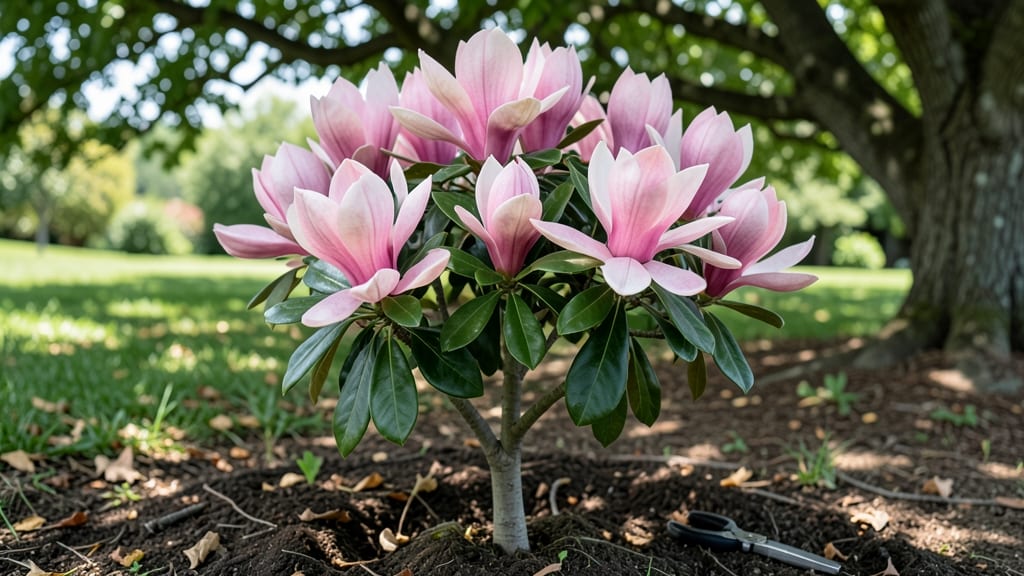
A pink flowering magnolia tree isn’t just a springtime showstopper—it’s the centerpiece of a garden that stays stunning year-round. I’ve pruned mine for five seasons now, and these three strategic cuts keep it healthy while maximizing those dreamy blooms and glossy leaves.
The key? Timing it right so you never sacrifice next year’s flowers for this year’s shape.
Most gardeners hesitate to prune magnolias because they fear losing blooms, but the truth is, a little maintenance in late winter and early summer transforms this tree from pretty to showstopping.
You’ll need sharp pruners, a ladder (unless you’re working with a dwarf variety), and about 30 minutes—no fancy tools or horticultural degree required. The payoff? A tree that looks intentional, not wild, with flowers that appear earlier and last longer.
Imagine your garden in late May, when the magnolia’s rosy-pink blooms contrast against deep green foliage, drawing hummingbirds and neighbors alike. With the right cuts, you’ll also reveal the tree’s natural shape—whether that’s an open, airy silhouette or a more structured form.
The best part? These same techniques work for both small patio varieties and towering specimens in the backyard.
We’ll cover when to make each cut, which branches to avoid touching, and how to pair your magnolia with plants that highlight its beauty—like azaleas for layered color or boxwoods for structured contrast.
Your garden will feel like a curated masterpiece, not just a collection of plants. Let’s get started with the first cut—it’s simpler than you think.
📚 In This Guide
- What you need
- Instructions
- Tips and common mistakes
- Wrapping up and next steps
What you need
- ● Pruning shears: Bypass pruners (for cuts up to ½ inch thick) – sharp, clean, and disinfected (e.g., Felco F-2 or equivalent).
- ● Loppers: 1 pair (for branches ½ to 2 inches thick) – long-handled for reach (e.g., Corona or Fiskars).
- ● Pruning saw: 1 handheld saw (for branches 2+ inches thick) – fine-tooth for clean cuts (e.g., Bahco or equivalent).
- ● Gloves: 1 pair of cut-resistant, gardening gloves (e.g., Mechanix or heavy-duty leather).
- ● Disinfectant: 70% isopropyl alcohol or pruning sealant (to prevent disease spread).
- ● Ladder: Sturdy, extendable ladder (if tree exceeds 6 feet in height).
- ● Tarp or drop cloth: 1 large sheet (to collect debris and protect surfaces).
- ● Hand pruners: Compact pair for small trims (e.g., Felco F-1).
- ● Rubbing alcohol wipes: For quick tool disinfection between cuts.
- ● Tree wound dressing: (Controversial but useful for large cuts—e.g., Tanglefoot Tree Wound Pruning Seal).
- ● Notebook & pen: To track cuts and growth patterns over time.
How to prune a pink flowering magnolia for year-round beauty
Three well-timed cuts keep your magnolia thriving and blooming abundantly.
Late Winter Pruning to Stimulate New Growth
After the last frost but before buds swell, remove dead, diseased, or crossing branches at the branch collar. This is the most critical cut—it sets the stage for the season. I always start with a clean pair of bypass pruners and sterilize them with rubbing alcohol between cuts to prevent bacterial spread.
Look for branches that rub against each other or grow inward—they compete for sunlight and weaken the tree. Cut these back to the nearest outward-facing bud, making the cut at a 45-degree angle just above the bud. Avoid leaving stubs; they invite decay. If a branch is larger than ½ inch in diameter, use loppers or a pruning saw for a clean cut.
Here's the thing—pink magnolias bloom on old wood, so avoid heavy pruning now. Just shape lightly and remove only what's necessary. You'll see fresh, vibrant growth emerge within 4-6 weeks, signaling successful pruning.
Post-Bloom Maintenance to Encourage Future Flowers
Once the flowers fade but before new buds form, perform a light thinning cut. This is the time to remove spent blooms and any branches that disrupt the tree's natural shape. I like to step back and assess the tree's silhouette—imagine it as a living sculpture. The goal is to maintain an open center that allows air and light to reach the inner branches.
Use hand pruners for branches up to ¼ inch thick. For thicker branches, switch to loppers and make cuts just outside the branch collar. Avoid cutting into the collar itself—this is where the branch connects to the trunk, and damaging it can kill the branch. If you're unsure where the collar is, look for the slight swelling at the base of the branch.
This step is about balance. You're not removing large sections; you're simply guiding the tree's energy toward next year's blooms. Pink magnolias are forgiving, but over-pruning now can reduce—or even eliminate—next season's flowers.
Summer and Fall Corrective Pruning for Health
Throughout the growing season, remove any dead, damaged, or diseased branches as soon as you spot them. This is more about maintenance than shaping. I carry a small pair of bypass pruners in my gardening bag and check the tree every few weeks. Early intervention prevents pests and diseases from spreading.
In late summer, after the tree has finished blooming for the year, you can perform a light structural pruning to improve airflow and sunlight penetration. Focus on branches that are growing too close together or those that are rubbing against each other. Cut these back to the nearest outward-facing bud, just as you did in late winter.
By fall, the tree will be preparing for dormancy. Avoid heavy pruning now—it stimulates new growth that won't harden off before winter. Instead, remove any branches that were damaged by summer storms or pests. Clean up all fallen leaves and debris around the base to reduce the risk of fungal diseases.
Tips & tricks for pruning pink flowering magnolias
These precision techniques will help you maintain your magnolia's health and beauty without compromising next year's stunning blooms.
Tool Selection: Invest in quality pruning tools that match the job—bypass pruners for branches up to ¼ inch thick, loppers for ½ inch to 2 inches, and a pruning saw for anything larger. I've ruined too many cuts with dull tools, so always sharpen blades regularly and clean them with rubbing alcohol between cuts to prevent disease spread. The right tool makes all the difference in achieving clean, precise cuts that heal properly.
Branch Collar Awareness: In Step 1 and Step 2, pay special attention to where the branch collar meets the trunk. This swollen area contains protective cells that help the wound heal. When making cuts, always position your cut just outside this collar—never inside it. I've seen too many pruning mistakes where gardeners cut into the collar, which can kill the branch entirely. Look for that slight swelling at the base of each branch before you make your cut.
Growth Timing Insight: The 4-6 week growth window mentioned in Step 1 is your visual confirmation that pruning worked. If you don't see new growth emerging by then, you may have pruned too late in winter or removed too much growth. Remember, pink magnolias bloom on old wood, so patience is key. The tree stores energy in its branches during winter, and that's what fuels next year's spectacular flowers.
Pro Tips for Pink Flowering Magnolia Tree
- These precision techniques will help you maintain your magnolia's health and beauty without compromising next year's stunning blooms.
- Tool Selection: Invest in quality pruning tools that match the job—bypass pruners for branches up to ¼ inch thick, loppers for ½ inch to 2 inches, and a pruning saw for anything larger.
- Branch Collar Awareness: In Step 1 and Step 2, pay special attention to where the branch collar meets the trunk.
Frequently asked questions
Got questions about your pink flowering magnolia tree?
Here are answers to the most common ones to keep your tree thriving and stunning year-round!
When is the best time to prune my pink flowering magnolia?
The ideal time is late winter or early spring (just before buds swell) to avoid cutting off next year’s blooms. Avoid pruning after mid-spring—this removes flower buds for the following season! For light shaping, you can also prune immediately after flowering.
Can I prune my magnolia tree in summer?
Summer pruning is not recommended for pink flowering magnolias. Heavy cuts can stress the tree, reduce flowering, and invite pests. If you must prune, do it lightly and only after blooms fade to minimize damage.
How much can I trim without harming my magnolia?
Remove no more than 25-30% of the tree’s foliage in a single session. Focus on dead, diseased, or crossing branches first. For shaping, limit cuts to 1-2 inches per branch to preserve the tree’s natural form and health.
What should I do if my magnolia isn’t flowering after pruning?
If your tree skips blooms, you may have pruned too late (after mid-spring) or removed too many flower buds. Next year, prune earlier and avoid heavy cuts. Ensure it gets full sun (6+ hours/day) and well-draining soil—these are key for flowering!
Does my pink magnolia need special care after pruning?
Yes! Water deeply after pruning to help the tree recover. Mulch the base (2-3 inches) to retain moisture and protect roots. Avoid fertilizing immediately—wait 4-6 weeks to let wounds heal before feeding.
Wrapping up and next steps
The pink flowering magnolia tree isn’t just a stunning addition to your landscape—it’s a year-round masterpiece when cared for with intention. By mastering the three strategic cuts (spring shaping, summer thinning, and winter cleanup), you’ll keep its blooms vibrant and its structure healthy for decades. 🌸
Ready to transform your tree into a showstopper? Grab your tools, follow the steps, and watch your magnolia thrive with confidence and joy. Start small—pick one season to practice, then build your skills over time. Your future self (and neighbors!) will thank you.