
Pruning
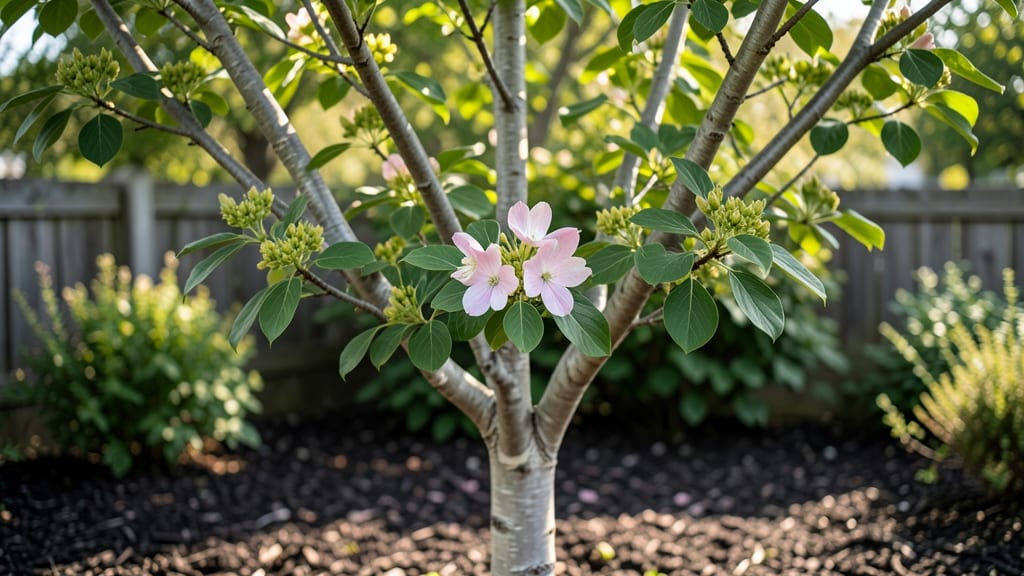
These pink dogwood tree images capture the kind of springtime magic that makes neighbors stop and stare—soft pink canopies turning any garden into a postcard-worthy scene. a woodland edge. The way they catch the morning light—like stained glass—is what makes them a showstopper.
What makes these trees so special isn’t just their color but their timing. When planted in the right spot, they burst into bloom just as winter’s grip loosens, offering weeks of vibrant color before summer’s heat sets in.
Pair them with ferns or hostas for contrast, or let them stand alone as a focal point near patios where you can admire their graceful branches.
You’ll love how they transform a space with minimal effort—just good soil, consistent water, and a little pruning to keep their shape. Imagine your garden in May, when every passing car slows down to admire the pink canopy that feels like a secret shared only with your closest friends.
The best part? Their seasonal appeal doesn’t end with spring. In autumn, their foliage turns a warm bronze, and their bare branches in winter add structure to the landscape. Whether you’re designing a cottage garden or a modern landscape, pink dogwoods bring timeless beauty with almost no upkeep.
📚 In This Guide
- What you need
- Instructions
- Tips and common mistakes
- Wrapping up and next steps
What you need
- ● Camera or smartphone: A DSLR, mirrorless camera, or high-quality smartphone with a good lens (e.g., 18-55mm or wide-angle for landscapes).
- ● Tripod: A lightweight, sturdy tripod (e.g., Manfrotto Pixi or Joby GorillaPod) for steady shots.
- ● Memory cards: 2x 32GB or higher (fast write speed, Class 10/UHS-I) to avoid running out of space.
- ● External battery pack: 1x portable charger (e.g., Anker PowerCore) for long shoots.
- ○ Reflector (optional but helpful): A 5-in-1 reflector (e.g., Neewer 43-inch) to enhance lighting and colors.
- ● Comfortable shoes: Closed-toe hiking or gardening shoes with good grip.
- ● Sun protection: Wide-brimmed hat, sunglasses (UV 400+), and sunscreen (SPF 30+).
- ● Pruning tools (if editing the tree): Bypass pruners (e.g., Felco F-2) for clean cuts.
- ● Loppers (e.g., Corona 44007) for thicker branches.
- ● Hand pruners (e.g., Fiskars X7) for precision trimming.
- ● Disinfectant (e.g., 70% isopropyl alcohol) to sterilize tools.
- ● Gloves: Heavy-duty gardening gloves (e.g., Dr. McGill’s) for protection.
- ● Laptop/tablet: For editing photos (e.g., Adobe Lightroom, Canva, or free tools like GIMP).
- ● Cloud storage: Google Drive, Dropbox, or iCloud (minimum 10GB free tier).
- ○ Printing supplies (optional): Photo paper (e.g., Canon or Epson matte/glossy, 8x10 or 5x7 inches).
- ● Inkjet printer (e.g., Canon PIXMA or Epson EcoTank).
How to capture the stunning beauty of pink dogwood trees in spring
Spring’s most breathtaking canopies deserve your camera’s full attention—here’s how to photograph pink dogwoods at their peak.
Scout Locations for Peak Bloom Timing
Pink dogwoods (Cornus florida) bloom for just 2-3 weeks in spring, so timing is everything. Scout your area 2-3 weeks before expected bloom—check local arboretum websites or ask nearby gardeners for updates. The ideal shot happens when 70-80% of buds have opened but before petals begin falling. Look for trees with vibrant pink bracts (modified leaves) and minimal yellowing—this signals freshness.
Visit potential spots at golden hour (the hour before sunset) to assess lighting. Dogwoods cast intricate shadows, so test whether the tree’s form will photograph well against its background. If you’re unsure, return on a cloudy day—the diffused light will reveal details more clearly than harsh midday sun.
Set Up Your Camera for Canopy Detail
Use a wide-angle lens (16-35mm) to capture the full tree, or a 70-200mm zoom for tight shots of individual blooms. Set your camera to aperture priority mode (f/8-f/11) for sharp focus across the entire frame. Dogwoods have delicate textures—shoot in RAW format to preserve detail for post-processing.
Adjust your ISO to 100-400 to minimize noise, especially if shooting in shade. If you’re using a smartphone, enable its highest-resolution mode and tap to focus on the tree’s center. Avoid digital zoom—it degrades quality. Pro tip: Shoot in landscape orientation to emphasize the tree’s height and spread.
Frame for Seasonal Context
Include foreground elements like blooming bulbs or fresh green foliage to add depth. A path, bench, or dappled sunlight on the ground creates a natural leading line. Position yourself slightly below the tree to emphasize its height—this angle makes the canopy appear grander. If the tree is isolated, look for complementary colors in the surroundings: deep greens, soft blues, or even muted pink reflections in nearby water.
Watch for wind patterns—gentle breezes create soft, flowing petals, while still air preserves sharp details. If the tree is backlit, use a polarizing filter to reduce glare and enhance contrast. For dramatic shots, wait for overcast mornings when the light is even and shadows are minimal.
Capture Close-Ups of Signature Features
Zoom in on individual blooms to highlight their four-petal structure and contrasting yellow stamens. Use a macro lens (100mm+) if available, or get within 2-3 feet of the flowers for detail. Focus on textural contrasts—the fuzzy stamens against smooth petals, or the veined undersides of leaves. Shoot in burst mode to capture fleeting moments like bees landing or petals drifting.
Experiment with backlighting to create a halo effect around the blooms. If the light is too harsh, use a reflector to bounce soft light onto the subject. For a dreamy look, shoot in aperture priority (f/2.8) with a shallow depth of field—this blurs the background while keeping the flowers sharp.
Edit for Vibrant Spring Colors
In post-processing, boost saturation slightly (10-15%) to enhance the pink hues, but avoid overdoing it—dogwoods look most natural with subtle contrast. Use a selective color tool to deepen the reds and purples in the blooms while keeping greens vibrant. Reduce shadow clipping to preserve detail in dark areas, especially under the canopy.
Apply a soft vignette to draw focus to the center of the tree, but keep it subtle—dogwoods should remain the star. For black-and-white conversions, emphasize texture over color by boosting contrast in the petal edges and bark. Save a copy with minimal edits to retain the tree’s natural beauty alongside your enhanced version.
Tips & tricks for perfect pink dogwood tree images
Real talk: Capturing dogwoods at their peak requires a few strategic moves that most photographers miss. Here's how to elevate your shots from good to breathtaking.
Timing is Everything: Those 2-3 weeks of bloom are your window—don't miss it! I've learned the hard way that waiting until full bloom means falling petals and lost opportunities. Scout locations 2-3 weeks before expected bloom, then return daily to track progress. The sweet spot is when 70-80% of buds have opened but before petals begin falling. Pro tip: Check local arboretum websites for bloom forecasts specific to your region.
Lighting Secrets: Golden hour is your best friend, but don't overlook overcast mornings when light is even and shadows are minimal. I always bring a polarizing filter for backlit shots—it reduces glare and enhances those vibrant pink hues. For dramatic contrast, position yourself slightly below the tree to emphasize its height while keeping the canopy well-lit. If you're shooting in shade, keep your ISO between 100-400 to minimize noise.
Composition Game-Changer: The foreground makes all the difference. Include blooming bulbs or fresh green foliage to create depth and frame your subject naturally. I like to position myself slightly below the tree to emphasize its grandeur while maintaining a clear view of the canopy. For isolated trees, look for complementary colors in the surroundings—deep greens, soft blues, or even muted pink reflections in nearby water can add stunning contrast.
Close-Up Technique: When zooming in on individual blooms, get within 2-3 feet for maximum detail. Focus on textural contrasts—the fuzzy stamens against smooth petals create incredible visual interest. Shoot in burst mode to capture fleeting moments like bees landing or petals drifting. For a dreamy look, use aperture priority at f/2.8 with a shallow depth of field to blur the background while keeping the flowers sharp.
Pro Tips for Pink Dogwood Tree Images
- Real talk: Capturing dogwoods at their peak requires a few strategic moves that most photographers miss.
- Timing is Everything: Those 2-3 weeks of bloom are your window—don't miss it!
- Lighting Secrets: Golden hour is your best friend, but don't overlook overcast mornings when light is even and shadows are minimal.
Frequently asked questions
Got questions about pink dogwood trees? You’re not alone! Here are answers to the most common queries to help you make the most of these stunning springtime stars.
When is the best time to plant a pink dogwood tree?
The ideal time to plant a pink dogwood is in early spring or fall. This gives the tree’s roots time to establish before extreme summer heat or winter cold sets in. Avoid planting in late fall—you don’t want young roots struggling through winter dormancy. If you’re transplanting an existing tree, do it in early spring for the best success rate.
How do I care for a pink dogwood tree after planting?
After planting, water deeply 2-3 times per week for the first year (unless rain is consistent). Mulch around the base (but keep it 3-4 inches away from the trunk) to retain moisture and suppress weeds. Avoid heavy pruning—just remove dead or crossing branches in late winter or early spring. Pink dogwoods thrive in partial shade, so don’t plant them in full sun.
How long does it take for a pink dogwood tree to bloom?
With proper care, a young pink dogwood tree may produce small flowers within 3-5 years. However, full, show-stopping blooms often take 5-7 years to reach their peak. Patience pays off—these trees reward you with 4-6 weeks of vibrant pink flowers each spring! If your tree isn’t blooming after 5+ years, check for over-fertilization or poor sunlight.
Can I grow a pink dogwood tree in a container or small yard?
Pink dogwoods can adapt to large containers (at least 20 gallons), but they’ll need regular watering and winter protection in colder climates. For small yards, choose dwarf varieties like ‘Pink Icing’, which max out at 10-15 feet tall. Just ensure the container has drainage holes and use a well-draining potting mix to prevent root rot.
Why are the leaves on my pink dogwood turning brown or yellow?
Brown or yellow leaves can signal disease, pests, or environmental stress. Check for:
- Powdery mildew (white fuzzy patches)—improve airflow and spray with neem oil.
- Dogwood anthracnose (dark spots)—prune infected branches and avoid overhead watering.
- Spider mites (tiny webs)—blast leaves with water or use insecticidal soap.
- Overwatering/underwatering—adjust your watering schedule.
Wrapping up and next steps
The pink dogwood tree isn’t just a stunning addition to your landscape—it’s a symbol of spring’s vibrant renewal. Whether you’re admiring its delicate blooms or planning your next pruning session, this tree brings unmatched beauty and tranquility to any garden.
Now that you’re armed with tips and answers, why not take the next step? Visit a local nursery, snap a few pink dogwood tree images for inspiration, and get ready to nurture your own piece of springtime magic! 🌸✨