
Blooming
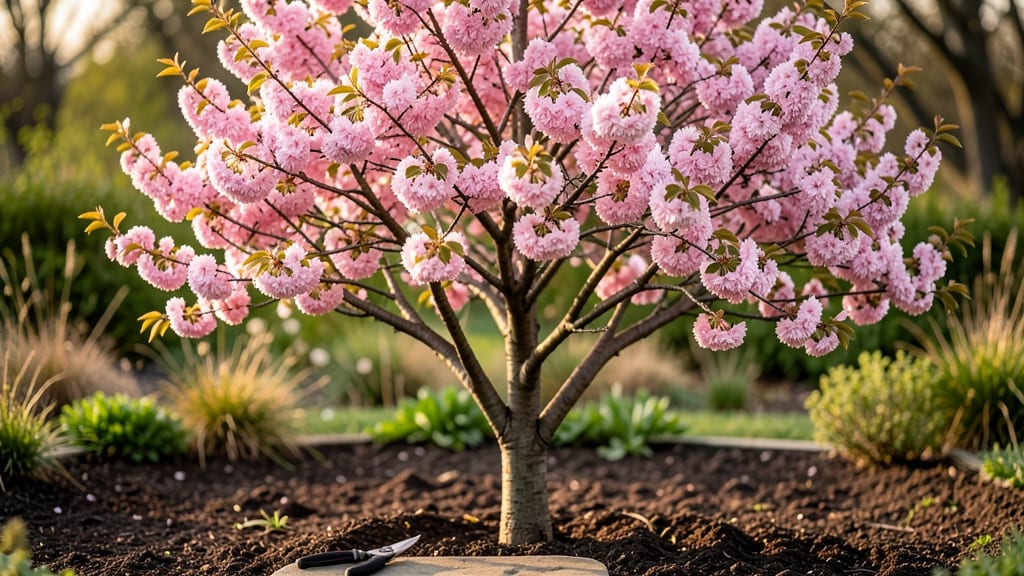
Pink blooming cherry trees turn spring into a spectacular showstopper that steals the season. 🌸 Their soft pink canopies create a dreamy, romantic atmosphere that transforms any yard into a living painting—especially when you place them where they’ll be the first thing guests see.
The magic doesn’t stop at spring; with the right varieties, you’ll get three seasons of interest, from delicate blooms to fiery fall foliage and even winter structure.
Here’s the secret to making them shine: position them near seating areas or walkways so you can enjoy the scent and color up close. Pair them with dwarf conifers for contrast, bleeding hearts at their feet, or azaleas to extend the bloom time.
A well-placed tree becomes the centerpiece, but the supporting cast makes it unforgettable—think of it as a living stage set for your garden’s best moments.
You’ll love how they age gracefully too. Those early spring blooms give way to glossy green leaves that provide shade by summer, while fall brings a surprise of red or orange hues. Even when bare in winter, their elegant branches add structure to the landscape.
The key is choosing the right spot—sunny and sheltered—so they can put on their best show year after year.
Small spaces? No problem. Smaller varieties like ‘Stella Pink’ or ‘Royal Celebration’ fit perfectly in suburban yards, while larger ones become stunning focal points in bigger properties.
The return on investment? A garden that feels like a curated masterpiece, not just a collection of plants. Let’s make yours the envy of the neighborhood.
📚 In This Guide
- What you need
- Instructions
- Tips and common mistakes
- Wrapping up and next steps
What you need
- ● Pink blooming cherry tree: 1 Prunus serrulata (or hybrid like ‘Kanzan,’ ‘Somei-Yoshino,’ or ‘Shirofugen’ for pink blooms)
- ● Size: 1–3 gallon container (young sapling) or bare-root (for winter planting)
- ● Planting site: Full sun (6+ hours/day)
- ● Well-draining soil (amend with compost if clay-heavy)
- ● Space: 20–30 feet from structures/walls (mature size)
- ○ Soil additives (optional but helpful): 1 bag (40 lb) organic compost or peat moss
- ● 1 lb slow-release fertilizer (10-10-10 NPK ratio)
- ● Digging: 1 shovel (round-point or spade)
- ● 1 garden trowel (for delicate root handling)
- ● Watering: 1 hose with adjustable nozzle or watering can (5+ gallon capacity)
- ○ Drip irrigation kit (optional, for long-term care)
- ● Mulching: 2–3 yards wood chips or shredded bark (3–4 inches deep)
- ● Safety: 1 pair gardening gloves
- ● 1 knee pad (for comfort)
- ● Best planting time: Fall (October–November) or early spring (March–April)
- ● Avoid extreme heat or frost
- ● Climate zone: USDA Zones 5–8 (check your local hardiness zone here)
- ○ Pruning knowledge (optional): Basic tools: pruning shears and loppers (for shaping)
How to cultivate and care for pink blooming cherry trees
Here's how to keep your cherry trees thriving with vibrant pink blooms year after year.
🌱 Step 1: Plant in the Right Location and Soil
Pink blooming cherry trees need full sun—at least 6-8 hours daily—for the best floral display. I always choose a spot with morning sun and afternoon shade if summers are scorching in your area. The soil should drain well; if yours is heavy clay, mix in 2-3 inches of compost to improve aeration.
Dig a hole twice as wide as the root ball but no deeper. Place the tree so the top of the root ball sits 1-2 inches above ground level—this prevents water from pooling around the trunk. Gently backfill with native soil, firming lightly to remove air pockets. Water deeply right after planting to settle everything.
☀️ Step 2: Water and Mulch for Healthy Growth
Newly planted trees need 1-2 gallons of water weekly, depending on rainfall. I check soil moisture by sticking my finger 2 inches down—if it feels dry, it's time to water. Avoid wetting the leaves or trunk to prevent fungal diseases like powdery mildew.
Spread 3-4 inches of mulch (like shredded bark) around the base, keeping it 6 inches away from the trunk. Mulch retains moisture, regulates soil temperature, and suppresses weeds. Refresh the mulch layer annually in early spring to maintain its benefits.
✂️ Step 3: Prune for Shape and Bloom Health
Prune in late winter or early spring before buds swell. Remove dead, diseased, or crossing branches first—these compete with healthy growth. I always cut just outside the branch collar (the swollen area where the branch meets the trunk) to promote faster healing.
Thin out crowded branches to improve airflow, which reduces disease risk. Aim for an open, vase-like shape to let sunlight reach inner branches—this ensures even blooming. Never remove more than 25% of the canopy in one season, or you'll stress the tree.
🌿 Step 4: Feed and Protect for Long-Term Blooms
Apply a balanced, slow-release fertilizer (like 10-10-10) in early spring, following package rates. Over-fertilizing can lead to excessive foliage at the expense of flowers. I also side-dress with compost in late summer to boost soil fertility naturally.
Watch for pests like aphids or borers—spray with neem oil if you spot them early. Mature trees with strong canopies handle pests better, so prioritize pruning and watering to build resilience. With consistent care, your pink blooms will return bigger and brighter each spring.
Tips & tricks for perfect pink blooming cherry trees
Here’s what I’ve learned from years of growing these stunning trees—small details that make all the difference for those showstopping pink blooms.
Sunlight Strategy: Those 6-8 hours of daily sun are non-negotiable for vibrant blooms, but I’ve found that morning sun (when temperatures are cooler) plus afternoon shade in hot climates actually preserves more petal color. If your yard gets intense afternoon heat, consider planting near a north-facing wall or other structure for natural shade during peak sun hours.
Pruning Precision: When you’re pruning in late winter, focus on removing branches that grow inward or cross each other—these compete for sunlight and nutrients, which can weaken bloom production. I also make sure to cut just outside the branch collar (that little swollen bump where branches meet the trunk) because this encourages faster healing and prevents disease from entering the wound. Never remove more than 25% of the canopy in one season, or you’ll shock the tree and reduce next year’s flowers.
Watering Wisdom: The 1-2 gallons weekly guideline works for most climates, but I’ve learned to adjust based on soil type. Sandy soil drains so quickly that you might need to water twice a week, while clay soil can hold moisture longer—just check 2 inches down with your finger. The key is consistent moisture without waterlogging, which can suffocate roots and lead to fungal issues like root rot.
Seasonal Care Calendar: Mark your calendar for these critical times: early spring for fertilizer (use that 10-10-10 balanced formula), late summer for compost side-dressing, and late winter for pruning. I also spray neem oil in early spring and again after blooming to prevent pests from establishing themselves—this proactive approach keeps my trees thriving without chemicals.
Pro Tips for Pink Blooming Cherry Trees
- Here’s what I’ve learned from years of growing these stunning trees—small details that make all the difference for those showstopping pink blooms.
- If your yard gets intense afternoon heat, consider planting near a north-facing wall or other structure for natural shade during peak sun hours.
- Pruning Precision: When you’re pruning in late winter, focus on removing branches that grow inward or cross each other—these compete for sunlight and nutrients, which can weaken bloom production.
Frequently asked questions
Got questions about those dreamy pink blooming cherry trees? You’re not alone! Here are answers to the most common curiosities—because spring shouldn’t come with a side of confusion.
When do pink cherry trees bloom, and how long does it last?
Most pink blooming cherry trees (like Prunus serrulata varieties) peak in late March to early May, depending on your climate zone. Blooms typically last 1–2 weeks, but some cultivars (like ‘Kwanzan’) offer a slightly longer show. Pro tip: Cooler nights and sunny days = longer-lasting petals!
Can I grow pink cherry trees in warm climates? What’s the best USDA zone?
While they’re famous in Zones 5–8, many varieties (e.g., ‘Amanogawa’) thrive in Zones 6–9 with proper care. For warmer areas, choose late-blooming types to avoid heat stress. Zone 4? Opt for cold-hardy hybrids like ‘Royal Burgundy’—just plant in full sun and mulch well.
Are pink cherry trees edible? Can I eat the flowers or fruit?
While the flowers are edible (use them in salads or garnishes!), the fruit of ornamental cherry trees is bitter and inedible—save that for grocery-store Bing cherries. Warning: Some varieties contain cyanogenic glycosides (like almonds), so avoid overconsumption. Stick to culinary cherries (like ‘Stella’) for snacks!
Why aren’t my pink cherry tree blooms as vibrant this year?
Dull or sparse blooms often stem from over-fertilizing, poor pruning, or stress (drought, pests, or transplant shock). Fix it: Prune in late winter, use a balanced 10-10-10 fertilizer (lightly!), and water deeply during dry spells. Bonus: Young trees may take 3–5 years to hit their full bloom potential.
What are some great alternatives to pink cherry trees for spring color?
If you love the look but need low-maintenance options, try:
- Magnolia ‘Ann’ – Fragrant pink blooms + glossy leaves.
- Japanese Maple ‘Emperor I’ – Coral-pink flowers + stunning foliage.
- Crabapple ‘Royal Raindrops’ – Pink blossoms + disease-resistant.
- Azalea ‘Girard’s Pink’ – Shrub with months of color.
Wrapping up and next steps
Pink blooming cherry trees aren’t just a fleeting spring spectacle—they’re a year-round investment in beauty, shade, and even wildlife support. Whether you’re planting for the first time or refining your garden’s charm, these trees bring joy in every season, from delicate blossoms to vibrant foliage. 🌸
Ready to transform your outdoor space? Start by choosing the right variety for your climate and soil, then take the plunge—your future self (and your neighbors!) will thank you. What’s one small step you’ll take this week to bring more pink magic to your garden?