
Pruning
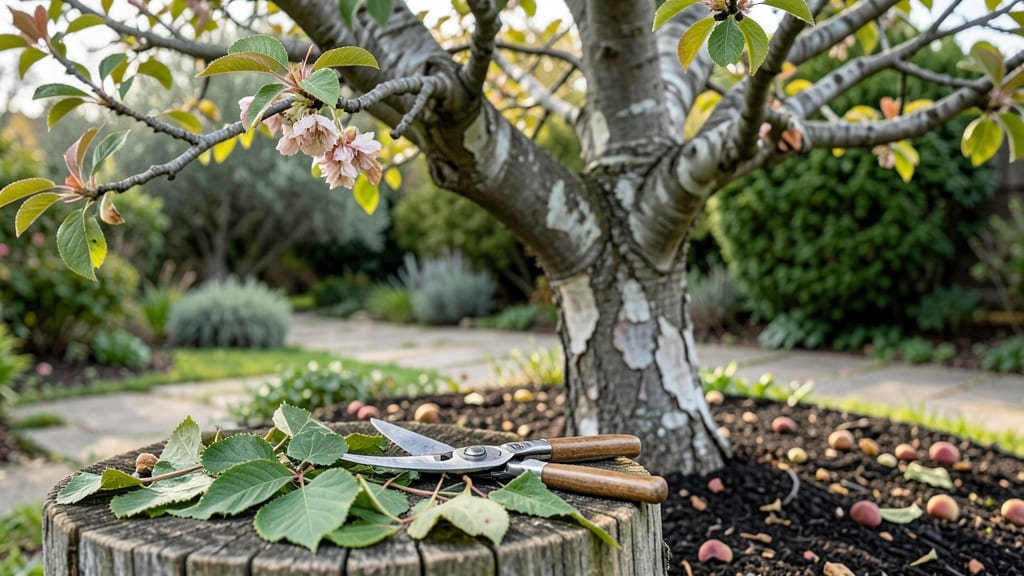
Pruning your peach tree in Texas isn’t just about shaping—it’s about fighting the heat, preventing bacterial spot, and keeping those branches strong enough to hold heavy fruit. 🌳 I’ve learned the hard way that cutting at the wrong time or missing key branches can turn a productive tree into a disease magnet or a weak-limbed shadow of its potential.
The best time to prune in Texas is late winter to early spring, right before buds swell but before the heat kicks in. You’ll need sharp pruners, a saw for thicker branches, and—most importantly—a plan to remove dead wood, thin crowded branches, and open up the center for airflow.
Texas summers are brutal on peach trees, so proper pruning now means fewer pests and more fruit by harvest season.
What you’ll end up with is a tree that produces larger, sweeter peaches while staying resistant to common Texas problems like peach tree borers and fungal diseases.
The key is balancing aggressive cuts in winter with lighter maintenance pruning in summer to keep the tree healthy through our long, hot growing season.
Whether your tree is young and still filling out or mature with a history of heavy crops, these seasonal cuts will keep it thriving. Let’s get those branches in shape before the heat sets in—your future harvest depends on it.
📚 In This Guide
- What you need
- Instructions
- Tips and common mistakes
- Wrapping up and next steps
What you need
- ● Pruning shears: Bypass pruners (sharp, 6-8" blades) for small branches (1/4"–3/4" diameter). Quantity: 1 pair.
- ● Loppers: Bypass or anvil (18-24" long) for medium branches (3/4"–2" diameter). Quantity: 1 pair.
- ● Pruning saw: Curved-tooth or folding for thick branches (2"+ diameter). Quantity: 1.
- ○ Extension pole: Adjustable (10–15 ft) with pruning saw attachment for high branches. Quantity: 1 (optional but helpful).
- ● Gloves: Heavy-duty, cut-resistant (nitrile or leather). Quantity: 1 pair.
- ● Safety glasses: ANSI-rated to protect from debris. Quantity: 1 pair.
- ● Disinfectant: 70% isopropyl alcohol or bleach solution (1 part bleach to 9 parts water) to sterilize tools between cuts. Quantity: Small bottle or spray.
- ○ Pruning sealant: Tree wound sealant (optional, for cuts larger than 3/4"). Quantity: Small tube.
- ● Tarp or drop cloth: Heavy-duty (10x10 ft) to collect debris. Quantity: 1.
- ● Rope or twine: Strong, UV-resistant (for securing branches if needed). Quantity: 50 ft roll.
- ● Marking twine or flags: Colored to tag branches for removal or special attention. Quantity: Small pack.
- ● Weather: Prune on a dry, cloudy day (avoid wind or rain). Texas’s ideal window: Late winter (Feb–early March) for dormant pruning.
- ● Safety gear: Long sleeves, closed-toe shoes, and ear protection if using a chainsaw (for very large branches).
- ● Tree health check: Inspect the tree for disease (e.g., leaf curl) or pests before pruning. Report severe issues to a Texas A&M AgriLife Extension agent.
- ● Local regulations: Check for city ordinances on tree removal or pruning near power lines (call Texas A&M or your local utility for guidance).
Step-by-step guide for pruning Texas peach trees
Here's how I prune my Texas peach trees for maximum fruit and resilience.
✂️ Step 1: Prune Dormant Season (Late Winter)
Start your pruning when the tree is fully dormant but before buds swell—typically mid-February to early March in Texas. This timing ensures you remove dead wood while leaving healthy buds intact. I always prune on a dry day to prevent disease spread from wet tools or fresh cuts.
Remove any branches that are dead, diseased, or crossing. Look for branches with no green bark or those rubbing against others—these create entry points for pests. Cut back to the branch collar (the swollen area where the branch meets the trunk) using clean, sharp pruners. Never leave stubs—this invites rot and weakens the tree.
Open the tree's center by removing up to 25% of the canopy. This improves airflow and sunlight penetration, which is critical for fruit development. Thin out crowded branches first, then shorten the remaining ones by one-third to encourage new growth. You'll see vigorous buds along the remaining branches—these will become next year's fruit-bearing wood.
☀️ Step 2: Light Summer Pruning (After Harvest)
Once your peaches are harvested, typically late June to early July, do a quick check for any water sprouts or suckers that have popped up. These are fast-growing, vertical shoots that steal energy from fruit production. Use your fingers or pruners to pinch them off at the base—they won't regrow.
Remove any branches that are growing inward or rubbing against others. These compete for resources and create wounds that can harbor fungal diseases like brown rot, which is common in Texas peaches. Cut just outside the branch collar at a 45-degree angle to allow water to run off the cut.
If you notice any branches with signs of disease (black spots, oozing sap, or dieback), prune those out immediately. Sterilize your pruners between cuts with rubbing alcohol to prevent spreading pathogens. The goal here is to keep the tree healthy and focused on next year's fruit rather than repairing damage.
⏰ Step 3: Post-Harvest Cleanup (Fall)
After the leaves fall, typically November, do a final cleanup. Remove any remaining dead or diseased branches you may have missed earlier. This is also the time to check for any weak or poorly attached branches that might have survived the summer storms common in Texas.
Thin out any remaining crowded branches to maintain an open center. You want sunlight to reach the inner branches, which helps prevent fungal issues. Cut back any branches that are growing too low—these can interfere with harvesting and encourage pests. Aim to keep the lower branches at least 3 feet off the ground.
Apply a thin layer of mulch around the base of the tree (but not touching the trunk) to protect roots from winter temperature swings. This is especially important in Texas, where winter temps can fluctuate wildly. Water deeply before the first hard freeze to help the tree establish roots for next season's growth.
Tips & tricks for pruning Texas peach trees
Here's what I've learned from years of pruning Texas peach trees—these tricks make all the difference for healthy growth and fruit production.
Timing is Everything: The mid-February to early March window is critical for dormant season pruning. If you miss it, you risk cutting off next year's fruit buds that haven't swollen yet. I've seen trees where pruning was delayed too late—those branches never produced fruit. Mark your calendar now for next year!
Branch Collar Technique: When cutting branches, always aim for the branch collar—the swollen area where the branch meets the trunk. I used to make the mistake of cutting too close or leaving stubs, which led to rot and disease. A clean cut at the collar ensures proper healing and prevents water from pooling on the wound. Use sharp pruners and cut just outside the collar at a slight angle.
Canopy Opening Strategy: Removing up to 25% of the canopy in Step 1 isn't just about aesthetics—it's about creating an open center that lets sunlight reach the inner branches. I learned this the hard way when my first tree had shaded interior branches that produced tiny, poor-quality peaches. The goal is to create a vase shape with branches spaced evenly around the trunk, not a dense, tangled mess.
Disease Prevention: Sterilizing your pruners with rubbing alcohol between cuts is one of the simplest ways to prevent spreading brown rot and other fungal diseases common in Texas peaches. I started doing this after noticing black spots on branches I'd pruned earlier in the season. It takes 10 seconds per cut but saves your tree from potential infection.
Pro Tips for Peach Tree Pruning Texas
- Here's what I've learned from years of pruning Texas peach trees—these tricks make all the difference for healthy growth and fruit production.
- Timing is Everything: The mid-February to early March window is critical for dormant season pruning.
- Branch Collar Technique: When cutting branches, always aim for the branch collar—the swollen area where the branch meets the trunk.
Frequently asked questions
Got questions about peach tree pruning in Texas?
You’re not alone! Here are answers to the most common concerns—from timing to tools—to help you prune like a pro and keep your tree thriving.
When is the best time to prune a peach tree in Texas?
Prune your peach tree dormant season—late winter (January–February) before buds swell—or lightly after harvest (summer) to shape the tree. Avoid heavy pruning in spring, as it can stress the tree and reduce fruit production. Texas’ mild winters may extend the window, but wait until cold snaps pass to prevent disease spread.
How much of my peach tree should I cut back?
Remove 20–30% of the tree’s total growth annually for healthy structure. Focus on:
- Dead, diseased, or crossing branches (cut at the branch collar).
- Suckers (shoots at the base) to redirect energy to fruit-bearing branches.
- Water sprouts (fast-growing vertical shoots) to improve airflow.
Why are my peach tree’s branches dying after pruning?
Dying branches often signal over-pruning, disease, or poor timing. Check for:
- Fungal infections (e.g., brown rot)—sterilize tools with rubbing alcohol and prune in dry weather.
- Sunburn on exposed bark (common in Texas heat)—apply a thin layer of pruning sealant only on large cuts.
- Root stress—water deeply before/after pruning and mulch to retain moisture.
Can I prune a peach tree in Texas heat (summer/fall)?
Light summer pruning (June–July) is fine for removing deadwood or shaping, but avoid heavy cuts. Fall pruning (October–November) is risky—Texas’ unpredictable freezes can stress newly pruned trees. If you must prune in fall, do it 6+ weeks before the first frost and prioritize disease cleanup. Wait for spring for major structural work.
Do I need special tools for peach tree pruning in Texas?
Basic tools work, but Texas’ tough wood and pests may require upgrades:
- Bypass pruners (for clean cuts on small branches).
- Loppers (2–4” cuts) or a pruning saw (for thicker branches).
- Disinfectant (bleach solution or rubbing alcohol) to prevent bacterial spread.
- Gloves (thorn-proof!) and long sleeves—peach trees pack a punch!
Wrapping up and next steps
Pruning your peach tree in Texas isn’t just about shaping—it’s about health, productivity, and resilience. By following seasonal best practices, you’ll encourage stronger branches, better airflow, and sweeter fruit while keeping pests at bay. 🌿
Now that you’re armed with the when, how, and why of pruning, there’s only one step left: roll up your sleeves and get started! Grab your tools, mark your calendar, and give your peach tree the care it deserves—your future harvest will thank you. 🍑✨