
Pruning
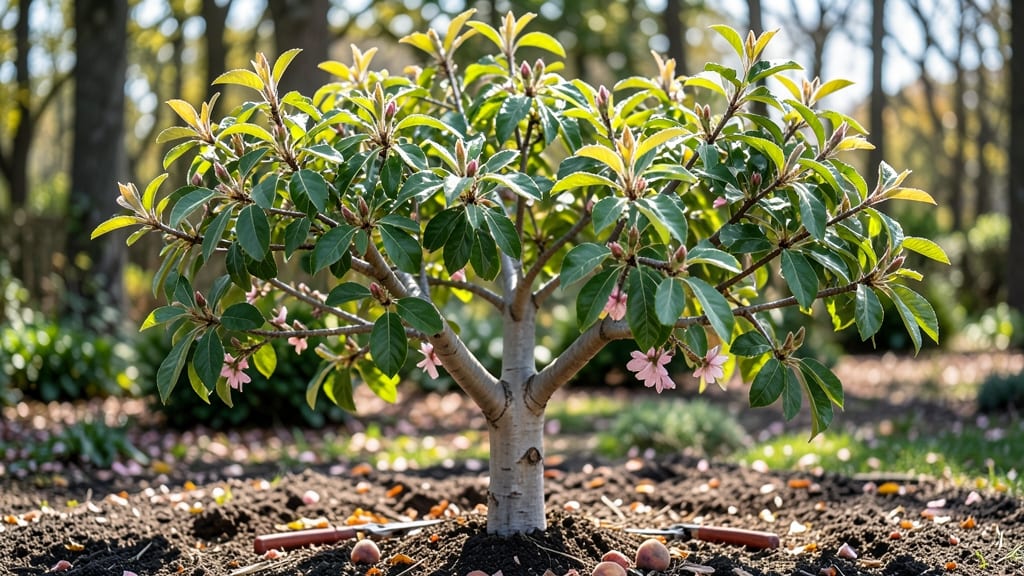
These peach tree pictures of lush, fruit-laden branches prove why every gardener should pause—until you realize how pruning turns chaos into art. ✨ The right cuts don’t just shape branches; they turn a wild tangle into an elegant, productive tree that bears fruit for decades.
My first pruning attempt left me with a lopsided mess, but once I learned the seasonal rhythm, the difference was jaw-dropping.
This guide focuses on what you’ll actually see: how a tree looks before and after pruning, from winter’s skeletal structure to summer’s lush canopy. You’ll spot the telltale signs of overgrowth—like crowded branches that rob fruit of sunlight—and learn how to fix them with just a few strategic cuts.
The goal? A tree that’s both ornamental and productive, whether you’re growing in a backyard or a small urban plot.
By the end, you’ll recognize the harmony of a well-pruned peach tree: open branches that catch sunlight, easy access for harvesting, and a shape that fits your landscape. No more guessing—just clear visual cues to guide your hands. Ready to see the transformation?
The same principles work for dwarf varieties in containers or full-sized trees in orchards. We’ll cover how seasonal light changes affect pruning decisions, so you’ll know exactly when to make each cut. Let’s get started with the pictures that make it click.
📚 In This Guide
- What you need
- Instructions
- Tips and common mistakes
- Wrapping up and next steps
What you need
- ○ Pruning shears: Bypass pruners (for small branches, 5–7" blades, sharp and rust-resistant). Optional: Loppers (for thicker branches, 8–12" cutting capacity).
- ● Pruning saw: Hand saw (for branches >1.5" thick, with a curved blade for smooth cuts).
- ● Disinfectant: Rubbing alcohol (70%+) or bleach solution (1 part bleach to 9 parts water) to sterilize tools between cuts.
- ● Gloves: Heavy-duty gardening gloves (cut-resistant for protection).
- ○ Pruning sealant: Tree wound paint (optional, for cuts >0.5" in diameter—controversial but some swear by it!).
- ● Ladder or step stool: Aluminum extension ladder (if tree is >6 ft tall) or stable 3-step stool for shorter trees.
- ● Tarp or drop cloth: Heavy-duty plastic sheet (to collect fallen branches/debris).
- ● Notebook & pencil: Small spiral notebook (to sketch pruning plans or mark branches to remove).
- ● Timing: Prune during dormant season (late winter/early spring, before buds swell) or summer after harvest (avoid heavy pruning in fall).
- ● Weather: Choose a dry, overcast day (humidity slows healing; avoid windy conditions).
- ● Safety gear: Safety glasses (to protect from debris) and closed-toe shoes (for stability).
- ● Tree health check: Inspect for diseases (leaf curl, brown rot) or pests (aphids, borers) before pruning.
- ● Research: Study your peach tree’s variety (some need less aggressive pruning than others!).
- ● 🔥 Sharpen your tools! Dull blades tear bark—test by cutting a piece of paper; if it crushes, sharpen it.
- ● ✨ Label branches: Use flagging tape to mark branches to remove (helps avoid mistakes!).
- ● 🌡️ Work in layers: Start with dead/diseased wood, then thin out crowded branches, and finally shape the tree.
- ● 📸 Document progress: Take before/after photos (great for tracking growth and sharing with fellow gardeners!).
Step-by-step guide to seasonal peach tree pruning
Here's how I trim my peach trees for maximum fruit production—no guesswork, just clear cuts.
✂️ Step 1: Late Winter Dormant Pruning (When Buds Swell)
Start when peach tree buds begin to swell but before any green appears—usually mid-February to early March in most climates. This is your chance to remove dead, diseased, or crossing branches that compete for energy. I grab my pruning saw for thick branches over ½-inch diameter and bypass pruners for smaller limbs.
Make cuts just outside the branch collar—the swollen area where the branch meets the trunk. This ensures proper healing. Remove any branches growing inward or rubbing against others, as these will create wounds that invite pests. Thin out crowded branches to improve airflow, which prevents fungal diseases like brown rot.
Here's the thing—peach trees fruit on both old and new wood, so don't over-prune. Aim to remove no more than 25% of the tree's total growth in one season. You'll see healthy, open branches that let sunlight reach all fruit clusters.
☀️ Step 2: Summer Light Pruning (After Harvest)
Once you've picked the last peach—usually late July to August—take out your pruners for a quick summer trim. Focus on suckers (shoots growing from the base) and water sprouts (fast-growing vertical shoots). These steal energy from fruit production. I use sharp hand pruners to make clean cuts at a 45-degree angle just above a leaf node.
Remove any branches that grew too vigorously this season, especially those that blocked sunlight from reaching the center of the tree. You'll notice the tree looks more balanced, with sunlight penetrating all the way to the trunk. This encourages next year's fruit buds to form evenly along the branches.
Don't skip this step—it's when I prevent my trees from becoming overgrown and unproductive. A 10-minute trim now saves hours of heavy pruning later.
✂️ Step 3: Post-Harvest Structural Pruning (Fall)
After leaves fall—usually October to November—do a final check for any dead or broken branches that might have gone unnoticed. Use your pruning saw for any remaining thick branches you missed earlier. This is also the time to shape the tree by shortening overly long branches that lost their vigor this season.
Make cuts just above an outward-facing bud to encourage new growth in the right direction. I like to step back and look at the tree's overall shape—it should have a vase-like form with a strong central leader. Remove any branches growing straight up (called "vertical shoots") as they create weak crotches that break under fruit weight.
Real talk: Fall pruning is often overlooked, but it's when I fix any mistakes from earlier in the year. Just avoid heavy pruning now—wait until next winter. A light cleanup prevents winter damage from cold winds.
⏰ Step 4: Ongoing Maintenance (Year-Round)
Between seasons, keep an eye out for suckers (those persistent shoots from the base) and diseased branches. Grab your pruners and remove them immediately—don't let them grow more than 6 inches or they'll drain your tree's energy. I check my trees every 2 weeks during growing season for these troublemakers.
After heavy fruit loads, you might notice some branches bending dangerously. These need support—either by tying them to stakes or pruning them back to reduce weight. The goal is to keep the tree's structure strong enough to support next year's crop. You'll see a difference in how upright and sturdy the branches look after just a few months of maintenance.
This is where consistency pays off. A little attention now means fewer major cuts later—and more peaches on your table. Trust me, your tree will thank you.
Tips & tricks for perfect peach tree trimming
These simple strategies will help you maintain a healthy, fruit-bearing peach tree all year long.
Tool Selection: Always use sharp tools—dull blades tear wood, creating larger wounds that heal poorly. I keep a pair of bypass pruners for branches under ½-inch thick and a pruning saw for anything larger. After each use, wipe tools with rubbing alcohol to prevent disease spread between cuts. This simple habit keeps your tree healthier for seasons to come.
Branch Angle Matters: When making cuts in Step 3, aim for a slight outward angle just above an outward-facing bud. This encourages new growth to develop away from the trunk, creating a more open canopy. I like to visualize the tree's natural vase shape—this helps me make better decisions about which branches to keep or remove.
Sucker Control Strategy: Don't let those persistent suckers (shoots from the base) grow more than 6 inches tall—they'll drain energy from your fruit production. I make it a habit to check my trees every 2 weeks during growing season, removing them immediately with clean cuts. This prevents them from becoming established and competing with your main branches.
Seasonal Timing Insight: The mid-February to early March window for Step 1 is critical—it's when your tree is still dormant but beginning to wake up. If you prune too early, you risk damaging buds that haven't formed yet. I mark my calendar with frost dates as a reminder to time my winter pruning perfectly for my climate zone.
Pro Tips for Peach Tree Pictures
- These simple strategies will help you maintain a healthy, fruit-bearing peach tree all year long.
- Tool Selection: Always use sharp tools—dull blades tear wood, creating larger wounds that heal poorly.
- Branch Angle Matters: When making cuts in Step 3, aim for a slight outward angle just above an outward-facing bud.
Frequently asked questions
Got questions about pruning your peach tree for that perfect fruit-heavy harvest? You’re not alone! Here are some of the most common queries—plus quick, actionable answers to keep your tree thriving.
When is the best time to prune a peach tree for heavy fruit loads?
The ideal window is late winter or early spring (just before buds swell but before leaves appear). This timing minimizes stress and disease risk. Avoid pruning in fall—it can leave wounds vulnerable to fungal infections. Pro tip: If you must prune in summer, do it right after harvest to balance fruit production and tree health.
How much should I cut back a peach tree to encourage bigger peaches?
Peach trees thrive with moderate pruning—aim to remove 20-30% of the canopy total. Focus on:
- Dead, diseased, or crossing branches (cut at the branch collar).
- Suckers (shoots growing from the base) and water sprouts (vertical shoots).
- Thinning out crowded branches to improve airflow (critical for disease prevention).
Can I prune a peach tree in winter if it’s already dormant?
Yes, but with caution! Prune only on dry, frost-free days (below 40°F can stress the tree). Winter pruning is safe if you:
- Wait until after the worst cold snaps (typically late January–February in most zones).
- Avoid heavy cuts—focus on cleanup pruning (removing deadwood).
- Seal large cuts (>1 inch) with pruning sealant to prevent bacterial entry.
What if my peach tree isn’t producing fruit after pruning?
Several factors could be at play:
- Age: Young trees (under 3–4 years) focus on growth, not fruit. Be patient!
- Pruning timing: Late-spring pruning can delay flowering. Stick to dormant-season cuts.
- Pollination: Peaches need cross-pollination (unless you have a self-pollinating variety). Plant a second tree nearby if possible.
- Nutrients: Apply a balanced fertilizer (like 10-10-10) in early spring to boost fruit production.
How can I take clear peach tree pruning pictures for reference?
Use these tips for helpful before/after photos:
- Shoot in natural light (early morning or late afternoon).
- Include a ruler or coin in shots to show branch thickness.
- Label cuts with a waterproof marker (e.g., “Dead branch,” “Thinning cut”).
- Use a wide-angle lens to capture the full canopy structure.
Wrapping up and next steps
Mastering the art of peach tree pruning—especially with heavy fruit loads—can transform your harvest and keep your tree thriving for years. 🌳 With the right tools, seasonal timing, and a little patience, you’ll soon be snipping with confidence, ensuring bountiful yields and a healthier tree.
Whether you’re a beginner or a seasoned gardener, now’s the perfect time to grab your pruners and get started!
🌟 Ready to Prune Like a Pro?
Start by reviewing your seasonal checklist—then, mark your calendar for next year’s pruning sessions. Happy trimming! 🍑✂️