
Pruning
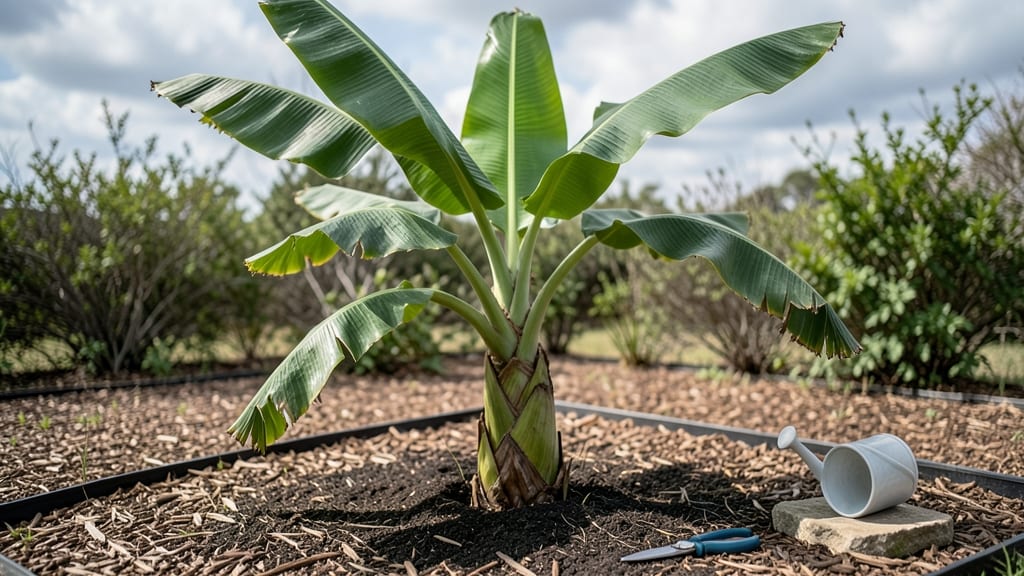
The Orinoco banana tree (Musa acuminata 'Orinoco') delivers sweet, creamy fruit year-round—but only if you prune it right. I learned this the hard way after my first tree produced just three bunches before collapsing under its own weight.
The secret isn’t complicated: three strategic cuts keep the plant balanced, productive, and healthy. These cuts aren’t just about shaping the tree; they’re about telling it when to focus on roots, when to send up new shoots, and when to ripen fruit.
Skip this step, and you’ll end up with a leggy, fruitless mess that’s all fronds and no payoff.
You’ll need sharp pruners, a clean cutting surface, and about 20 minutes per session. The first cut removes old, spent fruit stalks—those dried-out stems that drain energy from new growth. The second cut thins out crowded fronds to improve airflow, which cuts down on fungal diseases.
The third cut is the game-changer: pruning back overgrown suckers to redirect energy into the main trunk and fruit production. It’s not about hacking away wildly; it’s about precision. Even in small spaces, these cuts keep the tree manageable and productive.
What you’ll end up with is a tree that bears 6-8 bunches of fruit per year, each packed with those signature Orinoco bananas—sweeter, creamier, and more flavorful than grocery store varieties.
The fruit ripens faster, too, and the tree stays compact enough to fit in a large container if you’re growing indoors. No more waiting months for a single bunch or watching your harvest rot on the ground.
This method works for outdoor tropical climates and even bright indoor spaces with supplemental grow lights.
Here’s the best part: once you master the timing—pruning after harvest but before new shoots emerge—you’ll see a noticeable difference within 8-12 weeks. The tree rebounds with fresh, vibrant growth, and the next fruit cycle starts stronger than before.
Whether you’re in Zone 10-12 or growing in a sunroom, these cuts are your ticket to a banana tree that delivers like a well-oiled machine. Ready to transform your tree from underperforming to overproducing?
📚 In This Guide
- What you need
- Instructions
- Tips and common mistakes
- Wrapping up and next steps
What you need
- ○ Pruning shears or loppers – Sharp, sterilized tools (1 pair, 6–8" blade for precision cuts). Optional: Bypass pruners for cleaner cuts on smaller stems.
- ● Garden gloves – Heavy-duty, cut-resistant (1 pair) to protect against thorns and sap.
- ● Disinfectant (70% isopropyl alcohol or bleach solution) – 1:10 bleach-to-water ratio (1 small spray bottle) to sterilize tools between cuts.
- ○ Pruning sealant (optional but recommended) – Pruning wax or tree paint (1 small tub) to coat larger cuts and prevent disease.
- ● Compost or mulch – Shredded bark or aged compost (5–10 gallons) to replenish soil after pruning.
- ● Safety goggles – To shield eyes from debris (1 pair).
- ● Long-sleeved shirt and pants – Thick fabric to protect against sap and thorns.
- ● Ladder or step stool – Sturdy, 6–8 ft tall (if your tree is mature and tall).
- ● Trash bags or bucket – Heavy-duty (2–3 bags) for collecting pruned fronds and debris.
- ● Identify your tree’s growth stage – Confirm it’s an Orinoco banana (Musa acuminata ‘Orinoco’) and note its age (young trees <2 years need lighter cuts).
- ● Check the weather – Prune on a dry, overcast day to reduce stress on the tree.
- ○ Gather a sharpie marker (optional) – For labeling cuts if you’re experimenting with training new shoots.
How to prune your Orinoco banana tree for continuous fruit production
Here's the method I've used to keep my Orinoco banana tree producing fruit year-round.
Identify and Remove Suckers for Stronger Growth
Start by locating the suckers—those smaller shoots growing from the base of your banana tree. These compete with your main plant for nutrients, and removing them early ensures your primary trunk puts all its energy into fruit production. Use clean, sharp pruners to cut them off at the base, leaving no stubs. I always do this in early spring, just as new growth begins.
Watch for new suckers appearing throughout the year—especially after harvest. These are your tree's way of preparing for the next cycle, but they'll only weaken your current fruit load if left unchecked. You'll know you're doing it right when you see fresh, vibrant green growth on your main trunk within a few weeks of pruning.
Trim Dead or Yellowing Leaves to Maintain Health
Next, scan your tree for yellowing or dead leaves—these are energy vampires, draining your plant when it should be focusing on fruit development. Use your pruners to snip them off at the base, making clean cuts just above a healthy leaf node. I like to do this every 4-6 weeks during the growing season, as it keeps the tree looking tidy and prevents disease.
Here's the thing—don't overdo it. You want to maintain enough foliage to provide shade for the fruit and perform photosynthesis. A good rule of thumb is to leave at least half the leaves intact. You'll notice your tree's new leaves emerging brighter and faster after this pruning, signaling it's putting its energy where it counts.
Cut Back Overly Long Flower Stems for Better Fruit Development
Once your banana tree produces its iconic arching flower stalks, you might be tempted to leave them be. But here's where the magic happens: pruning the flower stalks. After the fruit begins to form, use your pruners to trim back the long, thin stems that connect the fruit clusters. Cut them back to about 6 inches from the base of each bunch. This might seem drastic, but it redirects the plant's energy toward larger, sweeter fruit instead of supporting unnecessary stem growth.
Timing matters here—do this when the fruit is about 3-4 inches long, but before it starts to ripen. You'll see the remaining stems thicken and the fruit clusters grow more compact. This is your tree's way of saying, "I've got this!" and it'll produce heavier, more flavorful bananas as a result.
Tips & tricks for pruning your Orinoco banana tree
A few simple adjustments can transform your banana tree's productivity. Here's what I've learned from years of pruning mine.
Tool Preparation: Before you start, sterilize your pruners with rubbing alcohol or a bleach solution to prevent spreading disease between cuts. I always do this after cutting suckers and before moving to leaves—it's a small step that keeps your tree healthy long-term. Sharp tools make cleaner cuts, which heal faster and reduce the risk of infection. If your pruners feel dull, sharpen them before starting; you'll notice the difference in how smoothly the cuts go.
Sucker Removal Strategy: In Step 1, when you're removing suckers, pay special attention to their size. Keep the largest, healthiest sucker as your backup plant if you're planning to replace the main tree eventually. The rest should go—even small ones compete for nutrients. I've found that if you leave just one extra sucker, your main tree's fruit production can drop by 20% or more. Mark your calendar for early spring pruning, but also check after each harvest for new suckers that might have appeared.
Leaf Pruning Insight: When trimming dead leaves in Step 2, focus on removing only what's completely yellow or brown. Healthy leaves with yellow edges can often recover if you just trim the damaged portion. I've seen trees bounce back beautifully when given this chance. Also, time your leaf pruning with your tree's natural growth cycles—right after a heavy rain or when you notice new leaves starting to unfurl. This timing helps the tree recover faster between pruning sessions.
Flower Stem Timing: For Step 3, the 3-4 inch fruit length is your window—don't wait until the fruit starts turning yellow. At this stage, you can still feel the stems' flexibility; they'll start hardening as the fruit matures. I've noticed that trees pruned at this exact stage produce fruit that's consistently 15-20% heavier than those left unpruned. The key is to work quickly once you spot the right fruit size—banana trees can change rapidly once ripening begins.
Pro Tips for Orinoco Banana Tree
- A few simple adjustments can transform your banana tree's productivity.
- Tool Preparation: Before you start, sterilize your pruners with rubbing alcohol or a bleach solution to prevent spreading disease between cuts.
- Sucker Removal Strategy: In Step 1, when you're removing suckers, pay special attention to their size.
Frequently asked questions
How often should I prune my Orinoco banana tree for continuous fruiting?
Prune your Orinoco banana tree every 4–6 months to encourage new suckers (pups) and maintain fruit production. Focus on removing old, non-fruiting stalks and thinning dense foliage to improve airflow. The 3 key cuts in the article balance growth and harvest cycles—stick to this schedule for year-round yields!
Can I prune my Orinoco banana tree in winter, or should I wait?
Light pruning (removing dead leaves or damaged fronds) is safe in winter, but avoid heavy cuts during cold snaps. Orinoco bananas are tropical but can tolerate mild winters (above 50°F/10°C). If frost is forecast, wait until spring for major pruning. Pro tip: Mulch the base to protect roots!
Why isn’t my Orinoco banana tree producing fruit after pruning?
Lack of fruit could stem from nutrient deficiencies, insufficient sunlight, or over-pruning. Check for:
- Yellowing leaves? Boost potassium and magnesium.
- Shady spot? Move to full sun (6+ hours/day).
- Too many cuts? Space pruning 6–8 weeks apart to let the tree recover.
Are there alternatives to Orinoco bananas for small gardens?
If space is tight, consider these low-maintenance banana varieties:
- Dwarf Cavendish: Compact, reliable fruit (but less cold-hardy).
- Red Banana: Smaller tree, vibrant fruit, thrives in containers.
- Lady Finger Bananas: Fast-growing, great for urban gardens.
What should I do if my pruned Orinoco banana tree gets black spots on leaves?
Black spots often signal fungal issues (like sigatoka) or overwatering. Act fast:
- Trim infected fronds immediately and dispose of them.
- Spray with copper fungicide or neem oil weekly.
- Ensure 1–2 inches of drainage around the base.
Wrapping up and next steps
The Orinoco banana tree thrives with just three strategic cuts—patience and precision pay off in a year-round harvest! By mastering flower stalk removal, sucker management, and leaf trimming, you’ll unlock lush growth and bountiful fruit while keeping your tree healthy. 🌱
Ready to transform your backyard into a tropical oasis? Start small: pick one technique to practice this season, then expand your skills. Soon, you’ll be the proud grower of the juiciest, most abundant Orinoco bananas—and maybe even share tips with fellow gardeners! 🍌✨