
Pruning
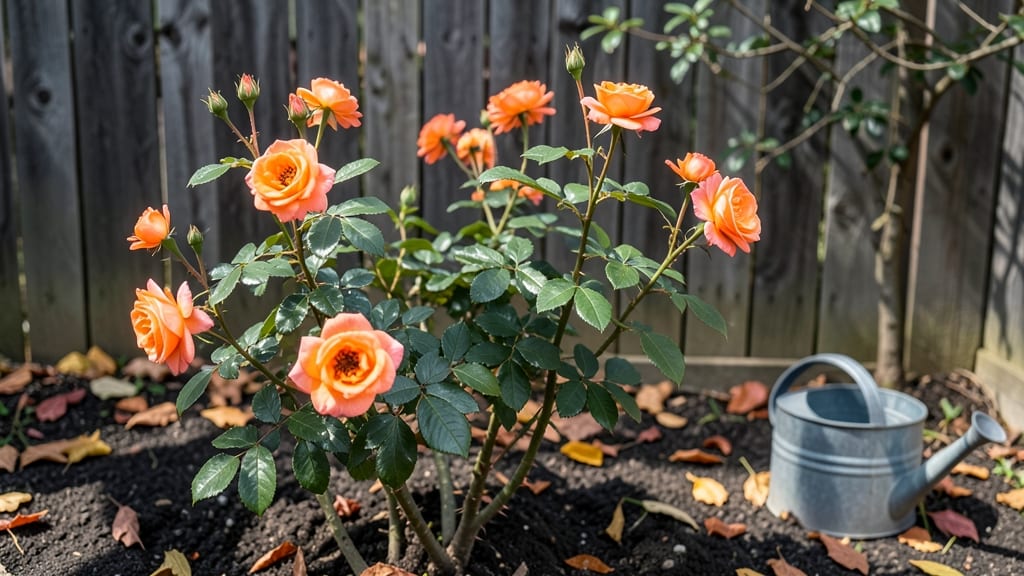
Growing an orange rose tree that bursts with color all year starts with the right approach—and yes, it’s simpler than you’d think. I’ve turned my once-bare patio into a sun-drenched display of fiery blooms by mastering just four seasonal trims, and the secret lies in timing, not technique.
The first year was a mess (overwatering, anyone?), but now my ‘Orange Triumph’ thrives with minimal effort. What you’ll need is sunlight, sharp pruners, and patience—no fancy tools required.
The magic happens in layers: full sun (6+ hours daily) for vibrant blooms, well-draining soil (amend with compost), and regular watering—deep but infrequent to avoid soggy roots. Varieties like ‘Orange Glow’ or ‘Orange Triumph’ handle heat and humidity better than most, but even they need a little TLC.
The key is pruning: cut back dead wood in winter, shape in spring, and trim lightly after each bloom cycle. It takes 10 minutes a month—not hours—and the payoff is roses that keep coming, season after season.
Imagine this: your fingers brushing against velvety petals in July’s heat, the sweet citrusy scent lingering in the air, and blooms that last from spring through frost. That’s the reward for sticking to the routine.
You’ll avoid the most common mistakes—like pruning at the wrong time or over-fertilizing—which can turn your rose into a leggy mess. With these four simple trims, you’ll have a tree that’s neighborhood-famous in no time.
Works for small patios, large yards, or even containers—just adjust the size of your cuts. The same principles apply whether you’re in Zone 5 or Zone 9. Let’s get those blooms going strong!
📚 In This Guide
- What you need
- Instructions
- Tips and common mistakes
- Wrapping up and next steps
What you need
- ● Orange rose tree (e.g., Rosa 'Orange Sensation' or similar hybrid tea rose). Note: Ensure it’s healthy and disease-free!
- ● Sharp bypass pruners (2–3 pairs, 1/4"–3/8" blade size for precision cuts). Pro tip: Sterilize with rubbing alcohol between cuts to prevent bacterial spread! 💡
- ● Hand pruners or loppers (for thicker branches, 1"–1.5" cutting capacity).
- ● Garden gloves (thick, cut-resistant, e.g., nitrile-coated for grip and protection).
- ● Rake or broom (for clearing debris post-pruning).
- ○ Pruning sealant (optional but helpful for large cuts, e.g., tree wound paint).
- ● Disinfectant spray (70% isopropyl alcohol or bleach solution for tools).
- ● Bucket or bag (for collecting pruned branches).
- ● Ladder or step stool (if your tree is 6+ feet tall).
- ● Safety glasses (to protect from debris, especially when using loppers).
- ● Pruning saw (for stubborn, woody branches).
- ● Hose or water sprayer (to clean tools and rinse off sap).
- ● Label tags (if pruning multiple rose varieties).
- ● Fertilizer or compost (to nourish the tree post-pruning, e.g., balanced 10-10-10).
Step-by-Step guide to pruning your orange rose tree for year-round blooms
Here's how to keep your vibrant orange rose tree flowering beautifully with just four straightforward trims.
Understand the Four Key Pruning Times
Orange roses bloom best with a structured pruning schedule. Start with a late winter trim (just before new growth begins) to remove dead or crossing branches. This is your foundation cut—it shapes the tree for the season ahead.
Next comes the spring trim after the first flush of blooms fades. Cut back spent flowers to encourage new growth and more blooms. Then, a summer trim every 6-8 weeks keeps the tree compact and promotes continuous flowering.
Finally, a light fall trim removes any remaining dead wood and prepares the tree for dormancy. This four-step cycle keeps your orange rose productive and healthy without overwhelming you.
Prepare Tools and Safety First
Gather sharp, clean pruning shears and sterilize them with rubbing alcohol between cuts to prevent disease spread. Wear gloves—orange rose thorns are sharp, and the sap can irritate skin. Work on a dry day when the tree isn't stressed by heat or cold.
Remove any branches that are crossing, rubbing, or growing inward. These compete for energy and can damage the tree over time. Cut just outside the bud, at a 45-degree angle, to encourage proper healing and new growth.
Here's the thing—if you hesitate to cut, the tree will suffer. Pruning might seem harsh, but it's what keeps your orange rose thriving and blooming nonstop.
Perform the Late Winter Trim
This is your deepest cut of the year. Remove dead, diseased, or weak branches first—anything that doesn't look healthy or isn't producing blooms. Cut back to a strong, outward-facing bud to encourage new growth in the right direction.
Next, shape the tree by shortening last year's growth by about one-third. This stimulates fresh shoots and a fuller form. Avoid over-pruning—you want to leave enough structure for the tree to support new blooms.
You'll notice the tree looks sparser after this trim, but that's normal. Within weeks, new shoots will emerge, and by spring, you'll have a bushier, more vibrant orange rose tree.
Maintain with Spring and Summer Trims
After the first spring blooms fade, cut back spent flowers to the nearest five-leaflet leaf cluster. This encourages the tree to produce more blooms instead of focusing on seed development. A light trim here keeps the tree tidy and productive.
Every 6-8 weeks in summer, give the tree a light maintenance trim. Remove any branches that are growing too long or out of shape. This isn't about drastic changes—just keeping the tree balanced and encouraging continuous blooming.
Real talk: If you skip these summer trims, your orange rose might still bloom, but the flowers will be fewer and the tree will look unkempt. A little effort now means more vibrant blooms later.
Finish with a Light Fall Trim
In late fall, do a final light trim to remove any remaining dead or crossing branches. This keeps the tree clean and ready for dormancy. Avoid heavy pruning now—you don't want to stimulate new growth that won't harden off before winter.
Focus on sanitation—remove any leaves or debris that could harbor pests or diseases over winter. A quick wipe-down of the branches with a damp cloth helps too. This simple step sets your orange rose up for a healthy start in spring.
You've got this. With these four simple trims, your orange rose tree will stay healthy, vibrant, and blooming year-round with minimal effort.
Tips & tricks for perfect orange rose tree pruning
These simple strategies will help you master the art of pruning your orange rose tree without the guesswork.
Tool Selection: Invest in a good pair of bypass pruners for clean cuts on larger branches, and use hand pruners for smaller stems. I've found that sterilizing your tools with rubbing alcohol between cuts in Step 2 prevents disease spread—this is especially important with orange roses, which can be prone to fungal issues. Always make cuts just outside the bud at a 45-degree angle to promote faster healing and better growth.
Seasonal Timing Secret: The four pruning times in Step 1 are non-negotiable for year-round blooms, but here's what nobody tells you—watch for your tree's natural growth cues. If you see new buds forming earlier than expected in late winter, that's your signal to prune. The key is to always trim just before new growth begins, not after. In summer, those 6-8 week intervals can stretch to 10 weeks in cooler climates where growth slows.
Visual Pruning Guide: When shaping in Step 3, imagine your tree as an open vase—branches should radiate outward from the center. Remove any branches growing inward or crossing others, as these compete for energy. For the one-third reduction of last year's growth, think of it as creating an "inverted cone" shape. This open structure allows sunlight to reach all parts of the tree, which is crucial for those vibrant orange blooms.
Post-Pruning Care: After your fall trim in Step 5, give your tree a final boost by applying a balanced fertilizer. I recommend a slow-release formula to support root growth over winter. Also, consider wrapping the trunk with burlap if you live in a cold climate—this protects against winter burn and frost cracks. The goal is to keep your tree healthy between pruning sessions.
Pro Tips for Orange Rose Tree
- These simple strategies will help you master the art of pruning your orange rose tree without the guesswork.
- Tool Selection: Invest in a good pair of bypass pruners for clean cuts on larger branches, and use hand pruners for smaller stems.
- Seasonal Timing Secret: The four pruning times in Step 1 are non-negotiable for year-round blooms, but here's what nobody tells you—watch for your tree's natural growth cues.
Frequently asked questions
Got questions about growing or maintaining your orange rose tree? Here are some of the most common ones—plus quick, practical answers to keep those vibrant blooms coming!
How often should I prune my orange rose tree?
Prune your orange rose tree 2-3 times per year for best results: once in early spring (to shape and remove dead wood), again after the first flush of blooms (to encourage more flowers), and lightly in late summer (for fall/winter growth). Avoid heavy pruning in late fall—wait until spring to avoid winter damage.
When is the best time to plant an orange rose tree?
The ideal time to plant is in early spring or early fall when temperatures are mild. This gives roots time to establish before extreme heat or cold. If planting in summer, keep the soil consistently moist and provide afternoon shade to reduce stress. Avoid planting in winter—frost can harm young roots.
Why aren’t my orange roses blooming as much as they used to?
Over-pruning, poor nutrition, or insufficient sunlight are common culprits. Ensure your tree gets 6+ hours of direct sun daily and feed it with a balanced rose fertilizer every 4-6 weeks during growing season. Deadhead spent blooms regularly to redirect energy to new flowers. If blooms are sparse, check for pests or disease (like black spot).
Can I grow an orange rose tree in a container?
Yes! Use a large container (at least 15-20 gallons) with drainage holes and well-draining potting mix. Choose a variety like ‘Knock Out’ roses, which are container-friendly. Repot every 2-3 years and fertilize monthly during spring/summer. Place in a sunny spot (south or west-facing) and water deeply when the top inch of soil feels dry.
How do I protect my orange rose tree in winter?
Orange rose trees are semi-hardy—most varieties tolerate temps down to 15–20°F. Mulch the base with 3–4 inches of organic mulch (like straw or shredded bark) to insulate roots. Wrap the canes loosely with burlap or rose cones if temps drop below 10°F. Avoid heavy pruning until spring to preserve energy for new growth.
Pro Tip: Revitalize leggy growth
If your orange rose tree looks tall and sparse, it’s likely overgrown from lack of pruning. In early spring, cut back 1/3 of the oldest canes to the ground—this stimulates fresh, bushier growth and more blooms. Pair this with a balanced fertilizer for a dramatic comeback!
Wrapping up and next steps
Growing an orange rose tree with vibrant, year-round blooms is entirely within your reach—no green thumb required! With just four simple trims and a little patience, you’ll transform your garden into a stunning display of color and fragrance.
Remember, consistency is key: prune at the right times, keep your tools sharp, and give your rose tree the love it deserves.
Ready to take the next step? Start small:
- Pick a sunny spot and gather your tools.
- Follow the trimming guide, and soon, your orange rose tree will reward you with breathtaking blooms.
- Share your progress—because gardening is even more fun with a community cheering you on! 🌸