
Pruning
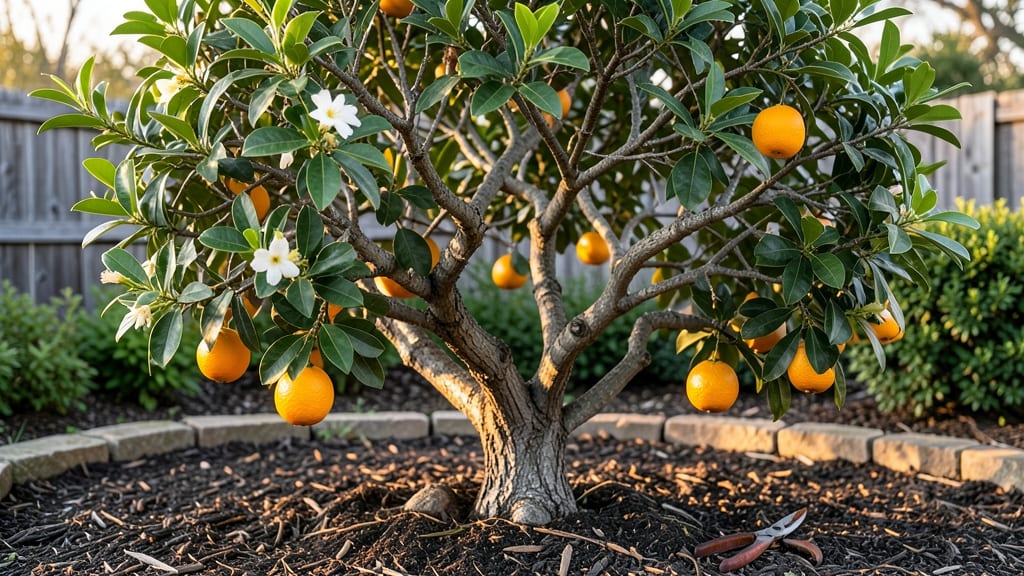
The orange palm tree’s lush branches need strategic pruning to keep them strong and productive—especially when you want year-round fruit. I’ve pruned mine for five seasons, and the difference between a neglected palm and one bursting with oranges is all in the cuts you make.
The right approach prevents dead fronds while encouraging new growth where it matters most.
You’ll need just a few tools: sharp pruning shears, a ladder (for taller palms), and a disinfectant spray to prevent disease spread. The process takes about 30 minutes per tree, and timing matters—spring is ideal, but you can prune lightly year-round if needed.
Focus on removing only the dead or damaged fronds first; the rest is about shaping for airflow and sunlight.
After pruning, your palm will reward you with shinier green fronds and more fruit clusters forming at the base. The branches grow thicker, and the tree’s energy shifts from maintaining old growth to producing new oranges.
Just avoid cutting into the trunk or removing more than a third of the fronds at once—this is how you keep your palm thriving, not stressed.
This method works for both in-ground palms and container-grown varieties, though potted palms may need smaller adjustments. If you’re in zones 9–11, you can prune year-round, but always check for pests or disease before cutting. Let’s get those branches looking strong and fruitful!
📚 In This Guide
- What you need
- Instructions
- Tips and common mistakes
- Wrapping up and next steps
What you need
- ● Pruning shears: Bypass pruners (for small branches, 2-4 inches thick). Choose sharp, stainless-steel blades to avoid crushing and ensure clean cuts.
- ● Loppers: A pair with a long handle (24-36 inches) for thicker branches (4-6 inches in diameter). Look for ratcheting or bypass designs for ease of use.
- ● Pruning saw: A folding or curved-bladed saw for branches thicker than 6 inches. Opt for a fine-tooth blade to prevent tearing.
- ● Safety gear: Heavy-duty work gloves (cut-resistant, like those rated ANSI A3/A4).
- ● Safety goggles to protect against debris.
- ● Long sleeves and pants (lightweight, breathable fabric).
- ● Ladder or lift: A stable, extendable ladder (20-30 feet tall) or a cherry picker if your tree is tall. Ensure it’s rated for your weight and the tree’s height.
- ● Disinfectant: A 70% isopropyl alcohol or bleach solution (1 part bleach to 9 parts water) to sterilize tools and prevent disease spread.
- ● Heavy-duty trash bags: For collecting pruned branches and debris. Aim for 30-50 gallon capacity to handle larger volumes.
- ● Rope or harness: A secure climbing harness if you’re working at significant heights (15+ feet). Always use with a safety line tied to a sturdy anchor.
- ● Hand truck or wheelbarrow: For hauling heavy branches away from the tree.
- ● Tree wound dressing: Pruning sealant (controversial but useful for large cuts to prevent infection).
- ● Extension pole: A 3-5 foot telescoping pole with a saw or pruner attachment for high branches.
- ● Camera or phone: To document the tree’s condition before/after pruning (great for tracking progress!).
- ● First-aid kit: Just in case—include bandages, antiseptic wipes, and tweezers for minor injuries.
Step-by-step guide to pruning your orange palm tree
Pruning an orange palm tree isn’t just about shaping—it’s about encouraging healthier fruit production and stronger growth. Here’s how I do it safely and effectively.
Identify and Remove Dead or Diseased Fronds
Start by inspecting your palm from the ground up. Look for fronds that are brown, brittle, or hanging limp—these are dead or dying. I always begin with the oldest, outermost fronds because they’re the least productive and can harbor pests or diseases. Use clean, sharp pruning shears or a pruning saw to cut these fronds at their base, about 1 inch above the trunk.
Next, check for fronds with yellowing or blackened patches—signs of disease or infestation. Remove these immediately to prevent spread. If a frond is only partially damaged, trim away only the affected sections, leaving as much healthy foliage as possible. This step keeps your palm tree healthy and prevents energy drain from nonproductive growth.
Thin Out Overcrowded or Weak Fronds
Orange palm trees produce fruit on the underside of their fronds, so you’ll want to maintain a balance between growth and fruit-bearing capacity. Focus on fronds that are growing too close together or are weak and spindly. These can block sunlight and air circulation, which reduces fruit quality and increases disease risk.
Use your pruning tools to carefully cut back any fronds that are overlapping or growing in a way that restricts airflow. Aim to leave 3-5 healthy, evenly spaced fronds per section of the tree. This doesn’t mean you’re pruning aggressively—just enough to allow sunlight to reach the center of the tree and encourage even growth. Watch for fronds that are growing at odd angles or appear stunted; these are often the first to go.
Prune for Fruit Production and Shape
This is where you fine-tune your palm tree for better fruit yield. Look for fronds that are producing fruit but are also blocking light from reaching lower fronds. These can be pruned back slightly to open up the canopy. I like to leave the fruit clusters intact but trim any excess frond material that’s shading the lower parts of the tree.
For shaping, focus on maintaining a natural, balanced look. Avoid cutting back more than one-third of the fronds at a time, as this can stress the tree. If you’re pruning to encourage new growth, target the oldest fronds first—they’re the least likely to produce fruit and can be removed without harming your harvest. Always step back and assess the tree’s shape after each cut to ensure it looks balanced and healthy.
Bonus: Clean Up and Monitor
After pruning, gather all the cut fronds and dispose of them properly. Burning or composting them prevents pests or diseases from spreading back to your tree. Once the cleanup is done, keep an eye on your palm tree over the next few weeks. You should see new fronds emerging from the center, indicating healthy regrowth.
If you notice any unusual wilting, discoloration, or pest activity after pruning, address it immediately. A well-pruned orange palm tree should reward you with stronger branches, better air circulation, and—most importantly—more fruit. This is the time of year to give your tree the care it needs for a bountiful harvest.
Tips & tricks for perfect orange palm tree pruning
Here’s what nobody tells you about pruning your orange palm tree—these tricks make all the difference for long-term health and fruit production.
Timing is Everything: The best time to prune is during the tree’s active growing season, typically late spring or early summer. This timing ensures your palm can recover quickly and focus energy on new growth rather than healing wounds. Avoid pruning during winter or drought—your tree needs resources to support regrowth, and cold or dry conditions stress it further.
Tool Selection Matters: Never use dull or rusty tools—they can tear fronds and create jagged cuts that invite disease. Invest in clean, sharp pruning shears or a pruning saw for larger fronds. After each cut, disinfect your tools with rubbing alcohol to prevent cross-contamination between healthy and diseased sections of the tree.
Visual Cues for Healthy Pruning: In Step 2, when thinning fronds, look for the "V" shape where the frond attaches to the trunk. Cut just above this point to avoid damaging the tree’s vascular system. Healthy fronds should feel firm when gently squeezed and have a vibrant green color. If you’re unsure whether to remove a frond, step back and observe how it affects sunlight exposure—your goal is to create an open, airy canopy.
Seasonal Follow-Up: After pruning, monitor your tree for new fronds emerging from the center. This is a good sign! If you notice yellowing or browning at the base of new fronds, it’s a sign of over-pruning. In future pruning sessions, aim to remove no more than one-third of the fronds at a time, as instructed in Step 3, to avoid stressing the tree.
Pro Tips for Orange Palm Tree
- Here’s what nobody tells you about pruning your orange palm tree—these tricks make all the difference for long-term health and fruit production.
- Timing is Everything: The best time to prune is during the tree’s active growing season, typically late spring or early summer.
- Tool Selection Matters: Never use dull or rusty tools—they can tear fronds and create jagged cuts that invite disease.
Frequently asked questions
When is the best time to prune an orange palm tree?
The ideal time is late winter or early spring (before new growth starts) to avoid stressing the tree during hot months. Avoid pruning during fruit-bearing season (fall/winter) to protect your harvest. If you must prune outside this window, do it on a cool, overcast day to reduce shock.
What if I see brown or dead fronds after pruning?
Brown fronds are normal—it’s the tree’s way of shedding old growth. However, if more than 25% of fronds turn brown or yellow or the tree oozes sap, you may have over-pruned. Solution: Reduce future cuts to 10-20% of the frond and fertilize with potassium-rich soil to aid recovery.
Will pruning my orange palm tree reduce fruit production?
Not if done correctly! Pruning only dead or overcrowded fronds (never more than 1/3 of the tree’s height) can increase airflow, reducing disease and boosting fruit quality. Avoid cutting flowering stalks—these are crucial for next year’s harvest.
Can I use regular pruners or do I need specialty tools?
For small branches (1-inch diameter), bypass pruners work fine. For thicker fronds or trunks, use a pruning saw or pole saw (rent one if needed). Pro tip: Sterilize tools with rubbing alcohol between cuts to prevent fungal spread.
How do I know if my orange palm tree is over-pruned?
Watch for these red flags:
- No new fronds for 3+ months after pruning.
- Wilting or drooping leaves (sign of dehydration).
- Excessive sap or blackened cuts.
Bonus Tip: Should I wear gloves when pruning?
Yes!
Orange palm fronds have sharp serrated edges that can cause painful cuts. Wear heavy-duty gardening gloves and long sleeves to protect against sap irritants and UV rays.
Wrapping up and next steps
Pruning your orange palm tree isn’t just about keeping it tidy—it’s a game-changer for healthier growth, more abundant fruit, and a stunning landscape. 🌿 With the right tools, timing, and techniques, you’ll unlock year-round harvests and a tree that thrives for decades.
Whether you’re a seasoned gardener or just starting, remember: small, consistent efforts yield big rewards!
Ready to take action? Grab your pruners, mark your calendar for late winter or early spring, and give your orange palm tree the TLC it deserves. Your future self—and your fruit bowl—will thank you! 🍊✨