
Pruning
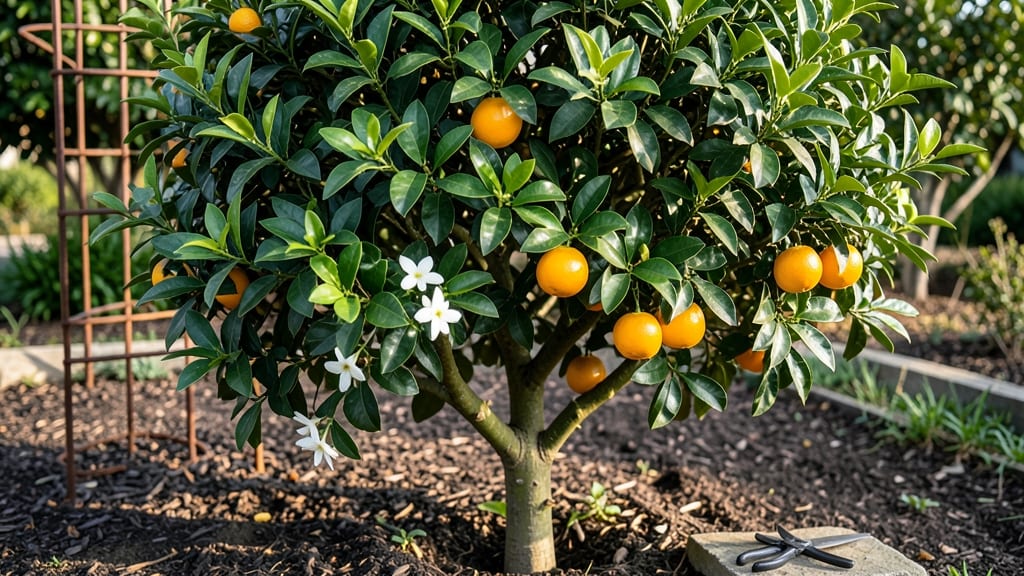
That orange lime tree in your backyard isn’t just a pretty face—it’s a sun-drenched powerhouse waiting for the right cuts to unleash its full potential. 🌿 I’ve watched this tree go from tangled limbs to a lush, fruit-bearing beauty after mastering just three strategic pruning moves, and the difference is night and day.
The key? Timing, sharp tools, and knowing where to stop before you strip it bare.
You’ll need a pair of clean, bypass pruners, a ladder (if branches are high), and a clear morning when the tree is dry—no soggy wood that snaps unpredictably.
The goal is to open up the center for airflow, shape the canopy to catch more sunlight, and encourage new growth where the fruit forms. Most people over-prune, so we’ll focus on removing only 20-30% of the foliage at a time, especially in late winter before new shoots emerge.
What you’ll end up with is a tree that produces bigger, sweeter fruit and fewer leggy branches struggling to support weight.
The first cuts thin out crowded growth, the second lifts up the canopy to let light reach the lower limbs, and the third—this is the secret—targets water sprouts that steal energy from the fruit.
By summer, you’ll see fresh green leaves pushing out where you made those cuts, and by harvest season, those branches will be heavy with bright, fragrant fruit.
This works best in USDA Zones 9-11, where frost isn’t a threat, but even in cooler climates, you can prune in late spring after the last frost date.
For container-grown trees, the same rules apply—just scale down the tools. Let’s get those branches in shape before the next growing season kicks in.
📚 In This Guide
- What you need
- Instructions
- Tips and common mistakes
- Wrapping up and next steps
What you need
- ● Pruning shears: Bypass pruners (for small branches, 4–6 inches) or loppers (for thicker branches, 8–12 inches). Must be sharp and sterilized!
- ● Hand pruners: Small, precision pruners (2–3 inches) for delicate cuts or tight spaces.
- ○ Pruning saw: For branches thicker than 2 inches (optional but handy for stubborn growth).
- ● Disinfectant: 70% isopropyl alcohol or a pruning sealant (like TreeHelp Wound Paint) to prevent disease.
- ● Gloves: Heavy-duty gardening gloves (cut-resistant if your tree has thorns!).
- ● Extension pole: A 3–6 ft. pole with a pruner attachment (if your tree is tall!).
- ● Timing: Prune during dormant season (late winter/early spring) or right after fruiting (avoid heavy pruning in summer!).
- ● Weather: Choose a dry, overcast day (no rain for 24 hours before/after pruning).
- ● Safety gear: Safety glasses (to shield from debris) and long sleeves/pants.
- ● Cleanup supplies: A bucket or trash bag for clippings and a broom for debris.
- ● Pruning paint: For sealing large cuts (diameter > ½ inch) to protect from pests.
- ● Tree growth regulator: Like Bonide Fruit & Citrus Tree Spray (if you notice overgrowth or pests).
- ● Notebook & pen: To sketch a pruning map of your tree’s structure before you start!
- ● Ladder: A sturdy, extension ladder (rated for your tree’s height + 3 ft. extra).
How to prune an orange lime tree for healthier growth
Here's how to shape your citrus tree with confidence—just three focused cuts make all the difference.
✂️ Step 1: Remove Dead or Diseased Branches First
Start by inspecting your tree from top to bottom. Look for branches that are brown, brittle, or covered in black spots—these are your first targets. Dead wood won't regrow, and diseased branches can spread problems to healthy parts of the tree. Use clean, sharp pruning shears to cut these branches back to the main trunk or a healthy lateral branch.
Make your cuts at a 45-degree angle, about ¼ inch above a leaf node or outward-facing bud. This encourages new growth in the right direction. If you're unsure which branches are dead, gently scratch the bark with your fingernail—if it's green underneath, the branch is still alive.
✂️ Step 2: Thin Out Overcrowded or Crossing Branches
Next, focus on branches that are rubbing against each other or growing inward toward the center of the tree. These "crossing branches" compete for sunlight and nutrients, and they can create wounds that invite pests. Remove about one-third of the tree's total branches during this step—this opens up the canopy for better airflow and sunlight penetration.
When thinning, always cut back to a strong lateral branch or the main trunk. Avoid leaving stubs, as they can rot and attract insects. If you're pruning a young tree, you can be more aggressive with thinning to encourage a strong, open structure. For mature trees, take your time and remove only what's necessary to improve airflow.
✂️ Step 3: Shape the Tree for Balance and Fruit Production
Now it's time to shape your orange lime tree for optimal growth and fruit production. Focus on maintaining a rounded canopy with branches spaced evenly around the trunk. Start at the top and work your way down, cutting back branches that are growing too long or too close together. Aim to reduce the tree's height by no more than one-third in a single pruning session.
Pay special attention to branches that are growing horizontally—these produce the most fruit. If a branch is growing straight up, you can lightly trim the top to encourage it to spread out. Always make your cuts just above a leaf node or outward-facing bud to promote healthy new growth. Step back occasionally to check your progress and ensure the tree looks balanced.
Tips & tricks for pruning an orange lime tree
Here's what nobody tells you about pruning—these little details make all the difference between a healthy tree and one that struggles.
Tool Prep: Sterilize your pruning shears with rubbing alcohol before you start. I learned this the hard way after my first pruning session left my tree with fungal spots from contaminated tools. Clean shears also help prevent spreading any potential diseases between cuts. Sharp tools make cleaner cuts that heal faster, so take a minute to sharpen your blades if they feel dull.
Season Timing: The best time to prune your orange lime tree is in late winter or early spring, just before new growth begins. This gives your tree time to recover before the growing season kicks in. Avoid pruning during extreme heat or cold—your tree will be more stressed. If you must prune outside this window, do it on a mild day and water thoroughly afterward to help with recovery.
Visual Cue for Healthy Cuts: When making your cuts in Step 1, look for the "eye" of the branch—the outward-facing bud where new growth will emerge. This should be just above where you make your cut. If you're unsure, make a small test cut first to see where the bud is located. The ¼-inch clearance above the bud is crucial—it ensures new shoots grow in the right direction rather than back toward the trunk.
Post-Pruning Care: After you've finished pruning, give your tree a good drink of water to help it recover from the stress. You can also apply a balanced citrus fertilizer to support new growth. I've found that a light layer of mulch around the base helps retain moisture and keeps weeds at bay. Avoid heavy pruning in one session—stick to the one-third rule to prevent shocking your tree.
Pro Tips for Orange Lime Tree
- Here's what nobody tells you about pruning—these little details make all the difference between a healthy tree and one that struggles.
- Tool Prep: Sterilize your pruning shears with rubbing alcohol before you start.
- Season Timing: The best time to prune your orange lime tree is in late winter or early spring, just before new growth begins.
Frequently asked questions
Got questions about your orange lime tree? You’re not alone! Whether you're a first-time pruner or just want to keep your tree thriving, here are answers to the most common concerns—so you can confidently shape your citrus beauty.
When is the best time to prune an orange lime tree?
The ideal time is late winter or early spring (just before new growth starts). Avoid pruning in fall or winter in frost-prone areas—cold stress can harm exposed branches. For container-grown trees, prune after flowering (spring) to encourage fruiting. Pro tip: If you missed the window, light pruning in summer is better than nothing!
How much can I trim without harming the tree?
Never remove more than 25% of the canopy in one session. For young trees, limit cuts to healthy, outward-facing branches to maintain an open center. Over-pruning stresses the tree and reduces fruit production. If your tree looks "hairy" inside, focus on thinning 1-2 branches per year to improve airflow.
Will pruning affect my orange lime tree’s fruit production?
Pruning can boost fruit quality! Removing crowded or dead branches redirects energy to healthier blooms and fruit. However, avoid heavy pruning during fruiting season—wait until harvest is complete. For container trees, prune lightly to prevent overcrowding, which can lead to smaller, less flavorful fruit.
What should I do if my tree’s branches look yellow or mushy after pruning?
Yellowing or oozing cuts signal fungal infection or sap oozing. To fix it:
- Use sterilized pruners (rubbing alcohol or bleach solution) for all cuts.
- Apply pruning sealant (optional) to large cuts over ½ inch in diameter.
- Improve airflow by thinning dense branches to prevent future issues.
Can I prune an orange lime tree in a pot the same way as one in the ground?
Yes, but with extra caution! Container trees have limited root space, so prune 10-15% less aggressively than ground-grown trees. Focus on:
- Removing dead or crossing branches first.
- Avoiding cuts near the trunk (container trees are more sensitive to stress).
- Watering deeply post-pruning to help recovery.
Wrapping up and next steps
Pruning your orange lime tree isn’t just about keeping it tidy—it’s the secret to unlocking its full potential! 🌿 With the right cuts, you’ll encourage vibrant fruit production, better airflow, and a stronger structure. Remember, timing and technique matter, so take your time and observe your tree’s response.
Ready to give your citrus tree the care it deserves? Start small—pick one pruning session and focus on mastering those three strategic cuts. Before you know it, you’ll be a citrus-pruning pro, and your tree will thank you with luscious, juicy fruit! 🍊✨
- Next step: Grab your tools and schedule your first pruning session during the dormant season (winter or early spring).
- Pro tip: Snap a photo of your tree before and after pruning to track its progress over time!