
Pruning
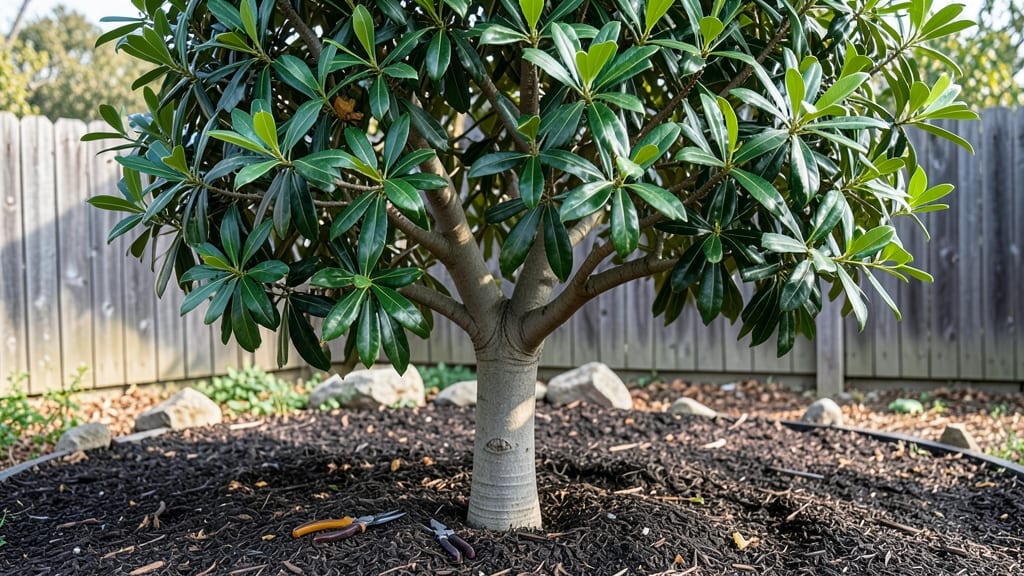
Growing a Nabal avocado tree means harvesting thick-skinned, buttery fruit perfect for slicing—if you master its pruning rhythm. 🌿 I learned the hard way that this variety needs a structured approach to avoid overloaded branches that snap under weight.
The secret lies in three key pruning sessions: winter shaping, spring growth control, and summer harvest prep.
This variety thrives in USDA zones 9-11 where frost never touches it, but even in cooler climates, container growing works. Nabal trees demand well-draining soil (think sandy loam mixed with compost) and full sun—at least 6-8 hours daily.
The real magic happens when you prune to open the canopy, letting sunlight reach all fruit while keeping branches strong enough to support heavy loads.
By following this seasonal blueprint, you’ll end up with a tree that produces consistent, high-quality fruit year after year. The first harvest arrives in 2-3 years for grafted trees (longer for seed-grown), but the payoff—juicy, creamy avocados—makes every trim worth it. Ready to transform your backyard into an avocado orchard?
Whether you’re starting from a nursery tree or propagating your own from seed, the pruning principles stay the same. Nabal’s unique strength lies in its disease resistance and cold tolerance compared to other varieties, making it the smart choice for home growers. Let’s get those branches in shape!
📚 In This Guide
- What you need
- Instructions
- Tips and common mistakes
- Wrapping up and next steps
What you need
- ● Pruning shears: Bypass-style (for clean cuts), 10-12" size (for medium branches). Sterilize with rubbing alcohol between cuts to prevent disease.
- ● Loppers: 16-20" size (for thicker branches, up to 1.5" diameter). Look for ratcheting or bypass blades for precision.
- ● Pruning saw: Curved-tooth (for branches 2"+ in diameter). A folding saw is handy for tight spaces.
- ● Gloves: Heavy-duty, cut-resistant (e.g., mechanics’ or pruning gloves) to protect against thorns and sap.
- ● Disinfectant: 70% isopropyl alcohol or bleach solution (1 part bleach : 9 parts water) for sterilizing tools.
- ○ Sealing wax or pruning paste: Optional but recommended for large cuts (>2") to prevent disease entry.
- ● Ladder: Sturdy, extendable (height depends on tree size; 12-20 ft is typical for mature Nabal trees). Use a ladder stabilizer for safety.
- ● Tarp or drop cloth: Medium-sized (to catch debris and protect the ground).
- ● Trash bags: Heavy-duty, 30+ gallon size (for hauling pruned branches).
- ● Weather check: Prune on a dry, overcast day (avoid wet or windy conditions). Morning pruning is ideal to reduce stress on the tree.
- ● Safety gear: Safety glasses (to shield from debris) and closed-toe shoes (avocado trees have thorns!).
- ● Tree assessment: Study your tree’s structure beforehand. Sketch a rough map of branches to remove for clarity.
- ● Water source: Hose or bucket (to clean tools and rinse sap off cuts if sealing).
- ○ First-aid kit: Optional but smart (for sap burns or minor cuts). Keep a damp cloth handy to wipe sticky sap.
Step-by-Step pruning guide for Nabal avocado trees
Mastering seasonal pruning transforms your avocado tree from a scraggly sapling into a fruit-bearing powerhouse.
✂️ Step 1: Winter Pruning for Structural Foundation
Start in late winter when the tree is dormant but before new growth begins. Your goal is to establish a strong framework by removing dead, diseased, or crossing branches—these compete for energy and invite pests. I always begin at the base, working my way upward to avoid missing any hidden issues.
Use clean, sharp pruning shears to make cuts at a 45-degree angle just above an outward-facing bud. This encourages new growth to angle away from the center, improving airflow and sunlight penetration. For larger branches, I switch to a pruning saw—never leave stubs, as they invite fungal infections.
Here's the thing—you'll want to prune back 15-20% of the total canopy in winter. This might seem aggressive, but avocado trees respond beautifully to strategic cuts. Watch for sap bleeding at the cut edges; this is normal and will stop within a few hours.
☀️ Step 2: Summer Light Pruning for Fruit Development
Mid-summer is when your tree needs light maintenance to balance fruit production and foliage growth. Focus on removing suckers (those vigorous shoots sprouting from the trunk or main branches) and water sprouts (thin, vertical growth). These steal energy from fruit development.
I make these cuts on a dry, overcast day to minimize stress. For suckers, snip them at the base with shears—never leave any stub. For water sprouts, prune back to a side branch or bud. You'll notice the remaining branches thicken slightly as the tree redirects energy toward fruit production.
This is the moment that matters: thin out clusters so only 1-2 avocados remain per stem. Overcrowded fruit leads to small, poor-quality harvests. Use your fingers to gently twist off excess fruit—no need for tools here. You'll see new flower buds forming within 4-6 weeks if you've pruned correctly.
🌿 Step 3: Post-Harvest Pruning for Airflow and Renewal
After your main harvest season (typically late fall to early winter), give your tree a final light pruning to prepare for dormancy. Remove any dead or dying branches first—these are easy to spot as they're brown, brittle, or lack leaves. Then, trim back overly dense areas to improve airflow.
For larger branches, I make cuts just outside the branch collar (the swollen area where the branch meets the trunk). This ensures the tree can seal the wound naturally. Avoid heavy pruning now—you're not shaping the tree but rather cleaning up to reduce disease risk during winter.
Real talk: your tree will look a little bare after this final pruning, but that's intentional. The open structure prevents fungal diseases like root rot and allows sunlight to reach the lower branches. You'll see new growth flush in late winter, signaling the cycle begins anew.
Tips & tricks for perfect Nabal avocado tree pruning
Between us, avocado trees don't just like pruning—they thrive on it when done right. Here's how to elevate your tree's health and fruit production beyond the basics.
Timing is Everything: The late winter window for Step 1 is critical—aim for just before buds begin to swell. If you prune too early, you risk frost damage; too late, and you'll disrupt spring growth. I've learned this the hard way after seeing new shoots emerge only to get nipped by unexpected cold snaps. For summer pruning in Step 2, wait until after flowering but before fruit sets completely—this balances energy between foliage and fruit development.
Tool Precision Matters: Your pruning shears and saw should be sharper than your focus during Step 1. Dull tools crush stems instead of cleanly cutting, which invites disease. I keep a small bottle of rubbing alcohol handy to wipe blades between cuts—this prevents cross-contamination between branches. For larger branches, make your initial cut just outside the branch collar, then follow with a second cut to avoid tearing the bark.
Canopy Math: That 15-20% reduction in Step 1 might seem arbitrary, but it's based on real growth patterns. Start by removing the most obvious problem branches first, then work inward. I use a simple tape measure to track canopy diameter before and after pruning—this visual helps me stay within the target range. Remember, avocado trees respond best to gradual changes; don't be tempted to over-prune in one session.
Seasonal Visual Cues: In Step 2, look for clusters where fruit is growing in tight groups—these are your targets for thinning. The goal is to leave 1-2 avocados per stem with at least 6 inches between them. I've found that fruit left too close together competes for nutrients, resulting in smaller, less flavorful avocados. After thinning, you should see new flower buds appearing within 4-6 weeks if your tree is healthy.
Pro Tips for Nabal Avocado Tree
- Between us, avocado trees don't just like pruning—they thrive on it when done right.
- Timing is Everything: The late winter window for Step 1 is critical—aim for just before buds begin to swell.
- Tool Precision Matters: Your pruning shears and saw should be sharper than your focus during Step 1.
Frequently asked questions
When is the best time to prune a Nabal avocado tree for heavy fruit loads?
The Nabal avocado tree thrives with a 3-season pruning blueprint: light pruning in late winter ( before new growth starts), mid-summer to thin out dense branches ( after flowering), and minimal shaping in early fall. Avoid heavy pruning in spring—this can stress the tree and reduce fruit set. Pro tip: Focus on opening the canopy for airflow and sunlight to prevent disease and improve fruit quality.
How long does it take for a Nabal avocado tree to bear fruit after planting?
Patience is key! A Nabal avocado tree typically takes 3–5 years to bear fruit from seed, but grafted trees (like those from nurseries) can produce fruit in as little as 2–3 years under ideal conditions. Factors like soil quality, water, sunlight, and proper pruning speed up the process. If your tree isn’t fruiting after 5 years, check for pests, nutrient deficiencies, or over-pruning.
What’s the difference between pruning for shape vs. pruning for fruit production?
Pruning for shape focuses on removing dead, crossing, or weak branches to create an aesthetically pleasing, open canopy ( think: vase or modified central leader shape). Pruning for fruit production, however, prioritizes removing dense growth to improve sunlight penetration and airflow, which boosts flowering and fruit development. For Nabal trees, thinning out water sprouts and shortening overlong branches is key to heavy yields.
My Nabal avocado tree isn’t fruiting—what could be wrong?
Several factors might be holding back your tree’s fruit production. Check for:
- Lack of pollination: Nabal trees are self-pollinating, but cross-pollination with other varieties (like Hass or Reed) can improve yields.
- Over-pruning: Heavy cuts in spring can delay flowering. Stick to the 3-season approach!
- Nutrient deficiencies: Yellow leaves? Test soil for zinc, magnesium, or nitrogen—common issues in avocado trees.
- Pests/disease: Watch for avocado lace bugs, root rot, or fungal infections (like anthracnose).
If the problem persists, consult a local arborist or extension service for a diagnosis.
Can I grow a Nabal avocado tree in a container, or does it need to be planted in the ground?
Yes! Nabal avocado trees can thrive in large containers (15+ gallons) for 2–3 years, especially in colder climates or urban settings. Use well-draining soil, a pot with drainage holes, and fertilize regularly. However, permanent planting in the ground is ideal for long-term growth and heavy fruit production. If container-grown, move the tree outdoors in spring and bring it inside (or protect from frost) in winter.
Wrapping up and next steps
Growing a nabal avocado tree with a heavy fruit load is entirely achievable with the right pruning strategy! By following this 3-season blueprint, you’ll ensure your tree stays healthy, productive, and well-balanced—while avoiding common pitfalls like overburdening branches or disease risks. 🌱
Now that you’re armed with the knowledge, it’s time to roll up your sleeves and put your plan into action. Start by scheduling your first pruning session in the next dormant season—your tree will thank you with bountiful harvests for years to come!