
Pruning
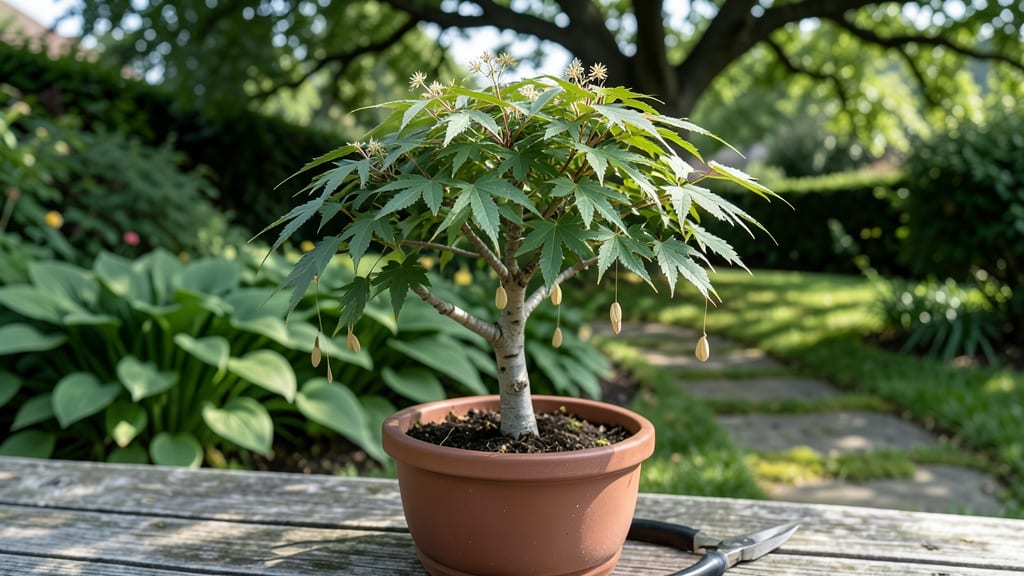
Growing a miniature Japanese maple tree is like bringing a living painting into your garden—its delicate foliage dances through seasons with just three simple trims a year. 🌿 I remember the first time I saw one in a neighbor’s yard: the way its leaves blushed from chartreuse to fiery red by autumn, all while staying compact enough for even a small patio.
The secret isn’t complicated—it’s about understanding its natural shape and giving it just enough attention to thrive.
These little powerhouses love morning sun and afternoon shade, which protects their tender leaves from scorching. Well-draining soil is non-negotiable—think 50% organic matter, 50% gritty mix—and watering should be consistent but never soggy.
Most beginners overwater, thinking the tree needs constant moisture, but miniature maples actually prefer their roots to dry out slightly between waterings. That’s how you avoid the dreaded leaf scorch that ruins their delicate color.
With the right care, your tree will reward you with year-round interest: vibrant spring foliage, summer shade, and autumn flames that last until winter.
The three simple trims—one in late winter, one after spring flush, and one light touch in summer—keep it shaped like nature intended, without the fuss. Imagine sipping coffee under its canopy, watching the leaves shift colors while your neighbors stare at their bare winter branches.
Works in containers or planted beds, for sunny patios or shaded corners—just match the variety to your climate. Dwarf ‘Mikawa Yatsubusa’ stays under 3 feet, while ‘Emperor I’ tops out at 6 feet.
The key is patience: these trees grow slowly but live for decades. Here’s how to give yours the perfect start—and keep it stunning for years to come.
📚 In This Guide
- What you need
- Instructions
- Tips and common mistakes
- Wrapping up and next steps
What you need
- ● Miniature Japanese Maple Tree: Choose a dwarf variety (e.g., ‘Mikura-zakura’ or ‘Bloodgood’) or a pre-pruned bonsai-style specimen (3–6 ft tall).
- ● Pruning Shears: Bypass shears (sharp, 5–7” blades) for clean cuts on small branches.
- ● Concave Cutter: For larger branches (¼”+ diameter) to promote faster healing.
- ● Rubbing Alcohol (70%+) & Lint-Free Cloth: Sterilize tools between cuts to prevent disease.
- ○ Pruning Sealant (Optional): Wound dressing (e.g., Tanglefoot Tree Wound Pruning Seal) for cuts over ½” thick.
- ● Gloves: Lightweight, breathable garden gloves to protect from thorns and sap.
- ● Water Spray Bottle: Mist leaves post-pruning to reduce stress.
- ● Twine or Zip Ties: For supporting branches during recovery (if needed).
- ● Loppers (Backup): For stubborn branches (if your tree has thicker limbs).
- ○ Pruning Paint (Optional): For sealing larger cuts on mature trees (e.g., Dutch Boy Advanced Polymer Paint).
- ● Notebook & Pen: Track pruning dates, cuts, and growth notes for consistency.
- ● Late Winter (Dormant Season): Best for structural shaping (❄️).
- ● Early Spring: Remove dead/diseased wood before new growth (🌸).
- ● Summer (Light Trimming): Thin foliage for airflow (☀️).
- ● Fall (Minimal): Only prune to prep for winter (🍁).
How to maintain a miniature Japanese maple tree with 3 simple trims
These three seasonal cuts keep your tree lush, healthy, and perfectly proportioned—no advanced skills needed.
🌿 Step 1: Early Spring Cleanup (Late February to Early March)
Start by removing any dead, damaged, or crossing branches with sharp, clean pruning shears. I always make cuts just above a bud or leaf node at a 45-degree angle—this prevents water from pooling and rotting the wound. Look for branches that rub against each other or grow inward; these compete for sunlight and weaken the tree's structure.
Thin out about 20% of the total branches to improve airflow and light penetration. Focus on the outer canopy first—this encourages new growth at the edges, keeping your tree full and balanced. If you see any branches with signs of disease (black spots, oozing sap), prune those out immediately and sterilize your shears with rubbing alcohol between cuts.
☀️ Step 2: Summer Shape Refining (June to Early July)
This is when you fine-tune the shape you established in spring. Step back and observe your tree from all angles—you're looking for symmetry and the natural silhouette of the species. Use hand pruners to trim back any overgrown branches by about one-third of their length, cutting just above a leaf or bud that faces outward.
Pay special attention to branches growing straight up or outward—these can make the tree look unbalanced. Pinch off new growth at the tips of branches to encourage bushier, more compact growth. Real talk: if you see a branch growing toward a window or light source, it's begging for a trim to redirect its energy inward. Water the tree deeply after pruning to help it recover.
✂️ Step 3: Late Fall Preparation (October to Early November)
Your final trim of the year focuses on removing any branches that grew too vigorously during summer. Look for branches that are thinner than a pencil or those that have lost most of their leaves—these are candidates for removal. Cut back to just above a healthy bud or leaf node, and avoid leaving stubs longer than 1/4 inch.
This is also the time to remove any suckers or water sprouts that appear at the base or along the trunk. These compete with the main structure for nutrients and weaken the tree. After pruning, apply a light layer of mulch (about 2-3 inches) around the base, keeping it 3-4 inches away from the trunk to prevent rot. This protects the roots over winter and keeps the soil moist.
Tips & tricks for perfect miniature Japanese maple tree maintenance
These simple yet game-changing tips will help you keep your miniature Japanese maple looking stunning with minimal effort.
Tool Preparation: Always sterilize your pruning shears between cuts, especially when removing diseased branches. I use rubbing alcohol on a clean cloth—this prevents spreading pathogens to healthy parts of the tree. For Step 1's early spring cleanup, I also recommend sharpening your shears first. Dull blades tear tissue instead of making clean cuts, which slows healing and invites infection. A quick test: if your shears struggle to cut through a piece of paper cleanly, they need sharpening.
Seasonal Timing Secret: The specific months matter more than exact dates for these seasonal trims. Late February to early March marks when your tree's dormant buds are just starting to swell—this is when it's most resilient. For Step 2 in summer, wait until after the June solstice when growth has slowed slightly post-flush. In Step 3, aim for early November before the first hard frost. I've found that trimming just before winter dormancy helps the tree allocate energy to root growth rather than new shoots.
Visual Pruning Technique: When refining shape in Step 2, I use the "third rule" method: never remove more than one-third of any branch's length in a single cut. This maintains the tree's natural structure while encouraging bushier growth. For Step 3's fall prep, focus on creating an open center—this improves light penetration to the inner canopy. Think of it like thinning a haircut: you want to see light through the middle when looking from above.
Pro Tips for Miniature Japanese Maple Tree
- These simple yet game-changing tips will help you keep your miniature Japanese maple looking stunning with minimal effort.
- Tool Preparation: Always sterilize your pruning shears between cuts, especially when removing diseased branches.
- Seasonal Timing Secret: The specific months matter more than exact dates for these seasonal trims.
Frequently asked questions
How often should I trim my miniature Japanese maple?
Trim your miniature Japanese maple twice a year—once in early spring (just before new growth) and again in late winter (to shape for spring). Light pruning between seasons helps maintain its delicate form without stressing the tree. Avoid heavy cuts in fall or summer, as this can encourage weak growth.
Can I keep a miniature Japanese maple indoors?
While they thrive outdoors, miniature Japanese maples can live indoors short-term (e.g., during harsh winters). Place them near a bright, indirect light source (like an east-facing window) and mist leaves daily. For long-term health, transplant them back outdoors in spring—indoor life can cause leaf drop or stunted growth.
What’s the best way to prune dead or diseased branches?
Use sterilized pruners to cut dead/diseased branches at a 45-degree angle, just above a healthy bud or node. Remove no more than 20% of the foliage at once to avoid shock. Dispose of infected branches immediately—never compost them to prevent spreading disease.
How do I protect my miniature Japanese maple from pests?
Pests like spider mites or aphids love these trees! Prevent issues by keeping the soil moist (not soggy) and inspecting leaves weekly. For mild infestations, spray with neem oil (diluted per label). Severe cases may need insecticidal soap—always test a small area first to avoid leaf burn.
What’s a good alternative if I can’t grow a miniature Japanese maple?
If climate or space is a challenge, consider these low-maintenance alternatives:
- Dwarf Korean Maple – Cold-hardy and compact.
- Japanese Boxwood – Evergreen and easy to shape.
- Dwarf Fothergilla – Fragrant spring blooms, similar care.
Wrapping up and next steps
Transforming your space with a miniature Japanese maple tree is a rewarding journey—one that blends artistry, patience, and a touch of nature’s elegance. 🌿 With just three simple trims a year, you can keep its delicate branches lush, its form refined, and its beauty timeless.
Whether you’re a seasoned gardener or a curious beginner, these techniques make maintenance effortless and the results breathtaking.
Ready to elevate your outdoor (or indoor!) sanctuary? Grab your pruners, dust off those gloves, and give your tree the care it deserves. Start with your first trim this season—your future self (and your tree!) will thank you. 🌸