Pruning
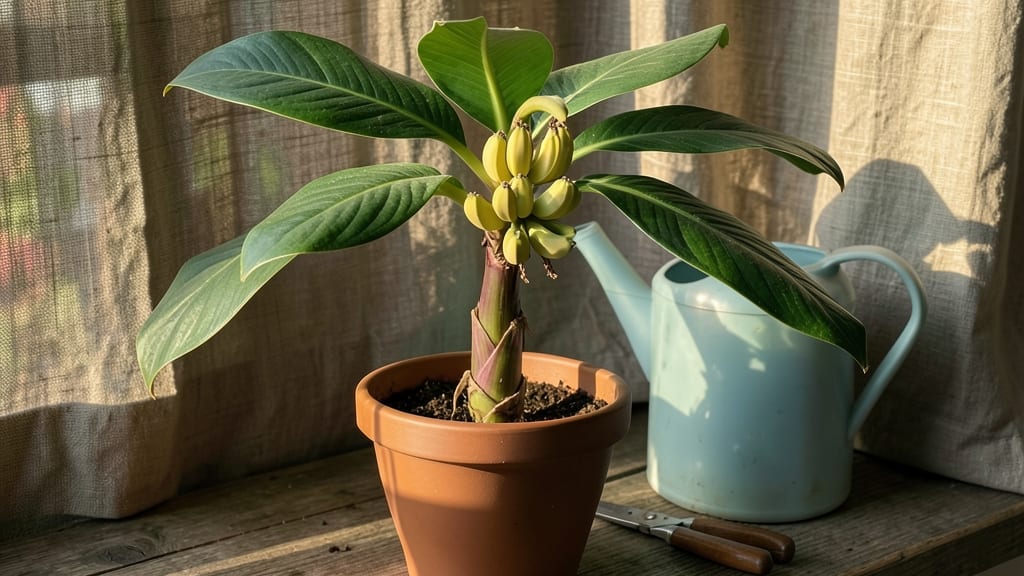
Growing a mini banana tree indoors or in containers is like bringing a tropical vacation home—just without the baggage fees. 🌿 These dwarf varieties, like the 'Dwarf Cavendish,' thrive in pots and produce edible bananas you can actually eat (yes, really).
The secret isn’t just sunlight and water—it’s mimicking their natural habitat in a way that keeps them compact and productive.
You’ll need a 10- to 15-gallon pot, well-draining soil mixed with compost, and a spot that gets 6+ hours of bright, indirect light daily. Overwatering is the #1 killer, so let the top 2 inches of soil dry out between waterings.
Feed them every 4-6 weeks with a balanced fertilizer during growing season, and watch those leaves unfurl like a slow-motion time-lapse.
By summer, you’ll see those signature banana-shaped leaves emerging, followed by actual fruit—tiny but sweet, perfect for snacking or baking. The best part? These trees stay under 6 feet tall, making them ideal for patios, balconies, or even sunny windowsills.
Just be patient; it takes 12-18 months for the first harvest, but the wait is worth it.
Troubleshooting is easy once you know the signs: yellow leaves mean too much water, brown tips mean dry air, and slow growth often points to low light.
With the right care, your mini banana tree will reward you with year-round tropical vibes and a harvest that’s surprisingly satisfying. Ready to get started?
📚 In This Guide
- What you need
- Instructions
- Tips and common mistakes
- Wrapping up and next steps
What you need
- ● Mini banana tree (dwarf variety): Choose a healthy, potted plant (3–5 ft tall) from a nursery or online retailer. Look for Musa acuminata or hybrid cultivars like Dwarf Cavendish.
- ● Well-draining potting mix: A blend of 60% peat moss or coconut coir, 30% perlite or pumice, and 10% compost (5+ gallons per pot). Avoid heavy garden soil!
- ● Container with drainage holes: A 15–25 gallon pot (minimum 18" diameter) for mature plants. Use fabric grow bags or plastic pots with drainage.
- ● Slow-release fertilizer: A balanced 10-10-10 or 12-12-17 NPK blend (organic options like fish emulsion or worm castings work too).
- ● Pruning tools: Sharp bypass pruners (for small stems)
- ● Clean hand pruners or loppers (for thicker stems, up to 1" diameter)
- ● Disinfectant (70% rubbing alcohol or bleach solution)
- ● Support system: A 3–5 ft bamboo stake or trellis (for training the trunk and bunches).
- ● Garden gloves: Protect your hands from sap and sharp edges.
- ● Hose with adjustable nozzle: For gentle watering (avoid overhead spraying).
- ● pH test kit: Keep soil pH between 5.5–6.5 (mini banana trees love slightly acidic soil!).
- ● Mulch (straw or wood chips): Retains moisture and regulates temperature.
- ○ Growth regulator (optional): Paclobutrazol (e.g., Bonzi) to control excessive height if indoors.
Step-by-step guide to cultivating your dwarf banana tree
Here's how to coax a thriving mini banana tree from a nursery plant—with no tropical climate required.
🪴 Step 1: Select and Prepare the Right Container
Choose a container at least 12-15 inches deep with drainage holes—banana trees hate soggy feet. I opt for unglazed ceramic pots because they wick away excess moisture while retaining warmth. The wider the diameter, the better, since dwarf varieties spread roots aggressively. Fill the bottom 3 inches with orchid bark mix to improve drainage and prevent compaction.
Here's the thing—dwarf banana trees need space to grow, so avoid cramped pots. Your 4-inch starter plant will outgrow a 5-gallon container within a year. I always add a 1-inch layer of gravel at the bottom before the bark mix to create a secondary drainage layer. This prevents root rot, which is the #1 killer of indoor banana trees.
☀️ Step 2: Position for Maximum Light and Warmth
Place your dwarf banana tree in the brightest spot you have—ideally 6-8 hours of direct sunlight daily. A south-facing window works best, but if that's not available, supplement with a full-spectrum LED grow light kept 12-18 inches away for 14 hours daily. The leaves will tell you if it's enough light: deep green and upright means you're golden; yellowing or stretching means it's time to move closer to the light.
Keep temperatures between 70-85°F—these tropical babies won't tolerate drafts. I place mine near a heat source in winter (like a radiator) but ensure it's not too close to cause leaf scorch. Watch for brown leaf tips—that's your signal the air is too dry. A pebble tray with water underneath the pot helps maintain humidity without overwatering.
💧 Step 3: Master the Watering Schedule
Water when the top 2-3 inches of soil feel dry—stick your finger in to check. Overwatering is the silent killer of banana trees, so never let water pool in the saucer. I water deeply until it drains from the bottom, then empty the saucer immediately. The roots need oxygen as much as water, so soil should dry slightly between waterings—even dwarf varieties.
In summer, you might water every 3-4 days; in winter, every 7-10 days. The key is consistency: let the soil dry out completely between waterings. Yellowing leaves often mean overwatering, while crispy edges signal underwatering. Here's the trick—I water in the morning so any excess can evaporate during the day rather than sitting in the roots overnight.
🌿 Step 4: Fertilize for Fruit Production
Feed your dwarf banana tree monthly with a balanced liquid fertilizer (10-10-10 or 20-20-20) diluted to half-strength during spring and summer. I switch to a potassium-rich fertilizer (like 5-10-10) in late summer to encourage flower development. The goal is to mimic the tropical growing season—more nutrients when growth is active, less in winter.
Watch for new leaves emerging—that's your cue to fertilize. If you see yellowing between leaf veins, it's a classic sign of magnesium deficiency. In that case, I switch to a magnesium sulfate (Epsom salt) solution (1 tablespoon per gallon of water) every 2 weeks until the new growth looks healthy again. The key is never fertilizing a thirsty plant—always water first to avoid root burn.
✂️ Step 5: Prune and Support for Fruit Bearing
Remove any yellow or damaged leaves by cutting ½ inch above the leaf base with clean pruners. This keeps energy focused on new growth. When your tree reaches 4-5 feet tall, it's time to stake it—banana trees are top-heavy and need support. I use a bamboo stake tied loosely with soft twine to avoid damaging the trunk as it grows.
Here's where it gets exciting: flower stalks emerge from the center of the plant. If you want fruit, leave them alone—they'll grow into dramatic 6-foot-long pseudostems that eventually produce bananas. If you're not ready for fruit, you can cut the flower stalk at the base to redirect energy into foliage growth. Either way, never prune more than ⅓ of the plant at once—banana trees are sensitive to drastic changes.
Tips & tricks for perfect mini banana tree cultivation
Between us, these little tropical powerhouses thrive when you pay attention to their quirks—here's what nobody tells you about keeping them happy.
Container Upgrade: While the instructions call for a 12-15 inch deep pot, I've found that adding side drainage holes (about ½ inch in diameter) halfway up the sides helps prevent waterlogging in the lower roots. This mimics their natural environment where heavy rains drain quickly. For extra insurance, I use terracotta pots—they breathe better than plastic and help regulate moisture. The key is creating that perfect balance where roots get oxygen but never sit in soggy conditions.
Light Optimization: Those 6-8 hours of direct sunlight are non-negotiable, but here's the trick: rotate your pot quarter-turn weekly so all sides get even exposure. This prevents lopsided growth where the tree leans toward the light. In winter when daylight shrinks, I supplement with a grow bulb (not LED) placed 12 inches away for 2 extra hours daily—just enough to maintain photosynthesis without burning the leaves. Watch for purple tinges on new growth: that's your plant screaming for more light.
Watering Wisdom: The finger-check method works, but I've perfected this: use a wooden skewer instead of your finger—it's cleaner and gives you a better feel for moisture levels. When watering, pour slowly until it runs freely from the drainage holes, then wait 10 minutes before emptying the saucer. This ensures the orchid bark mix absorbs properly rather than just sitting on top. In winter, I reduce watering to every 10-12 days and check soil moisture by lifting the pot—if it feels light, it's time to water.
Fertilizer Timing: That monthly feeding schedule assumes perfect conditions, but real talk: in summer heat (above 85°F), I fertilize every 2 weeks with half-strength solution to prevent salt buildup. For the magnesium deficiency fix, I make a pre-diluted Epsom salt solution (1 tablespoon per gallon) and keep it in a spray bottle—just mist the soil surface when needed. The secret is always fertilizing after watering to avoid burning those delicate roots. I've ruined three banana trees by fertilizing dry soil, so don't make my mistake!
Pro Tips for Mini Banana Tree
- Between us, these little tropical powerhouses thrive when you pay attention to their quirks—here's what nobody tells ...
- Container Upgrade: While the instructions call for a 12-15 inch deep pot, I've found that adding side drainage holes ...
- Light Optimization: Those 6-8 hours of direct sunlight are non-negotiable, but here's the trick: rotate your pot quar...
Frequently asked questions
Got questions about growing your own mini banana tree?
You’re not alone! Here are answers to the most common queries to help you nurture a thriving dwarf banana plant with ease.
How long does it take for a mini banana tree to bear fruit?
A dwarf banana tree typically takes 12–18 months to produce its first fruit, depending on climate and care. Patience is key—ensure it gets plenty of sunlight (6+ hours daily) and well-draining soil. With consistent warmth (above 60°F), you’ll see those iconic banana bunches forming sooner!
Can I grow a mini banana tree indoors?
Yes, but with limitations! Dwarf varieties like ‘Dwarf Cavendish’ thrive indoors near bright, south-facing windows or under grow lights (12–14 hours/day). Use a pot with drainage holes, and keep temps above 65°F. Expect slower growth—outdoor plants yield faster and larger fruit.
How do I protect my mini banana tree from cold weather?
Dwarf banana trees are tender perennials—they die back in frost (below 30°F). Move potted plants indoors before winter or cover outdoor plants with burlap or frost cloth. Mulch the base to insulate roots. In Zone 9+, they may survive mild winters but need shelter during freezes.
Why aren’t my banana leaves turning green?
Yellowing or pale leaves often signal nutrient deficiency (especially potassium/magnesium) or over/under-watering. Check soil moisture—banana trees love consistently moist but not soggy soil. Feed with a balanced fertilizer (10-10-10) every 2–3 months. Yellow edges? Boost magnesium with Epsom salt!
Are mini banana trees safe for pets?
While banana trees aren’t toxic, the pseudo-stem (not true wood) can cause mild stomach upset if ingested. Keep pets away from chewed leaves or sap. Opt for pet-safe alternatives like ‘Lady Finger’ bananas (smaller, less appealing to curious pets) if you’re worried.
What’s the best dwarf banana tree alternative for small spaces?
If space is tight, try these low-maintenance dwarf varieties:
- ‘Dwarf Cavendish – Compact (6–10 ft), reliable fruit.
- ‘Red Dwarf – Vibrant red fruit, cold-hardy to 28°F.
- ‘Ice Cream’ banana – Edible flowers, sweet fruit, great for containers.
Wrapping up and next steps
Growing a mini banana tree is a rewarding journey that brings tropical charm and delicious harvests to your space—whether indoors or out! With the right pruning techniques, proper tools, and a little patience, you’ll enjoy lush foliage and sweet bananas year after year. 🌱
Ready to take the next step? Start by observing your plant’s growth and adjusting your care routine as needed. Share your progress with fellow plant lovers, or explore other dwarf varieties to expand your green thumb skills! Happy pruning—and here’s to your thriving mini banana paradise. 🌟