
Trees
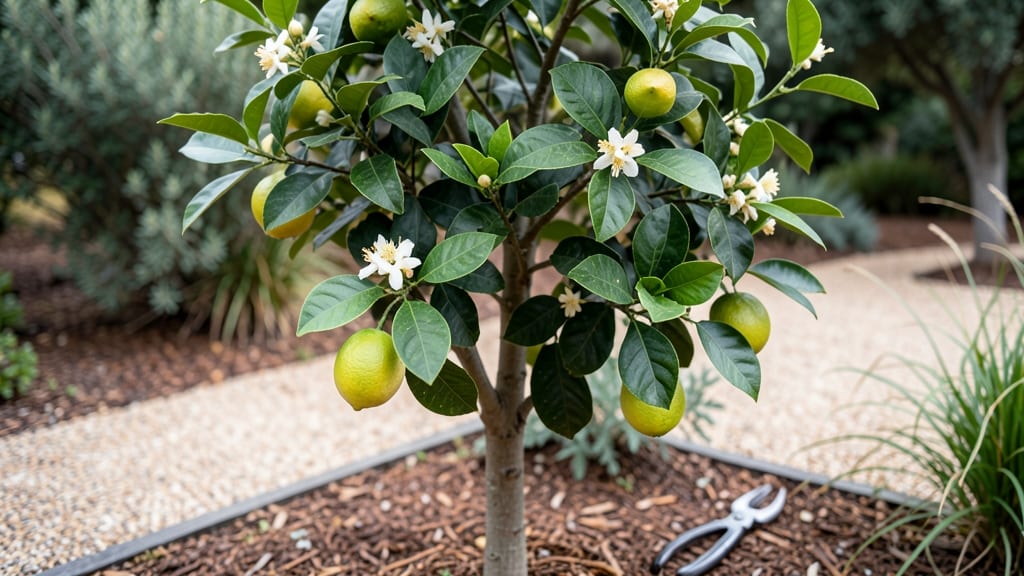
Those Meyer lemon tree leaves aren’t just for garnish—they’re your kitchen’s secret weapon and your tree’s first line of defense. 🌿 The same leaves that make your margaritas shine can also reveal early signs of trouble like spider mites or nutrient deficiencies before they become full-blown problems.
Start by inspecting the undersides of leaves for tiny webs or speckled yellowing—classic spider mite red flags. A quick spray of neem oil or soapy water (1 tablespoon mild dish soap per quart of water) can knock out pests before they spread.
For yellowing leaves, check soil moisture and fertilizer levels—overwatering or too much nitrogen can turn your tree’s foliage into a sad, pale mess.
📚 In This Guide
- What you need
- Instructions
- Tips and common mistakes
- Wrapping up and next steps
What you need
- ● Fresh Meyer lemon tree leaves – Aim for at least 10–15 healthy, mature leaves (harvest from organic trees if possible to avoid pesticides).
- ● Sharp scissors or pruning shears – For clean cuts without damaging the tree.
- ● Clean, airtight containers – Glass jars (8–16 oz) or resealable bags for storage.
- ● Water or carrier oil – For infusions: Water: Distilled or filtered (1 cup per 10 leaves).
- ● Oil: Light carrier oil like olive or coconut (¼ cup per 10 leaves).
- ● Fine-mesh strainer or cheesecloth – To filter leaves after infusion.
- ○ Optional preservative (for long-term storage) – Vodka (1 oz per cup of water) or citric acid (¼ tsp per cup of water).
- ● Drying rack or paper towels – For air-drying leaves if you prefer dehydrated versions.
- ● Food processor or mortar & pestle – For crushing leaves to release oils (great for pest repellent sprays!).
- ● Spray bottle – For DIY pest-control sprays (mix infused water with a bit of dish soap).
- ● Labeling supplies – Masking tape + markers to tag your creations (trust us, you’ll thank us later!).
- ● Citrus zest grater – If you want to combine leaves with Meyer lemon zest for extra flavor!
Step-by-step guide to harvesting and using Meyer lemon tree leaves
Turn your tree's bounty into kitchen magic and natural pest control.
🌿 Step 1: Identify and Select Healthy Leaves
Pick leaves from mature branches—avoid those near the trunk or overly young growth. Look for bright green, glossy leaves with no yellowing or brown spots. These are your best candidates for both culinary and pest-repellent use. I always choose leaves that are 3-4 inches long, as they contain the highest concentration of essential oils.
Gently twist the leaf from the stem to avoid damaging the branch. If it resists, use clean pruning shears. Never pull leaves forcefully, as this can harm the tree. Harvest in the morning after the dew has dried but before the midday sun intensifies—this preserves the leaf's natural oils and potency.
✂️ Step 2: Prepare Leaves for Culinary or Pest-Repellent Use
For culinary infusions, wash leaves thoroughly under cool water to remove any dirt or pesticide residue. Pat them dry with a clean towel or paper towel. You can use whole leaves or finely chop them for stronger flavor. I like to bundle 4-5 leaves together with a kitchen twine and hang them to dry in a dark, well-ventilated area for about 1-2 weeks.
For pest defense, crush the leaves slightly between your fingers to release their aromatic oils. Sprinkle them around the base of your Meyer lemon tree or other plants to deter aphids, spider mites, and whiteflies. You can also steep the leaves in water for 24 hours, then strain and spray the liquid onto foliage. This creates a natural, non-toxic pesticide that’s safe for your garden.
💧 Step 3: Store Leaves for Long-Term Use
Once dried, store culinary leaves in an airtight container away from direct sunlight. They’ll keep their flavor for up to 6 months. For pest-repellent leaves, you can either keep them whole and dry or crush them into a powder. Store the powder in a sealed jar in a cool, dark place—it’ll retain its effectiveness for about 3 months.
If you’re using fresh leaves for infusions, like in teas or cocktails, store them in the refrigerator for up to 1 week. Place them in a sealed container with a paper towel to absorb excess moisture and prevent mold. For longer storage, freeze the leaves in an ice cube tray with a little water—these can be used directly in recipes or pest sprays later.
🪴 Step 4: Maintain Your Meyer Lemon Tree for Continuous Leaf Production
To encourage healthy leaf growth, prune your Meyer lemon tree 2-3 times a year, removing any dead, diseased, or overcrowded branches. This not only promotes new growth but also improves air circulation, reducing the risk of fungal issues. I prune in early spring, late summer, and early winter—just before new growth begins.
Fertilize your tree with a citrus-specific fertilizer every 2-3 months during the growing season. This ensures your tree stays vigorous and produces an abundance of leaves. Water deeply once a week, allowing the top 2 inches of soil to dry out between waterings. Overwatering can lead to root rot, which weakens the tree and reduces leaf quality.
Tips & tricks for perfect Meyer lemon leaf infusions
These practical tricks will help you maximize flavor and potency from your Meyer lemon leaves.
Harvest Timing: The morning after dew dries but before midday sun is the sweet spot for harvesting. This timing preserves the highest concentration of essential oils in the leaves. I've found that leaves harvested at this time retain their bright green color and aromatic properties for longer storage. Avoid harvesting after rain or when leaves are wet, as excess moisture can dilute the oils and promote mold during storage.
Drying Technique: When drying culinary leaves for up to 6 months, ensure proper airflow by hanging bundles in a dark, well-ventilated area. I use kitchen twine to create loose bundles that allow air to circulate around each leaf. You'll know they're properly dried when they become crisp and crumble slightly between your fingers. This method preserves the essential oils better than heat drying, which can evaporate valuable compounds.
Pest Defense Potency: For maximum effectiveness as a natural pesticide, crush the leaves between your fingers just before application. This releases the aromatic oils that repel pests like aphids and spider mites. I've noticed that freshly crushed leaves work best immediately, so prepare your pest defense mixture just before applying it to your plants. The 24-hour steep for spray preparation is crucial—it allows enough time for the beneficial compounds to infuse into the water without losing potency.
Storage Optimization: To extend the shelf life of your dried culinary leaves, store them in an airtight container with a small piece of dried citrus peel. The peel adds an extra layer of preservation and enhances the flavor profile. For fresh leaves meant for short-term use, place them in a sealed container with a paper towel to absorb moisture. This prevents condensation that could lead to mold growth during their 1-week refrigerator storage life.
Pro Tips for Meyer Lemon Tree Leaves
- These practical tricks will help you maximize flavor and potency from your Meyer lemon leaves.
- Harvest Timing: The morning after dew dries but before midday sun is the sweet spot for harvesting.
- Drying Technique: When drying culinary leaves for up to 6 months, ensure proper airflow by hanging bundles in a dark, well-ventilated area.
Frequently asked questions
Got questions about using Meyer lemon tree leaves? You’re not alone! Here are answers to the most common queries—whether you’re harvesting for flavor, pest control, or just curious about these zesty gems.
Can I use Meyer lemon tree leaves fresh or do I need to dry them?
You can use them fresh for immediate flavor (like in teas or marinades) or dried for long-term storage. To dry, spread leaves in a single layer on a tray, then bake at 200°F (93°C) for 1–2 hours until crisp. Store in an airtight container for up to 6 months. Pro tip: Freezing leaves in ice cube trays with water also works for quick infusions!
When is the best time to harvest Meyer lemon tree leaves?
Harvest leaves anytime, but spring and summer yield the most aromatic ones. Avoid leaves with yellowing, spots, or pests—these can affect flavor. Morning harvests (after dew dries but before heat peaks) preserve the brightest citrus notes. Bonus: Leaves from younger branches are often more potent!
How do Meyer lemon tree leaves help with pests naturally?
Crush a few leaves and rub them on stems or soil to repel aphids, spider mites, and whiteflies. The citral and limonene in the leaves disrupt pests’ scent trails. For heavy infestations, steep 10 leaves in hot water, strain, and spray (test on a small area first). Warning: Avoid spraying blooms—it may harm pollinators.
What’s the best way to use dried Meyer lemon leaves in tea?
Steep 2–3 dried leaves in 8 oz (240ml) hot water for 5–10 minutes. For extra zing, add a slice of lemon or a cinnamon stick. Caffeine-free tip: Combine with chamomile or mint for a soothing evening blend. Store brewed tea in the fridge for up to 3 days.
What if my Meyer lemon tree leaves turn yellow or spotty?
Yellowing leaves often signal overwatering or nutrient deficiency (like iron). Spotty leaves? Fungal issues (like citrus greening) or pests may be to blame. Prune affected leaves immediately, adjust watering, and apply a copper fungicide if needed. Preventative tip: Ensure 6+ hours of sunlight daily and well-draining soil.
| Quick Fixes | When to Use |
|---|---|
| Crush leaves + water spray | Pest outbreaks |
| Dry leaves in oven | Long-term storage |
| Steep in hot water | Tea or marinades |
Wrapping up and next steps
Caring for your Meyer lemon tree and using its leaves is a rewarding journey—whether you're whipping up zesty infusions or keeping pests at bay! 🌿 These versatile leaves pack a punch in both flavor and natural defense, making them a must-have in any gardener’s or chef’s arsenal.
Now that you’re armed with the know-how, why not harvest a few leaves today and experiment with their magic?
Ready to take the next step? Start small:
- Try a Meyer lemon leaf tea for a soothing, citrusy twist.
- Use them as a natural pest deterrent around your garden.
- Share your discoveries with fellow plant lovers—inspire others to grow their own!