
Pruning
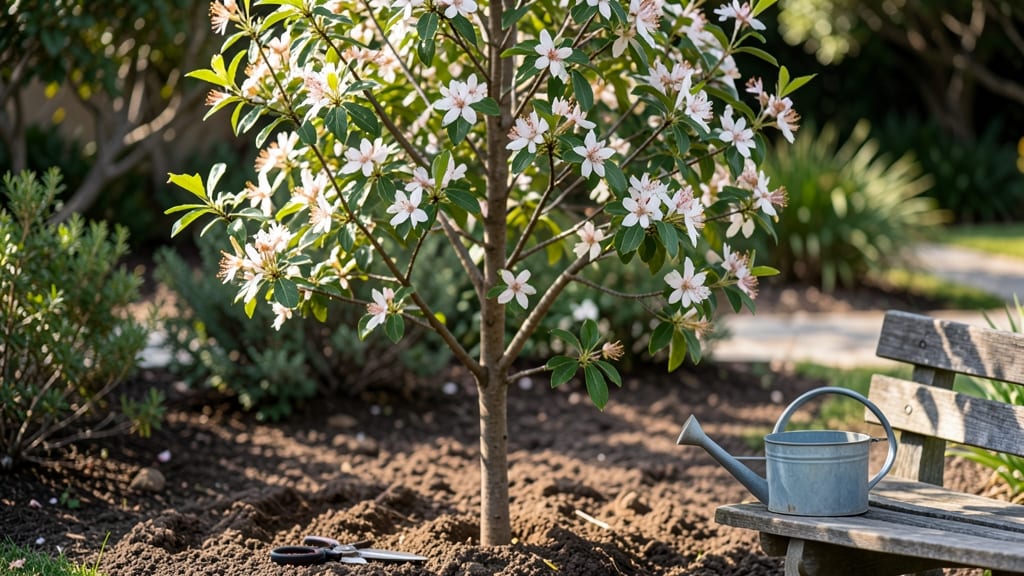
The delicate Mexican plum tree flower unfurls in fragrant white clusters each spring—but without careful pruning, their beauty remains untapped. I’ve watched these native Texas beauties go from sparse blooms to dramatic floral displays after mastering just three cuts, and the secret isn’t complicated.
It’s about timing, shape, and a little winter cleanup that transforms your tree’s energy from scraggly growth to showstopping flowers. The key? Pruning when the tree is dormant yet about to wake up.
Here’s the thing—most gardeners wait until spring to prune, but that’s when the tree is already pushing new growth. Instead, you’ll do two-thirds of your work in late winter, right before buds swell, and one final light trim after the first flush of flowers fades.
This approach mimics how Mexican plums grow in their native hillside canyons, where winter rains and spring warmth trigger simultaneous blooms. You’ll need basic tools (clean pruners, gloves, and a tarp for cleanup) and about 30 minutes—no fancy equipment required.
What you end up with is a tree that blooms like crazy for weeks, with flowers so dense they smell like almonds on the breeze. The branches stay open enough for sunlight to reach all the way to the center, which means more buds next year.
And because you’re shaping the tree to mimic its natural form, it handles drought and heat better too. The payoff? A backyard that smells like spring three weeks earlier than your neighbors’ trees.
Works for both container-grown Mexican plums and mature trees in the ground, though larger specimens need a ladder and extra caution. The same principles apply whether you’re in Zone 7-10 or a high-desert climate—just adjust your timing by a week or two based on your first frost date.
Let’s get those blooms back in full force.
📚 In This Guide
- What you need
- Instructions
- Tips and common mistakes
- Wrapping up and next steps
What you need
- ● Pruning shears: Bypass pruners (sharp, clean, and disinfected with rubbing alcohol to prevent disease).
- ● Loppers: For thicker branches (1.5"–2" diameter), with a long handle (24–36") for reach.
- ● Pruning saw: For large branches (>2" diameter), with a fine-tooth blade to avoid tearing.
- ● Gloves: Heavy-duty, cut-resistant gloves (e.g., leather or Kevlar) to protect hands from thorns.
- ● Disinfectant: 1 part bleach (10% solution) + 9 parts water (or 70% isopropyl alcohol) for sterilizing tools.
- ○ Pruning sealant: Optional but helpful for sealing large cuts (e.g., tree wound paint or beeswax-based sealant).
- ● Ladder or step stool: Sturdy, non-slip, and tall enough to reach the tree’s canopy safely.
- ● Trash bags or bucket: For collecting pruned branches (5–10 gallon capacity).
- ● Hand saw: For precision cuts on stubborn branches.
- ● Pole pruner: Extendable tool for high branches (10–15 ft reach).
- ● Pruning rope: For temporarily securing large branches during cuts.
- ● Notebook & pen: To sketch a pruning map of cuts for reference.
- ● Safety glasses: To shield eyes from debris.
Step-by-Step guide for pruning Mexican plum trees to encourage continuous blooms
Here's how to keep your Mexican plum tree flowering beautifully all year—no complex techniques, just smart cuts.
Identify and Remove Dead or Diseased Wood in Late Winter
Start by examining your tree in late winter when it's still dormant but before new growth begins. Look for branches that are completely brown, brittle, or showing signs of disease like black spots or oozing sap. These branches won't produce flowers and can spread problems to healthy wood.
Use clean, sharp pruning shears to make your cuts just outside the branch collar—the swollen area where the branch meets the trunk. This ensures the tree can seal the wound properly. I always sanitize my tools with rubbing alcohol between cuts to prevent spreading any potential infections.
Remove any crossing branches or those rubbing against each other, as these weak points can create entry points for pests. You'll see a noticeable difference in the tree's overall health after this first cut—it's like giving your tree a fresh start before spring growth begins.
Thin the Canopy for Better Airflow and Light Penetration in Early Spring
Wait until early spring, just as the tree begins to leaf out but before the flowers appear. This timing ensures you're not cutting off potential bloom sites. Focus on thinning the inner canopy first—these are the branches that block light from reaching the center of the tree.
Remove about one-third of the oldest, thickest branches that are growing inward. You're not just making the tree look better; you're creating space for new growth that will produce more flowers. Aim to leave an open vase-like shape that allows sunlight to reach all parts of the tree.
Make your cuts at a 45-degree angle just above an outward-facing bud. This encourages the new growth to branch outward rather than inward, which keeps the tree's shape open and airy. You'll notice within weeks that the remaining branches are fuller and more vigorous.
Lightly Prune After Each Flowering Cycle to Encourage Renewed Blooms
Here's where the magic happens for year-round blooms. After your tree finishes flowering—usually in late spring or early summer—give it a light pruning. Focus on removing about 10-15% of the current season's growth, particularly any branches that have finished blooming or are growing excessively long.
Look for branches that have produced flowers but now have long, bare stretches. Cut these back to a side bud or branch that shows signs of new growth. This encourages the tree to produce new flower clusters on the remaining branches. I always make these cuts just above a leaf bud to ensure the tree knows where to start growing new wood.
Repeat this light pruning every 8-12 weeks throughout the growing season. The key is to never remove more than 20% of the tree's foliage in any one pruning session. You'll see new flower buds forming within a few weeks after each cut—it's like giving your tree a gentle nudge to keep producing.
Tips & tricks for perfect Mexican plum tree flower pruning
These simple strategies will help you transform your pruning sessions into a year-round bloom celebration.
Timing is Everything: The late winter cut in Step 1 should happen when temperatures are consistently above freezing but before buds begin to swell. I've learned this the hard way—pruning too early can expose fresh cuts to frost damage, while waiting too long risks removing potential bloom sites. For most climates, aim for February or early March when your region's last frost date has passed but before the first signs of new growth appear.
Tool Preparation Matters: Before you begin Step 1, sharpen your pruning shears and sterilize them with rubbing alcohol. Dull blades tear wood instead of making clean cuts, which stresses the tree and slows healing. I keep a small bottle of alcohol and a clean cloth in my pruning kit—it takes just seconds between cuts and makes all the difference in preventing infections. For larger branches, consider using a pruning saw with a fine-toothed blade to avoid crushing the wood.
Visual Cues for Healthy Cuts: When making your 45-degree angle cuts in Step 2, look for the branch collar—the swollen ridge where the branch meets the trunk. This natural feature tells you exactly where to cut. If you're unsure, imagine drawing an invisible line from the branch collar to the outward-facing bud—your cut should follow this line. This technique ensures the tree can properly seal the wound and promotes healthy regrowth.
Seasonal Bloom Maintenance: The key to continuous blooms lies in the regular 8-12 week pruning schedule in Step 3. Set calendar reminders for late spring, summer, and early fall to stay on track. I've found that keeping a small pruning journal helps—note which branches you prune and when you see new buds form. This creates a feedback loop that helps you fine-tune your timing for maximum blooms.
Pro Tips for Mexican Plum Tree Flower
- These simple strategies will help you transform your pruning sessions into a year-round bloom celebration.
- Timing is Everything: The late winter cut in Step 1 should happen when temperatures are consistently above freezing b...
- Tool Preparation Matters: Before you begin Step 1, sharpen your pruning shears and sterilize them with rubbing alcoho...
Frequently asked questions
Got questions about keeping your Mexican plum tree (Prunus mexicana) blooming beautifully year-round? Here are some common concerns—and their solutions!
When is the best time to prune for flowers?
The ideal time to prune is late winter or early spring (just before buds swell), but you can also do light shaping in summer after flowering. Avoid heavy cuts in fall—this can stimulate new growth that won’t harden off before winter. Pro tip: If you miss the window, prune in early spring and focus on removing dead wood first!
How much can I trim without hurting the tree?
Never remove more than 25% of the tree’s canopy in one year. Mexican plum trees thrive with selective pruning—target 3 key cuts: dead/diseased branches, crossing limbs, and inward-growing shoots. Over-pruning stresses the tree and reduces flower production. Pro tip: Use sharp bypass pruners for clean cuts—ragged edges invite pests!
Why aren’t my Mexican plum flowers lasting?
Short-lived blooms often mean overcrowded branches or poor air circulation. Thin out dense areas to improve airflow, and avoid heavy nitrogen fertilizer (it boosts leaves over flowers). Water deeply but infrequently—drought stress can also shorten bloom time. Pro tip: Mulch around the base to retain moisture and reduce stress!
Can I grow Mexican plum trees in containers?
Yes! Choose a large pot (at least 20 gallons) with drainage holes and use well-draining soil. Prune more aggressively in containers (since roots are restricted) to encourage bushier growth and better flowering. Move pots to partial shade in summer to prevent leaf scorch. Pro tip: Dwarf varieties like ‘Mexican Plum Compact’ are perfect for containers!
What pests target Mexican plum tree flowers?
Watch for aphids, scale insects, and spider mites, which suck sap and weaken blooms. Treat early with neem oil or insecticidal soap. Birds and bees are your friends—avoid pesticides during bloom! Pro tip: Encourage beneficial insects like ladybugs by planting companion flowers like marigolds nearby.
Wrapping up and next steps
The Mexican plum tree flower thrives with the right pruning care—whether it’s rejuvenating cuts in late winter, shape-defining trims in early summer, or light maintenance after blooming.
With just three strategic cuts, you’re not just keeping your tree healthy; you’re unlocking a year-round cascade of vibrant blooms that’ll turn heads (and maybe even inspire your neighbors!).
Ready to transform your tree into a floral showstopper? Grab your tools, follow the steps, and enjoy the sweet rewards of your green thumb! 🌸✂️ Next up: Watch your Mexican plum tree flourish with every season—and share your progress with fellow gardening enthusiasts!