
Pruning
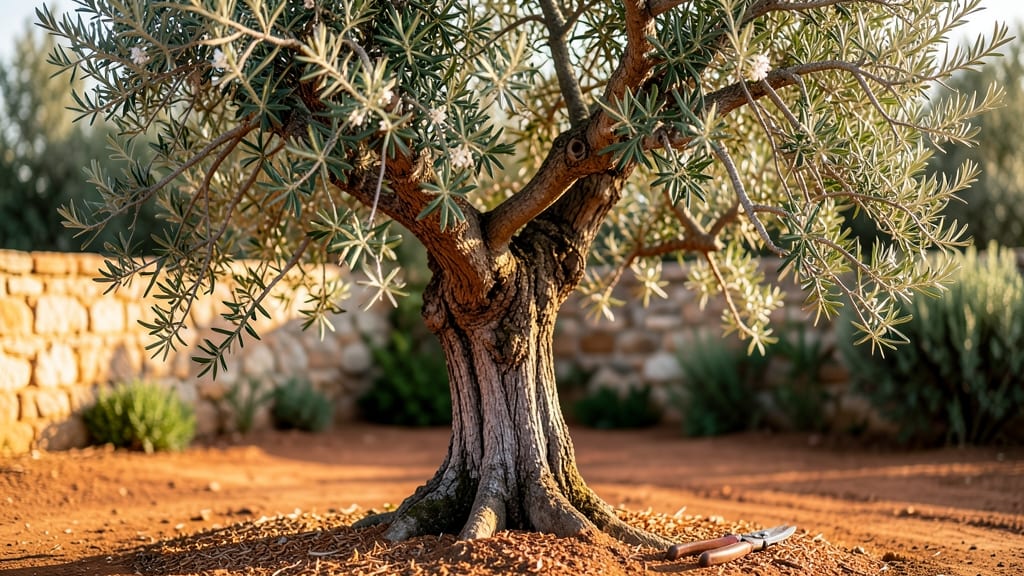
Growing a Mediterranean olive tree in your yard isn’t just about patience—it’s about mastering the art of strategic cuts that keep it productive year-round. 🌿 I’ve watched my own olive tree go from a scraggly sapling to a sturdy producer by pruning it at the right times, and the secret lies in four seasonal adjustments that balance growth and fruit yield.
The key is working with nature’s rhythm: light pruning after harvest to clean up, a mid-winter trim to shape the tree, a spring cut to encourage new growth, and a summer adjustment to manage fruit load.
Each cut serves a purpose—whether it’s opening the canopy for sunlight or preventing overcrowded branches that steal energy from olives. You don’t need fancy tools, just sharp pruners and a clear plan.
By summer’s end, you’ll see the payoff: a tree that’s easier to harvest, with fewer broken branches and more consistent olive production. The wood hardens after each cut, making the tree stronger over time, and the olives themselves taste richer when the tree isn’t overburdened.
This method works whether you’re in a warm climate or a cooler zone with some frost protection.
Here’s the best part: once you’ve done it once, each subsequent year gets simpler. The tree remembers its shape, and your pruning becomes quicker, more intuitive. Let’s get those branches under control—and those olives rolling in!
📚 In This Guide
- What you need
- Instructions
- Tips and common mistakes
- Wrapping up and next steps
What you need
- ● Pruning shears: Bypass shears (8–10 inches) for small branches.
- ● Pruning saw: Curved blade (10–12 inches) for thick branches (1+ inch diameter).
- ● Loppers: 18–24 inch for medium branches (1.5–3 inches).
- ● Disinfectant: 70% isopropyl alcohol or bleach solution (1 part bleach:9 parts water) to sterilize tools.
- ● Rubbing alcohol wipes: For quick tool cleaning between cuts.
- ○ Pruning sealant: Optional but recommended for cuts larger than ½ inch (e.g., Tanglefoot Pruning Seal).
- ● Work gloves: Heavy-duty, cut-resistant (e.g., Wolverine Waffle Grip).
- ● Safety glasses: Protect your eyes from debris.
- ● Ladder or step stool: Sturdy, 6–8 ft tall, for high branches.
- ● Heavy-duty trash bags: For collecting pruned branches (10+ gallon size).
- ● Notebook & pencil: To sketch your tree’s structure before pruning.
- ● Extension pole: For hard-to-reach branches (10–12 ft with shears attachment).
- ● Tree paint: Copper-based (e.g., Ortho Fruit Tree Spray) for sealing large cuts.
- ● Hose & spray nozzle: For rinsing tools and tree after pruning.
- ● Tree growth regulator: (e.g., Bonide Fruit Tree Spray) to encourage healthy regrowth.
- ● Camera or phone: To document "before" and "after" progress!
Step-by-Step guide to pruning Mediterranean olive trees
Here's how I keep my olive trees thriving through all four seasons—with just four focused cuts.
✂️ Step 1: Winter Pruning for Structural Health
Start in late winter, just as new buds begin to swell but before any leaves appear. This is the best time to shape your tree and remove dead or crossing branches. I like to work on a dry, sunny day when the wood is firm but not brittle.
Use clean, sharp pruning shears to make cuts just above outward-facing buds. This encourages new growth to fill out the canopy. Remove any branches that are rubbing against others or growing inward—they’ll compete for sunlight and weaken the tree. For larger branches over ½ inch thick, use a pruning saw and cut at a slight angle to prevent water pooling.
Real talk: If you see any branches with dark, shriveled leaves or hollow centers, cut those out completely. Olive trees are tough, but they won’t recover from dead wood. After pruning, give the tree a light watering to help it recover from the stress.
☀️ Step 2: Spring Pruning for Fruit Production
Once you see new leaves emerging in early spring, it’s time to focus on fruit-bearing branches. This is when I make the most precise cuts—targeting branches that produced olives the previous year. Olive trees fruit on older wood, so I avoid cutting back these branches too aggressively.
Look for branches with clusters of small, green olives forming. These are your "fruit spurs," and they need protection. Trim back any excessive growth that’s shading these areas. For side branches, cut just above a leaf bud that’s pointing outward. For the main trunk, remove any suckers (shoots growing from the base) to direct energy upward.
Here’s the thing—olive trees can handle a 25-30% reduction in foliage during spring pruning without stress. If you’re unsure, err on the side of caution and remove less rather than more. After pruning, apply a balanced fertilizer to support new growth.
🌿 Step 3: Summer Light Pruning for Airflow
Mid-summer isn’t for heavy pruning, but a little maintenance keeps your tree healthy. Focus on thinning out the canopy to improve airflow and reduce disease risk. Remove any branches that are growing too densely or blocking sunlight from reaching the inner parts of the tree.
Use hand pruners to trim back any water sprouts (fast-growing, vertical shoots) that appear after spring pruning. These shoots steal energy from fruit production. For branches that are too thick to cut by hand, wait until early fall when the tree is less stressed. Avoid heavy pruning now—olive trees are sensitive to summer stress.
Watch for signs of stress like yellowing leaves or wilting. If you see these, pause pruning and focus on watering deeply instead. Olive trees in containers or small spaces need extra attention during summer—keep the soil moist but not soggy.
⏰ Step 4: Fall Cleanup for Winter Readiness
As temperatures drop in late fall, do a final light pruning to remove any damaged or diseased branches. This prevents pests and diseases from overwintering in the tree. Focus on cleaning up any fallen leaves or debris around the base—olive trees hate wet, rotting material piled against their trunks.
Trim back any overly vigorous growth that might not have time to harden off before winter. For trees in colder climates, consider wrapping the trunk with burlap or tree guard to protect it from freezing winds. In warmer areas, minimal pruning is needed—just enough to keep the tree tidy.
This is also the time to assess your tree’s shape. If it’s looking unbalanced, plan a more aggressive winter pruning session. Olive trees are forgiving, but they reward careful, seasonal attention. After fall pruning, reduce watering slightly to encourage dormancy.
Tips & tricks for pruning Mediterranean olive trees
A few focused strategies that'll keep your olive tree productive and healthy year after year.
Timing is Everything: The late winter timing in Step 1 is critical—those swelling buds signal the tree's readiness to grow. I've learned the hard way that pruning too early (when buds are still dormant) or too late (when leaves emerge) stresses the tree. Aim for that sweet spot when buds are just beginning to swell but leaves haven't appeared yet. This gives your tree maximum energy to recover and grow.
Cutting Technique Matters: When making those precise cuts in Step 2, remember that the angle matters. For branches over ½ inch thick, cut at a slight downward angle to prevent water from pooling at the cut site. This simple technique prevents rot and disease. I also recommend sterilizing your pruning tools with rubbing alcohol between cuts—this prevents spreading any potential infections from one branch to another.
Seasonal Balance: The 25-30% foliage reduction guideline in Step 2 is your safety net. Olive trees are resilient, but they can't handle drastic pruning all at once. Spread your cuts across seasons—winter for structure, spring for fruit production, summer for airflow, and fall for cleanup. This balanced approach mimics natural growth patterns and prevents shock to the tree.
Equipment Essentials: Don't skimp on your tools—sharp pruning shears make cleaner cuts that heal faster. For branches thicker than ½ inch, invest in a good pruning saw. I've tried cheap tools that just made messy cuts, and the tree struggled to recover. Also, keep a small bucket handy to collect debris—this makes cleanup easier and prevents pest buildup around your tree's base.
Pro Tips for Mediterranean Olive Tree
- A few focused strategies that'll keep your olive tree productive and healthy year after year.
- Timing is Everything: The late winter timing in Step 1 is critical—those swelling buds signal the tree's readiness to grow.
- Cutting Technique Matters: When making those precise cuts in Step 2, remember that the angle matters.
Frequently asked questions
Got questions about pruning your Mediterranean olive tree? You’re not alone! Whether you’re a first-time grower or a seasoned gardener, these FAQs cover the essentials—from timing to troubleshooting. Dive in for quick, actionable answers.
When is the best time to prune my olive tree?
The ideal time for Mediterranean olive tree pruning is late winter or early spring (just before buds swell), but light pruning can happen year-round. Avoid heavy cuts in summer or fall to prevent stress or disease. Pro tip: If your tree is young (<3 years), prioritize shaping over fruit production!
How much should I trim off my olive tree?
For mature trees, remove no more than 20-30% of foliage in one session to avoid shocking the tree. Focus on:
- Dead or crossing branches
- Suckers (shoots growing from the base)
- Overcrowded growth
Can I prune my olive tree in summer?
Light pruning (e.g., removing damaged branches) is fine in summer, but avoid heavy cuts—olive trees are sensitive to heat stress. If pruning during hot months, do it early morning or late evening and water thoroughly afterward. Pro tip: Summer is great for harvesting olives, not pruning!
What if my olive tree isn’t producing fruit?
Lack of fruit often stems from over-pruning, poor nutrition, or young age. Check for:
- Balanced pruning (avoid cutting too aggressively)
- Sufficient sunlight (6+ hours daily)
- Soil health (test pH; olives prefer 6.0–8.0)
Can I use olive tree prunings for anything?
Pruned branches are biodegradable and can be:
- Composted (adds nutrients to soil)
- Used as mulch (retains moisture)
- Burned (if local regulations allow)
Wrapping up and next steps
The Mediterranean olive tree thrives when pruned with care—season by season! By mastering the four key cuts (winter shaping, spring thinning, summer lightening, and autumn cleanup), you’ll boost productivity, health, and harvests year-round. 🌿✂️
Now that you’re equipped with the tools, timing, and techniques, it’s time to roll up your sleeves. Start small—even a single branch trimmed today is a step toward a stronger, fruit-bearing tree. Happy pruning!
Next steps:
- Mark your calendar for January, May, July, and October—your olive tree’s pruning schedule!
- Grab your tools and review the checklist before you begin.
- Share your progress (or questions!) in the comments—we’d love to see your olive tree’s transformation!