
Propagation
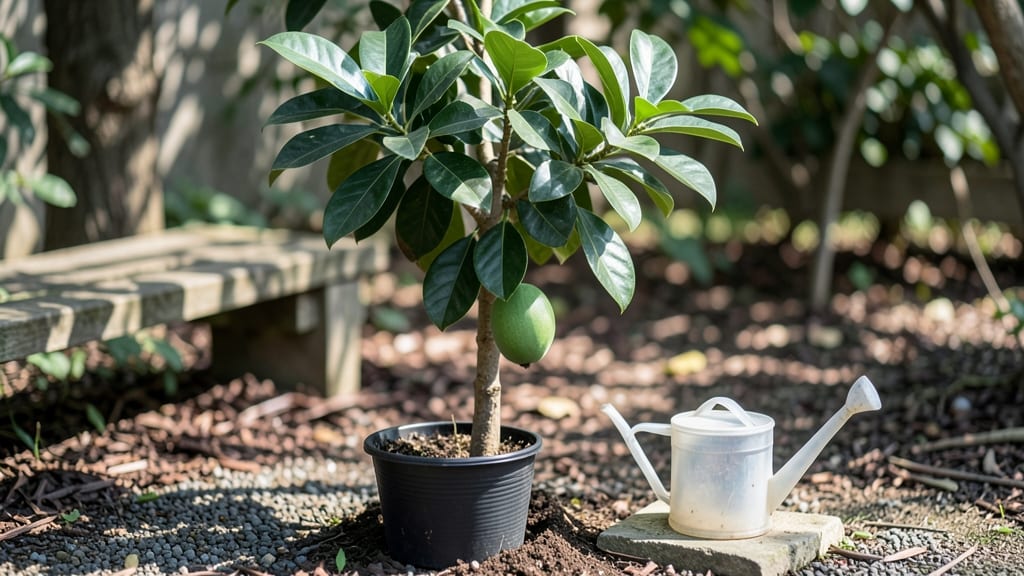
Growing a mango tree from a pit is the kind of project that turns a grocery store scrap into a living memory—one that might just bear fruit someday. 🌱 I’ve watched seeds sprout into 6-foot saplings in my kitchen, and the process is simpler than you’d think, even if it takes patience.
The key is starting with the right pit and giving it exactly what it needs: warmth, moisture, and time.
You’ll need just a few things: a fresh, dried mango pit (no cracks or mold), a small pot with drainage, moist potting mix, and a plastic bag to create humidity.
The whole setup fits on a kitchen counter, and the first signs of life—tiny roots or a sprout—usually appear within 2-4 weeks. If you’ve ever wondered what’s inside that hard shell, this is your chance to find out.
What you’ll end up with is a lush, tropical-looking seedling that could one day produce fruit—though that might take 3-5 years or more, depending on your climate.
The real reward is watching it grow from a speck in the soil to a sturdy young tree, even if it never bears fruit. Plus, you’ll learn how to care for a tropical plant in your own home.
This method works best in warm climates, but even cooler zones can try it indoors, though growth will be slower. The biggest mistakes are overwatering or letting the soil dry out completely—both can kill a seedling before it gets started. Let’s get that pit sprouting!
📚 In This Guide
- What you need
- Instructions
- Tips and common mistakes
- Wrapping up and next steps
What you need
- ● Mango pit: 1 fresh, fully ripe pit (avoid cracked or dried ones).
- ● Water: Filtered or rainwater (1–2 cups for soaking).
- ● Small pots or containers: 2–3 (4–6 inches in diameter) with drainage holes.
- ● Potting soil: 2–3 bags of well-draining, organic mix (or coconut coir).
- ● Plastic wrap or humidity dome: 1 (to retain moisture).
- ● Spray bottle: 1 (for gentle watering).
- ● Scissors or knife: 1 (for trimming roots/pit).
- ● Label markers: 2–3 (to track germination dates).
- ● Rooting hormone: 1 small bottle (speeds up growth).
- ● Heating mat: 1 (keeps soil warm for faster germination).
- ● Grow lights: 1–2 (if natural light is limited).
- ● Fertilizer: Balanced liquid fertilizer (for later stages).
- ● Large container or garden bed: For transplanting once roots establish.
Step-by-Step instructions for growing a mango tree from a pit
Here's how I turn a store-bought pit into a thriving sapling—no fancy tools needed.
🌱 Step 1: Prepare the Pit for Planting
Rinse the mango pit thoroughly under warm water to remove any flesh clinging to the surface. This prevents mold from growing during germination. Let it air-dry completely for about 24 hours—you'll know it's ready when the outer shell feels slightly rough to the touch.
Here's the thing—don't rush this step. A damp pit will rot before sprouting. I like to place mine on a paper towel in a warm spot while I wait. Once dry, gently scrape away any remaining fruit residue with a knife, being careful not to puncture the hard shell itself.
💧 Step 2: Germinate the Pit
Fill a small container—like a plastic cup or even a sealed plastic bag—with moistened paper towels. Place the pit on top, then cover it completely with another layer of damp towels. The key is keeping everything consistently moist but not soggy. I find using a spray bottle helps maintain even moisture without over-saturating.
Seal the container with plastic wrap or place it in a zip-top bag to create a humid environment. This mimics tropical conditions where mango trees naturally grow. Store it in a warm spot—70-80°F works best—like on top of your fridge or near a sunny window. Check weekly to ensure the towels stay damp; if they dry out, mist again.
⏰ Step 3: Wait for Sprouting and Plant the Seedling
Germination can take anywhere from 2-6 weeks, so patience is key. You'll notice the first sign of life when a small white root emerges from the pit. Once this root reaches about 1-2 inches long, it's time to plant. Don't wait too long—roots grow fast once they start!
Fill a small pot—4-6 inches deep—with well-draining potting mix. Make a hole about 1 inch deep and place the pit root-side down. Cover it lightly with soil, pressing gently to secure it. Water lightly until the soil feels moist but not wet. Place the pot in bright, indirect light—no direct sun yet, as the young seedling is delicate.
☀️ Step 4: Care for the Young Sapling
Once the first true leaves appear—these will be small and oval-shaped—move the pot to a location with bright, indirect sunlight. Gradually introduce it to more direct light over 1-2 weeks to avoid shocking the plant. You'll see the leaves darken and thicken as they adjust.
Water when the top inch of soil feels dry to the touch. Overwatering is the biggest mistake here—it causes root rot in young seedlings. I like to use a spray bottle for the first few weeks to keep the soil evenly moist without disturbing the delicate roots. Fertilizer isn't needed yet; the seedling draws all it needs from the soil.
Tips & tricks for perfect mango tree germination
Here's what nobody tells you about turning that grocery store pit into a thriving plant.
Drying is Non-Negotiable: That 24-hour drying period in Step 1 isn't just a suggestion—it's your first line of defense against mold. I learned this the hard way after my first pit developed fuzzy white spots. Place it on a paper towel in a warm spot (like on top of your fridge) to speed up drying without risking heat damage to the shell.
Root Growth Visual Cue: In Step 3, when you're checking for that 1-2 inch root, look for a slight bulge on one side of the pit. This is where the root will emerge first. Once you see this, you're just days away from planting—don't wait for the root to get much longer or it might get tangled in the pit.
Humidity Hack: For Step 2, if you notice condensation forming inside your container, that's actually a good sign! It means you've created the perfect tropical humidity. If your kitchen stays particularly dry, place your container on a tray with a thin layer of water underneath to add extra moisture without overwatering the pit.
Light Transition Strategy: When moving your sapling to brighter light in Step 4, do it gradually over those 1-2 weeks. I start by placing it near a window with sheer curtains, then slowly move it closer to direct light. Sudden exposure can scorch those delicate new leaves—think of it like giving your plant a tropical vacation, not a desert trek.
Pro Tips for Mango Tree From Pit
- Here's what nobody tells you about turning that grocery store pit into a thriving plant.
- Drying is Non-Negotiable: That 24-hour drying period in Step 1 isn't just a suggestion—it's your first line of defense against mold.
- Root Growth Visual Cue: In Step 3, when you're checking for that 1-2 inch root, look for a slight bulge on one side of the pit.
Frequently asked questions
Got questions about growing a mango tree from a pit? You’re not alone! Here are answers to the most common queries to help you succeed:
How long does it take for a mango pit to sprout?
A mango pit typically sprouts within 2–4 weeks if kept in warm, moist conditions. Patience is key—some varieties may take longer, especially if the pit is dormant. Keep the soil consistently damp (not soggy) and place it in indirect sunlight until germination.
Can I plant a mango pit directly in the ground?
While possible, it’s riskier than starting indoors. Pits planted directly in the ground may rot or fail to sprout due to temperature fluctuations. For best results, germinate the pit indoors for 4–6 weeks, then transplant it outside after the last frost when the soil is warm.
What if my mango pit doesn’t sprout?
Don’t worry—try these fixes:
- Check moisture: Overly dry soil can stall growth. Keep the pit lightly moist (like a damp sponge).
- Warmth matters: Mango pits need warmth (70–85°F). Place the container near a sunny window or use a seedling heat mat.
- Patience: Some pits take months. If no sprouts appear after 8 weeks, the pit may not be viable—try another!
Will a mango tree grown from a pit bear fruit?
Yes, but it may take 3–5 years (or longer) for your tree to produce fruit. Grafting (a common practice) can speed this up to 1–2 years. Choose a pit from a ripe, healthy mango for the best chance of success—and be prepared for a long-term reward!
What’s the best climate for growing a mango tree from a pit?
Mango trees thrive in tropical/subtropical climates (USDA Zones 10–11). If you live in a cooler area, grow it in a container and bring it indoors during winter. Young trees are sensitive to frost—protect them with mulch or move them to a greenhouse if temperatures drop below 30°F.
Wrapping up and next steps
Growing a mango tree from a pit is a rewarding journey that connects you to nature’s sweetest surprises! 🌱 With the right patience, care, and these four simple steps, you’ll soon be nurturing a thriving sapling that could one day bear fruit.
Whether you’re a beginner or a green thumb, this method proves that even the smallest seeds hold big potential—so get ready to watch your efforts bloom into something extraordinary.
Now that you’re armed with the know-how, take the first step today! Grab a ripe mango, follow your newfound tips, and start your propagation adventure. Who knows? You might just grow the next tropical treasure in your backyard. Happy planting! 🌿✨