
Pruning
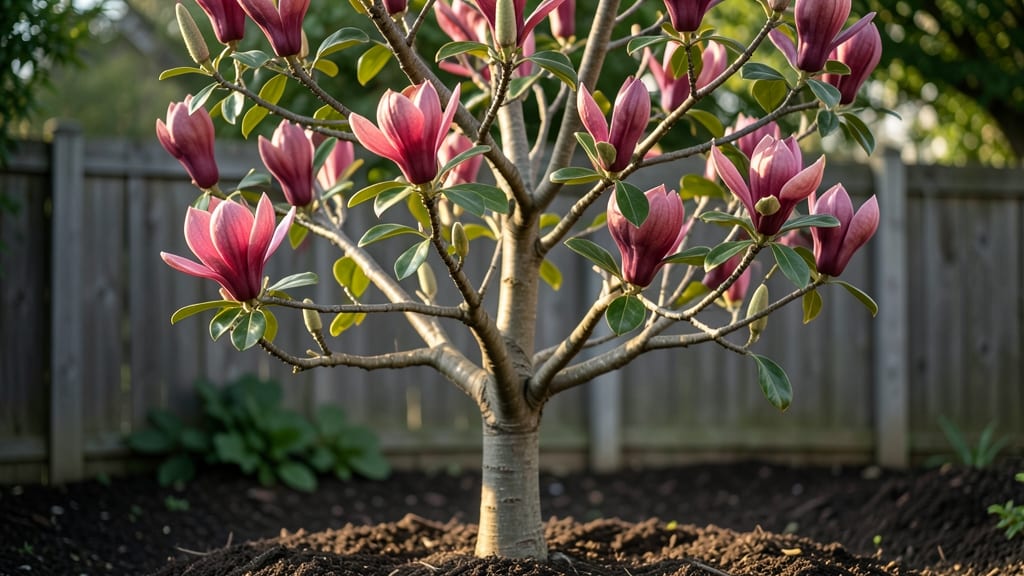
The magnolia tree’s bold red berries dangle like jewels through winter, turning bare branches into a dazzling spectacle that lures in birds. I’ve pruned Southern Magnolias for over a decade, and the secret to keeping those berries abundant isn’t complicated: it’s about timing, shape, and a little strategic cutting.
The key moment arrives right after the berries ripen in late fall, when you can shape the tree without sacrificing next year’s blooms.
You’ll need just three tools: sharp bypass pruners, loppers for thicker branches, and a clean bucket for clippings. Focus on removing dead wood first, then thin out crowded branches to improve airflow—this keeps berries vibrant and reduces disease risk.
The goal is to open the canopy so sunlight reaches the center, where berries form. I like to step back every few cuts and imagine the tree’s silhouette from the street; that’s how you know you’ve struck the right balance.
What you’ll end up with is a magnolia that stays lush and productive for decades, its branches heavy with berries even in winter. The berries themselves stay on the tree longer when you prune correctly, giving you that dramatic winter interest while hummingbirds and mockingbirds feast.
Plus, the tree’s overall health improves, so it puts more energy into blooms and berries each spring.
This method works for Southern Magnolias, Sweetbay Magnolias, and even some hybrid varieties—just adjust timing slightly for your zone. In colder climates, prune a bit later in early winter to avoid frost damage.
The payoff? A tree that looks stunning year-round and keeps producing those bright red berries like clockwork.
📚 In This Guide
- What you need
- Instructions
- Tips and common mistakes
- Wrapping up and next steps
What you need
- ● Pruning shears: Bypass pruners (for small branches, ¼"–¾" thick) – 1 pair (look for sharp, stainless steel blades).
- ● Loppers: For medium branches (¾"–2" thick) – 1 pair (pivoting or anvil-style with a long handle).
- ● Pruning saw: For thick branches (2"+ thick) – 1 saw (bow or folding saw with a fine-tooth blade).
- ● Disinfectant: 70% isopropyl alcohol or a blank">gardening disinfectant spray – small bottle (to prevent disease spread).
- ● Gloves: Heavy-duty gardening gloves (cut-resistant) – 1 pair (protects hands from thorns and sap).
- ● Ladder: Extendable or step ladder (height depends on tree size) – 1_ (ensure it’s stable and rated for your weight).
- ● Heavy-duty trash bags: For collecting pruned branches – 2–3 bags (knot tightly to avoid pests).
- ○ Sharpie or pruning sealant: (Optional but helpful) – 1 marker or tube (to mark cuts or seal wounds).
- ● Safety glasses: Protects eyes from debris.
- ● Pole pruner: For high branches (extends reach up to 10–12 ft).
- ● Tree wound dressing: (Controversial—skip if your tree is healthy!)
- ● Camera or phone: Snap before/after pics to track progress!
- ● First-aid kit: Just in case (thorns happen!).
Instructions for pruning magnolias to encourage vibrant red berries
Here's how to shape your magnolia for both beauty and berry production—without sacrificing its natural grace.
Identify the Right Time for Pruning
Magnolias bloom on last year's growth, so timing matters. Prune immediately after the flowers fade but before new buds set for next spring—typically in late spring to early summer. This ensures you don’t accidentally remove next year’s flower buds hidden in the leaf axils. Look for spent blooms that have dropped petals but haven’t yet formed seed pods.
If your tree has already produced berries, wait until fall to do any light shaping. Avoid heavy pruning in late summer or early fall, as this can stimulate tender new growth that won’t harden off before winter. A good rule: prune when you see new seed pods forming but before they fully ripen to red.
Remove Dead, Diseased, or Crossing Branches
Start by cutting out any branches that are dead, broken, or diseased—these are easy to spot because they lack leaves, have blackened bark, or ooze sap. Use clean, sharp pruners to make cuts just outside the branch collar (the swollen area where the branch meets the trunk). This prevents tearing and encourages faster healing.
Next, remove branches that cross or rub against each other. Friction weakens the wood and creates entry points for pests. If two branches grow in the same direction, keep the stronger one (the one with thicker bark) and cut the other back to its origin. You’ll know you’re on the right track when the tree’s canopy opens up to let more sunlight reach the center, which is crucial for berry development.
Thin Out Overcrowded Areas for Better Airflow
Magnolias naturally grow with a dense, layered structure, but too much crowding leads to poor berry production. Focus on thinning branches from the inside of the tree outward, removing about 20-30% of the smallest, weakest branches in the center. This improves airflow, reducing humidity-related diseases like powdery mildew, which can rot berries before they ripen.
Make your cuts at a 45-degree angle just above an outward-facing bud or leaf node. This encourages new growth to fill in gaps while maintaining an open structure. Avoid "topping" the tree by cutting back the main leader—this stresses magnolias and can lead to weak, leggy regrowth. Instead, aim for a balanced silhouette where sunlight can reach all branches.
Shape for Berry Production and Winter Hardiness
To encourage more red berries, prune to open the tree’s center while maintaining its natural form. Shorten overly long branches by one-third to promote bushier growth and more flower buds. Look for branches that grow straight upward—these often produce fewer flowers and berries, so cut them back to a side branch or bud that faces outward.
In colder climates, avoid heavy pruning in late summer or fall, as this can stimulate tender growth that won’t survive winter. Instead, do most of your shaping in late winter or early spring (just before buds swell) to remove any water sprouts or suckers that appeared the previous season. These fast-growing shoots steal energy from berry production.
Clean Up and Monitor for New Growth
After pruning, rake up and dispose of all clippings—don’t leave them under the tree, as they can harbor pests and diseases. Sterilize your pruners with rubbing alcohol between cuts if you notice sap or signs of infection. Once the tree has healed (usually within 4-6 weeks), apply a balanced, slow-release fertilizer to support new growth and berry development.
Watch for new shoots emerging from the pruned areas—these are your tree’s way of filling in gaps. If you see any branches growing inward or too densely, prune them back again in the next growing season. With consistent care, your magnolia will reward you with brighter red berries and a stronger, more vibrant structure year after year.
Tips & tricks for perfect magnolia pruning
Here’s what I’ve learned after years of shaping magnolias—these small details make all the difference for vibrant berries.
Timing is Everything: The late spring to early summer window (after blooms fade but before seed pods form) is critical. I’ve seen gardeners accidentally cut off next year’s flower buds by pruning too late—those buds are already forming in the leaf axils! If you miss this window, wait until fall for light shaping only. The key is watching for those first tiny seed pods starting to form.
Tool Prep Prevents Problems: Sterilize your pruners with rubbing alcohol between cuts, especially if you notice sap or signs of infection. I learned this the hard way when a diseased branch spread to healthy wood. Sharp tools make cleaner cuts that heal faster, so invest in a good pair of bypass pruners—dull blades tear wood, inviting pests. Always cut just outside the branch collar for proper healing.
The 20-30% Rule for Airflow: When thinning overcrowded areas, aim to remove about one-fifth to one-third of the smallest, weakest branches from the center outward. This might sound like a lot, but trust me—it’s what opens up that canopy for sunlight and airflow. I’ve seen magnolias with dense centers develop powdery mildew because of poor airflow, which can ruin berry production before they even ripen.
Winter Prep Matters: In colder climates, avoid heavy pruning in late summer or fall—it stimulates tender growth that won’t survive winter. Instead, focus on removing water sprouts and suckers in late winter or early spring, just before buds swell. These fast-growing shoots steal energy from berry production, so they’re your tree’s worst enemy during dormant months.
Pro Tips for Magnolia Tree Red Berries
- Here’s what I’ve learned after years of shaping magnolias—these small details make all the difference for vibrant berries.
- Timing is Everything: The late spring to early summer window (after blooms fade but before seed pods form) is critical.
- Tool Prep Prevents Problems: Sterilize your pruners with rubbing alcohol between cuts, especially if you notice sap or signs of infection.
Frequently asked questions
about magnolia tree red berries and pruning—here’s what you need to know!When is the best time to prune magnolia trees to encourage red berries?
Prune your magnolia tree after flowering (late spring to early summer) to avoid cutting off next year’s blooms and berries. Avoid heavy pruning in fall or winter, as this can stress the tree and reduce berry production. Light shaping prunes are fine in late winter if needed.
Why aren’t my magnolia berries turning red this year?
Red berries may not develop due to lack of pollination, young age (some trees take 3–5 years to fruit), or poor health (check for pests or disease). If your tree is mature and healthy, hand-pollinate with a small brush to boost fruit set.
Can I prune magnolia trees in winter for better berry growth?
Winter pruning is risky—magnolias bleed sap heavily in cold weather, stressing the tree. If you must prune, do it late winter (Feb–March) and keep cuts small. Focus on removing dead wood instead of heavy shaping.
Do magnolia berries attract wildlife? Should I remove them?
Yes! Red magnolia berries are a feast for birds and small mammals like squirrels. While they’re not toxic, they’re messy—clean up fallen berries to reduce pests. If you love wildlife, leave them; if not, prune lightly to limit production.
What’s the difference between pruning for flowers vs. red berries?
Prune for flowers after blooming (to preserve buds), but for berries, avoid heavy cuts near branches with last year’s fruit. Thin out overcrowded growth in summer to improve air circulation, which helps berry development.
Wrapping up and next steps
Pruning your magnolia tree’s red berries isn’t just about aesthetics—it’s a year-round investment in health, beauty, and even wildlife support! 🌿 By following the right techniques, you’ll encourage lush growth, vibrant blooms, and those stunning berries that birds and gardeners alike will love.
Whether you’re a pruning pro or just starting, every snip brings you closer to a thriving tree.
Ready to take the next step? Grab your tools, mark your calendar for the best pruning seasons (like late winter or early spring), and give your magnolia the care it deserves. Your future self—and your tree—will thank you!