
Pruning
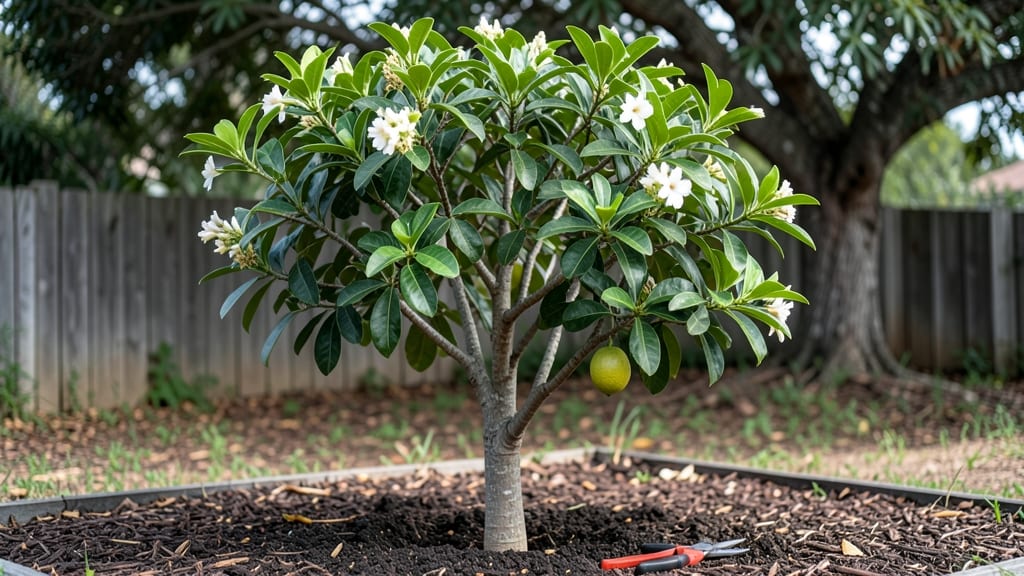
Pruning a lemon guava tree isn't just about shaping branches—it’s about unlocking that juicy harvest your tree was born to produce. 🌱 I’ve watched overgrown trees struggle under their own fruit weight, while properly pruned ones become heavy-bearing powerhouses.
The key lies in timing, technique, and knowing when to step back.
You’ll need sharp pruning shears, a ladder (for taller trees), and a clear day to assess the branches. Lemon guavas respond best to pruning right after harvest or in early spring, when new growth is just waking up.
The goal? Open up the canopy for sunlight, remove dead wood, and thin out crowded branches so fruit doesn’t overburden the tree.
What you’ll get is a tree that bears larger, sweeter fruit with fewer dropped branches. The branches stay strong, the fruit ripens evenly, and you avoid the heartbreak of a snapped limb under a heavy load. Plus, the tree’s shape becomes more manageable—no more wrestling with unruly growth.
This method works for both young trees (to establish structure) and mature ones (to maintain productivity). Whether you’re dealing with a backyard tree or a container-grown plant, the principles stay the same. Let’s get those branches in shape!
📚 In This Guide
- What you need
- Instructions
- Tips and common mistakes
- Wrapping up and next steps
What you need
- ● Pruning shears: Bypass pruners (sharp, 6–8" blades) for small branches.
- ● Loppers: 1 pair (10–14" blades) for medium branches (½–1.5" diameter).
- ● Pruning saw: 1 curved-tooth saw for thick branches (1.5"+ diameter).
- ● Disinfectant: 70% isopropyl alcohol or diluted bleach (1 part bleach : 9 parts water) to sterilize tools between cuts.
- ● Gloves: Heavy-duty work gloves (cut-resistant, size medium-large) to protect hands.
- ● Tree bag or plastic wrap: 1 roll (3–4" wide) to cover large cuts and prevent disease entry.
- ● Rubbing alcohol wipes: 1 pack (for quick tool disinfection in the field).
- ○ Pruning sealant (optional but helpful): 1 tube (e.g., Tanglefoot Tree Wound Pruning Seal) for sealing cuts >2" diameter.
- ● Extension pole: 1 (for hard-to-reach branches).
- ● Ladder: Sturdy, 12–16' tall (for tall trees).
- ● Marking spray: Non-toxic paint (to mark branches for removal).
- ● Trash bags: 2–3 (for collecting pruned debris).
- ● Safety goggles: 1 pair (to protect eyes from debris).
- ● Notebook & pen: To jot down pruning notes or sketch your tree’s structure.
Step-by-step guide for pruning your lemon guava tree
Here's how to shape your tree for maximum fruit and structural health—no guesswork involved.
🌿 Step 1: Assess the Tree's Structure Before Pruning
Start by examining your lemon guava tree from all sides. Look for crossing branches that rub against each other—they'll eventually create wounds where disease can enter. Identify dead or dying branches (they'll be brittle, brown, and won't bend when you test them). Also, spot weak, spindly growth that's competing with stronger branches for energy.
Pay attention to the central leader (main vertical stem). If it's weak or broken, you'll need to encourage a new leader from one of the stronger side branches. I like to sketch a quick diagram of the tree's shape—this helps visualize what you're removing before you make a cut.
✂️ Step 2: Remove Problem Branches First
Begin with the dead or diseased branches—cut these back to the main trunk or a healthy lateral branch. Use clean, sharp pruning shears to make cuts at a 45-degree angle about ¼ inch above a bud or lateral branch. This prevents water from pooling and causing rot.
Next, tackle the crossing branches. Remove the smaller of the two branches where they intersect, cutting back to the main trunk or a healthy lateral. Never leave a stub—this creates an entry point for pests and disease. For branches thicker than ½ inch, use loppers or a pruning saw instead of shears.
🌱 Step 3: Thin the Canopy for Better Airflow
Lemon guava trees produce heavy fruit loads, so thinning the canopy improves airflow and sunlight penetration. Focus on removing overcrowded branches—aim for a shape where light can reach the inner branches. I target branches growing inward or downward, cutting them back to a strong lateral or the main trunk.
Step back frequently to check your progress. The goal is an open, vase-like shape with a strong central leader. Avoid removing more than 25% of the tree's foliage in one session—this stresses the tree and reduces fruit production. If you're unsure, err on the side of caution and leave more branches than you think you need.
☀️ Step 4: Shape for Fruit Production and Growth
Now, it's time to encourage fruit-bearing branches. Lemon guava trees produce fruit on new wood, so you want to stimulate fresh growth. Cut back overly long branches to just above a leaf node or bud, which will encourage bushier growth. For branches that are too long but still healthy, you can also tip them back (shorten the end) to promote branching.
Pay special attention to water sprouts—these are fast-growing, vertical shoots that steal energy from fruit production. Remove them completely at the base. Finally, check for suckers (shoots growing from the base of the tree) and remove them to redirect energy to the main structure.
💧 Step 5: Clean Up and Monitor Recovery
After pruning, sterilize your tools with rubbing alcohol to prevent spreading disease. Collect and dispose of all pruned branches—don't leave them on the ground, as they can harbor pests. If you have larger branches, chip them for mulch or compost.
Water the tree deeply after pruning to help it recover. Lemon guava trees are drought-tolerant, but pruning creates wounds that need time to heal. Monitor the tree over the next 4-6 weeks for new growth. If you see yellowing leaves or wilting, you may have over-pruned—reduce watering slightly and give the tree time to adjust.
Tips & tricks for pruning your lemon guava tree
Pruning a lemon guava tree isn't just about cutting branches—it's about creating a healthy structure that maximizes fruit production. Here's what I've learned after years of working with these trees.
Timing is Everything: The best time to prune your lemon guava tree is during its dormant season, which is typically late winter to early spring. This timing allows the tree to heal and prepare for the growing season without stress. If you must prune outside this window, avoid heavy pruning during hot months, as it can stress the tree and make it more susceptible to disease.
Tool Selection Matters: Always use clean, sharp tools to make precise cuts. Dull shears can crush branches, causing unnecessary damage. For branches thicker than ½ inch, switch to loppers or a pruning saw. I keep a small bottle of rubbing alcohol handy to sterilize my tools between cuts—this simple step prevents spreading disease from one branch to another.
Visualize Before You Cut: Before making any cuts, step back and visualize the final shape. Lemon guava trees thrive with an open, vase-like shape that allows sunlight to reach all branches. I often sketch a rough diagram on paper first, marking which branches to remove. This helps me stay focused and avoid over-pruning, which can stress the tree and reduce fruit production.
Monitor Recovery Closely: After pruning, keep a close eye on your tree for the next 4-6 weeks. Look for signs of new growth, which indicates the tree is recovering well. If you notice yellowing leaves or wilting, it may be a sign of over-pruning. In this case, reduce watering slightly and give the tree time to adjust—it's a sign that you've removed too much foliage at once.
Pro Tips for Lemon Guava Tree
- Pruning a lemon guava tree isn't just about cutting branches—it's about creating a healthy structure that maximizes fruit production.
- Timing is Everything: The best time to prune your lemon guava tree is during its dormant season, which is typically late winter to early spring.
- Tool Selection Matters: Always use clean, sharp tools to make precise cuts.
Frequently asked questions
Got questions about keeping your lemon guava tree healthy and productive? Here are answers to the most common concerns—from pruning tips to troubleshooting—so you can enjoy a bountiful harvest without stress!
How often should I prune my lemon guava tree?
Prune your lemon guava tree twice a year: once in late winter or early spring (before new growth) to shape the tree and remove dead wood, and again in summer after fruiting to lighten heavy loads. Avoid heavy pruning during flowering or fruiting to prevent stress.
Can I prune my lemon guava tree too much?
Yes! Over-pruning can reduce fruit production and weaken the tree. Never remove more than 25-30% of the canopy in a single session. Lemon guavas thrive with light, strategic cuts—focus on thinning dense branches and removing water sprouts rather than drastic reshaping.
Why aren’t my lemon guavas growing after pruning?
If your tree isn’t fruiting post-pruning, check these fixes:
- Timing: Prune after the harvest season (not during flowering).
- Nutrients: Fertilize with citrus-specific food (high in nitrogen for leaves, potassium for fruit).
- Sunlight: Ensure the tree gets 6+ hours of direct sun daily.
- Watering: Deep water 1-2 times weekly (drought stress stunts fruit).
What’s the best way to prune thick lemon guava branches?
Use these steps for thick branches (1+ inch diameter):
- Cut 1/4 inch above a bud or branch collar (never leave stubs!).
- Sterilize tools with rubbing alcohol to prevent disease.
- Seal large cuts (>2 inches) with pruning sealant to avoid sap oozing.
- Thin out crossing branches to improve airflow and sunlight penetration.
For safety, wear gloves—lemon guava sap can irritate skin!
Are there alternatives to pruning for heavy fruit loads?
If pruning feels overwhelming, try these low-maintenance alternatives:
- Hand-thinning: Remove overcrowded fruit by hand (leave 6–8 inches between fruits).
- Support structures: Install trellises or stakes to distribute weight.
- Dwarf varieties: Choose compact lemon guava cultivars (like ‘Mexican Cream’) for easier management.
- Mulching: Add organic mulch to retain moisture and reduce stress on roots.
Combine these with regular watering to support natural fruit-bearing.
Wrapping up and next steps
Growing a lemon guava tree with a heavy fruit load and sturdy branches is a rewarding experience—just remember, pruning is your secret weapon! 🌿 By following the right techniques, you’ll ensure strong growth, better airflow, and a bountiful harvest year after year.
Whether you’re trimming for shape, removing deadwood, or balancing fruit production, your efforts will pay off in delicious, homegrown guavas.
Ready to take the next step? Grab your tools, schedule a pruning session (early spring or late winter is ideal!), and watch your tree thrive. Happy pruning—and may your guava harvest be legendary! 🍈✨