
Pruning
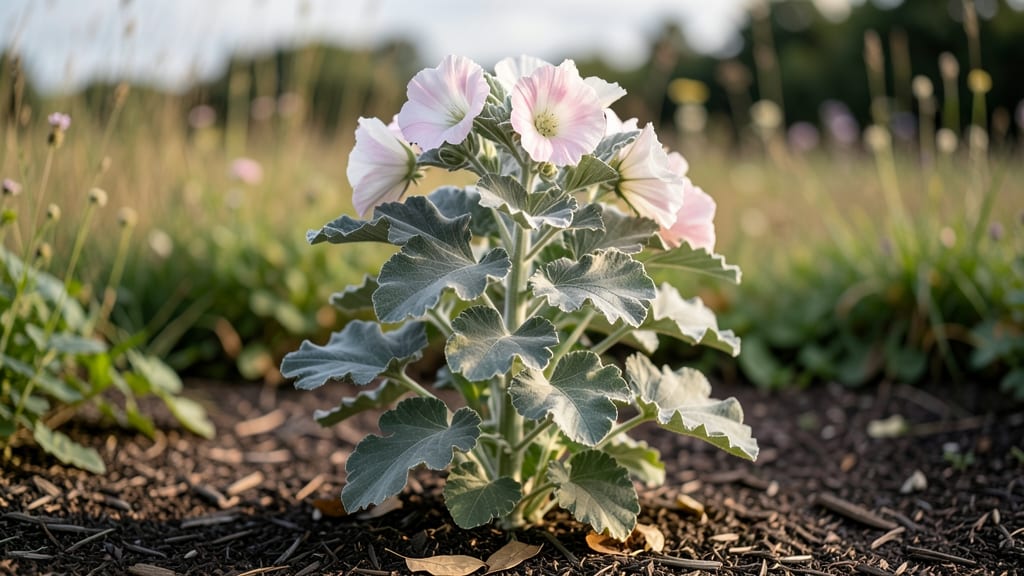
Your Lavatera tree mallow could look like a showstopper all season long—if you prune it the right way. I learned this the hard way after my first plant turned into a leggy mess, but now my bushes are thick with blooms from spring to frost.
The secret isn’t complicated: it’s about cutting back at the right times and encouraging new growth where you want it.
Tree mallow thrives with full sun and well-draining soil, but its real magic happens when you prune it twice a year—once in early spring and again after flowering. That second cut is what keeps it bushy and packed with those rosy-pink, hollyhock-like blooms you love.
You’ll also need a pair of sharp pruners and about 20 minutes of your time every few months.
What you’ll end up with is a plant that looks fuller, blooms more prolifically, and stays compact enough for borders or containers. The flowers attract bees and butterflies, and the foliage adds texture even when it’s not in bloom.
Best of all, it’s drought-tolerant once established, so once you get the pruning rhythm down, maintenance is easy.
Works for garden beds, mixed borders, or even as a focal point in cottage-style gardens. Let’s get those shears sharp and turn your tree mallow into the star of the show—without the flopping stems. Here’s how to do it right.
📚 In This Guide
- What you need
- Instructions
- Tips and common mistakes
- Wrapping up and next steps
What you need
- ● Pruning shears: Bypass pruners (sharp, clean, and sterilized with rubbing alcohol or bleach solution) for clean cuts on stems up to ½ inch thick.
- ● Loppers: 1 pair (for thicker branches, ¾–1½ inches in diameter). Look for bypass-style loppers for precision.
- ● Hand pruners: 1 pair (for delicate trimming of small stems or deadheading). Anvil-style is fine for occasional use.
- ● Gloves: Heavy-duty gardening gloves (cut-resistant) to protect against thorns and rough stems.
- ● Disinfectant: 1 bottle of 10% bleach solution (1 part bleach to 9 parts water) or hydrogen peroxide (3%) for sterilizing tools between cuts.
- ○ Pruning sealant (optional): A small tube of tree wound sealant (like Tanglefoot Tree Wound Pruning Seal) for sealing larger cuts (½ inch or wider).
- ● Garden twine or ties: 1 roll (for supporting branches if needed post-pruning).
- ● Weather check: Prune on a dry, overcast day or early morning to reduce stress on the plant. Avoid pruning in extreme heat or cold.
- ● Safety gear: Safety glasses (to shield from debris) and long sleeves/pants (for protection against thorns).
- ● Cleanup supplies: 1 small trash bag or bucket for clippings.
- ● 1 pair of scissors (for trimming large clumps of foliage).
- ● Plant knowledge: Familiarize yourself with your Lavatera tree mallow’s growth habit—identify dead, diseased, or crossing branches before you start.
- ● 🔥 Sharpen your tools! Dull blades crush stems, inviting disease. Hone shears with a file or sharpening stone before each session.
- ● ✨ Sterilize, sterilize, sterilize! Dip tools in your bleach solution before and after pruning to prevent spreading fungal/bacterial infections.
- ● 🌡️ Timing matters: For Lavatera, light pruning can happen year-round, but major shaping is best in early spring (just as new growth starts).
How to prune Lavatera tree mallow for continuous, lush growth
Pruning isn't just about shaping—it's the secret to keeping your tree mallow blooming from spring through fall.
✂️ Step 1: Early Spring Cleanup (Before New Growth)
Start in late February or early March, just as buds begin to swell but before any new leaves appear. Grab your pruners and remove all dead or damaged stems—they'll only drain energy from your plant. Look for branches that are brown, brittle, or hollow; cut them back to the main trunk or healthy growth.
Next, thin out any overcrowded branches. I like to keep about 3-4 strong stems per section, removing weaker ones at the base. This ensures better airflow and prevents fungal issues. You'll know you're doing it right when you see fresh, green buds emerging within 2-3 weeks of pruning.
☀️ Step 2: Mid-Season Maintenance (After First Bloom)
Once your tree mallow finishes its first flush of blooms—usually around late June—it's time for a light trim. Deadhead spent flowers by cutting just above a set of healthy leaves or buds. This encourages the plant to redirect energy into new growth rather than seed production.
While you're at it, shape the plant by trimming back any overly leggy stems by about one-third. Focus on branches that are growing inward or crossing others—these compete for sunlight and weaken the structure. After this trim, you should see fresh, vigorous growth within 10-14 days, signaling the plant is responding well.
⏰ Step 3: Late Summer Renewal (Preparing for Fall Blooms)
Around mid-August, give your tree mallow a final pruning to extend the blooming season. Cut back about half of the oldest stems to the ground—this rejuvenates the plant and stimulates new growth that will bloom into fall. I always prune on a mild, dry day to avoid stressing the plant or inviting disease.
After pruning, water deeply to help the plant recover. You'll notice new shoots emerging from the base within 3-4 weeks, and these will produce fresh flowers by early autumn. This step is crucial for a second bloom cycle and keeps your tree mallow looking lush well into cooler months.
✂️ Step 4: Winter Pruning (Light and Strategic)
Even in winter, a little maintenance keeps your tree mallow healthy. If you're in a mild climate, prune lightly in January to remove any dead or weak growth. In colder regions, wait until late winter, just before new growth starts. Avoid heavy pruning in winter—it stresses the plant when it's already dormant.
Focus on shaping rather than cutting back heavily. Trim any branches that are rubbing against each other or growing in awkward directions. A light prune now ensures a strong start in spring. You won't see immediate results, but come spring, your tree mallow will reward you with stronger stems and more abundant blooms.
Tips & tricks for pruning Lavatera tree mallow
Here's what nobody tells you about keeping your tree mallow thriving year after year—these are the secrets that'll make all the difference in your garden.
Timing Secret: In Step 1, when pruning in late February or early March, look for those tiny buds just beginning to swell—they're your cue to start. I've learned the hard way that pruning too early (when it's still dormant) stresses the plant, while waiting too long means you're cutting back new growth. Those 2-3 weeks of fresh buds emerging afterward? That's your reward for perfect timing.
Pruning Technique: For Step 2's mid-season maintenance, I always use sharp, clean pruners to make clean cuts just above a set of healthy leaves or buds. Ragged cuts invite disease, and cutting too close to buds can damage them. Pro tip: Wipe your pruners with rubbing alcohol between cuts on different plants to prevent spreading any potential pathogens from one branch to another.
Seasonal Strategy: The late summer renewal in Step 3 is where you really see results. Cutting back half of the oldest stems forces the plant to put energy into new growth rather than maintaining tired branches. This is the step that gives you those stunning fall blooms—don't skip it! Just remember to do it on a mild, dry day to minimize stress on the plant.
Winter Wisdom: In Step 4, when doing your light winter pruning, focus on shaping rather than cutting back heavily. Think of this as a gentle nudge to prepare for spring rather than a major overhaul. The key is to remove only what's necessary—those crossing branches or awkward growths—that'll make all the difference when new growth starts in spring.
Pro Tips for Lavatera Tree Mallow
- Here's what nobody tells you about keeping your tree mallow thriving year after year—these are the secrets that'll make all the difference in your garden.
- Timing Secret: In Step 1, when pruning in late February or early March, look for those tiny buds just beginning to swell—they're your cue to start.
- Pruning Technique: For Step 2's mid-season maintenance, I always use sharp, clean pruners to make clean cuts just above a set of healthy leaves or buds.
Frequently asked questions
Got questions about keeping your Lavatera tree mallow thriving with year-round pruning? We’ve got answers!
Whether you’re a newbie gardener or a seasoned pro, these FAQs will help you master the art of shaping this stunning plant for bushier blooms and healthier growth.
When is the best time to prune Lavatera tree mallow?
The ideal time to prune is late winter or early spring (before new growth starts) or right after flowering (late summer). For year-round shaping, light trims can be done anytime—just avoid heavy cuts during extreme heat or frost. Pro tip: Deadhead spent blooms regularly to encourage more flowers!
How much can I trim back Lavatera without harming it?
You can safely trim up to 1/3 of the plant’s height in one session, but avoid over-pruning. Lavatera is resilient but may struggle if cut back too aggressively. For bushier growth, focus on shaping rather than drastic reductions. If you prune too much, new shoots will emerge—but expect a slower recovery.
What should I do if my Lavatera isn’t blooming after pruning?
If your plant skips blooming, check these fixes:
- Light levels: Ensure it gets full sun (6+ hours/day)—shady spots reduce flowers.
- Watering: Keep soil consistently moist but not soggy (drought stress = fewer blooms).
- Fertilizer: Use a balanced, low-nitrogen feed in spring to encourage flowering.
- Pruning timing: Avoid heavy cuts too late in the season (post-summer pruning may delay blooms).
Are there any alternatives to Lavatera for similar bushy, flowering plants?
If you love Lavatera’s lush, mallow-like blooms but want alternatives, try these:
- Malva sylvestris (Common Mallow) – Hardy, drought-tolerant, and great for pollinators.
- Alcea rosea (Hollyhock) – Tall, dramatic blooms with similar care needs.
- Hibiscus syriacus (Rose of Sharon) – Thrives in heat and offers long-lasting flowers.
- Callistemon (Bottlebrush) – For a bold, red-flowering alternative with low-maintenance pruning.
Why are my Lavatera leaves turning yellow or dropping?
Yellow leaves or leaf drop usually signal one of these issues:
- Overwatering: Lavatera hates soggy roots—let soil dry slightly between waterings.
- Underwatering: Drooping leaves = thirsty plant! Water deeply when the top inch of soil is dry.
- Nutrient deficiency: Yellowing between veins often means iron or magnesium deficiency—use a chelated fertilizer.
- Pests/disease: Check for aphids or fungal spots (like powdery mildew). Prune affected areas and treat with neem oil if needed.
Wrapping up and next steps
The Lavatera Tree Mallow is a stunning addition to any garden, and with the right pruning techniques, you can keep it thriving year-round! 🌿 By following the steps outlined—whether it’s light trimming in spring, hard pruning in late winter, or deadheading spent blooms—you’ll encourage lush, bushier growth and vibrant flowers for seasons to come.
Now that you’re armed with the know-how, roll up your sleeves and give your Tree Mallow the TLC it deserves! Start with a quick assessment of your plant, gather your tools, and enjoy the rewarding process of shaping a healthier, more beautiful garden. Happy pruning! ✂️🌸