
Pruning
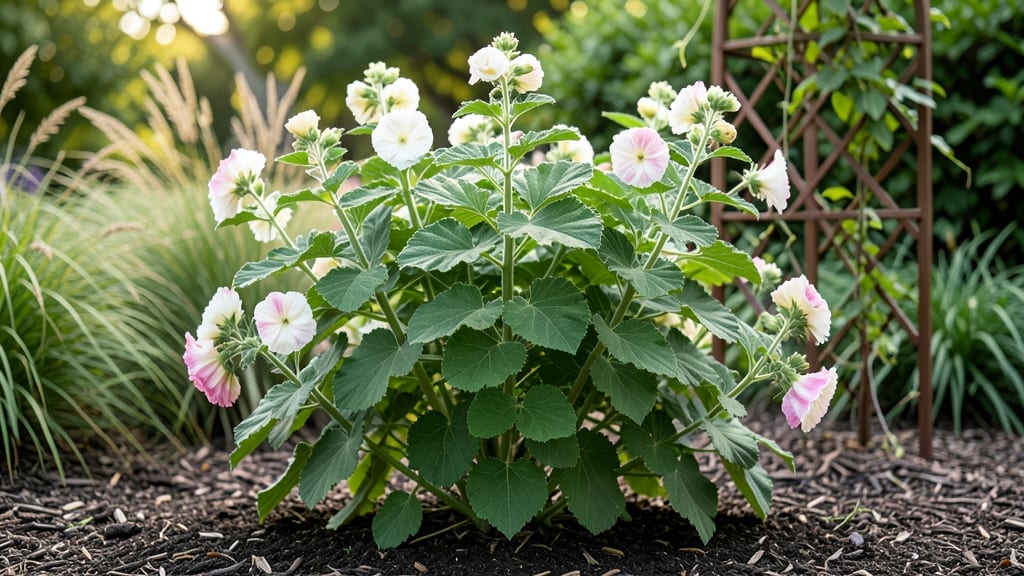
This tree mallow, the Lavatera bicolor, turns any garden into a cottagecore dream—but only if you prune it right. 🌿 I’ve watched mine go from leggy and sparse to a bushy, bloom-covered powerhouse in just one season, and it all comes down to timing and technique.
The key? Cutting back hard in early spring before new growth appears, then light shaping throughout summer to encourage those bold, papery flowers.
This plant thrives in full sun to partial shade and tolerates poor soil, making it a low-maintenance star for zones 5-9. The real magic happens when you prune right after flowering—those spent blooms hide new buds forming at the base, so don’t hesitate to snip.
A pair of sharp shears and 10 minutes of focus is all you need to keep it compact and prolific. For extra bushiness, pinch back tips in early summer to trigger branching.
What you’ll end up with is a cloud of velvety pink-and-white blooms that last from summer into fall, paired with deep green, slightly fuzzy foliage that adds texture. The plant even handles drought once established, so your time investment pays off in months of drama-free beauty.
Just remember: the harder you prune in spring, the more dramatic the summer display.
Works just as well in containers, borders, or as a focal point—just adjust pruning frequency based on your space. Now grab those shears and let’s get growing!
📚 In This Guide
- What you need
- Instructions
- Tips and common mistakes
- Wrapping up and next steps
What you need
- ● Pruning shears: Bypass pruners (sharp, clean, and sterilized with rubbing alcohol or bleach solution). Must be able to cut through woody stems up to ½-inch thick.
- ● Loppers: For thicker branches (up to 1-inch diameter). Choose bypass-style (not anvil) for cleaner cuts.
- ● Gloves: Heavy-duty gardening gloves (protect against thorns and sap). Waterproof or nitrile-coated recommended.
- ● Disposable pruning bags: 1–2 large bags (for collecting debris and preventing disease spread).
- ● Rubbing alcohol (70%+): Small bottle for sterilizing tools between cuts.
- ● Hose or bucket of water: For rinsing tools and cleaning sap off blades.
- ○ Permanent marker: Fine-tip for labeling pruned branches (optional but helpful for grafting/propagation).
- ● Hand saw: For stubborn, thick branches (if loppers struggle).
- ● Pruning sealant: (e.g., tree wound paint) to coat large cuts and prevent disease. Use sparingly—only on cuts over ½-inch.
- ● Knee pad or stool: For comfort if your Tree Mallow is tall or dense.
- ● Camera or phone: To document your pruning progress or track growth over time.
- ● Compost bin: For repurposing pruned branches (great for mulch or compost!).
Step-by-Step pruning guide for lavatera bicolor tree mallow
Here's how to coax your tree mallow into a lush, flowering powerhouse—without over-pruning.
🌿 Step 1: Understand the Right Time to Prune
Prune your lavatera bicolor late winter or early spring, just as new growth begins but before buds swell. This timing ensures you remove dead wood while leaving the plant's energy reserves intact for the season ahead. Avoid pruning in fall—you'll cut off next year's blooms before they form.
Look for dormant stems with no signs of green growth. These are safe to cut back completely. Healthy stems will show slight swelling at the base where new shoots will emerge. If you're unsure, wait a week—you can always prune later, but you can't undo a hasty cut.
✂️ Step 2: Cut Back Dead and Weak Growth
Use clean, sharp pruning shears to remove any dead, damaged, or crossing branches. Start with the obvious—stems that are brown, brittle, or showing signs of disease. Cut these back to the base of the plant. This opens up the center for airflow and sunlight, which prevents fungal issues.
For weak stems that haven't died but are thin and leggy, cut them back by one-third of their length. You'll see where the cuts should go by looking for leaf nodes or slight bulges—these are where new growth will sprout. Avoid cutting into old wood; always make your cuts just above a bud or node.
☀️ Step 3: Shape for Bushier Growth and More Blooms
Step back and assess the plant's structure. Your goal is to create a rounded, open shape that allows sunlight to reach the center. Start by cutting back the longest stems by half their length. This encourages branching and a fuller habit. Focus on stems that are growing outward rather than inward.
For a more dramatic effect, you can prune lavatera bicolor again in mid-summer after the first flush of blooms. Cut back the current season's growth by one-third to encourage a second round of flowers. Watch for new shoots emerging from the base—these are your signal that the plant is responding well to the pruning.
💧 Step 4: Post-Pruning Care for Recovery
After pruning, give your tree mallow a deep watering to help it recover. The roots will need to support new growth, and moisture ensures they can take up nutrients efficiently. Avoid fertilizing immediately after pruning—wait until new growth appears before feeding.
Keep an eye on the plant in the weeks following pruning. You'll notice new shoots emerging from the base and along the stems within 2-3 weeks. This is a good sign! If the plant looks stressed (yellowing leaves, wilting), it may need more time to adjust. In this case, reduce watering slightly until new growth is established.
⏰ Step 5: Monitor and Maintain Through the Season
Throughout the growing season, remove any spent blooms by pinching them off just above a leaf node. This practice, called deadheading, encourages the plant to produce more flowers. You'll see a steady stream of new buds forming if you keep up with this task.
If your lavatera bicolor becomes too leggy or unruly during the season, you can do a light pruning in late summer to tidy it up. Cut back any overly long stems by one-third, but avoid heavy pruning at this stage—it can reduce flowering for next year. Watch for new growth at the tips of the remaining stems as your cue that the plant is thriving.
Tips & tricks for perfect lavatera bicolor tree mallow pruning
Transforming your tree mallow into a vibrant, blooming beauty takes precision—and these insider tricks will help you avoid common pitfalls while maximizing results.
Timing is Everything: The late winter to early spring window is critical because your lavatera bicolor stores energy reserves in its roots during dormancy. Pruning too early can shock the plant, while waiting too long risks cutting off next year's flower buds. I always check for the first hint of green growth at the base—this is your cue that the plant is ready to respond positively to pruning. If you're unsure, wait that extra week rather than risking over-pruning.
The Art of Strategic Cuts: When shaping in Step 3, focus on creating an open center by cutting back the longest stems by half their length. This might seem aggressive, but it's what triggers that bushier growth we all want. I find it helpful to visualize the plant as a rounded dome—you're essentially sculpting it to let sunlight penetrate all the way to the center. For the mid-summer pruning, those one-third cuts are your secret weapon for encouraging that second flush of blooms.
Tool Maintenance Matters: Your pruning shears should be as sharp as possible—dull blades crush stems instead of making clean cuts. I clean and sharpen mine after each pruning session, especially when dealing with tree mallow's slightly sticky sap. A quick wipe with rubbing alcohol between cuts also prevents disease transmission. And always make cuts at a 45-degree angle just above a bud or node—this small detail makes all the difference in how quickly the plant recovers.
Recovery Watch: After pruning, the 2-3 week window for new shoots to emerge is your progress report. If you don't see any growth after 3 weeks, it might indicate stress from over-pruning or environmental factors. I've learned to adjust my approach based on the plant's response—sometimes that means scaling back on watering or providing temporary shade until new growth appears. Think of this period as your plant's recovery room.
Pro Tips for Lavatera Bicolor Tree Mallow
- Transforming your tree mallow into a vibrant, blooming beauty takes precision—and these insider tricks will help you avoid common pitfalls while maximizing results.
- Timing is Everything: The late winter to early spring window is critical because your lavatera bicolor stores energy reserves in its roots during dormancy.
- The Art of Strategic Cuts: When shaping in Step 3, focus on creating an open center by cutting back the longest stems by half their length.
Frequently asked questions
Got questions about keeping your Lavatera bicolor (Tree Mallow) thriving with pruning?
Here are answers to the most common ones—so you can keep those bold blooms coming year after year!
When is the best time to prune Lavatera bicolor for maximum blooms?
The ideal time is early spring (just before new growth starts) or right after flowering in late summer. Avoid heavy pruning in fall—this plant needs time to harden off for winter. Light shaping in spring keeps it bushy and encourages vibrant blooms all season!
Do I need to prune Lavatera bicolor in winter? What about dead or damaged branches?
Winter is for minimal pruning—only remove dead, diseased, or crossing branches to prevent pests. Wait until late winter or early spring to do any major shaping. Cold snaps can stress the plant, so avoid heavy cuts unless absolutely necessary. Think of it as a gentle trim, not a haircut!
How much can I cut back Lavatera bicolor without harming it?
You can safely prune up to 1/3 of the plant in early spring. For a harder prune (cutting back to 12–18 inches), do it in late winter—this rejuvenates older plants but may delay blooms slightly. Always use clean, sharp shears to avoid tearing stems. Pro tip: Step back and admire your work!
What if my Lavatera bicolor isn’t blooming much after pruning?
Fewer blooms often mean over-pruning or nutrient stress. Try these fixes:
- Feed it: Use a balanced fertilizer in early spring.
- Check sunlight: Ensure it gets 6+ hours of sun daily.
- Water deeply: Drought stress reduces blooms.
- Avoid late pruning: Heavy cuts after summer can stunt flowering.
Are there alternatives to pruning if I’m overwhelmed?
If pruning feels like too much:
- Let it grow wild: Lavatera bicolor tolerates minimal maintenance—just remove dead growth.
- Stake young plants to encourage upright growth naturally.
- Mulch well to protect roots and reduce stress.
Wrapping up and next steps
Pruning your Lavatera bicolor tree mallow isn’t just about keeping it tidy—it’s your secret to showstopping blooms and a lush, thriving plant! 🌸 With the right tools, timing, and technique, you’ll encourage vibrant growth and maximize its stunning two-toned flowers.
Whether you’re trimming for shape, rejuvenating an older plant, or prepping for winter, every snip brings you closer to a healthier, happier garden star.
Ready to roll up your sleeves? Grab your pruners, dust off those gloves, and give your tree mallow the care it deserves! Next up: watch it transform—and share your pruning triumphs with fellow gardening enthusiasts. Happy clipping! ✂️🌿