
Pruning
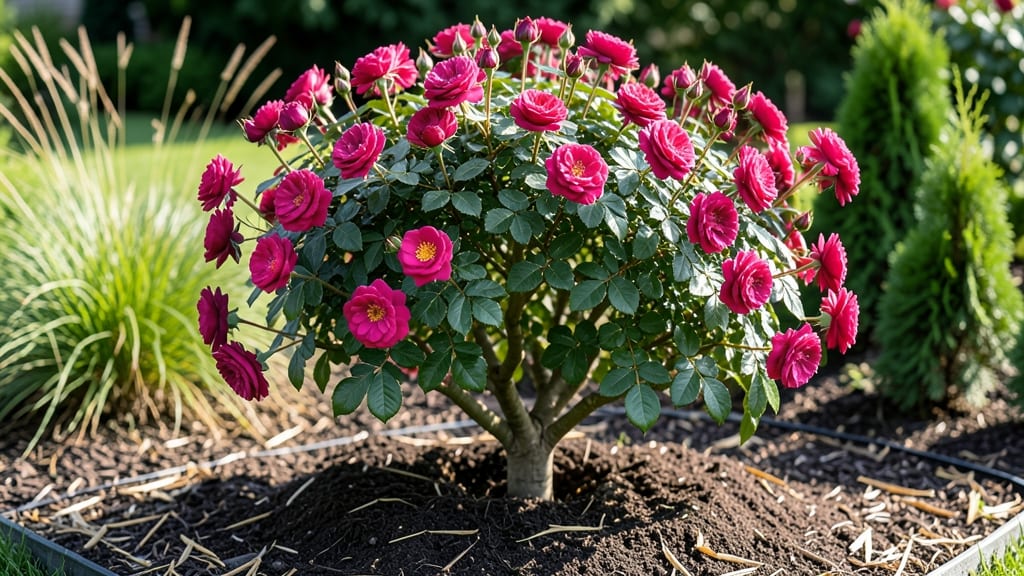
Growing a Knock Out roses tree is the closest thing to a no-fail garden plant—it blooms from spring to frost, thrives in tough conditions, and stays healthy with just four simple cuts a year. 🌿 I planted mine in early spring and by summer, it was already covered in pink blooms, and neighbors kept asking what magic I'd used.
The secret isn't complicated: it's sunlight, well-draining soil, and knowing when to prune.
These roses are built for easy care, but they do need a few basics to shine. A sunny spot with at least 6 hours of direct light is non-negotiable, and the soil should drain well—amend heavy clay with compost if needed.
Water deeply once a week (more in extreme heat), and feed with a balanced rose fertilizer in early spring. The pruning is where the real magic happens—just four strategic cuts keep it blooming nonstop.
By mid-summer, your tree will be covered in clusters of fragrant blooms, and the best part? It stays compact without needing constant shaping. The flowers attract pollinators all season, and the glossy green foliage adds year-round interest.
With just a little maintenance, you'll have a rose bush that outperforms any other plant in your yard—no green thumb required.
Whether you're dealing with heat waves, pests, or winter freezes, Knock Out roses handle it all. The key is staying consistent with watering and pruning, and you'll have a bush that looks like it belongs in a botanical garden, not just your backyard. Let's get yours growing strong!
📚 In This Guide
- What you need
- Instructions
- Tips and common mistakes
- Wrapping up and next steps
What you need
- ● Pruning shears: Bypass pruners (sharp, clean, and disinfected with rubbing alcohol). Quantity: 1 pair.
- ● Loppers: For thicker branches (1–2 inches in diameter). Quantity: 1 pair.
- ○ Hand pruners: For precision cuts on smaller stems. Quantity: 1 pair (optional but handy!).
- ● Gloves: Heavy-duty, rose-resistant (thorns are no joke!). Quantity: 1 pair.
- ● Disinfectant: 1-part bleach to 9 parts water (for sterilizing tools between cuts).
- ● Rubbing alcohol: 70% isopropyl (for quick tool clean-ups).
- ○ Pruning sealant: Optional but helpful for large cuts (1 small bottle).
- ● Garden twine or plant ties: To support branches if needed (1 roll).
- ● Trash bags: For collecting pruned debris (2–3 large bags).
- ● Hose or water source: To rinse tools and refresh cuts.
- ● Best time to prune: Late winter or early spring (before new growth starts). ⏰ Pro tip: Avoid pruning when frost is forecasted!
- ● Weather: Choose a dry, overcast day to reduce stress on the plant.
- ● Safety first: Wear long sleeves/pants and closed-toe shoes to avoid thorn pricks! 💡
- ● Tool check: Sharpen blades before starting—dull tools crush stems instead of cleanly cutting.
Step-by-step pruning for a thriving Knock Out roses tree
Here’s how to keep your Knock Out roses blooming nonstop with just four straightforward cuts.
✂️ Step 1: Prune Dead or Diseased Wood First
Start by removing any branches that are brown, mushy, or showing signs of disease—these sap-suckers will drain energy from your healthy blooms. Use clean, sharp pruners to cut just above a healthy bud or outward-facing leaf. You’ll know you’re on the right track when the cut surface is clean and white, not black or oozing.
I always do this in late winter or early spring before new growth begins. If you spot any cankers (sunken, cracked areas) on the branches, prune at least 6 inches below the damage. Knock Out roses are tough, but they won’t waste energy trying to revive dead wood—so remove it all.
✂️ Step 2: Thin Out Crowded Branches
Next, look for branches that cross or rub against each other—they’ll eventually tear and create entry points for pests. Remove about one-third of the oldest canes (the thickest, woody stems) to encourage new growth. You’re not just cleaning up; you’re making room for stronger, more vibrant blooms.
Here’s the thing—Knock Out roses bloom on new wood, so you don’t need to worry about cutting back old flowers. Just focus on opening up the center of the tree so air and light can reach all the way in. If a branch is growing straight up, cut it back to just above an outward-facing bud to encourage a fuller shape.
☀️ Step 3: Shape for Sunlight and Airflow
Now it’s time to give your tree its signature rounded shape. Cut back any branches that are growing inward or downward to create an open vase-like structure. This isn’t about perfection—it’s about letting sunlight and air move freely through the tree. You’ll see the difference in just a few weeks when new shoots emerge with more energy.
I like to step back every few cuts to visualize the tree’s form. If one side looks too bare, leave a few extra branches there to balance it out. Knock Out roses are forgiving, so don’t stress about symmetry—just aim for a natural, open look. The goal is 6-8 main branches spaced evenly around the tree.
✂️ Step 4: Lightly Trim for Continuous Blooms
Throughout the growing season, give your Knock Out roses a quick once-over every 4-6 weeks. Deadhead spent blooms by cutting just above the next set of leaves (about ¼ inch above a leaf node). This might seem counterintuitive—after all, roses are supposed to bloom all season—but it actually encourages more flowers by redirecting the plant’s energy.
Real talk: You don’t need to be precise here. Just snip off the faded flowers and any leggy stems that are growing too long. The key is consistency—even a few minutes of maintenance every month keeps your tree looking lush and flowering heavily. And if you miss a bloom or two, don’t worry—Knock Out roses are famous for their resilience.
Tips & tricks for perfectly pruned Knock Out roses
Here's the secret to keeping your Knock Out roses thriving with minimal effort—just a few simple tricks that'll make all the difference.
Timing Secret: Late winter or early spring is the ideal window for your first major pruning, right before those first tender shoots appear. I learned this the hard way after pruning too early—new growth was still dormant, and I ended up with fewer blooms. Wait until you see tiny green buds forming along the branches, but before they've broken through the bark. This ensures you're not cutting off potential blooms.
Tool Technique: Your pruners are more important than you might think. Always use clean, sharp pruners—dull blades tear the bark, creating wounds that invite disease. After each cut, wipe the blade with rubbing alcohol to prevent spreading any potential pathogens between branches. I also like to sterilize my tools with a flame if I'm working with multiple trees in a row. The cleanliness makes a surprising difference in how quickly your roses recover.
Visual Cue for Cuts: When pruning in Step 3 to shape your tree, look for the "buds that face outward" rule. These buds will grow outward, creating that lush, rounded shape. If you're unsure which way a bud faces, make a small cut and gently bend the stem—buds that face the direction they'll grow will be on the outside of the bend. This simple trick saves you from having to guess and results in a more balanced, fuller tree.
Seasonal Maintenance: That 4-6 week maintenance schedule in Step 4 is your secret weapon for continuous blooms. Set a reminder on your phone for every 6 weeks—it takes less than 10 minutes to deadhead spent blooms and trim leggy stems. I like to do this on a Sunday morning with my coffee, making it part of my routine. The key is consistency; even one missed session can lead to fewer blooms later in the season.
Pro Tips for Knock Out Roses Tree
- Here's the secret to keeping your Knock Out roses thriving with minimal effort—just a few simple tricks that'll make all the difference.
- Timing Secret: Late winter or early spring is the ideal window for your first major pruning, right before those first tender shoots appear.
- Tool Technique: Your pruners are more important than you might think.
Frequently asked questions
Got questions about keeping your Knock Out Roses tree blooming beautifully? You’re not alone! Here are some of the most common queries—and their straightforward answers—to help you master year-round care with ease.
How often should I prune my Knock Out Roses tree?
Prune your Knock Out Roses tree once a year, ideally in late winter or early spring (before new growth starts). This keeps the shape tidy and encourages non-stop blooms. Skip fall pruning—it can leave the plant vulnerable to cold damage. Check our step-by-step guide for exact timing!
Can I prune Knock Out Roses in winter?
Yes, but only if it’s mild (above 20°F/-7°C). Heavy frost or snow? Wait until spring. Pruning in winter risks exposing fresh cuts to cold, which can stress the plant. If you must prune in winter, do it on a dry, frost-free day and avoid removing more than 1/3 of the plant at once.
What if my Knock Out Roses aren’t blooming as much?
Lackluster blooms often mean over-pruning, poor nutrition, or deadheading neglect. First, check your cuts—never trim into old wood (no green buds = no flowers). Feed with rose-specific fertilizer in spring, and deadhead spent blooms weekly to redirect energy to new flowers. Still struggling? Check for pests or disease first!
Are Knock Out Roses trees drought-tolerant?
Once established (after 1–2 years), these tough trees thrive with minimal watering. Water deeply 1–2 times per week during dry spells, but avoid soggy soil. Mulch around the base (2–3 inches) to retain moisture and regulate temperature. Pro tip: Let the top inch of soil dry out between waterings to prevent root rot.
Can I grow Knock Out Roses in containers?
Yes! Just choose a large pot (at least 15–20 gallons) with drainage holes and use well-draining soil. Container roses need more frequent watering and fertilizer (every 4–6 weeks in growing season). Prune lightly to control size, and move pots to partial sun (6+ hours daily) for best results. Need pot-specific tips?
Why are my Knock Out Roses leaves turning yellow?
Yellow leaves usually signal overwatering, nutrient deficiency, or fungal issues. Start by checking the soil—it should be moist but not soggy. If the yellowing is on older leaves, it’s likely a nitrogen deficiency (feed with a balanced fertilizer). New leaves yellowing? Could be powdery mildew—spray with neem oil or fungicide and improve airflow.
Wrapping up and next steps
Growing a thriving Knock Out Roses tree is easier than you think—just four simple cuts can keep it blooming beautifully year-round! 🌸 With the right tools, timing, and technique, you’ll enjoy vibrant flowers and a healthy, low-maintenance shrub.
Whether you’re a gardening pro or just starting, these pruning tips will set you up for success.
Ready to transform your yard? Grab your pruners and get started today—your rose tree will thank you with stunning blooms all season long! 🌿