
Pruning
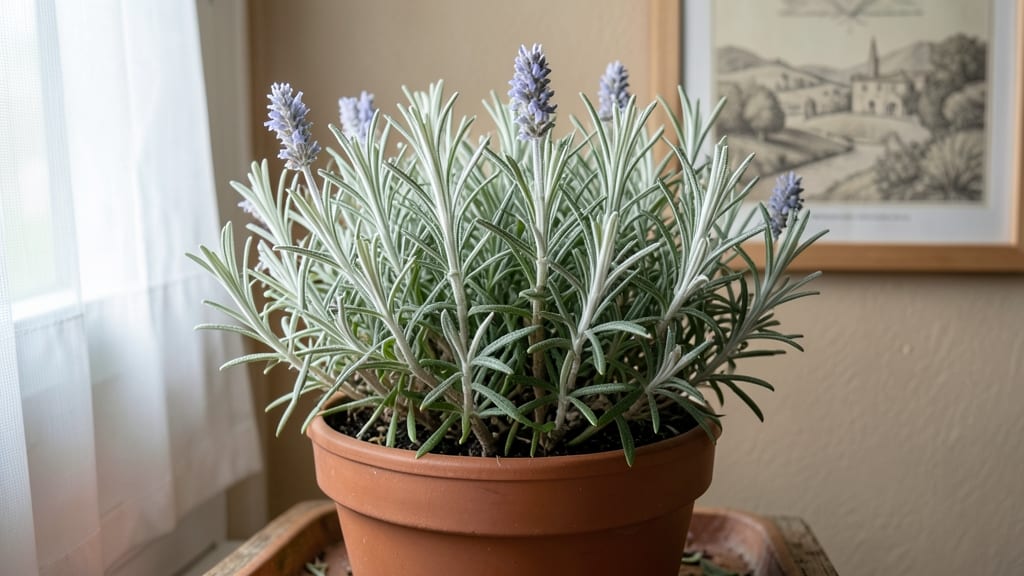
An indoor rosemary tree that thrives year-round isn’t just possible—it’s easier than you’d think, and the piney aroma alone makes it worth the effort. 🌿 I’ve kept mine alive for three winters now, and the secret isn’t complicated: it’s all about sunlight, water, and a little patience.
Most people overwater or move it around too much, which stresses the plant. But once you nail these basics, you’ll have a fragrant, bushy rosemary that doubles as a kitchen herb and a living centerpiece.
The key to success starts with bright, indirect light—think south-facing windows or a grow light for 6-8 hours daily. My rosemary lives near a sunny window, and I rotate it weekly so it doesn’t lean.
Watering is where beginners trip up: let the top inch of soil dry out completely before watering again. Overwatering is the fastest way to kill it, but underwatering just slows growth.
A well-draining potting mix (cactus or succulent blend works great) keeps roots happy, and a pot with drainage holes prevents soggy soil.
You’ll know you’re doing it right when you see new growth at the tips and that fresh rosemary scent hits you as you walk by. Pruning isn’t just for shaping—it keeps the plant compact and encourages bushier growth.
Snip just above a leaf pair whenever you harvest or shape, and you’ll have a fuller plant in no time. The best part? This rosemary stays productive for years, so you’ll always have fresh sprigs for cooking or garnishes.
Even in small spaces, this works—whether you’re in a cozy apartment or a bright corner of a larger home. The only real challenge is avoiding drafts, so keep it away from AC vents or heaters.
Once you’ve got the rhythm down, your rosemary will reward you with lush, fragrant foliage that’s way better than store-bought. Let’s get yours thriving!
📚 In This Guide
- What you need
- Instructions
- Tips and common mistakes
- Wrapping up and next steps
What you need
- ● Rosemary plant: A healthy 1-2 gallon potted rosemary (preferably Rosmarinus officinalis for best indoor success).
- ● Well-draining pot: 12–16 inches in diameter with drainage holes (terracotta or ceramic works best).
- ● Potting mix: 3–5 gallons of a fast-draining blend: 60% cactus/succulent mix + 40% perlite/pumice.
- ● Pruning shears: Sharp, clean bypass pruners (sterilize with rubbing alcohol before use).
- ● Glove: 1 pair of lightweight gardening gloves (rosemary can be prickly!).
- ● Watering can: 1–2 gallon capacity with a rose nozzle for gentle watering.
- ● Sunlight source: A south-facing window (6+ hours of light/day) or a grow light (12–16 hours/day).
- ● Humidity tray: A shallow tray with pebbles and water to boost air moisture (especially in dry climates).
- ● Slow-release fertilizer: 1–2 tbsp of balanced 10-10-10 granules (apply every 3–4 months).
- ● Propagating containers: 4–6 small 4-inch pots for cuttings (if you want to grow new plants!).
- ● Spray bottle: For misting leaves if your home is very dry.
- ● Pruning paste: To seal cuts and prevent disease (use sparingly).
How to grow a thriving indoor rosemary tree
Here's the straightforward approach I use to keep my rosemary lush and fragrant indoors.
🌱 Step 1: Choose the Right Container and Soil
Start with a 6-8 inch pot that has drainage holes—rosemary roots need air circulation to prevent rot. I use terra cotta because it breathes and helps regulate moisture. Fill the bottom third with 1-2 inches of coarse sand or gravel to improve drainage and prevent soggy soil.
Next, add 2-3 inches of well-draining potting mix. A blend of cactus/succulent mix with 20% perlite works perfectly. Rosemary hates soggy roots, so avoid regular garden soil—it compacts and holds too much moisture. Pat the soil down lightly to remove air pockets but don't pack it tightly.
☀️ Step 2: Position for Maximum Light and Warmth
Rosemary craves bright light—place it within 2-3 feet of a south-facing window or under grow lights for 12-14 hours daily. Without enough light, the leaves turn pale and leggy. If you notice new growth stretching toward the window, your plant needs more light immediately.
Keep temperatures between 65-75°F during the day and 55-65°F at night. Rosemary thrives in consistent warmth, so avoid drafty spots near doors or air vents. A sunny windowsill is ideal, but if that's not available, supplement with a full-spectrum LED grow light kept 6-12 inches above the plant.
💧 Step 3: Water Sparingly and Prune for Shape
Water only when the top 1-2 inches of soil feel completely dry—this usually means every 7-10 days, but adjust based on your home's humidity. Stick your finger in the soil; if it's damp, wait longer. Overwatering is the fastest way to kill rosemary. Always water at the base, avoiding the leaves to prevent fungal issues.
Prune lightly to encourage bushiness. Pinch back the top set of leaves when the plant reaches 6-8 inches tall to stimulate branching. Use clean, sharp scissors to trim just above a leaf node. Regular pruning keeps the shape compact and prevents woody stems. Harvest sprigs occasionally for cooking—this encourages new growth and keeps the plant full.
✂️ Step 4: Fertilize Lightly and Monitor for Pests
Feed your rosemary once in early spring with a balanced, water-soluble fertilizer (like 10-10-10) diluted to half-strength. Over-fertilizing causes salt buildup in the soil, which burns roots. After feeding, flush the soil with water to prevent residue buildup. No fertilizer is needed in winter when growth slows.
Check for pests like spider mites or aphids weekly. Wipe leaves with a damp cloth to remove dust and deter pests. If you spot tiny webs or sticky residue, spray with neem oil solution (1 tsp neem oil + 1 quart water). Rosemary is generally pest-resistant, but indoor conditions can invite trouble if neglected.
🪴 Step 5: Repot and Refresh as Needed
Every 2-3 years, repot your rosemary into a container 2-3 inches larger to give roots room to grow. Spring is the best time—new growth will recover quickly from the disturbance. Use fresh well-draining potting mix and trim any circling or overly long roots to encourage outward growth.
If your rosemary becomes leggy or sparse, it may need more light or a pruning reset. Cut back one-third of the oldest growth to rejuvenate the plant. With proper care, your indoor rosemary can live for years, filling your home with fragrance and flavor.
Tips & tricks for perfect indoor rosemary growth
Between us, rosemary thrives when you pay attention to the little details—especially indoors. Here's what I've learned to keep my plants lush and fragrant year-round.
Light is Everything: That 12-14 hour daily light requirement isn't just about brightness—it's about consistency. If your rosemary starts stretching toward the window (a sign of "leggy growth"), move it closer immediately. I've found that rotating the pot every few weeks ensures even growth all around. For those without south-facing windows, a simple LED grow light on a timer solves the problem completely.
Soil Science Matters: The 20% perlite in your cactus/succulent mix blend isn't just for show—it's what prevents root rot. I learned this the hard way after my first rosemary plant turned mushy from overwatering. Pro tip: If you can't find pre-mixed soil, add perlite to regular potting mix yourself (1 part perlite to 4 parts soil). The extra grit mimics rosemary's Mediterranean habitat perfectly.
Pruning with Purpose: When you pinch back those top leaves at 6-8 inches, you're not just shaping the plant—you're encouraging it to branch out. I've seen dramatic differences in bushiness after just one pruning session. Use your fingers for small pinches and scissors for larger cuts, always making clean snips just above a leaf node. This technique also stimulates new growth that's perfect for harvesting.
Temperature Secrets: Those 65-75°F daytime temps aren't arbitrary—they match rosemary's natural climate. If your home runs cooler, especially at night, consider moving the plant near a sunny window during the day and bringing it back to a warmer spot at night. I've noticed my rosemary grows more vigorously when it experiences this natural temperature swing, even indoors.
Pro Tips for Indoor Rosemary Tree
- Between us, rosemary thrives when you pay attention to the little details—especially indoors.
- Light is Everything: That 12-14 hour daily light requirement isn't just about brightness—it's about consistency.
- Soil Science Matters: The 20% perlite in your cactus/succulent mix blend isn't just for show—it's what prevents root rot.
Frequently asked questions
Got questions about keeping your indoor rosemary tree thriving? Here are answers to the most common concerns—so you can enjoy fresh herbs and fragrant air without the stress!
How often should I prune my indoor rosemary tree?
Prune your rosemary tree lightly every 4–6 weeks to encourage bushy growth and prevent legginess. Focus on trimming just the tips (about ¼ inch) to maintain shape. Avoid heavy pruning—rosemary is resilient but can get stressed if over-pruned. Pro tip: Always use clean, sharp shears to avoid damaging stems!
Can I grow rosemary indoors year-round, or does it need a winter break?
Rosemary thrives indoors all year if you mimic its Mediterranean roots: bright light (south-facing window or grow lights), moderate water (let soil dry slightly between waterings), and cooler temps (60–75°F). Skip the "winter break"—just reduce watering slightly in winter when growth slows. Watch for: yellow leaves = overwatering; crispy edges = too dry.
Why are my rosemary leaves turning yellow or brown?
Yellow leaves usually mean overwatering—rosemary hates soggy roots! Brown, crispy edges? Underwatering or low humidity (common in dry indoor air). Adjust care: water only when the top inch of soil is dry, and mist leaves occasionally or place the pot on a pebble tray. Fix fast: Trim affected leaves to redirect energy to healthy growth.
Can I use kitchen rosemary for my indoor tree, or do I need a special variety?
Yes! Most culinary rosemary varieties (like 'Tuscan Blue' or 'Arp') adapt well to indoor life. Avoid dwarf varieties—they’re bred for gardens, not pots. Choose a woody-stemmed plant (not a floppy herb) for better structure. Bonus: The same rosemary you cook with can thrive as a fragrant houseplant!
How do I propagate my indoor rosemary tree?
Propagating is easy! Snip a 4–6 inch stem with 3–4 leaves, strip the lower leaves, and dip the cut end in rooting hormone (optional). Plant in moist potting mix (cactus/succulent blend works) and keep in bright, indirect light. Roots form in 3–6 weeks. Pro move: Use a clear jar to monitor root growth—it’s oddly satisfying!
Wrapping up and next steps
Growing an indoor rosemary tree is a rewarding way to enjoy fresh herbs, soothing aromas, and a touch of greenery year-round—without the hassle of heavy pruning! With just a few simple steps—like proper lighting, well-draining soil, and occasional trims—you’ll keep your plant thriving and lush.
Whether you’re a beginner or a seasoned plant parent, this fragrant companion is easy to care for and packed with benefits.
Ready to take the next step? Snip, savor, and share! Start by placing your rosemary near a sunny window, then experiment with small pruning cuts to shape it just how you like.
Before you know it, you’ll have a flourishing indoor herb garden that’s as beautiful as it is useful. 🌿✨