
Pruning
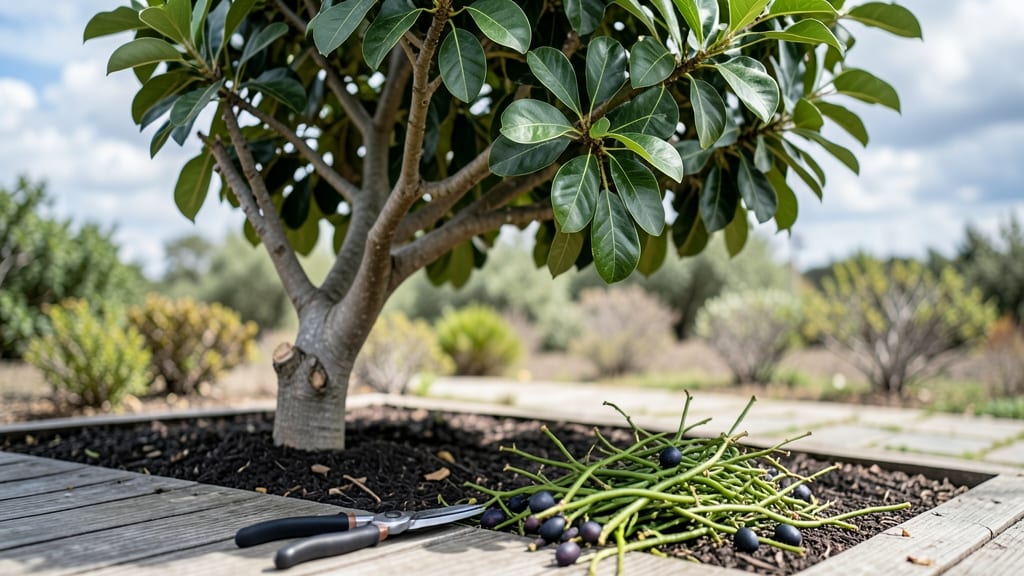
Trimming an avocado tree isn’t just about shaping—it’s about giving your tree the best chance to thrive. ✂️ I’ve watched my own avocado tree go from scraggly and overcrowded to strong and productive after learning the right cuts and timing.
The key is removing only what’s necessary while encouraging healthy growth, not stripping the tree back to bare branches.
You’ll need just a few tools: sharp pruning shears for clean cuts, heavy-duty gloves to protect from thorns, and maybe a small saw for thicker branches. The best time to trim is late winter or early spring, before new growth starts—this gives your tree time to heal before summer heat.
Start by removing dead, diseased, or crossing branches first, then thin out the canopy to let sunlight and air reach the center.
What you’ll end up with is a tree that produces more fruit, resists disease better, and looks like it belongs in a tropical paradise. The branches will be sturdy, the leaves will shine, and you’ll avoid the common mistakes that leave trees looking sad and stressed.
Think of it as a spa day for your avocado—less clutter, more energy for growing.
This method works for both young trees you’re shaping and mature trees that need maintenance. Whether you’re dealing with a backyard tree or a container-grown avocado, the principles stay the same. Let’s get those branches looking like they were meant to be.
📚 In This Guide
- What you need
- Instructions
- Tips and common mistakes
- Wrapping up and next steps
What you need
- ● Pruning shears: Bypass pruners (for small branches, 4-6 inches in diameter) – 1 pair (sharp, clean, and rust-resistant).
- ● Pruning saw: Curved-tooth or folding pruning saw (for thicker branches, 2-4 inches in diameter) – 1 (lightweight for easy handling).
- ● Ladder or step stool: Sturdy, non-slip (tall enough to reach the tree’s canopy) – 1 (ensure weight capacity matches your needs).
- ● Gloves: Heavy-duty, cut-resistant (to protect hands from thorns and sharp tools) – 1 pair.
- ● Disinfectant: 70% isopropyl alcohol or bleach solution (1 part bleach to 9 parts water) (to sterilize tools and prevent disease spread) – small bottle.
- ○ Sealing wax or pruning paste: (optional but recommended for large cuts to prevent infection) – small tube.
- ● Trash bags or bucket: (for collecting pruned branches) – 1-2.
- ● Safety glasses: (to protect eyes from debris) – 1 pair.
- ● Long sleeves/pants: (to shield skin from thorns and sun exposure).
- ● Extension pole pruners: (if your tree is very tall) – 1 (saves time and effort).
- ● Marking twine or tape: (to tag branches for removal if needed) – small roll.
Step-by-Step guide for pruning an avocado tree
Here's how I shape my avocado trees—keeping them healthy, productive, and looking great.
✂️ Step 1: Gather Your Tools and Inspect the Tree
Start with sharp, clean tools. A bypass pruning shears works for smaller branches, while a pruning saw handles thicker limbs. Wipe blades with rubbing alcohol before and after to prevent disease spread. Avocados respond best to pruning when they're actively growing, so aim for late winter or early spring.
Walk around the tree to spot dead, crossing, or overcrowded branches. Look for V-shaped crotches—these are weak points where branches meet the trunk or each other. These spots often develop cracks and should be removed. Healthy branches have smooth, green bark and vibrant leaves.
🌿 Step 2: Remove Dead, Diseased, or Weak Branches First
Start with the obvious—any branches that are brown, brittle, or devoid of leaves are gone. Cut these back to the trunk or a strong lateral branch. Make your cuts at a 45-degree angle, about ¼ inch above an outward-facing bud. This encourages new growth to emerge outward, away from the trunk.
Next, tackle branches that cross or rub against each other. Two branches growing in the same direction create friction, which can damage the bark. Remove the smaller or weaker branch at its base. If both are equal in size, cut the one that's growing more upright—horizontal branches often hold more weight and are less likely to break.
☀️ Step 3: Thin Out the Canopy for Better Airflow
Avocado trees need good airflow to prevent fungal diseases like root rot or powdery mildew. Step back and look at the tree's overall shape. Remove branches that grow inward or downward, as these block light and air from reaching the center. Focus on creating an open, vase-like structure with a strong central leader.
Limit the number of main branches to about 5-7 for smaller trees. Each branch should be spaced 12-18 inches apart along the trunk. If you see a branch growing straight up from another branch (called a "water sprout"), cut it back to a lateral bud. These vertical shoots steal energy from the rest of the tree.
⏰ Step 4: Shape the Tree and Encourage Fruit Production
Now it's time to refine the tree's shape. Avocados produce more fruit when they have a balanced canopy. Prune to create a slightly wider-than-tall shape, which helps distribute weight evenly and prevents storm damage. Cut back the longest branches by about ⅓ to encourage bushier growth.
Pay special attention to the tree's lower branches. Remove any that are below 6 feet from the ground. This makes harvesting easier and keeps the tree's energy focused on higher, more productive branches. Avoid over-pruning—never remove more than 25% of the tree's foliage in one session, or you'll stress the plant.
💧 Step 5: Clean Up and Monitor for New Growth
After pruning, collect all the clippings and dispose of them in the trash or burn them. Never leave them on the ground, as they can harbor pests or diseases. Give the tree a light watering to help it recover, especially if you've made large cuts. This encourages the tree to seal the wounds quickly.
Watch for new growth in the weeks following pruning. Healthy branches will sprout fresh, green leaves within 4-6 weeks. If you notice any yellowing leaves or slow growth, the tree might be stressed. In this case, hold off on heavy pruning for another season and focus on watering and fertilizing instead.
Tips & tricks for pruning an avocado tree
A few key insights will help you prune like a pro and keep your avocado tree thriving for years.
Tool Prep is Everything: I can't stress enough how important it is to sterilize your pruning tools before and after use. The rubbing alcohol step in Step 1 isn't just about sharpness—it's about preventing fungal infections that can spread through open wounds. I've seen trees lose entire branches from infections that started with contaminated shears. Keep a small bottle of alcohol in your pruning kit for quick sterilization between cuts.
Branch Angle Matters: When making those 45-degree cuts in Step 2, visualize the branch growing outward from the tree. The outward-facing bud you're cutting above will determine where new growth emerges. I learned this the hard way when I made a cut that faced inward—it grew right back into the trunk, creating another weak spot. Always check your angle before making the cut.
Canopy Shape Secrets: For that open vase shape in Step 3, think about sunlight distribution. The 5-7 main branches should be spaced like spokes on a wheel, each getting equal access to light. I like to imagine drawing an invisible circle around the trunk—each branch should touch that circle at about the same height. This creates that perfect balanced shape that produces the most fruit.
Stress Prevention: The 25% foliage rule in Step 4 is non-negotiable. Even if your tree looks overgrown, never remove more than a quarter of its leaves in one session. I once pruned too aggressively and my tree took months to recover. If you're unsure, it's better to do light pruning sessions spaced a few weeks apart than one heavy pruning. Your tree will thank you with healthier growth and more fruit.
Pro Tips for Trim An Avocado Tree
- A few key insights will help you prune like a pro and keep your avocado tree thriving for years.
- Tool Prep is Everything: I can't stress enough how important it is to sterilize your pruning tools before and after use.
- Branch Angle Matters: When making those 45-degree cuts in Step 2, visualize the branch growing outward from the tree.
Frequently asked questions
Got questions about trimming your avocado tree? You’re not alone—this task can feel tricky! Below, we’ve answered the most common questions to help you prune with confidence. Whether you’re a beginner or just need a quick refresher, these FAQs will keep your tree thriving.
When is the best time to trim an avocado tree?
Trim your avocado tree in late winter or early spring (just before new growth starts) for the best results. Avoid heavy pruning during summer or fall, as this can stress the tree. Light maintenance (removing dead branches) can be done year-round, but major shaping should wait for the dormant season.
How much can I trim off an avocado tree at once?
Never remove more than 25-30% of the tree’s foliage in a single session. Avocado trees are sensitive to over-pruning, which can lead to weak growth or even dieback. If your tree is overgrown, space out pruning sessions over a few years. Focus on removing dead, diseased, or crossing branches first.
What if my avocado tree doesn’t have many branches to trim?
If your tree is young or sparsely branched, prune to encourage new growth. Cut back the tips of healthy branches just above a leaf node (the bump where leaves attach) to stimulate side shoots. Avoid "heading back" (cutting large stems) unless absolutely necessary—avocado trees respond better to gradual shaping.
How do I know if I’ve pruned too much?
Watch for these signs: yellowing leaves, wilting, or no new growth after 4–6 weeks. If the tree looks stressed, it’s a red flag. To recover, reduce watering slightly and fertilize lightly with a balanced formula (like 10-10-10). Avoid pruning again until the tree shows new leaves.
Can I trim an avocado tree in full sun or shade?
Prune in the early morning or late afternoon to avoid stressing the tree with midday heat. If your tree is in full sun, trim on a cool, cloudy day to prevent sap from oozing excessively. Shade isn’t a concern, but ensure tools are clean and sharp to minimize damage—whether you’re working in sun or shade!
Wrapping up and next steps
Trimming your avocado tree isn’t just about aesthetics—it’s a game-changer for its health, fruit production, and longevity. By following these steps, you’ll encourage stronger branches, better airflow, and a more manageable shape. Remember, patience and consistency are key, especially with young trees.
Now that you’re equipped with the know-how, roll up your sleeves and give your tree the care it deserves! Next, consider scheduling regular pruning sessions—perhaps every 6 to 12 months—to keep your avocado tree thriving. Happy gardening! 🌱✂️