
Planting
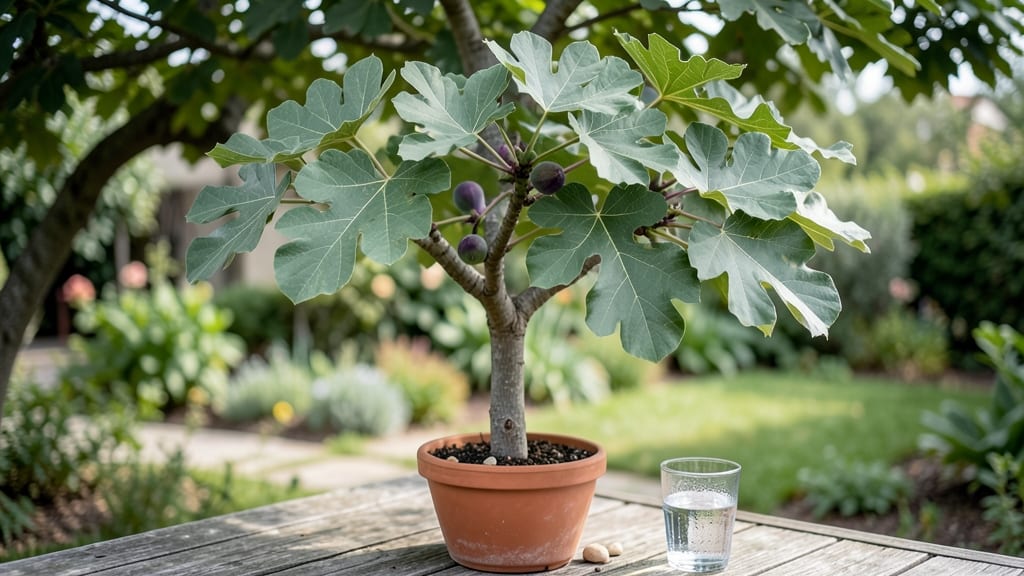
Planting a fig tree from a branch is easier than you think—just grab a healthy cutting, a jar of water, and a sunny windowsill. 🌱 I’ve rooted figs this way three seasons running, and the key is patience: those first roots appear in about 3-4 weeks, but they’ll keep growing until you’re ready to plant.
The best time to start is late winter or early spring, when the tree’s sap is just waking up but before summer’s heat hits.
You’ll need just a few supplies: a sharp pair of pruners, rooting hormone (optional but helpful), a clean glass jar or container, and well-draining soil if you’re planting directly.
Fig branches root best when they’re 6-12 inches long, with at least two leaf nodes—those little bumps where roots will sprout. Skip branches that look dried out or mushy, and always cut at a 45-degree angle for maximum rooting success.
Once your cutting has roots—whether in water or soil—you’ll transplant it into a pot with fast-draining mix (figs hate soggy feet). Keep the soil slightly moist but never soggy, and place it in bright, indirect light.
Within a few months, you’ll have a sturdy young tree ready for the garden, with leaves that shimmer in the sun and a trunk that’s already thickening.
Here’s the secret most beginners miss: figs root faster in warm water (around 70°F), so if your home runs cold, a seedling heat mat speeds things up. And if your cutting starts yellowing?
It’s usually overwatering—let the roots breathe. With this method, you’ll go from branch to harvest in under a year, and your neighbors will be asking where you got your magic figs.
📚 In This Guide
- What you need
- Instructions
- Tips and common mistakes
- Wrapping up and next steps
What you need
- ● Healthy fig branch: A 4–6 inch (10–15 cm) long, pencil-thick cutting with at least 2–3 nodes (bumpy areas where leaves grow). Choose one from a mature, disease-free tree.
- ● Pruning shears or sharp knife: Sterilized to avoid bacterial contamination (rubbing alcohol works!).
- ○ Rooting hormone (optional but recommended): A powder or gel like Rootone or Clonex to speed up root growth.
- ● Water: Room-temperature, filtered (chlorine-free) for water propagation or well-draining soil mix for direct planting.
- ● Container for water rooting: A small glass or jar (8–12 oz) with a lid (to maintain humidity) or a 6-inch pot for soil rooting.
- ● Well-draining potting mix: A blend of 50% peat moss, 30% perlite, and 20% sand (or coconut coir for moisture control).
- ● Plastic bag or humidity dome: A clear plastic bag with holes punched in it (for soil method) to create a greenhouse effect.
- ● Spray bottle: Filled with water to mist the cutting and keep it hydrated.
- ● Heat mat: A seedling heat mat (set to 70–75°F/21–24°C) to encourage faster rooting.
- ● Fertilizer: A balanced, diluted liquid fertilizer (e.g., 10-10-10) after roots form (4–6 weeks).
- ● Grow lights: If rooting indoors with low natural light, use a LED grow bulb for 12–14 hours/day.
- ● Label markers: To track your cuttings (especially if testing different methods!).
Step-by-Step instructions for propagating a fig tree from a branch
Here's how I turn a simple cutting into a thriving fig tree—no fancy tools required.
🌱 Step 1: Select and Prepare the Right Branch
Choose a healthy, pencil-thick branch from your fig tree that's about 12-18 inches long. Look for one with at least 3-4 nodes (those little bumps where leaves grow). These nodes are where roots will sprout, so more means better success.
Use clean, sharp pruning shears to cut just below a node at a 45-degree angle. This angled cut increases surface area for root growth. Remove any leaves from the bottom 6 inches of the branch—this part will go underwater or into soil, and leaves just slow it down.
Here's the thing—if your branch has any signs of disease or damage, toss it. Figs are tough, but they won't root from weak wood. I always test flexibility: if it snaps easily, it's not ready for propagation.
💧 Step 2: Root in Water (The Beginner's Method)
Fill a clean glass or jar with room-temperature water until the lower nodes are submerged but leaves stay dry. I use filtered water because tap water's chlorine can stress the cutting. Change the water every 3-4 days to prevent bacterial growth—stagnant water smells funky and slows rooting.
Place your cutting in a spot with bright, indirect light (like an east-facing window). Direct sun heats the water too fast and stresses the cutting. You'll see tiny white roots appear at the nodes in 2-4 weeks. When roots reach 2-3 inches long, it's ready for soil.
Don't skip this water stage. It lets you watch roots grow—it's like nature's time-lapse! But if your water gets cloudy before roots appear, your cutting might be rotting. In that case, start fresh with a new branch.
🪴 Step 3: Transfer to Soil (The Permanent Home)
Fill a 6-inch pot with well-draining potting mix (I use a 50/50 blend of potting soil and perlite). Make a hole with your finger and slide the rooted cutting in until the lowest node is just below soil level. Gently press soil around the stem to remove air pockets.
Water lightly until moisture seeps from the bottom, then let it drain completely. Place the pot in partial shade for the first week to reduce transplant shock. Figs hate soggy roots, so only water when the top inch of soil feels dry—about once a week in warm weather.
This is where patience pays off. Your new fig tree might drop a few leaves at first—that's normal as it adjusts. Keep it indoors or in a sheltered spot until spring, when you can move it outside after last frost. Real talk: I've lost a few this way, but the ones that make it thrive for decades.
☀️ Step 4: Acclimate and Care for Growth
After 4-6 weeks in soil, your fig tree should show new growth at the top. That's your signal it's rooting well! Move it to full sun gradually—start with 2-3 hours daily and increase over a week. Figs love heat but need time to adjust.
Fertilize lightly in spring with a balanced 10-10-10 formula (half-strength) to encourage leafy growth. Figs are heavy feeders but don't overdo it—too much fertilizer burns roots. I wait until I see new leaves before feeding again.
Here's the moment that matters: By summer, your cutting should be 1-2 feet tall with multiple branches. That's when you know you've done it right. Keep an eye out for figs—sometimes they appear on first-year growth, but don't harvest them. Let the tree focus on establishing roots first.
Tips & tricks for perfect fig tree propagation
Here's what nobody tells you about turning cuttings into thriving fig trees—these little tricks make all the difference.
Branch Selection: I've learned this the hard way after ruining three batches—always choose branches from the current season's growth. They're more flexible and packed with energy. Look for vibrant green color and avoid branches with any white or black spots, which signal disease. The more nodes you have (aim for 3-4), the better your rooting success will be.
Water Quality Matters: Tap water's chlorine can stunt root growth, so I always use filtered or rainwater. If you must use tap water, let it sit out uncovered for 24 hours first to allow chlorine to evaporate. Change the water every 3-4 days as instructed—this prevents bacterial buildup that can rot your cutting before roots even form. A cloudy jar means it's time for a fresh start.
Root Development Watch: When your roots reach 2-3 inches in Step 2, that's your cue to move to soil. But here's the secret: roots grow fastest in the morning, so check your cutting then. If you wait until evening, you might miss the perfect window. Also, tap the jar gently—healthy roots will feel firm, not mushy.
Soil Transition Strategy: Don't rush the soil transition in Step 3. I've seen cuttings fail when moved too soon because their delicate roots can't handle the change. After planting, give your cutting a gentle mist with water to help it adjust. The first week in partial shade is crucial—it's like a recovery period for your new fig tree.
Pro Tips for Plant Fig Tree From A Branch
- Here's what nobody tells you about turning cuttings into thriving fig trees—these little tricks make all the difference.
- Branch Selection: I've learned this the hard way after ruining three batches—always choose branches from the current season's growth.
- Water Quality Matters: Tap water's chlorine can stunt root growth, so I always use filtered or rainwater.
Frequently asked questions
Got questions about growing a fig tree from a branch? You’re not alone!
Here are answers to the most common concerns—so you can root your cutting with confidence and avoid rookie mistakes.
Can I root a fig branch in water or should I plant it directly in soil?
Both methods work, but soil propagation often yields stronger roots faster. Water rooting is great for beginners—just keep the water fresh and change it every 3–4 days. For soil, use a well-draining mix (like perlite + peat) and maintain humidity with a plastic bag. Pro tip: If using water, transfer to soil after roots hit 2–3 inches!
How long does it take for a fig branch to root?
Patience is key! In water, roots may appear in 2–6 weeks, while soil rooting can take 4–8 weeks. Warmth (70–80°F) and bright, indirect light speed things up. Check for resistance when gently tugging the cutting—if it doesn’t slide out easily, roots are forming!
Why isn’t my fig branch rooting? Troubleshooting tips.
Common culprits:
- Rot: Yellowing leaves or mushy stems? Overwatering or poor drainage is likely. Let the soil dry slightly between waterings.
- No roots: Ensure your cutting has 1–3 nodes (bumps where leaves grow) and use rooting hormone for a boost.
- Slow growth: Fig branches need warmth (a heat mat helps!) and humidity (mist daily or use a humidity dome).
Can I use any fig branch to propagate?
Not all branches are equal! Choose healthy, semi-hardwood cuttings (from last year’s growth) with 3–4 leaves. Avoid woody or flowering branches—they root poorly. The best time to cut is late winter or early spring, just before new growth starts. Bonus: Mature trees produce the most reliable cuttings!
What’s the best time of year to plant a fig tree from a branch?
Timing matters! Late winter to early spring (just before buds swell) is ideal—your cutting will establish roots before summer heat. You can also try summer propagation (June–July) in cooler climates, but keep humidity high. Avoid fall or winter in cold areas—figs hate frost!
Can I reuse water from rooting a fig branch?
Nope! Old water becomes a breeding ground for bacteria and algae, which can smother roots or cause rot. Dump and refresh it every 3–4 days, and use room-temperature, filtered water for best results. Pro tip: Add a drop of hydrogen peroxide (3%) to the water to keep it clean!
Wrapping up and next steps
Growing a fig tree from a branch is a rewarding journey that brings nature’s beauty right to your doorstep! 🌱 With the right techniques—whether rooting in water or soil—you’ve got everything you need to nurture a thriving plant.
Remember, patience and consistency are key, so keep an eye on your cutting and enjoy the process.
Now that you’re armed with knowledge, why not take the next step? Share your progress with fellow gardening enthusiasts or explore more tips on caring for your new fig tree. Happy planting! 🌿✨