
Trees
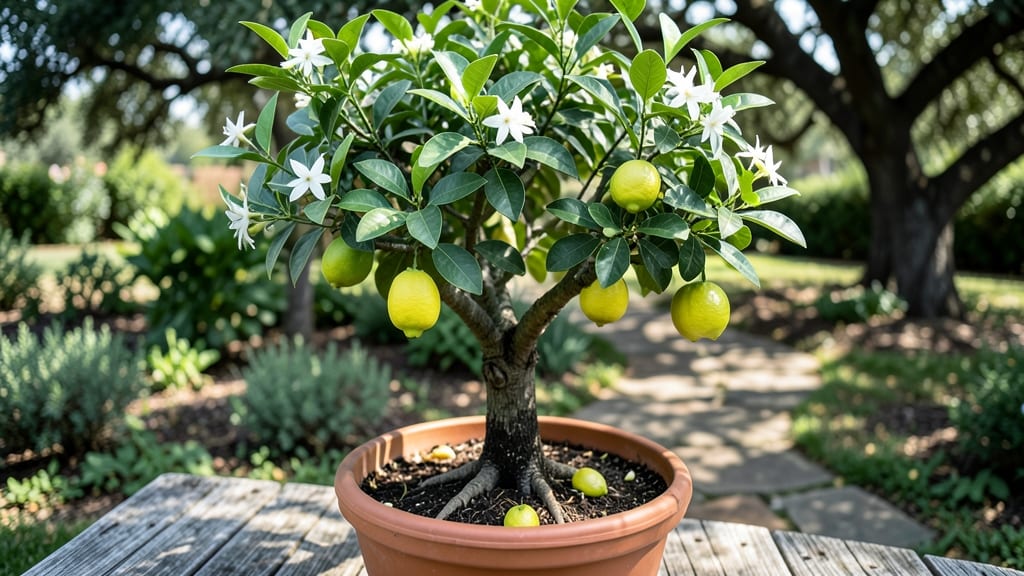
Learn how to identify citrus trees by leaves—shape, veins, and edges hold the key to telling lemons from limes and oranges from grapefruit. 🌿 I’ve spent years studying these subtle differences, and once you learn the patterns, you’ll spot them instantly. instantly, even without fruit.
The first clue? Leaf size: lemons have smaller, oval leaves (2-4 inches long), while grapefruit leaves stretch 4-8 inches with a broader base. That alone cuts the guesswork in half.
Next, examine the edges and veins—citrus leaves are entire (smooth-edged), but the thickness and vein pattern vary. Lemon and lime leaves feel thinner and more delicate, with veins that curve gently upward like a smile.
Orange and grapefruit leaves are thicker and leathery, with veins that angle more sharply. Seasonal shifts matter too: new growth is lighter green, while mature leaves deepen to a rich, glossy dark green—a dead giveaway in winter when fruit is scarce.
Here’s where it gets interesting: scent and arrangement seal the deal. Crush a leaf between your fingers—true citrus smells sharp and tangy, not sweet. And look at how they grow: leaves sprout alternately (one per node) along the stem, never in clusters.
When you combine these clues, you’ll identify any citrus tree in your yard—or even a neighbor’s—with confidence. The best part? You can do this anytime, even in winter when fruit is hidden.
For tricky cases, check the leaf base (where it meets the stem)—some citrus hybrids have subtle twists, like a slightly asymmetrical shape. And if you’re still unsure, wait for spring: new leaves emerge with a fuzzy down that fades as they mature.
Master these details, and you’ll never misidentify a citrus tree again—no fruit required.
📚 In This Guide
- What you need
- Instructions
- Tips and common mistakes
- Wrapping up and next steps
What you need
- ● Fresh leaves: 3–5 healthy, mature leaves from the tree in question (avoid wilted or diseased ones!).
- ○ Magnifying glass (optional but helpful for inspecting fine details like vein patterns or tiny hairs).
- ● Ruler or measuring tape (for leaf length/width—citrus leaves vary from 2" to 8"!).
- ● Field guide or smartphone (for quick citrus leaf comparisons—apps like iNaturalist or PictureThis are great!).
- ● Notebook & pen (to jot down notes on shape, aroma, or leaf texture).
- ● Camera or phone (for close-up photos of leaf undersides, veins, and edges).
- ○ Gloves (optional, if the tree has thorns or you’re handling unknown plants).
- ● Leaf press (to preserve samples for later study—great for rare citrus varieties!).
- ● pH test kit (if you’re curious about soil conditions affecting leaf health).
- ● Citrus scent identifier (like a lemon or orange peel for sniff-testing—some citrus leaves have distinct aromas!).
Step-by-Step guide to citrus leaf identification
Mastering citrus leaf recognition unlocks a world of backyard possibilities.
🌿 Step 1: Examine Leaf Shape and Overall Form
Citrus leaves come in three primary shapes: elliptical, ovate, or lanceolate. Start by holding a leaf between your fingers and tracing its outline. Elliptical leaves—like those of sweet oranges—have smooth, rounded ends with parallel sides. Ovate leaves, common in lemons and limes, taper more gradually from a broad base to a pointed tip, resembling an egg's silhouette.
Lanceolate leaves, found in grapefruits and some mandarins, are longer and narrower, resembling a lance head. Here's the thing—most citrus leaves have a glossy, leathery texture that's immediately noticeable when you run your thumb along the surface. This waxy coating helps repel water and pests, a key adaptation for their native subtropical climates.
🌿 Step 2: Study the Vein Pattern and Midrib
Flip the leaf over and examine the underside where the vein structure becomes more visible. Citrus leaves typically feature a prominent central vein called the midrib, which runs straight from the stem to the tip. The secondary veins branch out at roughly 45-degree angles, creating a network that's more pronounced on the underside.
Count the pairs of secondary veins—most citrus trees have between 5-8 pairs that extend toward the leaf edges. In grapefruit varieties, you'll often see slightly more pronounced veins that create a subtle ribbed texture. This vein pattern is your best clue when leaves appear similar in shape but differ in origin.
🌿 Step 3: Inspect Leaf Edges and Margins
Run your finger along the leaf's perimeter to feel the edge quality. Most citrus leaves have entire margins, meaning the edges are smooth without serrations or lobes. However, some varieties like the Australian finger lime develop subtle, wavy edges that distinguish them from standard citrus.
Look closely at the leaf tip—it should gradually taper rather than come to a sharp point. The base where the leaf attaches to the stem is another key identifier. Most citrus leaves have a slightly asymmetrical base where one side attaches higher than the other, creating a distinctive attachment point that's visible when you examine multiple leaves from the same tree.
🌿 Step 4: Compare Size and Texture Variations
Measure a representative sample of leaves using a ruler. Mature citrus leaves typically range from 2-6 inches long, with width generally about half the length. Lemon leaves tend to be on the smaller side (2-3 inches), while grapefruit leaves often reach 4-6 inches. The texture should be firm and slightly leathery—never soft or papery.
Here's where it gets interesting: new growth leaves are often lighter green and slightly softer than mature leaves. As they age, they develop that characteristic glossy sheen. This color progression is a natural indicator of leaf maturity that helps confirm your identification when examining multiple leaves from the same tree.
⏰ Step 5: Verify Through Seasonal Changes
Citrus leaves maintain their basic shape year-round, but their appearance changes subtly with seasons. In cooler months, leaves may develop slightly darker green hues, while summer heat often brings out more vibrant colors. Observe how leaves respond to environmental conditions—healthy citrus leaves should never appear yellowed or spotted unless affected by pests or disease.
This is the moment that matters: when you can confidently identify leaves from multiple trees in your collection. Take digital photos of each leaf type you encounter, noting the shape, vein pattern, and size. Over time, you'll develop an intuitive sense of citrus leaf morphology that makes identification effortless, even with unfamiliar varieties.
Tips & tricks for perfect citrus leaf identification
Here's what nobody tells you about mastering citrus leaf identification—these details make all the difference when you're standing in front of a mystery tree.
The Texture Test: That leathery, waxy feel isn't just a characteristic—it's your first clue. Run your thumb along the leaf surface in Step 1. Healthy citrus leaves should feel firm with a slight resistance, almost like a well-waxed car. If leaves feel soft or papery, they might be from a different plant or suffering from stress. This texture is your quality control check before even looking at shape.
Vein Counting Technique: When you're examining the underside in Step 2, don't just glance—actually count those secondary veins. I've seen beginners estimate and get it wrong. Use a bright light source to make the veins pop, and trace each pair with your fingertip as you count. The 5-8 pair range is your target, but grapefruit leaves often have that extra pronounced ribbing that makes them stand out. This is where you'll spot the subtle differences between similar-looking citrus varieties.
Seasonal Color Shift: Pay attention to how leaves change color in Step 5. In cooler months, healthy citrus leaves develop that deeper green hue—almost like someone turned up the saturation. This isn't just seasonal variation; it's your confirmation that the tree is thriving. If leaves stay pale yellow-green year-round, that's a red flag. The color shift is nature's way of telling you the tree's health status before you even see the fruit.
The Asymmetry Secret: Most people miss this in Step 3—the slightly asymmetrical base where leaves attach. This isn't just a random quirk; it's a consistent feature across all citrus varieties. Hold the leaf by the stem and look at where it attaches—one side will naturally be higher than the other. This attachment pattern is so consistent that when I see perfect symmetry in a leaf, I know it's probably not citrus.
Pro Tips for Identify Citrus Trees By Leaves
- Here's what nobody tells you about mastering citrus leaf identification—these details make all the difference when you're standing in front of a mystery tree.
- The Texture Test: That leathery, waxy feel isn't just a characteristic—it's your first clue.
- Vein Counting Technique: When you're examining the underside in Step 2, don't just glance—actually count those secondary veins.
Frequently asked questions
Got questions about spotting citrus trees by their leaves? You’re not alone! Here are some of the most common queries—and their answers—to help you nail those leafy ID skills like a pro.
Can I tell the difference between a lemon and lime tree just by looking at the leaves?
Yes! Lemon leaves are typically longer (2–4 inches) with a broader, slightly leathery texture and a distinct citrusy aroma when crushed. Lime leaves are shorter (1–3 inches), narrower, and often have a slightly sharper point. Compare side by side if possible—lighting can make a big difference!
What if my citrus tree’s leaves look weird—are they still edible?
Weird leaves (yellowing, curling, or spotted) can signal pests (like aphids or mites) or diseases (e.g., citrus greening). Don’t panic yet! Check the fruit first—if it’s healthy, the leaves might just need TLC (prune damaged ones and treat the tree). If the fruit is also affected, consult a local extension office for help.
When is the best time of year to identify citrus trees by their leaves?
Spring and early summer are ideal! That’s when leaves are fully mature but before pests or heat stress can distort them. Avoid winter (dormant leaves) or late summer (when drought or fruit load can alter leaf shape). Morning is best—leaves are hydrated and easier to examine.
What if my tree’s leaves don’t match any citrus type? Could it be something else?
Citrus leaves are highly distinctive, but mimics exist! Look for these red flags: Smooth edges (not serrated), alternate leaf arrangement (not opposite), and strong citrus scent. If unsure, check the fruit, bark, or flowers. Non-citrus lookalikes (like mock orange) lack the glossy, aromatic leaves of true citrus.
Do I need special tools to identify citrus leaves accurately?
Not at all! A magnifying glass (for veins) and a notebook (to sketch shapes) are helpful, but your eyes and a ruler work fine. For tricky cases, snap a photo and compare it to online databases like this Cal Poly guide. Pro tip: Crush a leaf—citrus leaves release a bright, tangy scent!
Wrapping up and next steps
Identifying citrus trees by their leaves is a rewarding way to connect with nature—and now, you’ve got the expert know-how! 🌿 From the glossy, aromatic leaves of a lemon tree to the serrated edges of a grapefruit, each detail tells a story.
With practice, you’ll spot them like a pro, whether in your backyard or on a sunny stroll.
Ready to take it further? Grab a notebook, snap a few photos of local trees, and compare them to your new citrus leaf guide. Who knows? You might just uncover a hidden gem—or inspire others to explore the beauty of botanical detective work!