
Size
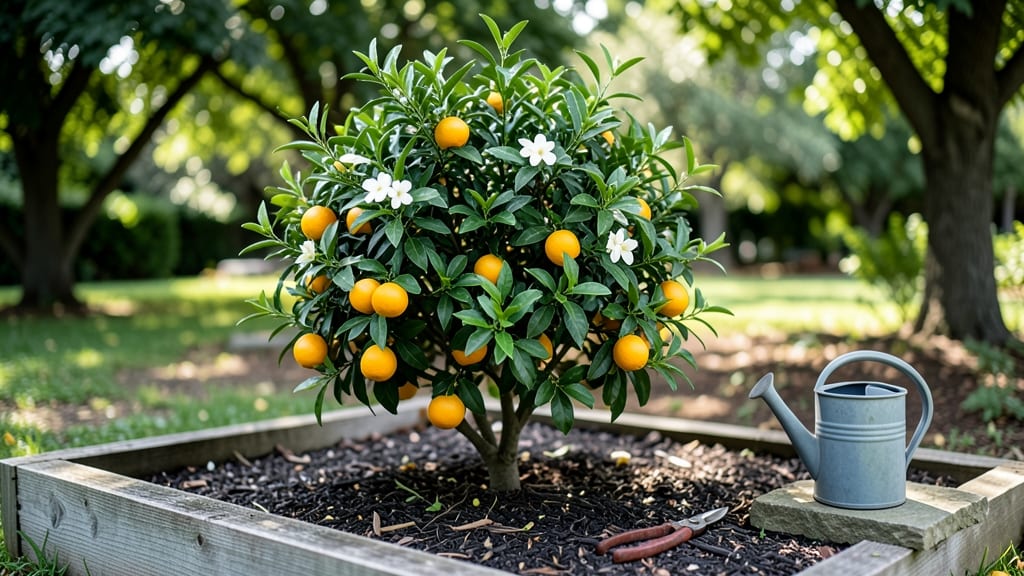
Growing satsuma trees means sweet, seedless oranges that ripen before frost—no greenhouse needed. 🌿 I planted mine in a sheltered spot last spring, and by summer, the glossy leaves already smelled like sunshine. The secret lies in mimicking their native Japanese climate: warm winters, cool summers, and full sun exposure.
You’ll need well-draining soil (think sandy loam mixed with compost), a sunny location with afternoon shade in hot zones, and patience—these trees take 3-5 years to bear fruit but reward you with low-maintenance care once established.
Most nurseries carry cold-hardy varieties like ‘Owari’ or ‘Okitsu,’ which handle brief freezes down to 15°F.
By late fall, you’ll harvest bright oranges that burst with juice—no peeling required. The trees stay compact (10-15 feet tall), making them perfect for backyards or large containers. Just watch for aphids and scale insects, which love tender new growth, and prune in late winter to shape the canopy.
Works beautifully in USDA zones 7-9, but container growers in cooler areas can bring potted trees indoors during winter. Here’s how to set yours up for success—step by step.
📚 In This Guide
- What you need
- Instructions
- Tips and common mistakes
- Wrapping up and next steps
What you need
- ● Satsuma tree: Seedling or sapling: 1 (from a nursery or trusted source)
- ● Grafted tree (recommended for faster fruit): 1 (dwarf varieties like ‘Owari’ or ‘Okitsu’ work well)
- ● Planting site: Full sun location (6–8+ hours of sunlight daily)
- ● Well-draining soil (sandy loam or amended with compost)
- ● Slope or raised bed (to prevent waterlogging)
- ● Soil amendments: Compost or aged manure (5–10 lbs per planting hole)
- ● Citrus-specific fertilizer (10-10-10 NPK, 1 lb per tree)
- ● Lime (to adjust soil pH to 6.0–7.0, if needed)
- ● Planting supplies: Shovel or trowel
- ● Garden gloves
- ● Mulch (pine bark or straw, 2–3 inches)
- ● Watering tools: Drip irrigation system or soaker hose (recommended)
- ● Watering can (for young seedlings)
- ● Citrus tree cage or trellis (for support)
- ● Frost cloth (for young trees in cooler zones)
- ● Pest control (neem oil, horticultural oil, or citrus-safe sprays)
- ● pH testing kit (to monitor soil acidity)
- ● Slow-release fertilizer pellets (for convenience)
Step-by-step instructions for planting and caring for satsuma trees
Here's how to get your sun-loving citrus off to the best start.
🌱 Step 1: Choose the Right Location and Prepare the Soil
Satsuma trees thrive in full sun—at least 6-8 hours daily—but they also appreciate afternoon shade in hotter climates. Pick a spot with shelter from strong winds, which can damage tender branches. The soil should drain well, but not so fast that roots dry out. I like to test drainage by digging a hole, filling it with water, and checking if it drains within 30-60 minutes. If not, mix in 2-3 inches of coarse sand or perlite to improve drainage.
Satsumas prefer slightly acidic soil with a pH between 5.5 and 6.5. If your soil is heavy clay, amend it with 2-3 inches of compost and a 1-inch layer of organic mulch (like pine bark or wood chips) to improve structure and retain moisture. Avoid fresh manure—it can burn young roots. Here's the thing—these trees hate soggy feet, so if your yard floods during heavy rains, consider planting in a raised bed or a large container with drainage holes.
🪴 Step 2: Plant Your Satsuma Tree at the Right Time and Depth
Plant your satsuma in early spring, after the last frost but before the heat of summer. This gives roots time to establish before the tree faces stress. Dig a hole twice as wide as the root ball but no deeper—planting too deep can suffocate the roots. Gently loosen the roots if they’re circling or bound, then place the tree in the hole so the top of the root ball sits just above soil level. Backfill with native soil mixed with a small handful of citrus-specific fertilizer (like one with micronutrients for citrus).
Water deeply right after planting to settle the soil and remove any air pockets. You’ll know it’s done right when the soil looks firm but still crumbly. Mulch around the base with 2-3 inches of organic mulch, keeping it 3-4 inches away from the trunk to prevent rot. Water again every 2-3 days until new growth appears—this keeps the soil consistently moist but not waterlogged. Real talk: Overwatering at this stage is the #1 killer of young citrus trees, so let the top 1-2 inches of soil dry out between waterings.
☀️ Step 3: Provide Consistent Care for Healthy Growth
Satsumas need regular watering, especially in their first year. Water deeply once a week during dry spells, but adjust based on rainfall—your goal is 1 inch of water per week. You’ll see healthy growth when leaves stay bright green and slightly leathery, not yellow or wilted. If leaves curl or drop, it’s often a sign of underwatering or root stress. In hotter months, water in the early morning to reduce evaporation and fungal risks.
Fertilize every 2-3 months during the growing season (spring through fall) with a citrus-specific fertilizer or one high in nitrogen for young trees. Follow the package rates—over-fertilizing can burn roots. I also like to spray the leaves with a seaweed-based foliar feed once a month for extra nutrients. Watch for new flushes of growth—these are your signal that the tree is thriving. If you notice yellow leaves with green veins, it’s likely iron deficiency, and you’ll need to adjust the soil pH or add chelated iron.
✂️ Step 4: Prune and Protect for Long-Term Success
Prune your satsuma in late winter or early spring before new growth starts. Remove any dead, diseased, or crossing branches, and thin out the canopy to improve airflow—this prevents fungal issues. I also cut back any suckers (shoots growing from the base) to direct energy to the main tree. Use clean, sharp pruners and make cuts just above a leaf node or outward-facing bud. Here’s the moment that matters: never prune more than 25% of the canopy at once—it stresses the tree.
Protect young trees from freezing temperatures (below 20°F) with a frost cloth or by wrapping the trunk with burlap. Satsumas are more cold-hardy than other citrus, but they still need winter care in colder zones. Watch for aphids or scale insects on new growth—these pests love citrus. Spray with neem oil or insecticidal soap at the first sign of trouble. With consistent care, your satsuma will reward you with sweet, seedless fruit in 3-5 years—and you’ll know it’s ready when the fruit turns deep orange and feels slightly soft to the touch.
Tips & tricks for growing healthy satsuma trees
Between us, these citrus trees are forgiving but not foolproof—here's what I've learned after watching my first batch thrive (and my second nearly fail).
Location is Everything: That 6-8 hours of sun isn't just about light—it's about consistent warmth. I planted mine near my south-facing fence where it gets morning sun and afternoon shade, and the difference in growth was dramatic. Watch for microclimates in your yard where heat lingers longer after sunset—that's where your tree will flourish most. If your yard has afternoon shade, consider a dwarf variety which handles less light better.
Soil Test Pays Off: Don't guess about that 5.5-6.5 pH range! I bought a cheap soil test kit and discovered my yard was at 7.2—way too alkaline. After amending with sulfur and compost, my tree's leaves went from yellowing to vibrant green within weeks. If you're unsure, test before planting rather than after. For heavy clay soils, mix in that 2-3 inches of compost AND perlite—it's worth the effort to prevent root rot.
Watering Wisdom: The 2-3 days between waterings after planting might seem like a lot, but it's crucial. I learned this the hard way when my first tree's roots suffocated from too much moisture. Stick your finger 1-2 inches deep—if it feels dry, that's your cue. Once established, the weekly 1-inch target becomes your guide, but always adjust for heatwaves or dry spells. Morning watering is non-negotiable in summer—it prevents fungal spores from thriving overnight.
Fertilizer Timing Matters: That citrus-specific fertilizer every 2-3 months should always go in spring when new growth starts. I made the mistake of fertilizing in late fall, and my tree put all its energy into leaves instead of roots. For young trees, half the recommended dose is often enough—citrus trees are sensitive to overfeeding. The seaweed spray once a month gives an extra boost without risking burn, and I've noticed stronger stems and glossier leaves since I started using it.
Pro Tips for Grow Satsuma Trees
- Between us, these citrus trees are forgiving but not foolproof—here's what I've learned after watching my first batch thrive (and my second nearly fail).
- Location is Everything: That 6-8 hours of sun isn't just about light—it's about consistent warmth.
- Soil Test Pays Off: Don't guess about that 5.5-6.5 pH range!
Frequently asked questions
Got questions about growing satsuma trees? You’re not alone! Here are answers to the most common concerns—from planting to harvest—so you can grow these sweet, seedless citrus gems with confidence.
Can satsuma trees grow in containers?
Yes! Satsumas thrive in containers if given enough space (at least a 15-gallon pot) and proper drainage. Use well-draining soil and move pots indoors or to a sheltered spot when temperatures drop below 20°F (-7°C). Dwarf varieties like ‘Owari’ are ideal for containers.
How long does it take for a satsuma tree to bear fruit?
Patience is key! Satsuma trees typically take 3–5 years to produce fruit from seed, but grafted trees (like nursery varieties) may bear fruit in just 1–2 years. Consistent care—sunlight, water, and fertilizer—speeds up the process.
Are satsuma trees cold-hardy?
Satsumas are one of the few citrus trees that tolerate light frost (down to 15–20°F (-9 to -7°C)). However, prolonged cold or heavy freezes can damage leaves or fruit. Plant in a sheltered spot or mulch heavily to protect roots during winter.
What pests should I watch for on satsuma trees?
Common pests include aphids, citrus leaf miners, and scale insects. Keep trees healthy with regular pruning and watering. For severe infestations, use neem oil or insecticidal soap. Monitor leaves and fruit closely—early detection makes treatment easier!
Can I grow satsumas from seed?
Yes, but expect unpredictable results—seed-grown trees may not produce fruit identical to the parent. For reliable varieties, buy grafted trees from a nursery. If growing from seed, start indoors 6–8 weeks before last frost for better success.
Wrapping up and next steps
Growing satsuma trees is a rewarding journey that brings sweet, seedless citrus to your table—even in cooler climates! 🌱 With the right location, soil, and care, these sun-loving trees thrive and produce abundant fruit in just a few years.
Whether you’re a beginner or seasoned gardener, the key is patience, consistency, and a little love for citrus.
Now that you’re armed with tips and tricks, it’s time to roll up your sleeves and get planting! Start with a healthy sapling or seedling, and soon you’ll be harvesting juicy satsumas to share with friends and family. Happy growing! 🍊✨