Propagation
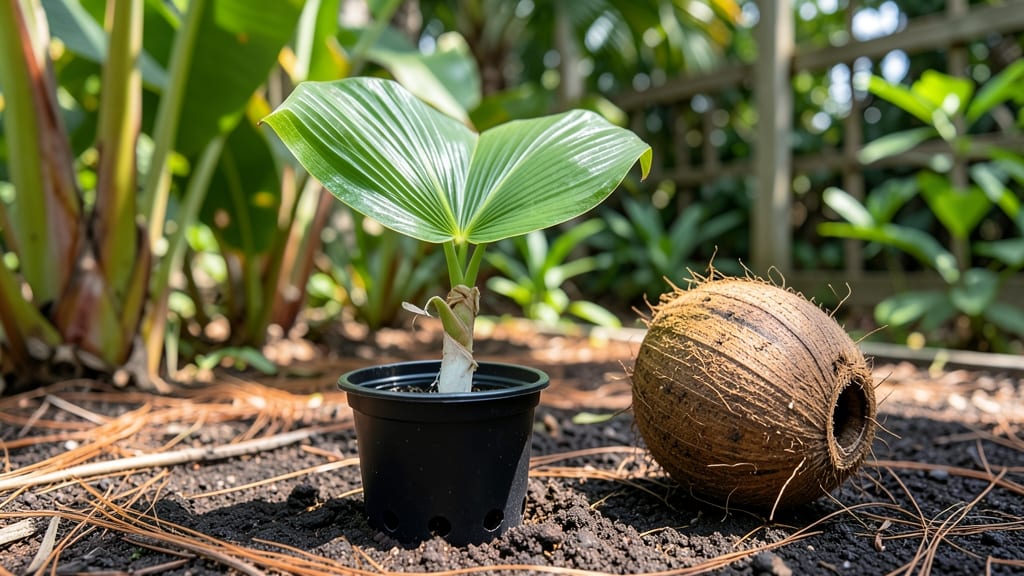
Growing a coconut tree from a coconut sounds like something out of a tropical dream—but it’s totally doable with the right approach. 🌴 I’ve watched my own coconut sprout push through its shell in just weeks, and now it’s a lush 3-foot sapling.
The secret starts with picking the right nut and giving it the perfect conditions to wake up.
You’ll need a fresh coconut (preferably one that’s already sprouted), a warm spot, and a little patience. The germination process takes about 4-6 weeks, and you’ll want to keep the coconut moist but not soggy.
Once the sprout reaches 6-12 inches, you can transplant it outdoors—if you live in a warm climate, that is.
What you’ll end up with is a real tropical treasure: a slow-growing but stunning tree that could one day produce coconuts of its own. The first few years are all about nurturing that delicate sprout, but the payoff—shade, beauty, and maybe even fresh coconuts—is worth every effort.
This method works best in USDA Zones 10-12, but even in cooler areas, you can grow it as a houseplant for years before transplanting. Let’s get that coconut sprouting!
📚 In This Guide
- What you need
- Instructions
- Tips and common mistakes
- Wrapping up and next steps
What you need
- ● 1 mature coconut – Fresh, unrefrigerated, and intact (preferably from a hybrid variety like Tall or Dwarf for faster growth).
- ● Potting soil mix – 50% coconut coir (or peat moss) + 50% perlite/sand for drainage (10-15 lbs for initial planting).
- ● Large pot or container – Minimum 12-inch diameter with drainage holes (or a nursery tray for multiple seedlings).
- ● Watering can or spray bottle – For gentle hydration (avoid soaking the coconut).
- ● Scissors or sharp knife – To trim the coconut husk (sterilized with rubbing alcohol).
- ● Plastic wrap or humidity dome – To maintain moisture during germination (clear plastic sheet or a propagator lid).
- ● Grow lights or sunny windowsill – 6+ hours of indirect light daily (or a full-spectrum LED grow light for indoor setups).
- ● Fungicide – Like mycorrhizal powder to prevent root rot (sprinkle lightly before planting).
- ● Slow-release fertilizer – Balanced NPK (e.g., 10-10-10) for young seedlings (apply sparingly after 3 months).
- ● Thermometer/hygrometer – To monitor soil temp (ideal: 75–90°F) and humidity (70–80%).
- ● Trellis or bamboo stakes – For support as the seedling grows (3–6 feet tall).
- ● Outdoor garden space – If transitioning to ground planting, prepare a well-draining, sandy loam soil (pH 5.0–6.5).
Step-by-step instructions for growing a coconut tree from a coconut
Here's how to turn that store-bought coconut into a thriving tropical tree.
🌱 Step 1: Select and Prepare Your Coconut
Start with a fresh, mature coconut—look for one with a thick, brown husk and a hard, intact shell. Avoid coconuts with cracks or mold, as they won't germinate. Rinse the coconut thoroughly under warm water to remove any debris, then let it dry completely for 24 hours.
Here's the thing—you don't need to crack it open yet. Instead, place the coconut in a well-draining container (like a plastic bucket with drainage holes) and fill it with sandy, well-draining soil mix. The coconut should sit upright with about 1/3 of its shell above the soil line. This mimics its natural beach germination process.
Water lightly until the soil feels moist but not soggy. You'll know it's right when water drips out the bottom holes but doesn't pool. Place the container in a warm, humid spot—think 75-85°F—like a greenhouse or near a sunny window with indirect light.
💧 Step 2: Wait for Germination and Monitor Growth
Germination can take anywhere from 2-6 months, so patience is key. You'll see the first sign when a small white root emerges from the bottom of the coconut. This is your cue that life is sprouting inside!
Once the root appears, increase watering slightly—keep the soil consistently moist but never waterlogged. You'll notice the coconut shell will eventually crack open as the sprout pushes through. This is normal and exciting! When the sprout reaches 6-12 inches tall, it's time to transplant it into a larger container.
Real talk: If the coconut doesn't sprout within 6 months, it may not germinate. Don't force it—try with a fresh coconut instead. The key is warmth, humidity, and consistency.
☀️ Step 3: Transplant and Provide Optimal Growing Conditions
Choose a 10-12 inch pot with drainage holes for your young coconut tree. Use a light, airy potting mix designed for tropical plants. Gently remove the coconut from its original container and place it in the new pot, burying it up to the same soil line as before.
Your coconut tree will need bright, indirect light for the first few months. A south-facing window works well, but avoid direct afternoon sun, which can scorch tender new leaves. If you notice leaves turning yellow or wilting, it's a sign of too much sun or inconsistent watering.
Water when the top 1-2 inches of soil feel dry. Coconut trees hate soggy roots, so always ensure excess water drains away completely. Once established, you can fertilize lightly every 2-3 months with a balanced tropical plant fertilizer.
🌿 Step 4: Gradually Acclimate to Outdoor Conditions
After your coconut tree has grown 3-4 feet tall and shows signs of strong, healthy leaves, it's ready for outdoor life. Start by placing it outside in a sheltered, shaded spot for 2-3 hours the first day. Gradually increase its outdoor time over 1-2 weeks, moving it to a bright, indirect sunlight location.
Here's where it gets fun—once your tree has spent a full day outside without wilting, you can plant it in the ground (if you live in a USDA Zone 10-11) or keep it in a large container. Coconut trees need consistent warmth and high humidity, so if you're in a cooler climate, bring it indoors during winter.
Don't rush this step. A sudden move to full sun or cold temperatures can shock the plant and stunt its growth. Watch for new leaves as your signal that it's adapting well.
Tips & tricks for growing a coconut tree
Here's what I learned after watching my first coconut sprout push through its shell—these little details make all the difference.
Selection Tip: That 24-hour drying period is non-negotiable. I learned this the hard way after my first coconut developed mold because I rushed it. Use a fan on low setting to speed up drying while preventing moisture buildup. The husk should feel completely dry to the touch before planting—no dampness at all. This mimics how coconuts naturally dry on tropical beaches before germinating.
Soil Strategy: The sandy, well-draining mix is more important than you might think. I recommend mixing equal parts potting soil with perlite or coarse sand to create that perfect beach-like texture. Regular garden soil compacts too easily and can suffocate the emerging root. You'll know you've got it right when water runs through the container's drainage holes within seconds of watering.
Germination Watch: During those 2-6 months of waiting, check the soil moisture daily—especially in the first 30 days. I use my finger to test moisture about 1 inch below the surface. If it feels dry, water lightly; if it's damp, wait another day. Overwatering is the #1 reason coconuts fail to germinate. The key is maintaining that "moist but not soggy" balance mentioned in Step 1.
Transplanting Technique: When your sprout reaches 6-12 inches, handle it like you're moving a fragile treasure. Gently squeeze the sides of the coconut shell to loosen it from the soil before lifting. I've found that tapping the container lightly helps dislodge stubborn roots. Keep the same soil line depth during transplanting—this prevents shock to the young root system. The first few days after transplanting are critical, so keep it in a stable, warm location away from drafts.
Pro Tips for Grow Coconut Tree From Coconut
- Here's what I learned after watching my first coconut sprout push through its shell—these little details make all the difference.
- Selection Tip: That 24-hour drying period is non-negotiable.
- Soil Strategy: The sandy, well-draining mix is more important than you might think.
Frequently asked questions
Got questions about growing a coconut tree from a coconut?
You’re not alone! Here are some of the most common queries—plus straightforward answers to help you succeed.
Can I grow a coconut tree from any coconut I buy at the store?
Not all store-bought coconuts will sprout! Look for fresh, unrefrigerated coconuts with a solid, intact husk and a dormant germ (the tiny brown spot on one side). Avoid dried or processed coconuts—they’re unlikely to germinate.
How long does it take for a coconut to sprout?
Patience is key! Under ideal conditions (warmth, moisture, and proper care), germination can take 1–6 months. Some coconuts sprout faster (like in 4–8 weeks), while others may take longer. Keep the coconut moist and in a warm, humid environment to speed things up.
What’s the best way to tell if my coconut is viable?
Test viability with the “float test”:
- Drop the coconut in water—if it floats, it’s likely viable (the germ is still alive).
- If it sinks, it may be dead or too dry.
Why isn’t my coconut sprouting? Troubleshooting tips.
Common issues and fixes:
Too cold? Coconuts need warmth (70–90°F). Move it to a sunny spot or use a heat mat.
Not enough moisture? Keep the coconut consistently damp (not soggy) and mist it daily.
Rot or mold? If the coconut smells bad or grows fuzzy spots, it’s overwatered. Let it dry slightly and replant in fresh soil.
No germination in 3+ months? Sadly, it may not be viable. Try another coconut!
Can I grow a coconut tree indoors or in a pot?
Yes! Start indoors in a well-draining pot (at least 12 inches deep) with a mix of sandy soil and perlite. Keep it near a sunny window or under grow lights. Once it’s 3–5 feet tall, you can transplant it outdoors (if you live in a tropical or subtropical climate).
Wrapping up and next steps
Growing a coconut tree from a coconut is a rewarding journey that brings a taste of the tropics right to your doorstep! 🌴 With patience, the right conditions, and a little care, you can nurture a thriving palm that may one day gift you fresh coconuts.
Start small, stay consistent, and enjoy the process—your tropical oasis is just sprouts away!
Next steps:
- Pick up that coconut and get growing!
- Share your progress with fellow plant enthusiasts for extra motivation.
- Explore other tropical plants to expand your green haven.