
Propagation
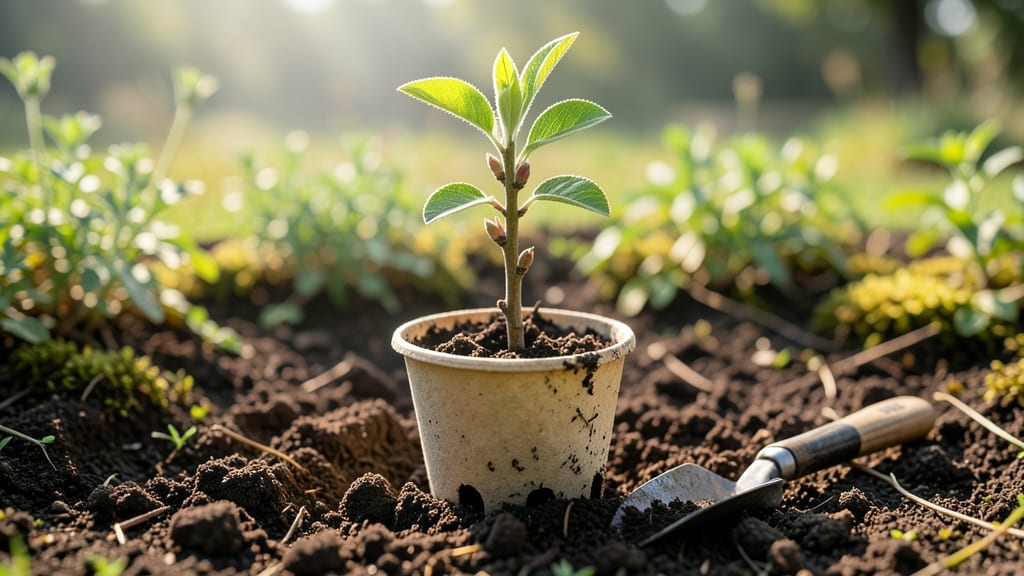
Growing apricot trees from seeds is a 3-5 year project that rewards patience with the sweetest payoff—homegrown fruit straight from your backyard. 🌱 I’ve tried this twice, and while the first attempt took nearly 4 years to bear fruit, the second tree is already showing promise in its third season.
The key isn’t rushing; it’s understanding that nature sets the timeline, not you.
You’ll need fresh apricot pits (not store-bought, those won’t work), a warm spot, and a little soil science. The real trick is breaking dormancy—soaking the seeds for 24 hours and then chilling them for 6-8 weeks mimics winter conditions and tricks them into germinating.
Most people skip this step and wonder why their seeds never sprout. Once they do, you’re looking at tiny seedlings that’ll need gentle care as they grow.
By year three, you’ll see sturdy young trees with real potential—though here’s the catch: fruit from seed-grown apricots won’t match store-bought varieties. That’s why serious growers graft scions onto these seedlings later.
Still, the thrill of watching a tree you nurtured from a pit produce its first fuzzy, sun-warmed apricots? Worth every wait.
This method works best in USDA zones 5-9, where apricots thrive with full sun and well-draining soil. If you’re in a colder zone, plan to protect young trees in winter.
The real magic happens when you taste that first homegrown apricot—sweeter, juicier, and packed with flavor you’ll never find in a grocery store.
📚 In This Guide
- What you need
- Instructions
- Tips and common mistakes
- Wrapping up and next steps
What you need
- ● Apricot seeds: 3–5 fresh, plump seeds from organic apricots (avoid store-bought seeds treated with chemicals).
- ● Well-draining potting mix: 1–2 gallons of a blend like 50% peat moss or coco coir + 50% perlite or vermiculite (sterilized).
- ● Small seed trays or biodegradable pots: 4–6 individual cells or pots (3–4 inches deep) with drainage holes.
- ● Plastic wrap or clear lid: To create a mini greenhouse effect.
- ● Spray bottle: For gentle watering (avoid soaking seeds).
- ● Grow lights or sunny windowsill: A south-facing window or LED grow light (12–16 hrs/day) for seedlings.
- ○ Humidity dome (optional but helpful): Keeps moisture levels ideal during germination.
- ● Fertilizer: A balanced, water-soluble fertilizer (e.g., 10-10-10) diluted to half-strength for seedlings.
- ● Seed stratification setup: A refrigerator (for cold treatment) or peat moss + sand mix (if not using the "wet paper towel" method).
- ● Heating mat: Maintains 70–80°F soil temp for faster germination.
- ● Pruning shears: For trimming leggy seedlings later.
- ● Larger pots (5–7 gallons): For transplanting once seedlings are 6+ inches tall.
- ● Mulch (e.g., straw or wood chips): Protects young trees from temperature swings.
Step-by-step instructions for growing apricot trees from seeds
Here's how to turn a single apricot pit into a thriving young tree—with a few tricks to speed up the process.
🌱 Step 1: Extract and Prepare the Seeds
Start by washing the apricot pit thoroughly under cool water to remove any fruit residue. Use a sharp knife to carefully slice the pit lengthwise—don't cut too deep, or you'll damage the seed inside. The goal is to expose the seed without breaking it. Here's the thing—apricot seeds have a hard outer shell that slows germination, so we'll need to soften it.
Place the seed in a small container of lukewarm water for 24-48 hours. The water should cover the seed completely. You'll see the seed swell slightly as it absorbs moisture. This soaking breaks down the seed coat and kickstarts the germination process. After soaking, gently pat the seed dry with a paper towel—just enough to remove excess moisture, but don't let it dry out completely.
🪴 Step 2: Plant the Seed in a Moist Growing Medium
Fill a small pot (about 3-4 inches deep) with a well-draining seed-starting mix. Press the soil down lightly to create a firm surface—this helps the seedling push through the soil more easily. Make a small hole in the center, about ½ inch deep, using your finger or a pencil. The hole should be just deep enough to hold the seed without burying it too deeply.
Place the soaked seed into the hole with the flat side down. Cover it lightly with additional soil, pressing down gently to ensure good contact. Water the soil until it's evenly moist but not soggy. You'll know it's right when the surface looks slightly damp but doesn't glisten. Place the pot in a warm, shaded area—70-75°F is ideal for germination. A seedling heat mat can help maintain consistent warmth if your home runs cooler.
☀️ Step 3: Provide Warmth and Wait for Germination
Keep the soil consistently moist by misting it lightly every 2-3 days or whenever the top inch feels dry to the touch. Apricot seeds can take 2-6 weeks to germinate, so patience is key. The seedling will emerge when the conditions are just right—don't rush it by overwatering or moving the pot around. Once you see the first signs of sprouting, move the pot to a brighter location, but avoid direct sunlight for the first week.
Here's where it gets fun—watch for the first true leaves to appear. These will look different from the initial seed leaves (cotyledons) and signal that your seedling is well on its way. Once the seedling reaches about 4-6 inches tall, it's time to transplant it into a larger pot with well-draining potting mix. This step encourages stronger root development and prepares the young tree for future growth.
🌿 Step 4: Transplant and Care for the Young Sapling
Choose a 6-inch pot for the next phase of growth. Fill it with a mix of 50% potting soil and 50% perlite or coarse sand to ensure excellent drainage. Gently remove the seedling from its original pot, being careful not to damage the roots. Place it in the new pot and fill in around the base with soil, pressing lightly to secure it. Water thoroughly to help the roots settle into the new environment.
Place the pot in a location that receives full sun for at least 6 hours a day. Apricot trees love sunlight and will grow more robustly with plenty of it. Water the sapling when the top 1-2 inches of soil feel dry, but avoid overwatering—this can lead to root rot. Fertilize lightly every 4-6 weeks with a balanced 10-10-10 fertilizer diluted to half strength. You'll see new leaves emerge within a few weeks—that's your signal everything is working.
⏰ Step 5: Gradually Acclimate to Outdoor Conditions
After the sapling has grown to about 12-18 inches tall and shows signs of strong, healthy growth, it's time to prepare for outdoor planting. Start by placing the pot outside in a sheltered spot for 1-2 hours the first day. Gradually increase the time spent outside over 10-14 days, slowly introducing it to more sunlight and wind. This process, called hardening off, helps the young tree adjust to outdoor conditions without shock.
Once the sapling can handle a full day outside without wilting, it's ready for its permanent outdoor home. Choose a location with full sun and well-draining soil. Dig a hole twice as wide as the root ball but no deeper. Place the sapling in the hole, ensuring the top of the root ball is level with the ground. Backfill with soil, water deeply, and add a 2-inch layer of mulch around the base to retain moisture and regulate soil temperature. With consistent care, your apricot tree will eventually bear fruit—just be patient!
Tips & tricks for growing apricot trees from seeds
Here's what nobody tells you—growing apricot trees from seeds is all about patience and precision. These little tricks will help you avoid common pitfalls and give your young tree the best possible start.
Seed Preparation: After slicing the pit lengthwise, don't rush the 24-48 hour soaking period. The seed needs this full time to fully soften the hard shell—cutting it short can delay germination by weeks. I've seen seeds sprout in just 24 hours when soaked properly, but others take the full 48. The key is consistency: keep the water lukewarm (not hot) and completely covering the seed. You'll know it's ready when the seed swells noticeably and feels slightly soft when pressed gently.
Planting Depth: That ½-inch planting depth in Step 2 is critical—too deep and the seedling will struggle to push through the soil, too shallow and it may dry out. I like to use my pinky finger as a guide for the hole depth. After planting, press the soil lightly around the seed to create good contact, but don't compact it too tightly. This helps the seedling establish root contact without suffocating it.
Germination Environment: The 70-75°F range for germination is non-negotiable, but here's the secret: consistency matters more than the exact temperature. If your home runs cooler, a seedling heat mat set to 75°F will work wonders. Watch for condensation on the pot—this is a good sign your humidity levels are right. Once you see the first sprouts, move to brighter light gradually. Direct sunlight too soon can scorch delicate new leaves.
Transplanting Timing: Waiting until your sapling reaches 4-6 inches before transplanting in Step 4 gives it enough strength to handle the move. I recommend checking the roots at this stage—if they're tightly circling the original pot, it's definitely time. When repotting, use the 50% potting soil/50% perlite mix exactly as instructed. This balance prevents waterlogging while still providing nutrients. Water thoroughly after transplanting to help settle the roots in their new home.
Pro Tips for Grow Apricot Trees From Seeds
- Here's what nobody tells you—growing apricot trees from seeds is all about patience and precision.
- Seed Preparation: After slicing the pit lengthwise, don't rush the 24-48 hour soaking period.
- Planting Depth: That ½-inch planting depth in Step 2 is critical—too deep and the seedling will struggle to push through the soil, too shallow and it may dry out.
Frequently asked questions
Growing apricot trees from seeds is rewarding but comes with questions—especially for beginners! Here are answers to the most common queries to help you navigate the process with confidence.
How long does it take for apricot seeds to sprout?
Apricot seeds typically sprout within 2–4 weeks after planting, provided they’re properly stratified (cold-treated). Keep the soil moist and warm (around 70°F) for best results. If no sprouts appear after 6 weeks, check moisture levels or try replanting fresh seeds.
Will my apricot tree produce fruit if grown from seed?
While possible, seed-grown apricots rarely match the parent tree’s quality. Many varieties are grafted for consistent flavor, size, and disease resistance. If you want fruit, consider grafting onto a seedling later or buying a grafted tree for guaranteed results.
Can I grow apricot trees from seeds in cold climates?
Yes, but hardiness varies by variety. Choose seeds from cold-tolerant apricots (like ‘Blush’ or ‘Moongold’) and plant in well-draining soil. Young trees need winter protection (mulch, burlap wraps) until established. Zone 5–7 is ideal, but some varieties thrive in Zone 4 with extra care.
What should I do if my seedling grows into a weak or leggy tree?
Leggy seedlings often result from low light. Prune back overgrowth to encourage bushier growth and move the pot to a sunny spot (6+ hours of light daily). If roots are shallow, transplant into deeper soil. Overwatering can also weaken seedlings—let the top inch dry between waterings.
Are apricot pits toxic? Should I wear gloves when handling them?
Yes, apricot pits contain amygdalin, a compound that releases cyanide when crushed. Wear gloves when cracking seeds, and never eat raw pits. Roast seeds briefly (15 mins at 350°F) to neutralize toxins before stratification, but avoid inhaling dust.
Wrapping up and next steps
Growing apricot trees from seeds is a rewarding journey that blends patience with the joy of nurturing life from scratch. 🌱 While it may take 3-5 years to see fruit, every step—from scarifying seeds to transplanting seedlings—builds your gardening skills and connects you to nature.
Once your tree thrives, you’ll enjoy not just delicious apricots but the pride of knowing you grew them yourself!
Ready to take the next step? Start with a few seeds today—your future orchard awaits! For faster results, consider grafting or buying young trees, but the seed-grown route is pure magic. Happy planting! 🌳✨