
Propagation
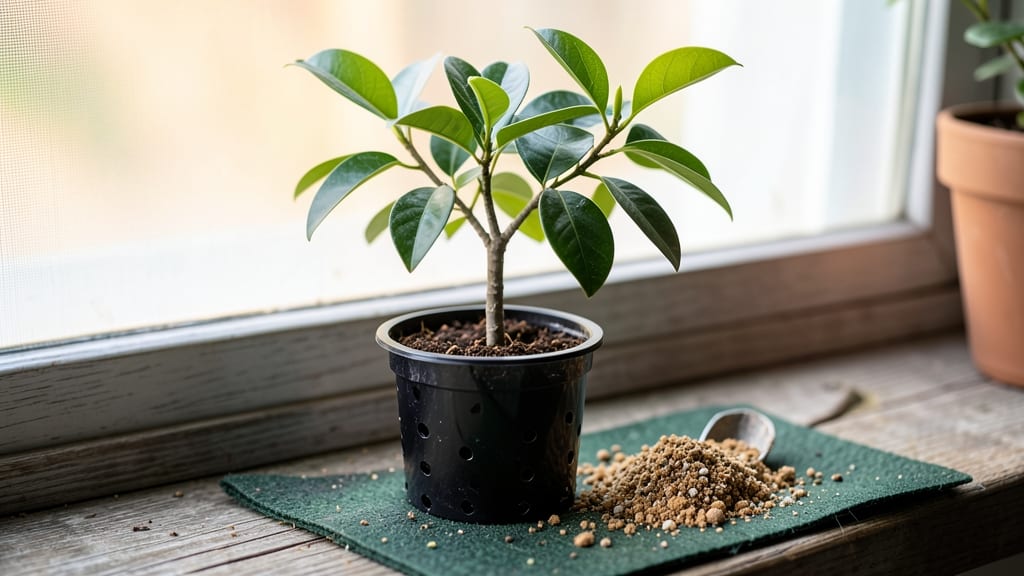
Growing a litchi tree from seed means waiting three years for that first sweet, fragrant fruit—but the journey starts with a single seed you might discard. 🌱 I’ve tried this three times, and each time, the slow germination and tropical quirks taught me patience (and why most gardeners buy grafted trees).
The secret to success lies in mimicking the litchi’s tropical home: warm soil above 70°F, high humidity, and bright indirect light. You’ll need a well-draining mix—think 60% peat or coco coir, 30% perlite, and 10% sand—to keep those delicate roots happy.
Germination can take 4-8 weeks, and seedlings grow slowly at first, but with the right care, they’ll reward you with glossy leaves and eventually, fruit.
By year three, you’ll see your first tiny, inedible litchis—proof the tree is maturing. With grafted varieties, fruit comes sooner, but seed-grown trees develop stronger roots and may even surprise you with better disease resistance.
The real payoff? Harvesting your own litchis, ripe and fragrant, in 6-8 years—if your climate stays warm enough.
Here’s the catch: litchis need year-round warmth—they’ll bolt indoors if temperatures dip below 50°F. If you live in a cooler zone, container growing with winter protection is your best bet. Let’s get those seeds sprouting!
📚 In This Guide
- What you need
- Instructions
- Tips and common mistakes
- Wrapping up and next steps
What you need
- ● Litchi seeds: 3–5 fresh, plump seeds (harvested from ripe litchis; avoid dried or shriveled seeds).
- ● Well-draining potting mix: 1 bag (1–2 cubic feet) of a blend like cactus/succulent mix or a 50/50 mix of peat moss + perlite.
- ● Small seed trays or pots: 4–6 biodegradable pots (3–4 inches in diameter) or a seed tray with drainage holes.
- ● Plastic wrap or humidity dome: To maintain moisture during germination (clear plastic wrap or a store-bought propagation lid).
- ● Spray bottle: For gentle watering (avoid over-saturating seeds).
- ● Grow lights or sunny windowsill: A full-spectrum LED grow light (12–16 hours/day) or a south-facing window (if in a warm climate).
- ○ Humidity tray (optional but helpful): A shallow tray filled with pebbles and water to boost moisture levels.
- ● Fertilizer (after germination): A balanced liquid fertilizer (e.g., 10-10-10 NPK) diluted to half-strength.
- ● Warmth: Consistent temperatures between 70–90°F (21–32°C)—litchi seeds need heat to germinate!
- ● Humidity: Aim for 60–80% humidity (especially during germination).
- ● Indoor vs. Outdoor: Indoors: Use a heat mat (80–85°F) under seed trays if natural warmth is lacking.
- ● Outdoors (tropical climates): Plant seeds directly in a protected, shaded area after the last frost.
- ● Patience: Germination can take 4–12 weeks—stay consistent!
- ● 🔥 Pre-soak seeds: Soak litchi seeds in warm water for 24–48 hours before planting to speed up germination.
- ● 🌡️ Monitor soil moisture: Keep soil lightly damp (not soggy)—overwatering can rot seeds.
- ● ✨ Transplant carefully: Once seedlings sprout 2–3 true leaves, harden them off before moving to larger pots.
Step-by-Step instructions for growing a litchi tree from seed
Here's how to nurture a litchi seed into a thriving sapling—patience and warmth are your best tools.
🌱 Step 1: Extract and Prepare the Seed
Start with a fresh litchi fruit. Remove the seed by gently squeezing the flesh until it pops free—don’t crush it, or the embryo inside may be damaged. Rinse the seed under cool water to remove any lingering pulp, then pat it dry with a paper towel. The seed has a hard outer shell, so soak it in warm water for 24 hours to soften it slightly and kickstart germination.
Here's the thing—litchi seeds germinate best when the outer shell is slightly compromised. After soaking, use a sharp knife to carefully score the seed’s harder end (the side opposite the pointed tip) without piercing the inner layers. This small nick lets moisture penetrate while keeping the embryo protected. Place the scored seed back in a damp paper towel and fold it to enclose the seed completely.
☀️ Step 2: Create a Warm, Humid Germination Environment
Litchi seeds thrive in warmth, so place the wrapped seed in a plastic bag and seal it loosely. Keep the bag in a spot where temperatures stay between 75-85°F, like near a sunny window or on top of a refrigerator. Check daily—if the towel dries out, mist it lightly with water. Germination can take 2-4 weeks, so don’t rush it.
Once you see a tiny sprout emerging from the seed (usually from the pointed end), it’s time to move it. Remove the seed from the bag and plant it ½ inch deep in a small pot filled with a sterile seed-starting mix. Press the soil gently around the seed to secure it without compacting it too much. Place the pot in a warm, bright location—just avoid direct sunlight at this stage.
💧 Step 3: Transplant and Provide Consistent Care
When the seedling reaches 2-3 inches tall and develops its first true leaves (not the initial seed leaves), it’s ready for a slightly larger pot—3-4 inches in diameter—with fresh seed-starting mix. Handle the seedling carefully by its leaves, never the stem, to avoid damaging the delicate roots. Water gently but thoroughly after transplanting, ensuring the soil is moist but not soggy.
Litchi seedlings need bright, indirect light for the first few weeks. If you notice the leaves turning pale or the stem stretching excessively toward the light, it’s a sign the seedling needs more intensity. A grow light placed 6 inches above the plant for 12-14 hours daily will prevent legginess. Keep the soil consistently moist—never let it dry out completely, but avoid waterlogging, which can cause root rot.
🌿 Step 4: Transition to Outdoor Conditions
After 3-4 months, when the seedling has 4-5 sets of leaves and is sturdy enough to handle outdoor conditions, it’s time to acclimate it. Start by placing the pot in a sheltered, shaded spot outside for 1-2 hours the first day. Gradually increase exposure over 7-10 days, moving it to sunnier locations and longer durations each time. This hardening-off process helps the seedling adjust to wind, sunlight, and temperature fluctuations.
Once the seedling can handle full sun without wilting, transplant it into the ground or a larger container (at least 12 inches in diameter) filled with well-draining soil. Litchi trees love acidic, sandy soil with good drainage—amend the soil with compost to provide nutrients without compacting it. Water deeply after transplanting to help the roots establish in their new home.
⏰ Step 5: Long-Term Care for Fruit Production
Litchi trees grow slowly but steadily. In the first year, focus on watering deeply once a week (adjust based on rainfall and soil dryness) and applying a balanced fertilizer every 2 months during the growing season. Prune any dead or yellowing leaves to encourage healthy growth, but avoid heavy pruning—litchi trees develop their fruit on new growth.
Real talk: It’ll take 3-5 years before your seed-grown litchi tree produces fruit, and even then, the quality may not match grafted varieties. However, the reward of growing a tree from seed—and potentially developing a unique, disease-resistant strain—makes the wait worthwhile. Keep the tree in a warm, tropical climate (or bring it indoors during winter if you live in a cooler zone) to maximize its fruit-bearing potential.
Tips & tricks for growing a litchi tree from seed
Here's what I learned after nurturing my own litchi sapling—these small details make all the difference between a thriving tree and a struggling one.
Seed Preparation Precision: When scoring the seed's harder end in Step 1, aim for a shallow nick—just enough to let moisture penetrate without exposing the embryo. I used a clean, sharp knife and made the cut on the flat side (not the pointed tip) where the seed naturally splits. This tiny opening creates a perfect micro-environment for germination without compromising the seed's integrity. Think of it as creating a controlled crack rather than a wound—this balance is what triggers successful sprouting.
Temperature Consistency: Maintaining that 75-85°F range during germination is non-negotiable. I placed my seed bag on top of my refrigerator (which stays around 78°F) rather than near a sunny window that could exceed 90°F. Too hot, and the seed may rot; too cold, and germination stalls. Consider using a small heating mat set to low if your home stays cooler than 70°F—this is especially critical during the first 7-10 days when the seed is most vulnerable. A simple infrared thermometer (about $15) lets you monitor the exact temperature without guesswork.
Light Transition Strategy: The shift from indirect light to full sun in Step 4 is where most seedlings fail. I started by moving my litchi sapling to a spot that received morning sun only, then gradually increased exposure by 30 minutes each day. Watch for leaves that look like they've been bleached—this is your plant's way of saying "too much, too soon." If you notice this, immediately move it back to partial shade and wait another 2-3 days before trying again. This slow acclimation mimics natural conditions and prevents sunburn that could kill your young tree.
Soil Science Matters: While the instructions mention acidic, sandy soil, I found that adding a 20% perlite mix to my seed-starting blend made all the difference. Litchi roots need excellent drainage—water should flow through the pot in about 10 minutes after watering. If you're planting outdoors, test your soil's pH first (aim for 5.5-6.5). You can lower pH by adding sulfur or pine needles, but raising pH is nearly impossible without replacing the soil entirely. This attention to soil chemistry is what separates a struggling sapling from a robust young tree.
Pro Tips for Grow A Litchi Tree From Seed
- Here's what I learned after nurturing my own litchi sapling—these small details make all the difference between a thriving tree and a struggling one.
- Seed Preparation Precision: When scoring the seed's harder end in Step 1, aim for a shallow nick—just enough to let moisture penetrate without exposing the embryo.
- Temperature Consistency: Maintaining that 75-85°F range during germination is non-negotiable.
Frequently asked questions
Got questions about growing a litchi tree from seed?
You’re not alone! Here are answers to the most common ones—so you can skip the guesswork and get straight to tropical success.
How long does it take for a litchi seed to sprout?
A litchi seed typically sprouts within 2–4 weeks if kept in warm, moist conditions (70–80°F). Patience is key—some seeds take up to 6 weeks. If nothing happens after a month, gently check for rot or viability. Pro tip: Soak seeds in warm water for 24 hours before planting to speed up germination!
Will a litchi tree grown from seed produce fruit?
Yes, but it may take 5–10 years (vs. 3–4 years for grafted trees). Seed-grown trees are not guaranteed to match the parent fruit’s quality—expect variations in size, sweetness, or texture. For consistent harvests, consider grafting later, but seed-starting is a fun experiment!
What’s the best climate for growing a litchi tree from seed?
Litchi trees thrive in tropical/subtropical zones (USDA 10–12), needing year-round warmth (65°F+), high humidity, and 6+ hours of sunlight daily. If you’re in a cooler zone, grow it in a large pot and bring it indoors during winter. Warning: Frost will kill the tree—plan accordingly!
Why is my litchi seedling wilting or turning yellow?
Common causes include:
- Overwatering (roots need well-draining soil—mix in perlite or sand).
- Underwatering (keep soil consistently moist, not soggy).
- Pests (check for aphids or mites on leaves).
- Nutrient deficiency (fertilize lightly with a balanced 10-10-10 formula every 2 months).
Trim yellow leaves and adjust care—most seedlings bounce back with TLC!
Can I grow a litchi tree indoors?
Possible, but challenging! You’ll need:
- A sunny south-facing window or grow lights (12+ hours/day).
- A large pot (10+ gallons) with drainage holes.
- Consistent warmth (65°F+) and humidity (use a pebble tray or humidifier).
Indoor litchis grow slowly and may never fruit—best for small spaces or experimental growers.
Wrapping up and next steps
Growing a litchi tree from seed is a rewarding journey that blends patience with the joy of nurturing life!
While it may take 3-5 years for your sapling to bear fruit, every step—from soaking the seed to transplanting—teaches you the art of tropical gardening. Don’t let the wait discourage you: with care, your tree could thrive and even produce sweet, fragrant litchis in time.
Now that you’re armed with the know-how, take the next step! Start with a seed today, and soon you’ll be watching your little litchi tree grow into a lush, fruit-bearing beauty. Happy planting! 🌱✨