
Pruning
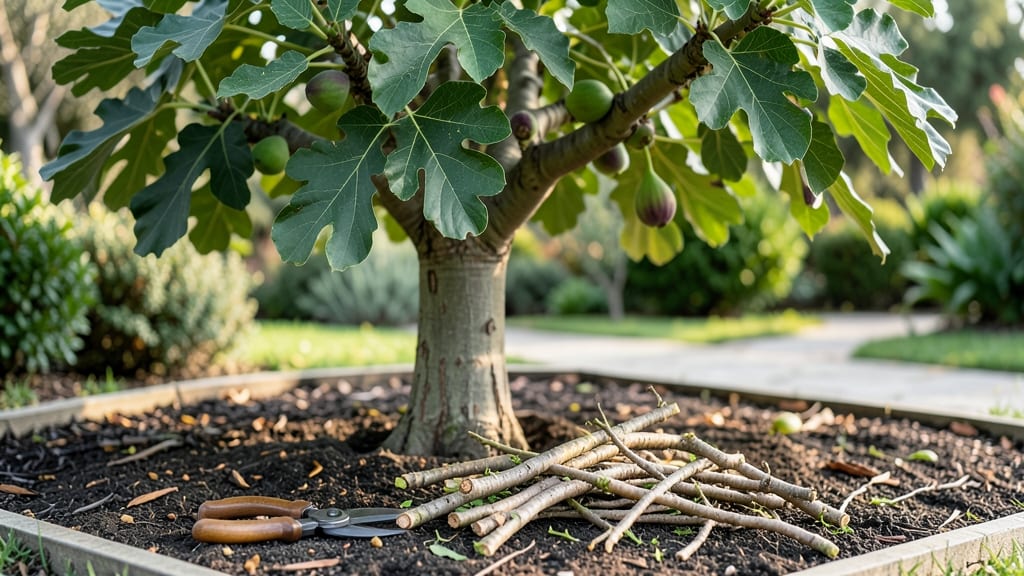
Cutting a fig tree isn’t just about hacking away at branches—it’s the secret to sweeter fruit and a healthier plant. 🌿 I’ve watched my figs go from scraggly and underproductive to bursting with plump, sun-ripened fruit after learning the right timing and technique.
The key is working with the tree’s natural growth cycle, not against it.
You’ll need sharp pruners, rubbing alcohol for sterilizing cuts, and a clear day to assess the tree’s structure. Late winter or early spring—just before buds swell—is ideal for heavy pruning, while summer trims focus on shaping and removing dead wood.
I’ve made the mistake of over-trimming in fall, which left my tree vulnerable to cold damage.
After pruning, you’ll see fresh green shoots within weeks, each one a potential branch for next year’s harvest. The tree directs energy toward fruit production instead of struggling with overgrowth. Just avoid cutting into the main trunk unless it’s absolutely necessary—figs are tough but not indestructible.
This method works for both container-grown figs and mature trees in the ground. Once you master the timing and technique, your figs will reward you with heavier crops and easier maintenance. Let’s get those branches in shape!
📚 In This Guide
- What you need
- Instructions
- Tips and common mistakes
- Wrapping up and next steps
What you need
- ● Pruning shears or loppers – Choose bypass pruners (for clean cuts) or anvil pruners (for thicker branches). Loppers (16–24 inches) work best for branches ½-inch to 2-inches thick.
- ● Pruning saw – For branches over 2-inches thick (a bow saw or pruning saw with a fine-tooth blade is ideal).
- ● Gloves – Wear cut-resistant gloves (like mechanics’ gloves) to protect against thorns and sap.
- ● Disinfectant (70% isopropyl alcohol or bleach solution) – Clean tools between cuts to prevent disease spread (mix 1 part bleach to 9 parts water).
- ● Rag or paper towels – For wiping tools and hands.
- ○ Sealing wax or pruning paint – Apply to cuts larger than ½-inch to prevent disease (optional for fig trees, but useful in wet climates).
- ● Ladder or step stool – If your tree is tall (extendable ladders with non-slip feet are safest).
- ● Heavy-duty trash bags – For collecting pruned branches and debris.
- ● Sharpie or marker – To label cuts if you’re training the tree (e.g., marking future fruit-bearing branches).
- ● Timing – Prune during the tree’s dormant season (late winter/early spring) or right after harvest (late summer). Avoid pruning when figs are ripening! 🌞
- ● Weather check – Choose a dry, overcast day to minimize stress on the tree.
- ● Tree health assessment – Inspect for diseased or dead branches (they’ll be brittle and dark-colored) before cutting.
- ● Safety gear – Safety glasses (to protect from debris) and long sleeves/pants (fig thorns are no joke!).
Step-by-step guide to pruning a fig tree for bountiful harvests
Here's how I prune fig trees—keeping them healthy, productive, and easy to manage.
✂️ Step 1: Choose the Right Time to Prune
Figs are sensitive to timing. I always prune late winter or early spring, just before buds swell but before new growth starts. This gives the tree time to heal before summer heat arrives. Avoid pruning in fall—you'll stimulate new growth that won't harden off before winter.
For established trees, you can do light shaping in summer after harvest to remove dead wood or crossing branches. But major structural pruning waits for that late winter window. Watch for the first green buds on branches—prune just before they open.
✂️ Step 2: Gather Your Tools and Safety Gear
You'll need sharp pruning shears for small branches and a pruning saw for thicker ones over ½ inch in diameter. I also wear gloves—fig sap can irritate skin, and branches are often thorny. A bucket or tarp helps catch falling debris.
Disinfect your tools with rubbing alcohol between cuts on different trees to prevent spreading disease. I keep a small spray bottle nearby to clean blades during work. The goal is clean cuts that heal quickly—no jagged edges that invite rot.
✂️ Step 3: Remove Dead, Diseased, or Crossing Branches First
Start with the obvious—any dead wood (brown, brittle branches), diseased branches (black spots, oozing sap), or crossing branches rubbing together. Cut these back to the main trunk or outward-growing side branch, making cuts at a 45-degree angle just above a bud or lateral branch.
Don't leave stubs—this creates weak points where disease enters. If a branch is too thick to cut cleanly, make a two-step cut: first undercut, then remove the top section. Watch for suckers (shoots growing from the base)—remove these unless you're propagating.
✂️ Step 4: Thin the Canopy for Better Airflow
Figs produce best when sunlight reaches the center. Step back and look for overcrowded branches blocking light. Remove about 20-30% of the canopy, focusing on branches growing inward. Aim to create an open, vase-like shape with the strongest branches evenly spaced.
Prioritize branches that bear the most fruit—these are usually the older, thicker ones. You'll see fruit buds forming in late winter as small swellings along the branches. Leave these unless absolutely necessary. Thin from the inside out, cutting back to the main scaffold branches.
✂️ Step 5: Shape and Maintain Aftercare
Once you've removed the necessary branches, step back and assess the tree's shape. Figs respond well to open, airy forms. Make final adjustments to create a balanced silhouette. Avoid heavy pruning on young trees—focus on establishing a strong structure first.
After pruning, apply a layer of mulch around the base to retain moisture and protect roots. Water deeply to help the tree recover. You'll see new growth in 3-4 weeks—this is your sign the tree is healing well. Avoid fertilizing immediately after pruning; wait until new growth appears.
Tips & tricks for pruning fig trees
Real talk: Pruning fig trees isn't just about cutting branches—it's about creating a healthy, productive framework. Here's what I've learned after years of trial and error (and a few too many over-pruned trees!).
Timing is Everything: That late winter/early spring window is critical because fig trees need time to heal before summer heat arrives. I've seen trees pruned in fall struggle with tender new growth that can't survive winter freezes. If you must prune outside this window, stick to light shaping after harvest in summer—never major structural cuts. The goal is to let the tree recover before stress from heat or cold sets in.
Tool Prep Prevents Problems: Disinfecting your tools between cuts is non-negotiable. I keep rubbing alcohol in a spray bottle and clean blades after every 3-4 trees to prevent spreading disease. Sharp tools also matter—dull blades tear wood, creating jagged edges that invite rot. A quick test: if your pruners struggle to cut through a pencil, they're too dull. Invest in quality tools that make clean cuts at a 45-degree angle—this is how professional arborists do it.
Canopy Math Matters: Removing 20-30% of the canopy might sound arbitrary, but it's based on fig trees' natural growth patterns. I learned this the hard way by over-pruning and nearly killing a mature tree. Focus on branches growing inward—these block sunlight and air circulation, which leads to fungal issues. Prioritize older, thicker branches that bear fruit; these are your tree's workhorses. Thin from the inside out to create that open vase shape, and you'll see fruit production double in just one season.
Aftercare Makes All the Difference: That 3-4 week recovery period is when most people mess up. I've seen gardeners fertilize immediately after pruning, which stresses the tree further. Instead, mulch well and water deeply—this helps roots recover. Wait until you see new growth before fertilizing. The first flush of green leaves in spring is your green light that the tree is healing properly. This step alone can mean the difference between a struggling tree and one that produces bushels of fruit.
Pro Tips for Cut A Fig Tree
- Real talk: Pruning fig trees isn't just about cutting branches—it's about creating a healthy, productive framework.
- Timing is Everything: That late winter/early spring window is critical because fig trees need time to heal before summer heat arrives.
- Tool Prep Prevents Problems: Disinfecting your tools between cuts is non-negotiable.
Frequently asked questions
Got questions about trimming your fig tree? You’re not alone! Here are answers to the most common concerns to help you prune like a pro—without the guesswork.
When is the best time to cut a fig tree?
The ideal window is late winter or early spring (just before new growth starts), but you can also trim after harvest in late summer. Avoid pruning during frost or extreme heat—fig trees heal best in mild weather. For tropical figs, prune lightly year-round, but focus on spring for temperate varieties.
How much can I cut off a fig tree?
Never remove more than 25-30% of the tree’s canopy in one session. Over-pruning stresses the tree and reduces fruit production. Prioritize dead, diseased, or crossing branches first, then thin out excess growth. Young trees tolerate more aggressive cuts, while mature trees benefit from gradual shaping.
What if my fig tree doesn’t produce fruit after pruning?
If your tree is healthy but still bare, it might need more sunlight or younger wood to bear fruit. Figs produce best on 1- to 3-year-old branches, so avoid heavy cuts on old wood. Check for pests, nutrient deficiencies (like potassium), or improper watering—sometimes the issue isn’t the pruning!
Can I cut fig tree branches in summer?
Summer pruning is possible but riskier—it can slow growth and invite pests. If you must trim, do so after harvest (late summer) and avoid heavy cuts. Focus on shaping, removing dead wood, or thinning leaves for airflow. Always sterilize tools to prevent disease spread in warm, humid conditions.
What’s the difference between pruning a standard fig tree vs. a dwarf variety?
Dwarf figs (like ‘Little Miss Figgy’) need less aggressive pruning—focus on maintaining shape and removing suckers at the base. Standard trees (e.g., ‘Brown Turkey’) can handle structured trimming to open the canopy. Dwarf varieties also fruit on older wood, so avoid heavy cuts that remove bearing branches.
Pro Tip:
Label branches you cut if you’re unsure which are fruit-bearing! Use twine or tags to track growth patterns—this helps you prune smarter next season.
Wrapping up and next steps
Pruning your fig tree doesn’t have to be intimidating—with the right timing, tools, and techniques, you’ll soon be rewarded with bountiful fruit and a healthier plant. 🌿 Whether you’re shaping young branches, managing overgrowth, or preparing for winter, seasonal trimming keeps your tree thriving.
Now that you’re equipped with the know-how, grab your pruners and give it a go!
Ready for more? Next, explore how to propagate fig cuttings or dive into organic pest control to keep your tree flourishing year-round. Happy gardening! 🌱