
Trees
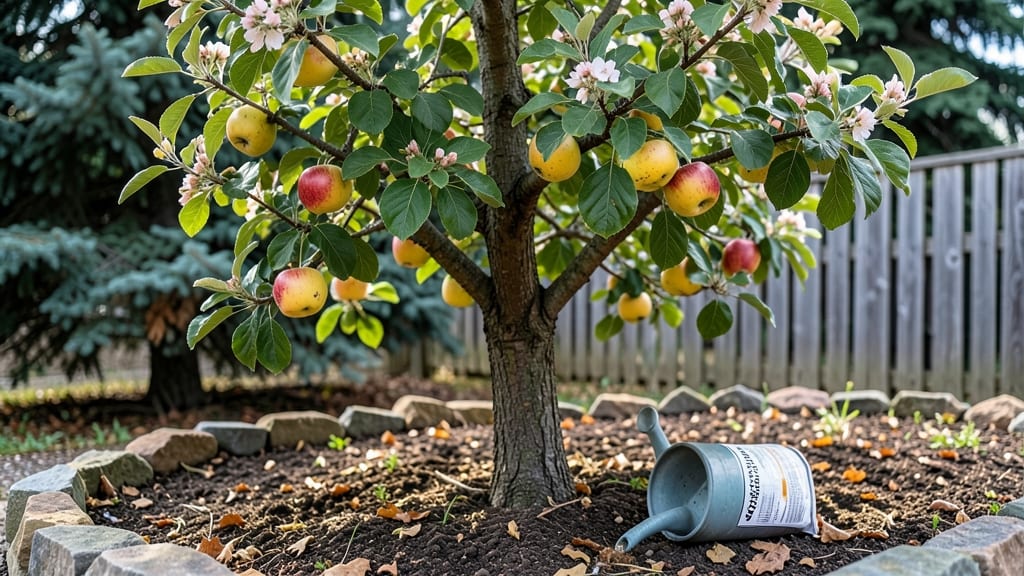
Honeycrisp apple tree leaves reveal everything about your tree’s health—those crisp, vibrant leaves aren’t just pretty, they’re your early warning system for problems before they become crises. 🌿 I’ve spent years watching my Honeycrisp’s foliage turn from glossy green to spotted, curled, or yellowed, and I’ve learned the exact steps to turn things around before the fruit suffers.
Most leaf issues—whether it’s black spots from apple scab, holes from pests, or yellowing from overwatering—start with simple fixes: pruning to improve airflow, applying the right fungicide spray, or adjusting your watering schedule.
The key is acting fast, before the problem spreads to the fruit. My tree now produces consistently sweet Honeycrisp apples because I caught and treated leaf issues in their early stages.
📚 In This Guide
- What you need
- Instructions
- Tips and common mistakes
- Wrapping up and next steps
What you need
- ● Pruning shears or loppers: Sharp, bypass type (not anvil) to make clean cuts. Choose 5-7 inch blades for smaller branches and 8-10 inch loppers for thicker limbs.
- ● Pruning saw: A folding pruning saw with a 7-9 inch blade for branches thicker than 2 inches.
- ● Disinfectant (70% isopropyl alcohol or bleach solution): 1 part bleach to 9 parts water to sterilize tools between cuts.
- ● Gloves: Heavy-duty gardening gloves (waterproof, with grip) to protect hands from thorns and sap.
- ○ Tree wound dressing (optional but helpful): Pruning sealant (like Tanglefoot Tree Wound Pruning Seal) for cuts larger than ½ inch.
- ● Bucket or trash bag: For collecting pruned leaves and debris (aim for a 5-gallon capacity).
- ● Ladder or step stool: Sturdy and tall enough to reach the tree’s canopy safely (6-12 feet, depending on tree height).
- ● Knowledge of basic pruning: Familiarize yourself with 3-cut pruning technique and how to identify water sprouts, deadwood, and crossing branches.
- ● Weather check: Prune on a dry, cloudy day (avoid frost or extreme heat).
- ● Tree health assessment: Inspect the tree for signs of disease (e.g., black spots, mildew, or unusual leaf discoloration) before pruning.
- ● Safety gear: Safety glasses and long sleeves/pants to protect against debris and sap.
- ● Leaf collection kit: A fine mesh bag or breathable fabric sack for drying leaves (if planning to make tea or compost).
- ● Labeling tags: Small, weatherproof tags to mark pruned sections if tracking growth over time.
- ● Organic fertilizer: Balanced 10-10-10 or compost to nourish the tree post-pruning (apply in early spring).
- ● Camera or sketchbook: To document the tree’s structure before and after pruning.
How to maintain healthy Honeycrisp apple tree foliage year-round
Pruning isn't just about shaping your tree—it’s about keeping those lush Honeycrisp leaves thriving.
🌿 Step 1: Assess and Remove Winter-Damaged Leaves
Start in late winter or early spring, before buds swell. Inspect branches for brown, brittle, or dead leaves—these won’t recover and can harbor pests. Use sharp pruning shears to cut just above a healthy bud or branch collar. The goal is clean cuts, not jagged tears, so the tree can heal quickly.
I always prune on a dry day (never when leaves are wet) to reduce disease risk. If you see clusters of small, yellowed leaves, that’s a sign of winter burn—trim those branches back to encourage fresh, vibrant growth. Remember, you’re not just cutting leaves; you’re making room for stronger ones later.
✂️ Step 2: Thin Out Crowded Canopy for Airflow
During early spring, focus on the tree’s interior. Honeycrisp apples need good airflow to prevent fungal diseases like apple scab. Look for branches where leaves overlap heavily—these are prime spots for moisture buildup. Remove about 20% of the total leaves by cutting back smaller, inward-facing branches to open the canopy.
Here’s the trick: Step back and look at the tree from all sides. If you can’t see light filtering through the center, you’re not thinning enough. I like to start with the thinnest branches first—they’re easier to remove and won’t leave big gaps. Use your shears at a 45-degree angle just above an outward-facing bud to encourage new growth in the right direction.
☀️ Step 3: Summer Pruning for Leaf Vitality
Mid-summer is the time to address any leaves that look stressed—yellowing, curling, or spotted. These are often signs of pests or disease, and removing them early stops the spread. Cut back to the nearest healthy leaf or bud, and dispose of the clippings in the trash (not your compost).
This is also when you should check for water sprouts—those fast-growing, vertical shoots with small leaves. They steal energy from your Honeycrisp tree. Snip them off at the base. You’ll know you’re doing it right when the tree’s remaining leaves look darker green and more robust. A quick spray with neem oil after pruning can help protect fresh cuts.
🪴 Step 4: Fall Cleanup to Prevent Winter Stress
As temperatures drop, rake up all fallen leaves and any remaining dead or diseased foliage. Honeycrisp trees are prone to fungal issues, and leaving debris on the ground invites trouble. Use a sharp rake to gather leaves into a pile, then dispose of them. This isn’t just about tidiness—it’s about giving your tree a clean slate for spring.
Before the first frost, give the tree a final once-over. Look for any branches with weak leaf attachment—these are likely to break under snow or ice. Prune them back now to avoid winter damage. A light application of dormant oil can also help smother overwintering pests hiding in the bark.
⏰ Step 5: Monitor and Adjust Through the Seasons
Keep an eye on your tree’s leaves throughout the year. If you notice new growth appearing leggy or sparse, it’s a sign the tree needs more light or nutrients. In early spring, apply a balanced 10-10-10 fertilizer (follow package rates) to support new leaf development. Water deeply but infrequently—Honeycrisp trees hate soggy roots.
Real talk: You won’t get it perfect the first year. Maybe you’ll over-prune and leave gaps, or miss a few diseased leaves. That’s okay—just adjust next time. The key is consistency. A well-maintained Honeycrisp tree will reward you with glossy, disease-resistant leaves and the sweetest apples you’ve ever tasted.
Tips & tricks for maintaining Honeycrisp apple tree foliage
Here's what nobody tells you about keeping those Honeycrisp leaves vibrant through every season.
The Timing Factor: Don't wait until spring to start! Late winter is your window for Step 1—look for those dried-up leaves that crumble easily when touched. These are your biggest red flags for winter damage. I've seen trees that missed this step develop fungal spots by summer because the old leaves never fully let go of pests.
Pruning Precision: When you're thinning that crowded canopy in Step 2, remember the 45-degree angle isn't just about looks—it's about directing growth. Cutting too straight leaves stubs that can trap moisture and invite disease. Also, those 20% of leaves you're removing? That's not arbitrary—it's the magic number for maintaining airflow without stressing the tree. Think of it like giving your tree a spa day.
Seasonal Checklist: Create a simple calendar reminder for each season's pruning tasks. Mid-summer's the time to be extra vigilant about those water sprouts—they're sneaky little energy vampires. I keep a small notebook by my pruning shears to jot down which branches I've checked each season. This helps me spot patterns, like if certain branches always develop problems first.
Equipment Wisdom: Your pruning shears are only as good as their sharpness. Dull blades tear leaves, creating bigger wounds that take longer to heal. I keep a small file in my toolbox and sharpen my shears every few pruning sessions. For larger branches, consider borrowing a pruning saw from your local garden center—it's worth the investment for those thicker stems that regular shears can't handle.
Pro Tips for Honeycrisp Apple Tree Leaves
- Here's what nobody tells you about keeping those Honeycrisp leaves vibrant through every season.
- The Timing Factor: Don't wait until spring to start!
- Pruning Precision: When you're thinning that crowded canopy in Step 2, remember the 45-degree angle isn't just about looks—it's about directing growth.
Frequently asked questions
Why are my Honeycrisp apple tree leaves turning yellow or brown?
Yellow or brown leaves often signal stress—check for overwatering (root rot risk), underwatering (dry soil), or nutrient deficiency (pale leaves = nitrogen lack). Pests like aphids or fungal diseases (e.g., apple scab) can also cause discoloration. Inspect the undersides of leaves and adjust care accordingly. Pro tip: Mulch properly to retain moisture and prevent soil-borne issues.
When is the best time to prune Honeycrisp apple tree leaves for optimal growth?
Prune late winter or early spring (before buds swell) to encourage strong new growth. Avoid heavy pruning in fall—it invites disease. Focus on removing dead, diseased, or crossing branches (aim for an open canopy). Key: Sterilize tools with rubbing alcohol to prevent spreading pathogens.
How do I treat pests or diseases affecting Honeycrisp apple tree leaves?
Spot aphids, mites, or apple scab? Start with neem oil or insecticidal soap for pests. For fungal issues, apply copper fungicide early in the season. Prevention: Space trees 10–15 ft apart for airflow, and remove fallen leaves to reduce spores. Organic options like baking soda spray (1 tsp/baking soda + 1 quart water) can help mild cases.
Can I use Honeycrisp apple tree leaves for compost or mulch?
Healthy leaves (free of pests/diseases) make great mulch—chop them into "leaf mold" for nutrient-rich soil. Avoid composting diseased leaves (they can spread pathogens). Tip: Shred leaves first to speed up decomposition. For mulch, spread a 2–3-inch layer around the base (keep it away from the trunk).
What if my Honeycrisp tree isn’t leafing out in spring?
Several factors could be at play: winter damage (check for bark splits), dormant but alive (wait 2–3 weeks—new leaves may emerge), or root issues (dig gently to inspect). If the tree is truly dead, look for no buds or mushy bark. Action step: Test soil pH (ideal: 6.0–6.5) and fertilize lightly with balanced 10-10-10 if needed.
Wrapping up and next steps
Caring for your Honeycrisp apple tree leaves isn’t just about pruning—it’s about nurturing a thriving orchard that rewards you with year-round health and delicious fruit! 🌿 By mastering the right techniques, timing, and tools, you’ll ensure your tree stays strong, productive, and vibrant.
Whether you’re a seasoned gardener or just starting, every small step makes a difference.
Ready to take the next step? Start small—pick one pruning task this season and observe how your tree responds. Over time, you’ll build confidence and turn your Honeycrisp into a showcase of orchard excellence! 🍏✨