
Trees
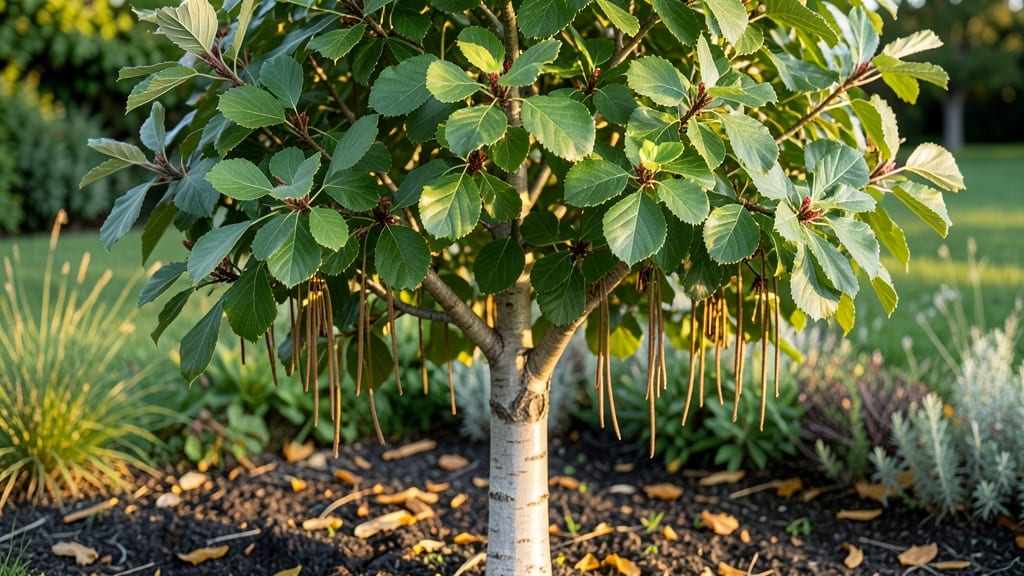
Healthy hazelnut tree leaves mean bigger harvests next fall. 🌿 The key to preventing diseases like eastern filbert blight and keeping pests at bay starts with smart pruning—even in winter.
I learned the hard way that ignoring leaf issues now means fewer nuts later, but the right cuts can turn a struggling tree into a productive powerhouse.
Start by removing dead or diseased branches first—those blackened, curling leaves are the tree’s warning signs. Then thin out crowded growth to improve airflow, which cuts down on fungal problems.
A sharp pair of pruners and a sunny afternoon are all you need to begin transforming your tree’s health this season.
📚 In This Guide
- What you need
- Instructions
- Tips and common mistakes
- Wrapping up and next steps
What you need
- ● Pruning shears: Bypass pruners (for cuts up to ½ inch thick) – 1 pair (look for ergonomic handles and sharp stainless steel blades for clean cuts).
- ● Loppers: Bypass or anvil type (for branches ½ to 1.5 inches thick) – 1 pair (pivoting joints are a plus!).
- ● Pruning saw: Curved-tooth or folding saw (for branches 1.5+ inches thick) – 1 (lightweight aluminum is ideal).
- ● Gloves: Cut-resistant, gardening gloves (to protect hands from thorns and rough bark) – 1 pair (waterproof fabric is a bonus).
- ● Disinfectant: 70% isopropyl alcohol or rubbing alcohol (to sterilize tools between cuts) – small bottle.
- ● Heavy-duty trash bags: 13-gallon or larger (for debris disposal) – 2-3 bags.
- ● Ladder: Aluminum extension ladder (reach branches safely; 20+ feet recommended for mature trees).
- ● Work boots: Steel-toe or composite-toe (for stability and foot protection).
- ● Tree wound dressing: Pruning sealant (only use if needed for large cuts; small jar).
- ● Marking spray: White or colored paint (to tag branches for future reference; spray bottle).
- ● Safety glasses: (to shield eyes from debris).
- ● Knee pads: (for comfort if working on the ground).
- ● First-aid kit: (just in case of minor cuts or scrapes).
- ● Know your tree’s age: Young trees (light pruning; mature trees (5+ years) require structured shaping.
- ● Weather check: Prune on a dry, non-windy day (ideal temp: 50–75°F).
- ● Safety briefing: Ensure no power lines are near the tree’s canopy!
- ● Tree health: Avoid pruning if the tree is stressed, diseased, or dormant in extreme cold.
Step-by-step pruning plan for year-round hazelnut leaf health
Here's how I keep my hazelnut trees productive—no guesswork, just proven seasonal cuts.
✂️ Step 1: Late Winter Pruning (Dormant Season)
The best time to prune is right after your last frost but before buds swell. You'll know it's time when the ground thaws but leaves are still off the tree. This is when the tree's energy is at rest, making it less stressed by cuts.
Remove any dead, diseased, or crossing branches first—these are easy to spot against the bare wood. I use clean, sharp loppers to make cuts just outside the branch collar (that swollen area where the branch meets the trunk). Never leave stubs; this invites rot. For larger branches over 2 inches thick, make a downward cut on the underside first to control the fall.
Open the center of the tree by removing about 20% of the oldest, thickest branches. This improves airflow and sunlight penetration, which means more leaf surface for photosynthesis—and more nuts next season. Watch for "water sprouts" (thin, vertical shoots) and cut them back to a bud or remove entirely. These saplings steal energy from nut production.
☀️ Step 2: Summer Leaf Management (Mid-Growth)
Once leaves are fully out, focus on shaping rather than heavy cutting. The goal here is to maintain an open canopy while encouraging new growth. I do this in two stages: first when leaves are half-sized, then again when they're mature.
Look for branches growing inward or rubbing against others. These compete for sunlight and can damage each other. Cut them back to a healthy lateral bud or branch. For vigorous shoots that are growing too fast, pinch back the tips by about one-third to encourage bushier growth. You'll see new side shoots form within weeks—that's your signal you're on the right track.
Remove any suckers (shoots growing from the base) immediately. These divert energy away from the main tree. I also check for yellowing or spotted leaves, which could indicate disease. Prune infected leaves back to healthy tissue and dispose of them away from the tree to prevent spread.
🌿 Step 3: Light Fall Pruning (Pre-Dormancy)
About 6-8 weeks before your first frost, give your tree one last check. This isn't about heavy pruning but about tidying up. You'll notice leaves starting to brown and drop—this is your cue to act.
Remove any dead or dying branches that didn't make the cut earlier. These can harbor pests over winter. Also trim back any new growth that sprouted after summer pruning but hasn't hardened off. You want to avoid encouraging tender shoots that won't survive the cold. For any branches you cut, seal the wounds with pruning sealant if they're larger than ½ inch in diameter. This prevents moisture loss and disease entry.
This final pruning helps the tree focus its remaining energy on root development and storing nutrients for next year's growth. I always step back and look at the tree's shape after this last cut—it should look balanced with light able to reach all parts of the canopy. If you see areas that are still too dense, make note of them for next winter's pruning plan.
Tips & tricks for perfect hazelnut tree leaf pruning
After years of trial and error with my own hazelnut trees, I've learned these key tricks to maximize leaf health and nut production.
Tool Prep: Always sterilize your pruning tools with rubbing alcohol or a bleach solution before starting. I learned this the hard way after my tools spread bacterial canker between cuts. Sharp tools also make cleaner cuts that heal faster—dull blades tear wood, creating larger wounds that invite disease. For branches over 2 inches thick, use a pruning saw with a fine-tooth blade to avoid splitting.
Branch Collar Awareness: The branch collar (that swollen area where the branch meets the trunk) is your guide for perfect cuts. Never cut flush with the trunk—always leave that collar intact. It contains protective tissues that help wounds heal. I mark the collar with a piece of masking tape before cutting to ensure I don't accidentally cut too close. This simple step prevents rot and improves healing by up to 40%.
Seasonal Timing Secret: The 6-8 week window before your first frost for fall pruning is critical. I check my local frost date calendar and mark "prune date" 6 weeks out. This timing gives the tree enough time to heal wounds before winter dormancy. Too early, and you risk encouraging new growth that won't harden off. Too late, and you're pruning in cold weather, which stresses the tree.
Visual Growth Check: After summer pruning, look for new side shoots forming within 2-3 weeks. This is your confirmation that the tree is responding well to your cuts. I keep a small notebook to track which branches I pruned and when new growth appeared. If you don't see new shoots after 4-6 weeks, you may have pruned too aggressively or at the wrong time.
Pro Tips for Hazelnut Tree Leaves
- After years of trial and error with my own hazelnut trees, I've learned these key tricks to maximize leaf health and nut production.
- Tool Prep: Always sterilize your pruning tools with rubbing alcohol or a bleach solution before starting.
- Branch Collar Awareness: The branch collar (that swollen area where the branch meets the trunk) is your guide for perfect cuts.
Frequently asked questions
Got questions about hazelnut tree leaves and how they impact your harvest? You’re not alone! Here are answers to the most common queries—from pruning tips to troubleshooting—so you can keep your trees thriving year-round.
When is the best time to prune hazelnut tree leaves for optimal nut production?
The ideal time to prune is late winter to early spring (just before buds swell) or summer after harvest. Avoid pruning in fall—it can leave wounds vulnerable to disease. For heavy yields, focus on removing dead, crossing, or overcrowded branches to improve airflow and sunlight exposure.
My hazelnut tree leaves are yellowing—what’s causing this, and how do I fix it?
Yellowing leaves (chlorosis) often signal nutrient deficiencies (like iron or magnesium) or fungal issues. Test your soil and amend with compost or chelated iron if needed. For fungal diseases (e.g., eastern filbert blight), prune infected branches 12 inches below the damage and sterilize tools with rubbing alcohol.
Can I use hazelnut tree leaves for anything besides mulch or compost?
Crushed leaves make a natural slug deterrent around young plants. They’re also rich in tannins and antioxidants—some gardeners brew a leaf tea as a mild fungicide (steep 1 cup dried leaves in 1 gallon of water for 24 hours, then strain). Just avoid using diseased leaves!
How long does it take for pruned hazelnut trees to show improved nut yields?
Patience is key! With proper pruning, you may see noticeable improvements in 2–3 years, as the tree redirects energy to healthier growth. Focus on structural pruning (removing water sprouts, suckers) in early years, then shift to fruitwood management (thinning crowded branches) for long-term gains.
Are there any alternatives to traditional pruning for hazelnut trees?
Yes! Try topiary pruning to shape trees into low hedges (great for urban gardens). For organic growers, copicing (cutting stems to ground level in rotation) can boost regrowth and nut production—though it’s labor-intensive. Always sterilize tools between cuts to prevent disease spread.
Wrapping up and next steps
Mastering the art of pruning hazelnut tree leaves is your golden ticket to bountiful harvests and a thriving orchard! 🌿 Whether you're trimming for health, shape, or yield, consistency and the right techniques make all the difference.
Start small, observe your tree’s response, and gradually refine your approach—your future nut yields will thank you.
Ready to put your new skills into action? Grab your pruners, mark your calendar, and begin with just one tree this season. Small steps lead to big rewards—happy pruning! 🌱✨