
Trees
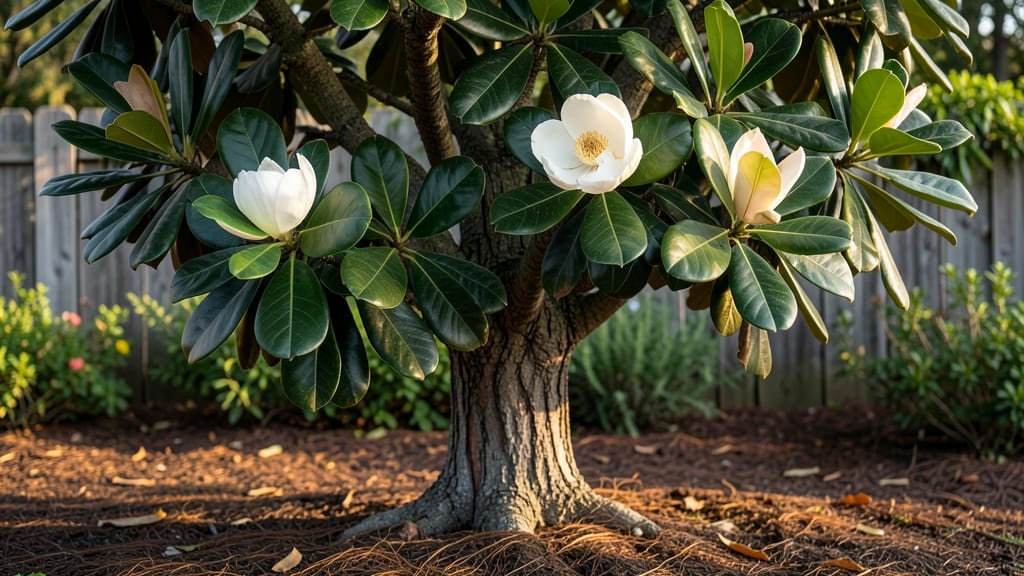
Growing magnolia trees starts with layered soil—their roots’ secret to legendary strength and intoxicatingly fragrant blooms. I learned this the hard way after my first sapling struggled in heavy clay, its roots suffocating instead of spreading.
The secret isn’t just good soil; it’s creating the perfect underground foundation where roots can breathe and expand.
Southern magnolias and deciduous types both demand well-draining, slightly acidic soil with a mix of organic matter. Start with a 6-inch layer of compost mixed into the top 12 inches of native soil, then add a 2-inch layer of coarse sand or perlite to prevent compaction.
This setup mimics their natural woodland habitat and prevents root rot—something I wish I’d known before my first pruning disaster.
Once planted, magnolias reward patience with glossy leaves and showstopping blooms by mid-spring. A mature tree can reach 30-40 feet, but proper soil prep ensures it grows strong from the start.
Water deeply once a week during the first year, keeping the soil moist but never soggy—this is where most beginners go wrong.
Pruning is minimal but strategic: remove dead branches in late winter and shape only when necessary. Deciduous varieties like Magnolia stellata bloom earlier, while Southern magnolias shine in summer. Either way, the payoff is worth the wait—imagine that first scent of blooms in your yard after years of nurturing.
📚 In This Guide
- What you need
- Instructions
- Tips and common mistakes
- Wrapping up and next steps
What you need
- ● Magnolia Tree: Choose between a container-grown (1–3 gallon pot) or bare-root sapling (1–2 feet tall). Popular varieties: Magnolia grandiflora (Southern Magnolia) or Magnolia stellata (Star Magnolia).
- ● Well-draining soil: Mix 2 parts native soil, 1 part compost, and 1 part perlite or coarse sand (for aeration). pH: 5.0–6.5 (slightly acidic).
- ● Organic mulch: 2–4 inches of pine straw, shredded bark, or wood chips (keeps roots cool and moist). Avoid fresh wood chips.
- ● Watering can or hose: With a gentle spray nozzle (to avoid displacing soil).
- ● Garden trowel or shovel: For digging holes and amending soil.
- ● Pruning shears: Bypass pruners (sharp, clean, and sterilized with rubbing alcohol).
- ● Fertilizer: Balanced, slow-release (10-10-10 or 20-20-20) or organic options like fish emulsion or composted manure. Apply once in early spring.
- ○ Stakes & ties (optional but helpful): If planting in windy areas, use 2–3 wooden stakes and soft garden ties to support young trees.
- ● Root stimulator: Mycorrhizal fungi or rooting hormone to boost early growth.
- ● Soil tester kit: To monitor pH and nutrient levels (especially in clay-heavy soils).
- ● Drip irrigation system: For consistent moisture in dry climates.
- ● Tree guard or wire cage: Protects young trunks from deer, rabbits, or lawn equipment.
- ● Slow-release water granules: Helps retain moisture in hot summers.
Step-by-Step instructions for planting Magnolia trees with layered soil
Here's how to establish strong roots from day one—magnolias thrive when we mimic their natural woodland soil layers.
Select and Prepare the Planting Site
Choose a location with partial shade to full sun—magnolias tolerate both but perform best with morning sun and afternoon shade in hot climates. The soil should drain well but retain moisture; avoid low spots where water pools after rain. Test your site by digging a 12-inch deep hole—if water stands for more than 24 hours, amend with 2-3 inches of coarse sand mixed into the native soil.
Clear the area of grass and weeds within a 6-foot radius—competition from surrounding vegetation stresses young magnolias. I use a shovel or sod cutter to remove the top layer of turf, then rake the area smooth. This gives roots unobstructed access to nutrients and prevents fungal mats from forming around the base.
Create the Layered Soil Profile
Magnolias love acidic, well-draining soil with organic matter. Start by loosening the native soil to a depth of 18 inches—this encourages roots to grow deep rather than stay shallow. For each planting hole (about 2 feet wide and deep), blend 50% native soil with 50% amended mix using 3 gallons of compost and 2 gallons of peat moss per hole.
Here's the key: layer the amended soil in 3-inch thick strata. Begin with a 3-inch layer of coarse sand at the bottom for drainage, then add a 3-inch layer of compost, followed by a 3-inch layer of peat moss. Finish with a 3-inch layer of topsoil. This mimics the natural forest floor where magnolias thrive, preventing root rot while holding moisture.
Plant the Magnolia with Precision
Place the tree so the root flare (where roots meet the trunk) sits 1-2 inches above ground level. This prevents soil from smothering the base and encourages strong upward growth. Gently spread the roots outward—if they're circling, make 2-3 vertical cuts to encourage outward growth. Backfill the hole in 3-inch layers, tamping each layer lightly with your foot to eliminate air pockets.
Water deeply after planting to settle the soil—10 gallons per tree should penetrate to the bottom of the hole. The soil should feel moist but not soggy. Mulch with 3 inches of wood chips (not bark), keeping it 6 inches away from the trunk to prevent rot. This mulch layer retains moisture and regulates soil temperature, which is critical for young magnolias.
Establish Watering and Light Routines
Water deeply 2-3 times per week for the first 6 months, ensuring moisture reaches 12 inches deep. You'll know you're doing it right when the soil feels damp but not waterlogged at that depth. Overwatering is the fastest way to suffocate roots—always check before watering. In hot climates, increase to 3 times per week during summer.
Young magnolias need bright, indirect light—avoid harsh afternoon sun, which can scorch tender leaves. If planting in full sun, provide dappled shade with a 50% shade cloth for the first growing season. You'll see new growth within 4-6 weeks if conditions are right; leggy stems or yellowing leaves signal either too much sun or poor drainage.
Tips & tricks for planting magnolias with perfect soil layers
These insights will help you create an ideal environment for your magnolia's roots to thrive from the very beginning.
Soil Layering Precision: When creating your 3-inch strata in Step 2, use a straight-edged board or level as a guide to ensure each layer is perfectly even. This prevents uneven settling that could create air pockets around the roots. The coarse sand layer at the bottom is particularly critical—pack it down firmly to prevent future drainage issues that could lead to root rot.
Root Flare Positioning: In Step 3, the 1-2 inch elevation of the root flare above ground level is non-negotiable. I've seen many gardeners bury this critical junction, which suffocates the tree's natural growth point. Use a small stake marked at the correct height as a reference when positioning your tree.
Watering Technique: The 10 gallons of water you add after planting should be applied slowly over 15-20 minutes to allow proper absorption. Use a soaker hose or watering can with a gentle flow to avoid displacing the newly layered soil. This gradual approach mimics natural rainfall and prevents soil compaction around the roots.
Mulch Application: When adding your 3 inches of wood chips in Step 3, keep the edges neatly trimmed to maintain the 6-inch clearance from the trunk. I recommend using finely shredded hardwood mulch rather than larger chunks, as it breaks down more evenly and provides consistent moisture regulation throughout the growing season.
Pro Tips for Growing Magnolia Trees
- These insights will help you create an ideal environment for your magnolia's roots to thrive from the very beginning.
- Soil Layering Precision: When creating your 3-inch strata in Step 2, use a straight-edged board or level as a guide to ensure each layer is perfectly even.
- Root Flare Positioning: In Step 3, the 1-2 inch elevation of the root flare above ground level is non-negotiable.
Frequently asked questions
Got questions about nurturing your magnolia trees? You’re not alone—these stunners require a little extra TLC! Here are answers to the most common queries to help you grow thriving magnolias with confidence.
How long does it take for a magnolia tree to mature and bloom?
A magnolia’s patience pays off! Most varieties take 3–10 years to bloom, depending on the species and growing conditions. Southern magnolias (Magnolia grandiflora) often bloom within 5–7 years, while saucer magnolias (Magnolia × soulangeana) may flower in just 3–5 years. Patience is key—focus on deep root establishment first!
Can magnolia trees survive winter frost, and how do I protect them?
Magnolias are hardy but can suffer in harsh winters. Most tolerate USDA Zones 4–9, but young trees or tender varieties (like Magnolia stellata) may need winter wraps or mulch. Apply 3–4 inches of mulch around the base in late fall, and avoid pruning in late summer or fall to prevent frost damage to new growth.
Why are my magnolia leaves turning yellow or brown?
Yellowing leaves often signal overwatering, poor drainage, or fungal issues like root rot. Brown edges or spots? Check for pests (scale, spider mites) or environmental stress (e.g., salt buildup from ice melt). Adjust watering, improve soil aeration, and inspect foliage regularly. A balanced fertilizer in early spring can also help!
Should I prune my magnolia tree, and when is the best time?
Prune only to remove dead or crossing branches—magnolias bloom on old wood, so heavy pruning risks losing flowers. The best time is late winter or early spring (before buds swell). Avoid pruning in fall, as it can stimulate tender growth vulnerable to frost damage.
Are there dwarf magnolia varieties for small yards?
If space is limited, consider these compact picks:
- Little Gem (Magnolia grandiflora): Grows 20–25 ft tall but stays narrow (ideal for tight spaces).
- Black Tulip (Magnolia grandiflora): Dwarf variety reaching 15–20 ft.
- Jane (Magnolia × soulangeana): A petite saucer magnolia (10–15 ft) with stunning pink blooms.
- Yulunga (Magnolia grandiflora): A slow-growing, disease-resistant option under 20 ft.
These varieties deliver drama without the footprint!
Wrapping up and next steps
Growing magnolia trees is a rewarding journey that combines patience, care, and a deep understanding of their unique needs. From selecting the right soil layers to nurturing deep roots, every step plays a role in cultivating a thriving, majestic tree.
With the right techniques, you’re not just planting a tree—you’re creating a lasting legacy of beauty and shade for generations to come. 🌳✨
Ready to take the next step? Start by assessing your soil and gathering your supplies—then dig in (literally!) with confidence. Your future magnolia will thank you with stunning blooms and lush foliage for years to come!