
Container Gardens
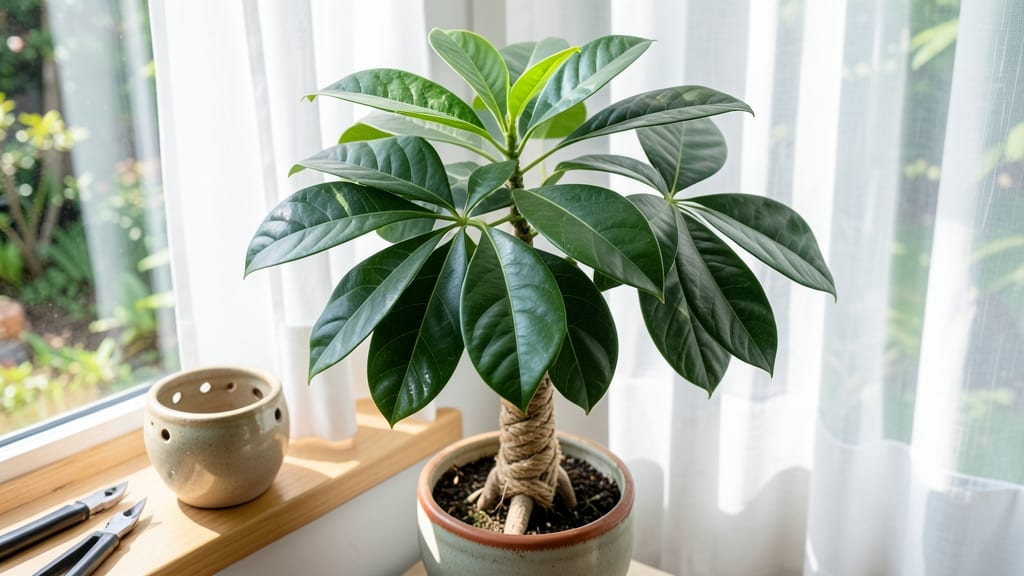
Growing a money tree indoors transforms any corner into a statement of luck and style. 🌿 I’ve braided mine from a single cutting, and now it thrives with glossy leaves and that signature five-stemmed trunk—no green thumb required.
The secret lies in mimicking its tropical roots: bright, indirect light, well-draining soil, and water that keeps roots happy without drowning them.
Start with a 4-6 inch pot, a mix of potting soil and perlite, and a spot near a window where sunlight spills in but never scorches. Money trees hate soggy feet, so let the top inch of soil dry before watering again—overwatering is the fastest way to kill one.
Prune leggy stems in spring to encourage bushier growth, and rotate the pot monthly so it grows evenly.
Within months, you’ll see rich green leaves unfurling and that braided trunk thickening with each passing season. The air around it stays fresher, and the stems become a conversation piece. Even my first attempt—killed by too much love (read: water)—came back stronger when I adjusted my approach.
Works in offices, living rooms, or sunrooms—just avoid drafts and sudden temperature swings. The braided look isn’t just decorative; it trains the plant to grow straight and sturdy. Let’s get yours thriving!
📚 In This Guide
- What you need
- Instructions
- Tips and common mistakes
- Wrapping up and next steps
What you need
- ● Money Tree Plant: A healthy Pachira aquatica (available at nurseries or online). Choose one with at least 3-5 stems for braiding.
- ● Well-Draining Soil: 5-10 lbs of a light, airy potting mix (e.g., 60% peat moss, 30% perlite, 10% sand). Avoid heavy garden soil!
- ● Pot with Drainage: A 10-12 inch diameter container with drainage holes (ceramic or terracotta works best).
- ● Watering Can: A small can with a narrow spout for precise watering.
- ● Pruning Shears: Sharp, clean shears (sterilized with rubbing alcohol) for trimming.
- ○ Support Stake or Trellis: A 3-4 ft tall bamboo stake or wooden dowel to secure the braided stems (optional but helpful for beginners).
- ● Decorative Pot: A stylish outer cache pot (1-2 inches larger than the inner pot) for a polished look.
- ● Moss or Mulch: Sphagnum moss or decorative stones to cover soil and retain moisture.
- ● Fertilizer: A balanced liquid fertilizer (10-10-10) or slow-release granules for extra nutrients.
- ● Humidity Tray: A pebble tray with water to boost humidity in dry climates.
Step-by-Step instructions for cultivating a thriving money tree indoors
Here's how to nurture your money tree into a lush, braided centerpiece—no green thumb required.
🪴 Step 1: Select and Prepare Your Planting Container
Choose a 6-8 inch diameter pot with drainage holes—terracotta works best because it breathes and prevents root rot. I grab a single plant from a nursery (Pachira aquatica) and remove it gently from its nursery pot, shaking off old soil to inspect the roots. Look for a healthy root ball with no mushy or blackened areas—those signal disease.
Fill the bottom 1 inch of the pot with small pebbles or perlite to improve drainage. This prevents water from pooling at the roots, which is the #1 killer of money trees. Tap the pot gently on the table to settle the layer evenly—no gaps, just a firm base for your plant.
🌱 Step 2: Plant and Establish the Base Soil
Use a lightweight well-draining potting mix—never garden soil. Money trees hate soggy roots, so I blend my mix with 20% perlite or orchid bark to keep it airy. Fill the pot about halfway with this mix, then place your money tree in the center, keeping the root ball level with the pot's rim.
Gently press the soil around the roots to eliminate air pockets, but don't pack it down too hard. You want the soil to stay loose so roots can spread easily. Water lightly until moisture reaches the bottom of the pot—you'll see it drain out the holes. This first watering helps settle the soil and removes any air bubbles around the roots.
☀️ Step 3: Position for Bright, Indirect Light
Money trees thrive in bright, indirect light—think near an east or west-facing window where sunlight filters gently. Avoid harsh afternoon sun, which can scorch the glossy leaves. If your home has low light, supplement with a grow light placed 12-18 inches away for 12-14 hours daily.
Here's the thing—your money tree will tell you if it's happy. Leaves that stay dark green and glossy mean it's thriving. If they yellow or drop, it's getting too much sun. If new growth turns pale or leggy, it needs more light. Adjust the pot's position until you see steady, even growth—usually within 4-6 weeks.
💧 Step 4: Water and Maintain Ideal Conditions
Water your money tree when the top 1-2 inches of soil feel dry. Stick your finger in the soil—if it's dry up to your first knuckle, it's time to water. I use room-temperature water and pour it slowly until it drains out the bottom. Empty the saucer afterward to prevent root rot.
Money trees love humidity, so mist the leaves lightly 2-3 times weekly or place the pot on a tray filled with pebbles and water. The evaporation creates a natural humid microclimate. Keep the temperature between 65-80°F—drafts and cold windowsills will stress the plant. You'll notice new leaves emerging within 2-3 months if conditions are right.
✂️ Step 5: Prune and Encourage Braided Growth
To create that iconic braided look, start by selecting 3-4 main stems when the plant is young (about 6-12 inches tall). Gently weave them together and secure with soft twine or raffia, leaving room for the stems to thicken. Don't pull too tight—you want gentle pressure, not constriction.
Prune leggy growth by cutting just above a leaf node with clean scissors. This encourages bushier growth and keeps your tree compact. I also pinch off any yellow or damaged leaves immediately—they drain energy from the plant. With consistent care, your braided stems will thicken and develop that prized, money-tree texture within 6-12 months.
Tips & tricks for perfect money tree growth indoors
Here's what nobody tells you about keeping your money tree thriving—these are the secrets that'll save you from common pitfalls.
Drainage Layer Matters: That 1-inch layer of pebbles or perlite in Step 1 isn't just decoration—it's your plant's lifeline. If you skip it or use too little, water will pool at the roots, causing rot. I've seen money trees die within weeks from this simple oversight. Use a ruler to measure exactly 1 inch from the bottom before adding soil.
Light Adjustments: The 12-14 hours of grow light mentioned in Step 3 is ideal, but here's the catch: your money tree will tell you if it needs more. If new leaves appear pale or stretched (called etiolation), move the light closer or increase time to 16 hours. Conversely, if leaves yellow or crisp at the edges, it's getting too much direct sun—move it back 6 inches or add a sheer curtain.
Root Inspection: When you first remove your money tree from its nursery pot in Step 1, take an extra 30 seconds to examine the roots closely. Healthy roots should be white or light tan. If you see black, mushy areas, trim them away with clean scissors before repotting. This simple step prevents disease from spreading throughout your plant.
Braiding Timing: The instructions say to braid when the plant is 6-12 inches tall, but here's what I've learned: wait until you see at least 3-4 strong stems. If you braid too early, the stems may not thicken properly, and the braid can look weak. I like to wait until the plant has been established for about 3 months before attempting the braid—this gives the stems time to strengthen.
Pro Tips for Growing A Money Tree Indoors
- Here's what nobody tells you about keeping your money tree thriving—these are the secrets that'll save you from common pitfalls.
- Drainage Layer Matters: That 1-inch layer of pebbles or perlite in Step 1 isn't just decoration—it's your plant's lifeline.
- Light Adjustments: The 12-14 hours of grow light mentioned in Step 3 is ideal, but here's the catch: your money tree will tell you if it needs more.
Frequently asked questions
Got questions about growing your own Pachira aquatica (aka the money tree) indoors? You’re not alone! Here are some of the most common queries—plus quick, actionable answers to keep your plant thriving.
How long does it take for a money tree to grow braided stems?
A money tree’s braided stems take 6–12 months to form fully, depending on how tightly you braid them and how fast the plant grows. Start braiding when the stem is about pencil-thick (roughly 6–12 inches tall). Patience is key—consistent care (light, water, and humidity) speeds up the process! Pro tip: Use soft plant ties to avoid scarring the bark.
Why are my money tree’s leaves turning yellow?
Yellow leaves usually mean overwatering or poor drainage. Money trees hate soggy roots! Let the top 2 inches of soil dry out between waterings, and ensure your pot has drainage holes. If the soil smells musty, repot in fresh, well-draining mix (like cactus or African violet soil). Bonus: Check for root rot if leaves yellow and feel mushy.
Can I grow a money tree in low light?
Money trees thrive in bright, indirect light (like near an east- or north-facing window). In low light, growth slows, and leaves may drop or develop weak stems. If your space is dim, supplement with a grow light (12–14 hours/day) or rotate the pot weekly for even exposure. Alternative: Place it 3–5 feet from a south-facing window if possible.
What’s the best soil mix for a money tree?
Use a well-draining mix: Combine 50% potting soil, 30% perlite or pumice, and 20% sand or orchid bark. This prevents root rot while mimicking the tree’s tropical, airy habitat. Avoid heavy garden soil—it compact and suffocates roots. Repotting tip: Refresh the topsoil yearly for nutrients!
Are there money tree alternatives for smaller spaces?
If braiding feels tricky, try these low-maintenance, lucky indoor plants:
- Jade Plant (Crassula ovata): Succulent with thick, coin-like leaves; symbolizes prosperity.
- Lucky Bamboo (Dracaena sanderiana): Grows in water or soil; great for tiny apartments.
- Snake Plant (Sansevieria): Nearly indestructible and purifies air.
- Peace Lily (Spathiphyllum): Blooms white flowers and thrives in shade.
Wrapping up and next steps
Growing a money tree indoors isn’t just about adding greenery—it’s about nurturing a symbol of prosperity and patience. With the right care, bright light, and a little braiding magic, you’ll soon have a thriving plant that brings both beauty and good vibes to your space. 🌱✨
Ready to take the next step? Start small: pick your pot, gather supplies, and give your money tree the love it deserves. Whether you’re a plant pro or a curious beginner, every little effort grows something wonderful—just like your future green thumb! 💚