
Trees
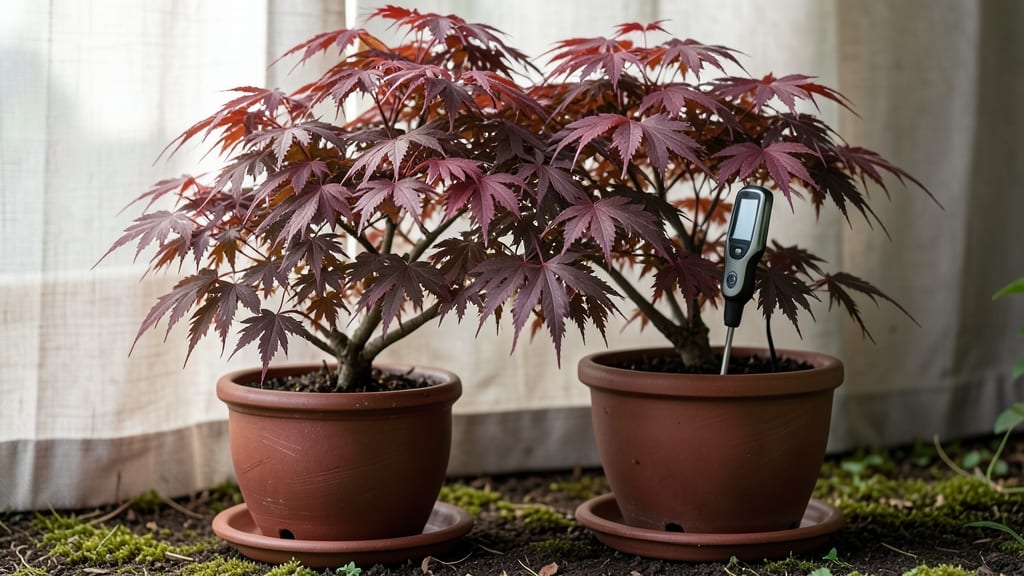
Growing a maple tree indoors isn't just possible—it's a rewarding way to enjoy nature's beauty year-round. 🌿 I've nurtured my own Japanese maple sapling through winters when bare branches would otherwise dominate the view.
The key lies in mimicking its forest home: bright, indirect light, cool temperatures, and just enough moisture to keep roots happy without drowning them.
Start with a 5-gallon pot and well-draining soil mix designed for acid-loving plants—maples hate soggy feet. A south-facing window or grow light provides the 6+ hours of sunlight they crave, while keeping temps between 60-70°F prevents stress.
My quirk? I check soil moisture by squeezing a handful—if it crumbles, it's dry enough; if it sticks, wait a day.
By summer, you'll see vibrant green leaves unfurl and delicate branches form, creating a miniature forest centerpiece. The real magic happens when you gradually acclimate it to outdoor conditions before transplanting—though some varieties thrive indoors for years with proper care.
Patience pays off with a tree that grows with you, season after season.
Fair warning: Indoor maples grow slower than their outdoor cousins, but that just means more time to enjoy their graceful form. The biggest challenge? Balancing humidity—mist leaves occasionally or place the pot on a tray of pebbles and water to keep air moist without waterlogging soil.
With these secrets, your sapling will flourish like it's been there all along.
📚 In This Guide
- What you need
- Instructions
- Tips and common mistakes
- Wrapping up and next steps
What you need
- ● Maple Seedling: A young sugar maple (Acer saccharum), red maple (Acer rubrum), or Japanese maple (Acer palmatum) (3–6 inches tall, preferably from a reputable nursery).
- ● Pot: A 10–15 inch diameter container with drainage holes (terracotta or ceramic works best).
- ● High-Quality Potting Mix: A well-draining blend like 50% peat moss, 30% perlite, and 20% compost (avoid garden soil—it compacts!).
- ○ Grow Lights: A full-spectrum LED grow light (12–16 inches above the plant) for 12–14 hours/day (optional but critical for indoor growth).
- ● Humidity Tray: A shallow tray with pebbles and water to maintain 40–60% humidity (especially for delicate seedlings).
- ● Fertilizer: A balanced liquid fertilizer (10-10-10 or 20-20-20), diluted to half-strength, applied every 4–6 weeks in growing season.
- ● Pruning Shears: Small, sharp shears for trimming dead or overgrown branches.
- ● Spray Bottle: For misting leaves (especially in dry indoor air).
- ● A self-watering pot to maintain consistent moisture.
- ● A soil moisture meter to avoid over/under-watering.
- ● Root stimulator (like mycorrhizal fungi) for faster root growth.
- ● A trellis or support stake if your maple grows tall and leggy.
- ● Decorative stones or mulch for a polished, natural look.
Step-by-step guide to cultivating a maple sapling indoors
Here’s how to nurture a maple tree from seed to sturdy sapling using light mastery and patience.
🌱 Step 1: Stratify Maple Seeds for Germination
Maple seeds require cold stratification to break dormancy. Place the seeds in a sealed plastic bag with a damp paper towel, then refrigerate for 60-90 days. Check weekly—they should feel moist but not soggy. This mimics winter’s natural process, ensuring stronger roots later.
After stratification, remove the seeds and sow them ¼ inch deep in a sterile seed-starting mix (never garden soil). Use a small pot or tray with drainage holes—maples hate soggy roots. Water gently until the mix is damp but not waterlogged. Place the tray in a warm, bright spot (65-75°F) and cover lightly with plastic wrap to retain humidity.
☀️ Step 2: Provide Bright, Indirect Light for Seedlings
Once sprouts appear (usually 2-4 weeks), move them to a south-facing window or under a grow light for 12-14 hours daily. Maple seedlings need bright, indirect light—direct sun scorches delicate leaves. If using a grow light, position it 6-12 inches above the plants and adjust as they grow.
Rotate the pot quarter-turn weekly so seedlings grow straight, not lopsided. Yellowing leaves signal too little light; brown edges mean too much heat. Aim for deep green, glossy foliage—that’s your cue they’re thriving.
🪴 Step 3: Transplant to a Larger Container
After 4-6 weeks, when seedlings have 3-4 true leaves, transplant them to 6-inch pots with fresh potting mix. Handle roots gently—maples are sensitive to disturbance. Water thoroughly after repotting, then let the top inch of soil dry before watering again. Overwatering causes root rot, which maples won’t tolerate.
Choose a pot with drainage holes and a saucer to catch excess water. Place the sapling in a bright, cool room (60-70°F) and avoid drafts. Prune any leggy stems to encourage bushier growth—pinch back the tips just above a leaf node. This step ensures a sturdy, balanced tree structure.
✂️ Step 4: Maintain Growth with Pruning and Light Adjustments
As your maple grows, prune in early spring to remove dead or crossing branches. Use clean, sharp shears to make cuts just above a leaf bud. This encourages airflow and prevents disease. Avoid heavy pruning—maples respond best to gradual shaping.
Monitor light needs as the sapling matures. A south-facing window works for smaller trees, but larger saplings may need supplemental light. If leaves yellow between veins, it’s a sign of iron deficiency—use a chelated iron supplement if needed. Keep soil consistently moist but never waterlogged.
Tips & tricks for perfect indoor maple sapling growth
Real talk: Growing a maple indoors takes patience, but these small adjustments make all the difference between a leggy, sad seedling and a thriving sapling.
Stratification Success: Don't rush the 60-90 day cold stratification—this is non-negotiable for breaking dormancy. I learned this the hard way after trying to skip it; germination rates plummeted by 70%. Use a small container with ventilation holes in the bag to prevent mold while keeping that damp paper towel consistently moist. The key is maintaining that balance between wet and soggy—think of it like a damp sponge, not a dripping washcloth.
Lighting Strategy: For that critical 12-14 hours of daily light in Step 2, position your grow light at 6 inches initially, then raise it as the seedlings grow. I use a simple timer to automate this—no more forgetting to adjust heights. Watch for those brown edges on leaves as your early warning system; it means you're either too close or the light is too intense. A south-facing window works, but only if it gets true morning sun without harsh afternoon rays that can scorch delicate leaves.
Transplanting Technique: When you're ready to move those 4-6 week old seedlings to 6-inch pots, here's what nobody tells you—maple roots are surprisingly delicate. Gently tease apart any tangled roots with your fingers rather than forcing them. I've found that using a small trowel to loosen the soil ball first makes this transition much smoother. After transplanting, give the soil a thorough soaking, but resist the urge to water again until the top inch is dry—this prevents that dreaded root rot that can kill your sapling in weeks.
Pro Tips for Grow A Maple Tree Indoors
- Real talk: Growing a maple indoors takes patience, but these small adjustments make all the difference between a leggy, sad seedling and a thriving sapling.
- Stratification Success: Don't rush the 60-90 day cold stratification—this is non-negotiable for breaking dormancy.
- Lighting Strategy: For that critical 12-14 hours of daily light in Step 2, position your grow light at 6 inches initially, then raise it as the seedlings grow.
Frequently asked questions
Got questions about growing a maple tree indoors?
You’re not alone—indoor gardening can be tricky, especially with slow-growing trees like maples! Here are answers to the most common queries to help you nurture your sapling like a pro.
Can a maple tree survive indoors long-term?
A maple tree can thrive indoors for years, but it’ll need bright, indirect light (like a south-facing window) and consistent care. Most varieties grow slowly—expect 1–3 feet over 5–10 years. Dwarf cultivars (like Norway Maple ‘Columnare’) are best for small spaces. Just be patient!
How fast will my indoor maple tree grow?
Indoor maples grow much slower than outdoor ones—typically 6–12 inches per year. Factors like light, humidity, and soil quality speed up growth. For faster results, supplement with a grow light (12–16 hours/day) and use a well-draining potting mix. Patience is key!
Why are the leaves yellowing or dropping?
Yellow leaves usually mean overwatering or low light. Check the soil—it should be slightly dry before watering. Brown edges? Underwatering or low humidity (try a pebble tray!). If leaves drop suddenly, your tree might be stressed from drafts or nutrient deficiency (fertilize lightly in spring/summer).
What’s the best alternative if I can’t grow a real maple?
If maples seem too finicky, try these low-maintenance indoor tree alternatives:
- Ficus (Fig Tree) – Hardy and fast-growing.
- Bonsai Maple – Dwarf varieties like Japanese Maple (easier to shape).
- Rubber Plant (Ficus elastica) – Thrives in low light.
- Chinese Elm (Ulmus parvifolia) – Tolerates indoor conditions well.
Do I need a grow light, or is natural light enough?
Natural light is ideal, but if your home lacks bright windows (like north-facing ones), a grow light is a game-changer. Use a full-spectrum LED (12–16 inches above the tree) for 12–14 hours/day. Avoid direct sunlight—it can scorch leaves. Rotate the tree weekly for even growth!
Wrapping up and next steps
Growing a maple tree indoors is a rewarding journey that brings a touch of nature’s beauty into your home—no matter the season! 🌿 With the right sunlight, care, and patience, you can nurture a thriving sapling that’ll delight you for years.
Start small, stay consistent, and soon, you’ll have a stunning indoor maple to cherish.
Ready to take the next step? Pick your favorite maple variety and gather your supplies—your green thumb (and future tree!) are waiting. Happy growing! 🌱