
Pruning
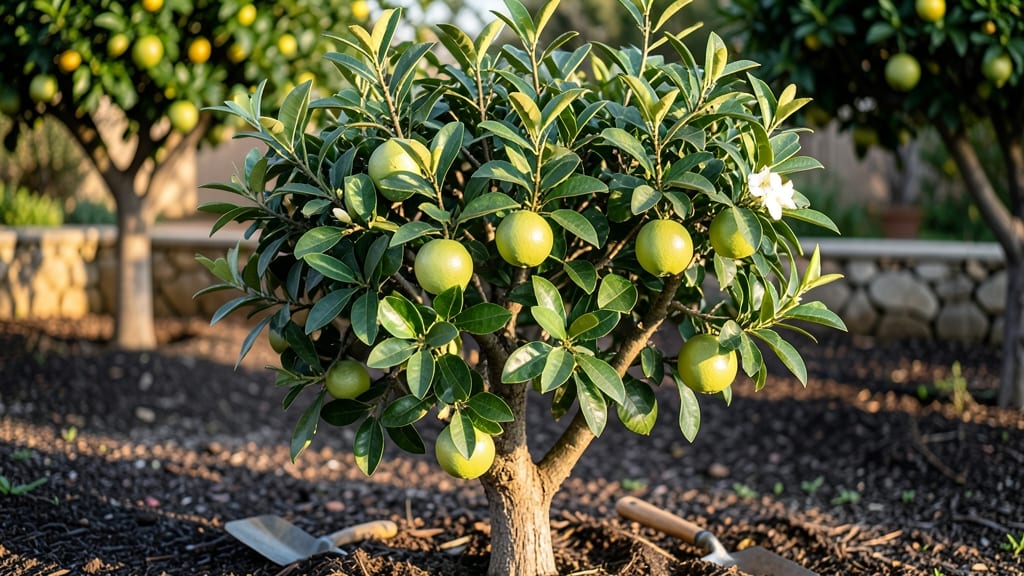
The green grapefruit tree thrives in warmer climates but can produce fruit even in cooler zones with the right cold-hardy varieties—like 'Ruby Red' or 'Melogold.' I’ve grown mine for five years in Zone 8, and with proper care, you can too.
The key lies in selecting varieties that tolerate brief chills while still delivering sweet, tangy fruit year-round.
Start with well-draining soil and full sun—at least 6-8 hours daily—to ensure strong growth. My tree sits in a slightly raised bed with a mix of sand and compost, which prevents root rot and encourages deeper roots.
Water deeply once a week, letting the top 2-3 inches of soil dry between sessions to avoid overwatering, a common pitfall for citrus trees.
Pruning in late winter removes dead branches and shapes the tree for better airflow, which reduces disease risk. Fertilize lightly in spring with a citrus-specific blend to boost flowering and fruit set.
With patience, your tree will reward you with bright green fruit that ripens to golden perfection by late fall.
Cold snaps? Wrap young trees in burlap or use frost cloths to protect them. Even in milder zones, these varieties surprise with resilience. Once established, your green grapefruit tree will become the star of your orchard—or at least your kitchen counter.
📚 In This Guide
- What you need
- Instructions
- Tips and common mistakes
- Wrapping up and next steps
What you need
- ● Cold-hardy grapefruit tree sapling: Choose a dwarf or semi-dwarf variety (e.g., 'Foster') for easier maintenance. 1 plant (3–5 ft tall at purchase).
- ● Well-draining soil: Mix 60% native soil, 30% compost, and 10% perlite or sand to improve aeration.
- ● Organic fertilizer: Balanced 10-10-10 NPK or citrus-specific blend (e.g., Espoma Citrus-Tone).
- ● Mulch: 3–4 inches of wood chips or straw to insulate roots in winter.
- ● Drip irrigation system or soaker hose: 10–15 ft of tubing with a timer for consistent moisture.
- ● Pruning shears: Bypass pruners (sharp, 6–8 inch blades) for clean cuts.
- ● Hand saw: Pruning saw (for thicker branches) if your tree grows large.
- ○ Grafting tools (optional): Grafting knife and tape if propagating from cuttings.
- ● Gloves and long sleeves: Protect against thorns and sap irritation.
- ● pH test kit: Ensure soil pH is 6.0–7.0 (citrus prefers slightly acidic soil).
- ● Sunlight: Full sun (6–8+ hours daily). Partial shade may reduce fruit yield.
- ● Protection from frost: Frost cloth or windbreak for winter (Zones 9–11; use a greenhouse in colder areas).
- ● Space: 10–15 ft diameter for dwarf varieties; wider for standard trees.
- ● Water source: Access to regular watering (drought stress harms citrus).
How to grow a cold-hardy green grapefruit tree
Cold-hardy citrus thrives with the right approach—here's how to nurture a productive green grapefruit tree through winter.
🌱 Step 1: Select and Prepare the Right Variety
Cold-hardy green grapefruit varieties like 'Foster' or 'Ruby Red' can tolerate brief dips to 20°F, but proper site selection is critical. Choose a location with southern exposure where the tree receives at least 8 hours of sunlight daily. Avoid low spots where cold air pools—even hardy citrus needs protection from prolonged frost.
If your climate drops below 15°F, consider planting near a south-facing wall or using a windbreak to create a microclimate. The tree will need 3-5 years to establish a strong root system before producing fruit reliably. I always test the soil pH first—citrus thrives in slightly acidic soil (6.0-7.0). Adjust with sulfur if needed before planting.
☀️ Step 2: Plant in Well-Draining Soil with Winter Protection
Dig a hole twice as wide as the root ball but no deeper. Amend the native soil with 3 inches of compost and 2 inches of coarse sand to improve drainage—citrus roots rot quickly in soggy conditions. Place the tree so the graft union sits 2-3 inches above soil level to prevent moisture from reaching it and causing rot.
For winter protection, wrap the trunk with burlap and cover the base with 4-6 inches of mulch (avoid piling against the trunk). In zones colder than Zone 8, install a tree wrap and frost cloth over the canopy once temperatures drop below 32°F. Water deeply before the first frost to help the roots store moisture for winter. You'll know the tree is establishing well when new growth appears in early spring.
💧 Step 3: Water and Fertilize for Year-Round Growth
Water deeply once a week during the first growing season, ensuring the soil is moist 6 inches down. After establishment, reduce to every 2-3 weeks unless you experience extended drought. Overwatering in winter stresses the tree—citrus enters dormancy and needs less moisture. Check by probing the soil with a finger; if it feels dry, water lightly.
Fertilize in early spring with a citrus-specific fertilizer (high in nitrogen for growth, balanced with phosphorus and potassium). Avoid fertilizing in late summer or fall—this encourages tender new growth that won’t survive winter. I use a slow-release granular fertilizer spread evenly in a 6-inch ring around the drip line. Follow the package instructions for application rates, but never exceed them—citrus is sensitive to salt buildup.
✂️ Step 4: Prune for Shape and Cold Resistance
Prune in late winter or early spring before new growth begins. Remove dead, diseased, or crossing branches first to improve airflow and reduce winter stress. Thin out overcrowded areas to let sunlight penetrate the canopy—citrus needs light for fruit production. Aim to shape the tree as an open vase to prevent heavy fruit loads from breaking branches in wind or ice.
Never prune more than 25% of the canopy in a single season. Heavy pruning weakens the tree and reduces its cold hardiness. After pruning, apply a wound dressing to larger cuts to prevent disease entry. In colder zones, consider reducing the canopy size by up to 50% to minimize frost damage. You’ll notice stronger regrowth in spring if the pruning was done correctly.
🪴 Step 5: Protect and Harvest Through the Seasons
Before the first frost, apply anti-desiccant spray to the leaves to reduce moisture loss. In Zone 7 or colder, consider mounding soil or mulch around the base of the tree to insulate roots. If a hard freeze is forecast, drape frost cloth over the tree and secure it loosely—citrus needs airflow to avoid rot. Remove the cloth as soon as temperatures rise above 40°F to prevent heat buildup.
Harvest green grapefruits in late fall or winter when they’re firm and fully colored. They’ll continue to ripen indoors at room temperature. To encourage more fruit, thin existing fruit to 6-8 inches apart on the tree—this ensures larger, sweeter grapefruits. If the tree produces too many, remove excess fruit by hand-picking rather than pruning, as this reduces stress on the tree.
Tips & tricks for growing a cold-hardy green grapefruit tree
These practical insights will help you nurture a resilient citrus tree that thrives through winter and delivers bountiful harvests.
Site Selection Strategy: In Step 1, when choosing your planting location, prioritize the southern exposure and avoid frost pockets—these are the two most critical factors for cold hardiness. I’ve found that even in Zone 7, a tree planted against a south-facing wall with afternoon sun protection (like a lattice screen) can survive winters that dip to 15°F. The key is creating that microclimate where the tree gets maximum sunlight during the day but has some shelter from cold night winds.
Soil Preparation Technique: For Step 2, don’t just amend the planting hole—test your entire garden soil first. Citrus trees need that slightly acidic pH (6.0-7.0) throughout their root zone, not just where we plant. I use a simple soil test kit before adding compost and sand. Also, consider installing a French drain if your yard has poor drainage—citrus roots will rot if they sit in soggy soil, even in winter. The 2-3 inches of root ball elevation above soil level is crucial for preventing rot at the graft union.
Winter Protection Insight: When implementing winter protection in Step 2, focus on both the roots and the canopy. The 4-6 inches of mulch around the base should extend out to the drip line, not just a small circle around the trunk. For the canopy, I’ve had success using frost cloth secured with plastic clips rather than twine—it’s easier to remove quickly when temperatures rise above 40°F. Remember, citrus needs airflow to prevent rot, so don’t wrap the frost cloth too tightly.
Pruning Precision: During Step 4’s pruning, pay special attention to the 25% canopy rule—this isn’t just about quantity but also about timing. In colder zones, I often prune slightly earlier in late winter (when temperatures are consistently above 32°F) to give the tree time to heal before potential late frosts. The open vase shape isn’t just aesthetic; it allows sunlight to penetrate to the inner branches where fruit develops, while also reducing wind damage that could occur with heavy fruit loads in winter storms.
Pro Tips for Green Grapefruit Tree
- These practical insights will help you nurture a resilient citrus tree that thrives through winter and delivers bountiful harvests.
- Site Selection Strategy: In Step 1, when choosing your planting location, prioritize the southern exposure and avoid frost pockets—these are the two most critical factors for cold hardiness.
- Soil Preparation Technique: For Step 2, don’t just amend the planting hole—test your entire garden soil first.
Frequently asked questions
Got questions about growing your own green grapefruit tree?
You’re not alone! Here are answers to the most common queries to help you cultivate a thriving, cold-hardy citrus tree.
How cold can a green grapefruit tree tolerate?
A cold-hardy green grapefruit tree, like the ‘Ruby Red’ or ‘Mexican’ varieties, can survive brief dips to 20–25°F (-6 to -4°C). However, prolonged exposure below 28°F (-2°C) risks damage. For extra protection, plant in a sheltered spot, mulch heavily, and consider a frost cloth during winter.
When is the best time to plant a green grapefruit tree?
Plant your tree in early spring or late fall when temperatures are mild. This gives roots time to establish before extreme heat or cold. Avoid planting during frost or peak summer—root shock is more likely in these conditions. If planting in containers, use well-draining soil and move pots indoors during winter.
How do I protect my grapefruit tree from frost?
Start by choosing a south-facing location with wind protection. Wrap the trunk with burlap or use tree guards to shield it from cold winds. Water deeply before frost to insulate roots, then cover the tree with a frost blanket or row cover. For potted trees, move them to a garage or insulated area.
Can I grow a green grapefruit tree in a container?
Use a large pot (at least 20 gallons) with drainage holes and a mix of citrus soil and perlite. Choose a dwarf variety like ‘Foster Improved’ for easier management. Place the container in full sun and water regularly—containers dry out faster than ground soil. Fertilize monthly during growing season for best results.
What pests should I watch for on my grapefruit tree?
Common pests include aphids, scale insects, and citrus leaf miners. Inspect leaves regularly for sticky residue (aphids) or small holes (leaf miners). Spray with neem oil or insecticidal soap for mild infestations. For severe cases, consult a local extension service for organic or chemical solutions.
How often should I prune my green grapefruit tree?
Prune in late winter or early spring to remove dead, diseased, or crossing branches. Focus on opening the canopy for airflow and sunlight. Avoid heavy pruning—citrus trees produce fruit on older wood. Use sterilized tools and seal cuts with pruning paste to prevent infection.
Wrapping up and next steps
Growing a green grapefruit tree in colder climates isn’t just possible—it’s a rewarding adventure! 🌱 With the right cold-hardy variety and proper care, you can enjoy year-round harvests of tangy, refreshing fruit.
Whether you’re a seasoned gardener or just starting, the key is patience, consistency, and a little creativity in pruning and protection.
Now that you’re armed with tips and answers, take the next step! Start by selecting your tree, then dive into pruning and winter prep with confidence. Before you know it, you’ll be savoring homegrown grapefruit straight from your own backyard. Happy growing! 🍊✨