
Pruning
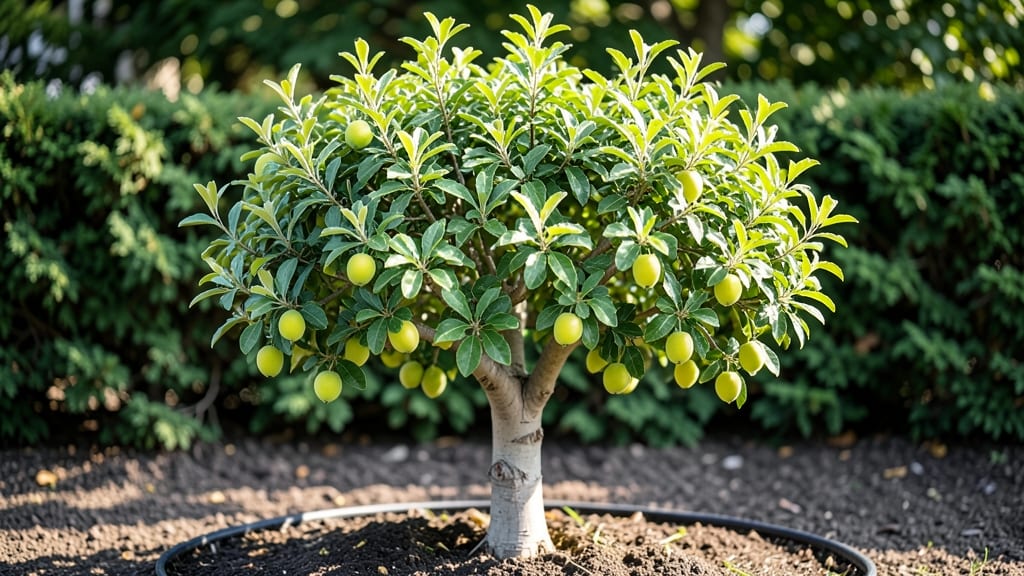
The Goldcot apricot tree delivers sweet, golden fruit from early summer through fall—if you prune it right. 🌱 I learned the hard way that skipping seasonal cuts means smaller harvests and tangled branches. The key is four strategic prunes: winter cleanup, spring shaping, summer thinning, and late-season tidying.
This tree thrives in USDA zones 5-8 with well-drained soil and full sun. Plant it where it gets at least 6 hours of sunlight daily, and avoid heavy clay.
The first year focuses on establishing roots, but by year two, you’ll see those signature apricots—smaller than grocery store varieties but packed with flavor and disease resistance.
With proper pruning, you’ll enjoy 3-4 harvests per season and a tree that stays compact enough for small yards. The first fruits appear in late June, and with each prune, the tree rewards you with cleaner branches, better airflow, and bigger yields.
Ready to transform a tangled mess into a productive fruit powerhouse?
We’ll cover everything from tools to timing, plus how to spot pests before they ruin your crop. The secret to Goldcot’s abundance? Consistency—and knowing exactly when to make each cut. Let’s get started.
📚 In This Guide
- What you need
- Instructions
- Tips and common mistakes
- Wrapping up and next steps
What you need
- ● Pruning shears: Bypass pruners (for small branches, 3–6" blade length). Pro tip: Sharpen them before starting! ✂️
- ● Loppers: 8–12" cutting capacity (for thicker branches, up to 2" diameter).
- ● Pruning saw: Bow or folding saw (for branches >2" thick).
- ● Disinfectant: 70% isopropyl alcohol or 10% bleach solution (to sterilize tools between cuts).
- ● Gloves: Heavy-duty, cut-resistant (to protect from thorns and sap).
- ○ Pruning sealant: Optional but helpful (for large cuts >0.5" diameter).
- ● Ladder or step stool: Sturdy, extendable (for high branches).
- ● Tarp or drop cloth: To collect debris and protect the ground.
- ● Marking twine or flags: For tagging branches to remove (if pruning in stages).
- ● Winter (Dormant Season): Magnifying glass (to inspect buds for disease).
- ○ Pruning paint (optional, for sealing cuts on older wood).
- ● Spring (Post-Harvest): Fertilizer (balanced 10-10-10 or apricot-specific blend).
- ● Mulch (2–4" layer of wood chips or straw).
- ● Summer/Fall (Light Maintenance): Hose with nozzle (for cleaning tools and removing sap).
Step-by-Step guide for pruning your Goldcot apricot tree
Master this four-season approach to keep your apricot tree healthy and productive.
✂️ Step 1: Late Winter Dormant Pruning (February)
Prune when the tree is fully dormant—no buds have swollen yet. This is the most critical cut to shape the tree and remove dead wood. I always start by removing any branches that are crossing or rubbing against each other, as these will eventually create wounds where disease can enter.
Next, look for branches growing inward toward the center of the tree—these block light and air circulation. Cut these out completely at their point of origin. Use clean, sharp pruners to make cuts just outside the branch collar, the raised area where the branch meets the trunk. This ensures the tree can heal properly.
For larger branches over ½ inch thick, make a clean cut at a 45-degree angle about ¼ inch above an outward-facing bud. If you're unsure which way is up, look for the bud's position—it should face the direction you want new growth to go. This step sets the foundation for the entire growing season.
🌿 Step 2: Post-Harvest Summer Pruning (July-August)
After the main fruit harvest, take time to thin out any overly dense branches that may have developed during the growing season. Focus on removing suckers—those vigorous shoots growing from the base of the trunk or from the roots. These compete with the main tree for nutrients and should be cut at ground level.
Also, look for any branches that have produced fruit but are now weak or diseased. These should be pruned back to a healthy bud or removed entirely. I like to make these cuts on a dry day when the tree isn't stressed by heat or drought. Water the tree deeply before and after pruning to help it recover faster.
This is also a good time to check for any branches that are growing at sharp angles or are too close together. Thin these out to improve airflow and sunlight penetration. The goal here is to maintain an open, vase-like shape that allows light to reach all parts of the tree.
☀️ Step 3: Light Summer Thinning (June)
About 6-8 weeks after flowering, when the fruit is still small, perform a light thinning to improve fruit size and quality. Remove clusters where fruits are too close together, leaving only the strongest, healthiest apricots spaced about 6 inches apart. This prevents overcrowding, which can lead to smaller, lower-quality fruit.
Use your fingers or small pruners to gently twist off clusters rather than cutting them. This minimizes damage to the tree. If you notice any branches with excessive fruit load, you can also thin back some of the fruit clusters to reduce stress on the tree. Watch for signs of stress like wilting leaves or fruit drop—these are clues that you may have left too much fruit.
This step is often overlooked, but it’s one of the most effective ways to ensure large, flavorful apricots. I always do this on a cool morning when the tree isn’t under heat stress, as the fruit is easier to handle.
⏰ Step 4: Late Fall Cleanup Pruning (November)
In late fall, after the leaves have dropped but before the first hard frost, do a final cleanup. Remove any dead, diseased, or broken branches that may have developed over the past year. This is also the time to prune out any branches that are growing too low or too close to the ground, as these can become damaged by lawn equipment or foot traffic.
Pay special attention to any branches that have been damaged by pests or disease during the growing season. Sterilize your pruners with rubbing alcohol between cuts to prevent spreading any pathogens. Cut back to healthy wood, and dispose of the pruned material in the trash—not the compost pile—to avoid reinfecting the tree.
This final pruning helps the tree enter dormancy in the best possible condition. It also makes it easier to spot any issues early next spring. I like to mark the pruning cuts with a small piece of twine or tape if there are many branches, so I can easily identify them during the next dormant season.
Tips & tricks for pruning your Goldcot apricot tree
These simple tricks will help you master the four-season pruning routine without stress.
Tool Prep: Before you start pruning in Step 1, sterilize your pruners with rubbing alcohol to prevent spreading disease between cuts. I also like to sharpen my pruners regularly—dull blades can tear bark instead of making clean cuts. This is especially important for the ½ inch thick branches mentioned in Step 1, where precision matters most.
Branch Collar Awareness: When removing branches in Step 1, focus on cutting just outside the branch collar—the raised area where the branch meets the trunk. This small detail makes all the difference in how quickly your tree heals. If you cut too close to the trunk or too far away, you can create wounds that invite pests and diseases. Think of it as giving your tree a clean surgical cut rather than a jagged tear.
Seasonal Timing: The timing for each pruning step is crucial. In Step 2, wait until after the main harvest in July-August before thinning out suckers and weak branches. This ensures you're not removing branches that still have fruit-producing potential. Similarly, in Step 3, wait those 6-8 weeks after flowering before doing your light thinning—this gives you the perfect window to assess fruit quality before making decisions.
Visual Cues: For Step 3's thinning, look for apricots that are evenly spaced and have a vibrant color. The 6 inches apart spacing recommendation isn't arbitrary—it allows each fruit enough room to grow to its full size without competing for nutrients. When in doubt, remove the smaller or less healthy-looking fruits first, as these are less likely to reach their full potential.
Pro Tips for Goldcot Apricot Tree
- These simple tricks will help you master the four-season pruning routine without stress.
- Tool Prep: Before you start pruning in Step 1, sterilize your pruners with rubbing alcohol to prevent spreading disease between cuts.
- Branch Collar Awareness: When removing branches in Step 1, focus on cutting just outside the branch collar—the raised area where the branch meets the trunk.
Frequently asked questions
Got questions about your Goldcot apricot tree? You’re not alone! Whether you’re a pruning pro or just starting out, these answers will help you keep your tree thriving year-round.
When is the best time to prune a Goldcot apricot tree?
The Goldcot apricot tree benefits from four seasonal prunes—lightly in late winter (before buds swell), summer (after harvest), early fall (to shape and clean up), and late fall (for winter prep). Avoid heavy pruning in extreme cold or heat to prevent stress. See our step-by-step guide for timing specifics!
Can I prune my Goldcot apricot tree in winter?
Yes, but only lightly! Winter pruning (late fall/early winter) should focus on removing dead or crossing branches and shaping. Avoid heavy cuts—apricots are sensitive to cold stress. If temps drop below 20°F (-6°C), wait until early spring. Pro tip: Prune on a dry, calm day to reduce disease risk.
What if my Goldcot apricot tree isn’t fruiting?
Several factors could be at play:
- Age: Young trees (under 3 years) focus on growth—be patient!
- Pruning mistakes: Over-pruning reduces flower buds. Stick to 20-30% max removal per year.
- Pollination: Goldcot is self-fertile, but cross-pollination (like with a Tilton apricot) can boost yields.
- Nutrients: Test soil for nitrogen, phosphorus, and zinc—deficiencies stunt fruit production.
How do I know if I’m pruning correctly?
Look for these healthy pruning signs:
- Open canopy: Light filters through branches (reduces disease risk).
- Strong structure: Main branches form a V-shape (not crowded).
- New growth: Pruned areas should sprout green, healthy buds by spring.
- Avoid: Jagged cuts, stubs, or removing more than 1/3 of the canopy in one season.
Are there alternatives to Goldcot apricot trees for small spaces?
If space is tight, consider these compact apricot varieties:
- Goldbar: Dwarf rootstock (6-8 ft tall), cold-hardy, and prolific.
- Tilton: Semi-dwarf (10-12 ft), self-pollinating, and disease-resistant.
- Patterson Golden: Small tree (12-15 ft) with sweet, freestone fruit.
Wrapping up and next steps
Growing a Goldcot apricot tree is a rewarding journey that delivers year-round abundance—from fragrant blossoms to juicy fruit—with just a little seasonal care. By mastering the art of four-season pruning, you’ll ensure a healthier tree, better yields, and fewer pests.
Whether you’re a pruning pro or a curious beginner, the key is consistency and timing!
Ready to transform your backyard? Grab your tools, mark your calendar, and get pruning—your Goldcot tree (and future fruit baskets!) will thank you. 🌿✨ Start planning your first prune today!