
Pruning
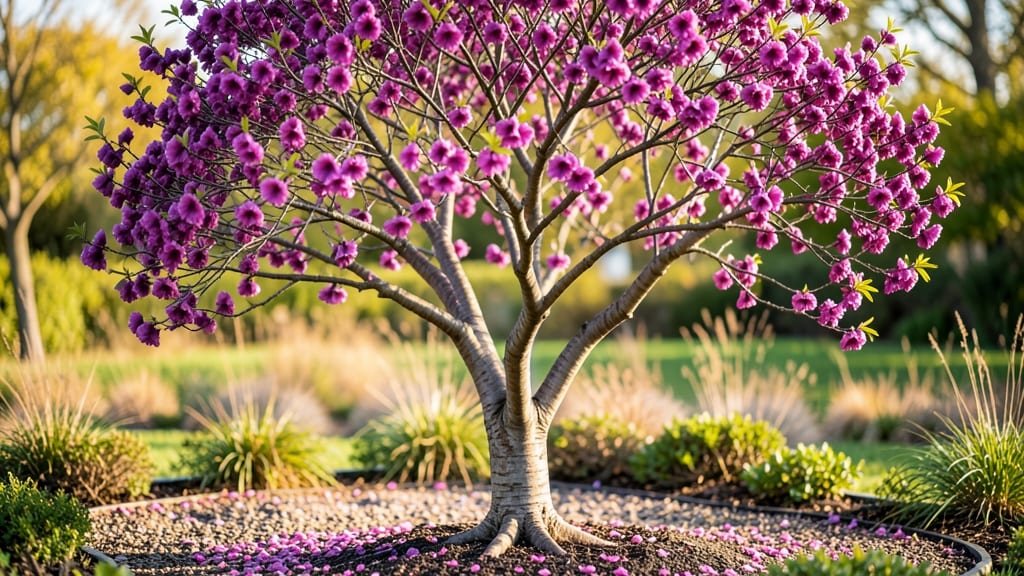
The full grown Purple Robe locust tree stands as a bold statement in any landscape—its deep purple foliage and thornless branches create a striking contrast against traditional greens.
I planted mine in my backyard five years ago, and every spring, the way its leaves emerge in that rich violet hue still takes my breath away. This isn’t just a tree; it’s a year-round performer that thrives with minimal fuss once established.
Pruning this tree isn’t about harsh cuts—it’s about shaping its natural form while keeping it strong. Mature Purple Robe locusts reach 30-50 feet tall, so strategic pruning in late winter or early spring encourages dense growth and prevents weak branches.
The key is removing only dead or crossing wood; this tree handles pruning better than most, rewarding you with glossy new leaves by summer.
What you’ll end up with is a tree that’s both ornamental and practical—its smooth bark and air-purifying qualities make it a neighborhood favorite.
The purple foliage fades to green in summer but remains lush, while its tolerance for urban conditions means it fits anywhere from city streets to rural yards. Even in drought years, it stays resilient.
Whether you’re shaping it as a specimen tree or trimming it for safety, the goal is the same: maintain its health and beauty for decades. The best part?
Once pruned correctly, it requires almost no maintenance—just occasional shape-ups to keep it looking its best. Let’s get started with the blueprint that’ll keep yours thriving.
📚 In This Guide
- What you need
- Instructions
- Tips and common mistakes
- Wrapping up and next steps
What you need
- ● Pruning shears: Sharp, bypass-style shears (for clean cuts on branches up to ½-inch thick). Quantity: 1 pair.
- ● Loppers: Heavy-duty, bypass or anvil-type (for branches ½-inch to 2-inches thick). Quantity: 1 pair.
- ● Pruning saw: Curved-tooth saw for branches 2+ inches thick. Quantity: 1.
- ● Ladder: Sturdy, extension ladder (20–30 ft, depending on tree height). Quantity: 1.
- ● Gloves: Leather or heavy-duty work gloves (protects hands from thorns and rough bark). Quantity: 1 pair.
- ● Disinfectant: 70% isopropyl alcohol or pruning sealant (to sterilize tools between cuts). Quantity: Small bottle.
- ● Tarp or drop cloth: 10x12 ft (to catch debris). Quantity: 1.
- ● Trash bags: Heavy-duty, 30-gallon size (for disposing of pruned branches). Quantity: 2–3.
- ● Safety gear: Safety glasses, long sleeves, and closed-toe shoes.
- ● Pole pruner: For high branches (if ladder access is tricky). Quantity: 1.
- ○ Tree wound dressing: Optional (only use if tree has large wounds; otherwise, let it heal naturally).
- ● Marking spray: White or pink paint (to mark cuts for future reference).
- ● Pruning guide: Ruler or measuring tape (to ensure cuts are made at the right angle).
- ● Check local pruning regulations (some areas restrict pruning during certain seasons).
- ● Choose the right time: Late winter or early spring (before new growth starts).
- ● Assess the tree’s health: Look for signs of disease (e.g., oozing sap, fungal growth) before pruning.
- ● Have a clear plan: Sketch or mentally map out which branches to remove (aim for no more than 25% of the canopy at once).
Step-by-Step guide for pruning your mature Purple Robe Locust tree
Here’s how to maintain a healthy, vibrant Purple Robe Locust while keeping its iconic purple foliage at its best.
Assess the Tree for Pruning Needs
Start by examining your tree in early spring, just as new growth begins. Look for dead, diseased, or crossing branches—these are your top priorities. Purple Robe Locusts respond well to pruning when they’re actively growing, so timing matters. You’ll want to work before the tree puts on too much new foliage, which usually happens by late April or early May, depending on your climate.
Use a pair of sharp pruning shears to test branches. If a branch snaps easily or has no green tissue inside when cut, it’s dead and should be removed. Healthy branches will have green bark and firm wood. Mark these branches with flagging tape or a spray paint marker so you can identify them easily during the actual pruning process.
Remove Dead, Diseased, and Problematic Branches
Begin by cutting out any dead or diseased branches first. These can harbor pests or fungal spores that might spread to healthier parts of the tree. Make clean cuts just outside the branch collar—the swollen area where the branch meets the trunk. Avoid leaving stubs, as they can invite decay. For larger branches, use a pruning saw to make a smooth, angled cut to prevent water from pooling and causing rot.
Next, address crossing or rubbing branches. These often create weak points where bark can be damaged, making the tree more susceptible to disease. Remove the smaller of the two branches or the one that’s growing inward. Always cut back to a healthy lateral branch or bud to encourage proper regrowth. If you’re unsure which branch to remove, err on the side of cutting the smaller one to maintain the tree’s natural shape.
Thin the Canopy for Better Airflow and Light
Thinning the canopy is key to keeping your Purple Robe Locust healthy and encouraging strong, purple foliage. Focus on removing branches that are growing too densely or inward toward the center of the tree. Aim to open up the canopy so light can reach the inner branches. This reduces the risk of fungal diseases and promotes even growth throughout the tree.
When thinning, remove no more than 25% of the tree’s foliage in a single season. Over-pruning can stress the tree and lead to weak regrowth. Start at the outer edges and work your way inward, cutting back to a lateral branch or bud. Avoid "heading back" or cutting back to a stub—this can lead to excessive new growth that’s less sturdy and may not retain the tree’s signature purple hue.
Shape the Tree for Balance and Aesthetics
After removing dead, diseased, and problematic branches, you can focus on shaping the tree to maintain its natural form or achieve a specific look. Purple Robe Locusts have a beautiful, rounded canopy, so avoid overly aggressive shaping that could distort its natural silhouette. Start by identifying the main scaffold branches—the larger branches that form the tree’s structure—and ensure they’re evenly spaced around the trunk.
Use hand pruners or loppers to trim back any branches that are growing too long or out of place. Make cuts just above a bud or lateral branch to encourage new growth in the right direction. If you’re pruning for a more formal look, such as a rounded or vase shape, make small adjustments over time rather than trying to reshape the tree all at once. This gradual approach helps the tree adjust without stress.
Tips & tricks for perfect Purple Robe Locust pruning
These practical insights will help you maintain your tree's health and stunning purple foliage while avoiding common pruning mistakes.
Timing is Everything: Early spring is ideal for pruning Purple Robe Locusts because that's when the tree is just starting to grow. I've found that pruning too late in spring, after the tree has already put on significant foliage, can stress the tree and reduce the vibrant purple color. Aim to finish pruning by late April or early May in most climates. If you miss this window, wait until late summer after the tree has finished flowering, but avoid pruning in fall or winter.
Branch Identification Made Easy: When testing branches for health in Step 1, I've learned that a simple scratch test works wonders. Scratch the bark on a branch with your fingernail—if green tissue appears, it's alive. For larger branches, make a small cut with your pruning shears and look for green underneath. This visual check is more reliable than just testing for snap—some diseased branches might still snap but lack green tissue. Marking healthy branches with flagging tape or paint helps you visualize the tree's structure before making cuts.
Canopy Thinning Strategy: The 25% foliage limit in Step 3 is crucial—don't exceed it! I've seen many gardeners over-prune in one season, thinking they're doing the tree a favor, only to watch it struggle with weak growth. When thinning, focus on removing branches that are growing inward or crossing others. These are the ones that create weak points and block light from reaching the inner canopy. Use your pruners to cut back to a lateral branch or bud, which will encourage new growth in the right direction while maintaining the tree's natural shape.
Tool Selection Matters: Using the right tools makes all the difference. For small branches, sharp pruning shears are essential—they create clean cuts that heal properly. For larger branches, invest in a good pruning saw with a curved blade. I've tried using regular saws and ended up with jagged cuts that took much longer to heal. Always clean your tools with rubbing alcohol between cuts to prevent spreading disease. And remember, proper tool maintenance extends their lifespan and keeps your cuts clean.
Pro Tips for Full Grown Purple Robe Locust Tree
- These practical insights will help you maintain your tree's health and stunning purple foliage while avoiding common pruning mistakes.
- Timing is Everything: Early spring is ideal for pruning Purple Robe Locusts because that's when the tree is just starting to grow.
- Branch Identification Made Easy: When testing branches for health in Step 1, I've learned that a simple scratch test works wonders.
Frequently asked questions
Got questions about pruning your full-grown Purple Robe Locust tree? You’re not alone—this stunning tree needs careful attention to thrive! Here are answers to the most common queries to keep your tree healthy and vibrant year-round.
When is the best time to prune a Purple Robe Locust tree?
The ideal window is late winter to early spring (before buds swell) or summer after flowering. Avoid pruning in fall—it stresses the tree and invites pests. For heavy shaping, split tasks into two sessions: once in late winter and again in summer.
How much can I trim without harming the tree?
Never remove more than 25% of the canopy in a single year. Locusts are resilient, but aggressive pruning weakens growth. Focus on dead, diseased, or crossing branches first, then thin selectively. Pro tip: Use a ratio-based approach—trim no more than 1/3 of any branch’s diameter.
Why does my Purple Robe Locust bleed sap after pruning?
Sap bleeding is normal but can attract pests like ants or beetles. To minimize it, prune on cooler days (below 60°F) and seal cuts immediately with pruning sealant. Avoid pruning during active growth spurts (spring/summer) when sap flow peaks.
Can I prune a Purple Robe Locust tree in fall?
Fall pruning is risky—it stimulates late-season growth that won’t harden off before winter, leaving branches vulnerable to frost damage. If you must prune in fall, limit cuts to structural cleanup only (removing dead wood) and avoid heavy shaping. Spring is always safer!
What’s the best alternative if my tree isn’t responding to pruning?
If your Purple Robe Locust shows slow regrowth, yellowing leaves, or dieback, it may need soil testing (check pH/nutrients) or pest treatment. Try fertilizing in early spring with a balanced 10-10-10 formula and mulching to retain moisture. Severe cases may require a certified arborist’s expertise.
How do I tell if I’ve over-pruned my locust tree?
Watch for excessive leaf drop, stunted new growth, or exposed bare branches. Over-pruned trees may also sprout aggressive water sprouts (thin, weak shoots). To recover, reduce stress—water deeply, avoid fertilizing, and let the tree focus on regrowth before pruning again.
Wrapping up and next steps
The full-grown Purple Robe Locust tree is a stunning addition to any landscape—but its year-round strength starts with smart pruning! By following the right techniques, you’ll encourage vibrant blooms, sturdy growth, and long-term health. Remember: consistency is key!
Now that you’re armed with the pruning blueprint, grab your tools and schedule your next session. Whether it’s shaping for aesthetics or maintaining vigor, your tree will thank you with lush foliage and resilience for years to come. 🌿✨