
Trees
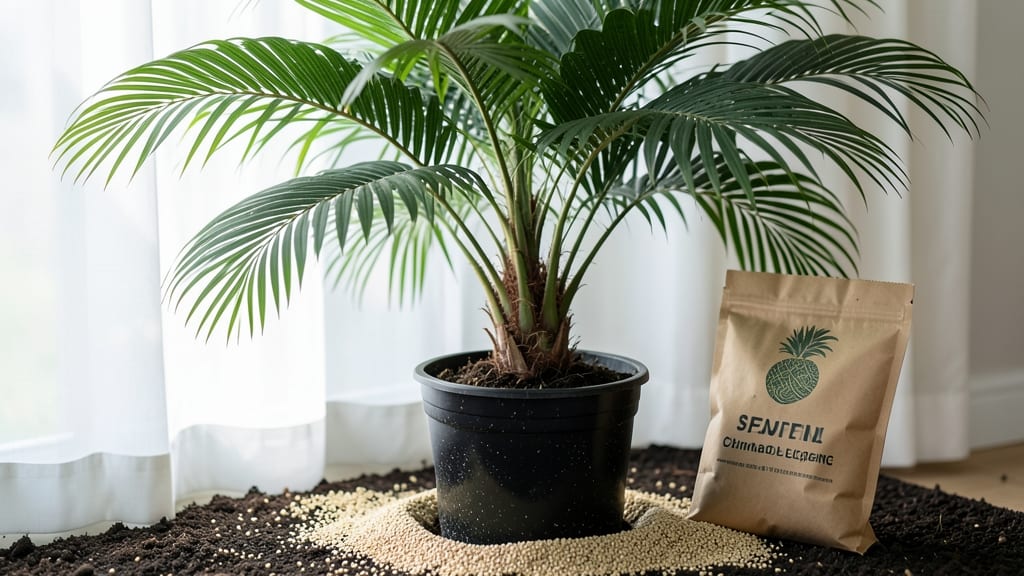
The right food for palm trees isn’t just fertilizer—it’s precision nutrition, and I learned that the hard way when my palm’s fronds turned yellow after overdoing it. 🌴 with generic lawn fertilizer; turns out, palms need potassium for drought resistance and magnesium to prevent leaf scorch.
The right food for palm trees comes down to three key nutrients: nitrogen for leaf growth, phosphorus for root development, and potassium for drought tolerance. Organic options like fish emulsion or composted manure work slowly but build soil health, while inorganic fertilizers like 8-2-12 or 6-6-6 give quick results.
The trick is balancing these with micronutrients like manganese and zinc, which palms often lack.
You'll see the difference within 3-4 months—new fronds unfurling, vibrant green color, and stronger stems that hold up in storms. The secret isn't just what you feed but how: slow-release granules in the soil and occasional foliar sprays for quick absorption.
Even my struggling Mexican palm perked up after switching to a palm-specific formula.
Seasonal timing matters too—feed lightly in spring when new growth starts, then again in early summer. Avoid fertilizing in winter when palms rest, and never apply anything when the ground is waterlogged. The goal is steady, healthy growth, not a quick chemical boost that burns roots.
📚 In This Guide
- What you need
- Instructions
- Tips and common mistakes
- Wrapping up and next steps
What you need
- ● Soil amendments (pick 1-2): Composted manure (cow, horse, or chicken) – 5-10 lbs per application
- ● Worm castings – 2-3 lbs per palm (rich in micronutrients!)
- ● Peat moss or coconut coir – 1-2 bags (3-5 cubic feet) (for moisture retention)
- ● Fertilizers (choose based on palm type): Slow-release granular fertilizer: 10-10-10 or 8-3-9 NPK ratio – 1 lb per 100 sq ft (spring/fall)
- ● Liquid fertilizer (organic): Fish emulsion or seaweed extract – 1-2 tbsp per gallon of water
- ● Micronutrient boosters: Epsom salt (magnesium) – 1 tbsp per gallon or iron chelate
- ● Tools for application: Garden fork or trowel – for mixing amendments into soil
- ● Watering can or hose with spray nozzle – for liquid feeds
- ● Measuring cups/spoons – for precise fertilizer doses
- ● Gloves – to protect your hands from sharp soil or chemicals
- ● Mulch (wood chips or pine straw) – 2-3 inches thick (retains moisture & regulates temp)
- ● Citric acid or vinegar – 1 tsp per gallon (for acidic-loving palms like coconut palms)
- ● Palm-specific fertilizer spikes – 1-2 per palm (for slow, steady feeding)
- ● pH test kit – to check soil acidity (ideal range: 5.5–6.5 for most palms)
How to feed palm trees for lush, healthy growth
Palms thrive when you match their tropical needs with the right nutrients.
🌿 Step 1: Understand Palm Tree Nutritional Basics
Palm trees need three core nutrients in balanced proportions: nitrogen (N) for vibrant fronds, phosphorus (P) for strong roots, and potassium (K) for drought resistance. A 16-4-8 or 8-3-9 fertilizer ratio works best for most species. Avoid high-nitrogen fertilizers—too much causes leaf burn and weakens the trunk over time.
I always check the soil pH first. Palms prefer slightly acidic to neutral soil (6.1-7.5). If your soil tests lower than 6.0, mix in pelletized lime to raise the pH before feeding. Low pH locks out essential nutrients, even if you're applying fertilizer regularly.
💧 Step 2: Apply Fertilizer at the Right Time and Rate
Feed palm trees only during active growth—spring through early fall. In winter, when growth slows, stop fertilizing entirely to avoid root damage. I use a slow-release granular fertilizer spread evenly under the drip line (the outer edge of the fronds) but never touching the trunk. This prevents salt buildup that can scorch roots.
For mature palms, apply 1 pound of fertilizer per inch of trunk diameter every 6-8 weeks. For example, a 4-inch trunk gets 4 pounds total split into two applications. Water deeply after feeding to help nutrients penetrate the soil. If you see yellowing fronds or brown tips, you're overdoing it—flush the soil with water immediately.
☀️ Step 3: Supplement with Micronutrients and Organic Matter
Palms also need micronutrients like magnesium, iron, and manganese. I mix Epsom salt (magnesium sulfate) into the soil once a year in early spring to prevent yellowing between leaf veins—a classic sign of deficiency. Use 1 tablespoon per gallon of water, applied as a soil drench.
Add 2-3 inches of organic mulch (like wood chips or compost) around the base to retain moisture and improve soil structure. Keep mulch 6 inches away from the trunk to avoid rot. This mimics their natural tropical environment, where decaying leaves and bark feed the roots year-round.
⏰ Step 4: Water Strategically to Enhance Nutrient Uptake
Palms hate soggy roots but won’t survive drought once established. Water deeply 2-3 times per week during hot months, ensuring moisture reaches 12-18 inches down. In cooler weather, reduce to once a week. You’ll know it’s right when the soil feels damp but not waterlogged at a 6-inch depth. Overwatering suffocates roots and washes away nutrients.
For newly planted palms, water daily for the first 2 weeks to help roots establish. After that, taper off to the seasonal schedule. If your palm’s fronds curl or droop, it’s thirsty—water immediately and check for root rot if the soil stays wet for days.
Tips & tricks for perfect palm tree nutrition
Here’s what nobody tells you about keeping your palms thriving—these are the details that separate healthy growth from struggling fronds.
Fertilizer Ratio Matters: When choosing between 16-4-8 or 8-3-9 ratios, consider your palm’s needs. For rapid frond growth, lean toward 16-4-8, but if your palm is established and you want stronger roots, the 8-3-9 ratio provides better phosphorus support. I’ve seen palms with weak trunks when over-fertilized with nitrogen-heavy mixes—stick to the recommended ratios to avoid leaf burn and trunk weakening.
Soil pH Testing is Non-Negotiable: Before applying any fertilizer, test your soil pH. If it’s below 6.0, that’s your first priority. I’ve seen palm owners waste money on fertilizers only to realize their soil was too acidic—nutrients were locked out entirely. Use pelletized lime to adjust pH gradually, and retest after 3 months to ensure you’ve hit that ideal 6.1-7.5 range.
Timing is Everything for Fertilizer Application: The 6-8 week interval between feedings is critical, but don’t just follow the calendar—watch your palm. If fronds are actively growing (new leaves emerging), it’s time to feed. In winter, when growth slows, stop fertilizing entirely. I once saw a palm owner burn their tree’s roots by fertilizing in December—roots are dormant in cold weather and can’t process nutrients.
Micronutrient Boosts Make a Difference: That annual Epsom salt application isn’t just a suggestion—it’s a game-changer for preventing magnesium deficiency. Yellowing between leaf veins? That’s your palm screaming for magnesium. Mix the 1 tablespoon per gallon solution and apply it as a soil drench in early spring. For iron deficiency (yellowing new growth), use a chelated iron supplement instead. These micronutrients work quietly but are essential for long-term health.
Pro Tips for Food For Palm Trees
- Here’s what nobody tells you about keeping your palms thriving—these are the details that separate healthy growth from struggling fronds.
- Fertilizer Ratio Matters: When choosing between 16-4-8 or 8-3-9 ratios, consider your palm’s needs.
- Soil pH Testing is Non-Negotiable: Before applying any fertilizer, test your soil pH.
Frequently asked questions
Got questions about feeding your palm trees? You’re not alone!
Here are answers to the most common concerns—from quick fixes to long-term care—so your palms stay lush and healthy.
What human food can I feed my palm tree?
Stick to organic, unseasoned scraps like fruit peels (banana, mango), cooked veggie trimmings (no oil/salt), or plain grains (rice, pasta). Avoid citrus, onions, or dairy—they can harm roots or attract pests. Pro tip: Blend soft scraps into a "palm smoothie" for easier digestion!
How often should I feed my palm tree?
Feed lightly every 2–4 weeks during growing seasons (spring–fall). Overfeeding causes root rot or fungal issues. In winter, reduce to once a month—or skip if temperatures drop below 50°F (10°C). Signs of overfeeding: Yellowing fronds or foul smells near the base.
Can I use coffee grounds or eggshells for palm trees?
Yes!
Coffee grounds add nitrogen (great for fronds), but use sparingly (½ cup max per feeding). Crushed eggshells provide calcium—rinse well to remove residue. Bonus: Mix both into the soil’s top 2 inches for slow-release nutrients.
Why does my palm tree reject food even though it looks healthy?
Possible culprits:
- Wrong timing: Feed after watering (soils absorb better).
- Pest barriers: Ants or rodents may hoard scraps. Sprinkle diatomaceous earth around the base.
- Soil compaction: Loosen topsoil to improve nutrient uptake.
Are there store-bought alternatives to homemade palm food?
Look for balanced, organic fertilizers (10-10-10 NPK ratio) labeled for palms or tropical plants. Avoid quick-release chemicals—opt for slow-release granules or liquid seaweed blends. Budget pick: Fish emulsion (diluted to half-strength).
Wrapping up and next steps
Feeding your palm tree the right nutrients is the key to watching it thrive! From organic compost to balanced fertilizers, the right food for palm trees can make all the difference in its growth and health.
Don’t forget to stay consistent with your care routine—your palm will reward you with lush, vibrant foliage for years to come.
Ready to give your palm tree the love it deserves? Start small—test soil health, pick one nutrient-rich option, and observe how your tree responds. Happy gardening! 🌿💚