
Pruning
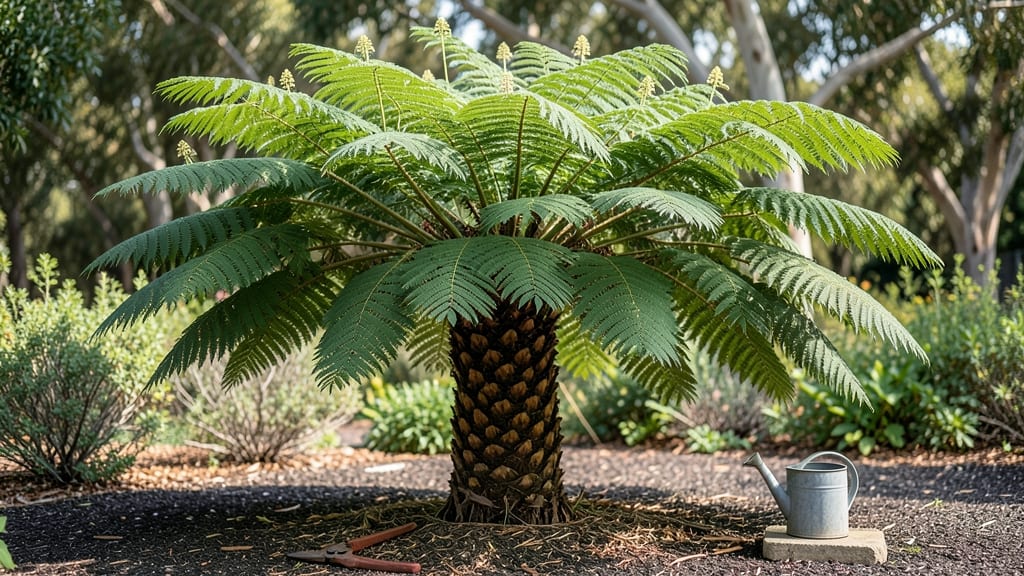
The flowering fern tree’s delicate fronds and occasional blooms make it a standout in any garden—but without the right pruning, those showstopping displays fizzle out by midseason.
I’ve learned the hard way that cutting back at the wrong time turns lush foliage into a leggy mess, and I’m sharing the exact timing and techniques to revive year-round blooms.
The key isn’t just when you trim, but how you shape the plant to encourage new growth where it matters most.
This isn’t about aggressive shearing—think of it as giving your tree a spa day. You’ll need sharp pruners, a clean workspace, and a clear plan for removing dead fronds while preserving the airy structure that makes these trees so charming.
Most gardeners skip the late-winter cleanup, but that’s when your flowering fern tree actually wants to be pruned, before spring’s growth surge. Even indoor varieties respond better when you follow this seasonal rhythm.
What you’ll end up with is a tree that blooms longer, looks fuller, and recovers faster after each trim. The fronds stay vibrant green instead of turning brown at the tips, and those occasional flowers—often hidden in the foliage—get a chance to shine.
Best of all, the process takes less than 30 minutes once you know the right spots to cut. Let’s get those blooms back in full force.
Works for both outdoor landscapes and container-grown specimens, though outdoor trees may need heavier pruning to handle wind and rain. If you’ve got a flowering fern tree struggling to stay lush, this is your reset button—just follow the seasonal cues and keep those cuts clean.
📚 In This Guide
- What you need
- Instructions
- Tips and common mistakes
- Wrapping up and next steps
What you need
- ● Pruning shears or bypass pruners – Choose sharp, high-quality tools (e.g., Felco F-2 or Corona) for clean cuts on small to medium branches.
- ● Loppers – For thicker branches (½" to 2" diameter). Opt for bypass-style to avoid crushing stems.
- ● Hand pruners – Compact and precise for delicate trimming (great for shaping).
- ● Pruning saw – Only if dealing with very thick branches (3"+ diameter). A curved-tooth saw prevents tearing.
- ● Gloves – Garden-grade gloves (e.g., Mechanix or heavy-duty leather) to protect hands from thorns or sap.
- ● Disinfectant (70% isopropyl alcohol or bleach solution) – Clean tools between cuts to prevent disease spread.
- ● Rubbing alcohol or hand sanitizer – For wiping down tools and hands post-pruning.
- ● Pruning sealant – Use on large cuts (>½") to prevent sap oozing (e.g., Tanglefoot Tree Wound Pruning Seal).
- ● Ladder or step stool – For reaching higher branches safely (ensure it’s sturdy and stable).
- ● Trash bags or bucket – To collect pruned debris for composting or disposal.
- ● Notebook & pen – Jot down notes on cuts made (e.g., branch size, location) for future reference.
- ● Safety glasses – Protect your eyes from flying debris or sap splatters.
- ● Know your tree’s growth cycle – Flowering fern trees (e.g., Cibotium spp.) bloom best with seasonal pruning. Time cuts for late winter/early spring (before new growth).
- ● Check local regulations – Some areas restrict pruning large trees without permits.
- ● Weather window – Choose a dry, overcast day to avoid stressing the tree.
How to prune a flowering fern tree for continuous blooms
Strategic pruning keeps your flowering fern tree lush and productive—here’s the method I’ve used to revive even neglected specimens.
Assess Growth and Identify Pruning Zones
Start by examining your tree’s structure in natural light. Look for dead or yellowing fronds—these should be removed first as they drain energy. Next, identify overcrowded branches where growth competes for sunlight. The flowering fern tree thrives when air circulates freely, so focus on thinning rather than shearing.
Use sharp, clean pruning shears to make cuts just above a leaf node (the point where a side branch or leaf emerges). This encourages new growth from that spot. Avoid cutting into old wood—you’ll know it’s too mature if the center is hollow or the bark is thick and dark.
Remove Dead and Damaged Fronds First
Grab your pruning shears and cut back any brown, crispy, or diseased fronds at their base. These are energy vampires, sucking moisture and nutrients from healthy growth. If a frond is only partially damaged, trim it back to the last healthy section—this often sparks fresh, vibrant regrowth.
Here’s the thing—don’t skip this step. I’ve seen flowering fern trees bounce back dramatically after just one thorough cleanup. After removing the dead material, step back and admire the new openness. You’ll notice sunlight reaching deeper into the canopy, which is exactly what you want for blooms.
Thin Out Crowded Branches for Airflow
Now focus on selective thinning to improve airflow. Aim to remove one-third of the oldest or most inward-growing branches first. These are the ones blocking light from the center of the tree. Cut them back to a strong outward-facing branch or bud—this redirects energy toward the tree’s outer growth.
Watch for branches that cross or rub against each other. These create wounds where pests or diseases can enter. Snip them off cleanly at the base. If a branch is too thick to cut with hand shears, use a pruning saw—but only if absolutely necessary, as large cuts take longer to heal.
Shape for Balance and Encourage Blooms
Lightly shape the tree by trimming overly long or leggy branches to maintain a natural, balanced silhouette. Never remove more than 25% of the tree’s foliage in one session—this can stress the plant and reduce flowering. Instead, make small adjustments to encourage a fuller, bushier appearance.
Pay special attention to the top and outer edges of the tree. These areas receive the most light and are prime spots for new blooms. If you notice bare patches where flowers haven’t appeared, trim back just enough to expose more sunlight to the inner branches. Patience here is key—new growth and blooms will take 4-6 weeks to appear.
Clean Up and Monitor for New Growth
After pruning, rake up all the debris and dispose of it away from the tree. Leaving clippings on the ground can harbor pests or diseases. Sterilize your pruning tools with rubbing alcohol to prevent cross-contamination between cuts.
Over the next few weeks, keep an eye out for new fronds emerging from the trimmed areas. This is your sign that the pruning worked. Water deeply but sparingly—once a week—to support recovery without over-saturating the soil. Avoid fertilizing immediately; let the tree focus on healing before adding nutrients.
Tips & tricks for perfect flowering fern tree pruning
Reviving your flowering fern tree starts with smart pruning—here’s how to avoid common pitfalls and get the most out of every cut.
Timing is Everything: The best time to prune is during the tree’s dormant season in late winter or early spring, just before new growth begins. This gives your tree plenty of time to recover and produce vibrant blooms. If you must prune later in the season, avoid heavy cuts—focus only on removing dead or diseased fronds to minimize stress.
Tool Prep Matters: Sterilize your pruning shears with rubbing alcohol before and after each cut to prevent spreading disease between branches. Sharp tools make cleaner cuts that heal faster, so take a moment to hone your shears or saw before starting. I’ve seen infections spread when dull tools tear bark, so this step is non-negotiable.
Visual Cues for Pruning: When trimming in Step 3, look for branches that grow inward or cross others—these are your targets. Imagine sunlight streaming through the canopy after pruning. The goal is to create an open, airy structure where light can reach all the way to the center. This simple visualization helps me decide which branches to keep and which to remove.
Recovery Strategy: After pruning, resist the urge to fertilize immediately. The tree needs 4-6 weeks to focus on healing and producing new growth. Instead, water deeply once a week to support recovery. I’ve seen trees stressed by over-fertilization after pruning, so patience pays off with stronger blooms next season.
Pro Tips for Flowering Fern Tree
- Reviving your flowering fern tree starts with smart pruning—here’s how to avoid common pitfalls and get the most out of every cut.
- Timing is Everything: The best time to prune is during the tree’s dormant season in late winter or early spring, just before new growth begins.
- Tool Prep Matters: Sterilize your pruning shears with rubbing alcohol before and after each cut to prevent spreading disease between branches.
Frequently asked questions
Got questions about keeping your flowering fern tree (like Cibotium or Dicksonia varieties) looking lush and blooming year-round? Here are some common concerns—and quick answers—to keep your tree thriving after pruning!
When is the best time to prune a flowering fern tree?
Prune your flowering fern tree after blooming (typically late spring to early summer) to encourage new growth. Avoid heavy trimming in fall or winter, as this can stress the plant. Light shaping can happen anytime, but never prune during active flowering—this can reduce next year’s blooms!
Can I prune too much? How do I know?
Yes! Over-pruning can weaken your tree or even kill it. Never remove more than 1/3 of the foliage at once. Look for yellowing fronds or bare stems—these are signs you’ve pruned too aggressively. If you see brown, crispy fronds after trimming, you may have cut into old growth; trim back to healthy green tissue.
Will pruning make my flowering fern tree bloom more?
Strategic pruning stimulates new growth and can increase flowering the following season. Focus on removing dead or diseased fronds first, then shape the canopy to improve airflow. Deadhead spent blooms (if applicable) to redirect energy into fresh foliage and flowers.
What should I do if my flowering fern tree looks sad after pruning?
Don’t panic! Revive your tree with these steps:
- Water deeply (fern trees love moisture—keep soil consistently damp but not soggy).
- Fertilize lightly with a balanced, organic fertilizer (like 10-10-10) after trimming.
- Provide shade if your tree was pruned heavily—direct sun can stress new growth.
Are there alternatives to pruning for shaping my flowering fern tree?
If you’re hesitant about pruning, try these low-maintenance alternatives:
- Pinch young fronds to encourage bushier growth (great for indoor varieties).
- Use a growth regulator (like paclobutrazol) to slow rapid growth and maintain shape.
- Choose a slow-growing variety (like Dicksonia antarctica) if you prefer minimal trimming.
Wrapping up and next steps
The flowering fern tree is a stunning addition to any garden, and with the right pruning techniques, you can keep it thriving and blooming year-round! 🌸 By understanding when, how, and why to trim, you’re not just maintaining its health—you’re unlocking its full potential for vibrant growth and beauty.
Now that you’re armed with expert tips, grab your tools and get started—your tree (and your neighbors!) will thank you. Whether you’re a seasoned pruner or a beginner, every snip brings you closer to a lush, flourishing landscape. Happy trimming! 🌿✂️