
Trees
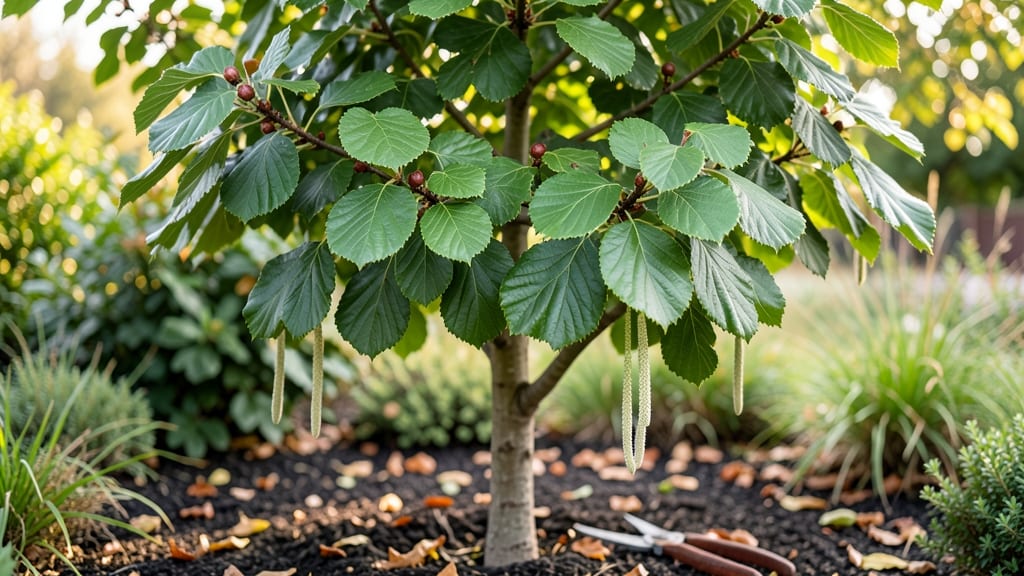
Filbert tree leaves are nature’s hidden fertilizer goldmine—when you know how to use them right. 🌿 I’ve turned my own tree’s fallen foliage into nutrient-rich soil amendments that outperform store-bought compost, and the process is simpler than you’d think.
The key lies in timing, layering, and a few clever tricks to avoid common pitfalls like mold or nutrient loss.
Start by collecting leaves in late fall after they’ve fully browned—this ensures maximum nutrient breakdown. Shred them first (with a lawn mower or hands) to speed up decomposition, then mix them into garden beds or compost piles.
The secret? Layer them with nitrogen-rich materials like grass clippings or coffee grounds to balance the carbon-to-nitrogen ratio. Within 6-12 months, you’ll have dark, crumbly humus that improves soil structure and feeds plants for years.
📚 In This Guide
- What you need
- Instructions
- Tips and common mistakes
- Wrapping up and next steps
What you need
- ● Fresh or dried filbert (hazelnut) leaves – Collect at least 5–10 pounds (or more for larger gardens) from healthy trees. Aim for young, vibrant leaves (avoid diseased or pest-ridden ones).
- ● Pruning shears or sharp scissors – For harvesting leaves cleanly without damaging the tree.
- ● Garden gloves – Protect your hands from thorns or rough edges on some filbert varieties.
- ● Large breathable bags or mesh sacks – 5–10 gallon capacity to store leaves before processing.
- ● Compost bin or large container – A 3–5 cubic foot bin works for small-scale use; larger gardens may need a 4’x4’x4’ compost pile.
- ● Watering can or hose – For moistening leaves during composting or tea brewing.
- ● Leaf shredder or mulcher – Speeds up decomposition if you’re using leaves as mulch.
- ● Thermometer – To monitor compost heat (ideal range: 120–160°F for fast breakdown).
- ● Fine mesh strainer or cheesecloth – For straining filbert leaf tea to remove debris.
- ● pH test kit – To check soil acidity (filbert leaves prefer slightly acidic to neutral soil, pH 6.0–7.0).
- ● Storage containers (airtight) – For drying and storing leaves long-term (e.g., glass jars or vacuum-sealed bags).
Step-by-step guide to harvesting and using filbert tree leaves
Here's how to maximize the benefits of filbert tree foliage for soil enrichment.
🌿 Step 1: Identify and Prepare Healthy Leaves
Filbert tree leaves are most nutrient-rich when harvested from healthy, disease-free branches. Look for vibrant green leaves without brown spots or curled edges—these are your best candidates. I always harvest from the lower third of the tree to encourage new growth and avoid over-stressing the tree.
Use clean, sharp pruning shears to cut entire leaf clusters rather than individual leaves. This preserves the natural nutrient balance and makes collection easier. Place the leaves in a breathable mesh bag or cardboard box to prevent crushing during transport. If you're harvesting in bulk, spread them out on a tarp in the shade to dry partially before processing.
🌱 Step 2: Process Leaves for Soil Amendments
For immediate soil incorporation, chop the fresh leaves into small pieces using sharp scissors or a clean pruning shear. This increases surface area, allowing nutrients to break down faster. I like to process about a 1-inch square of leaves per square foot of garden bed—this ratio works well for most soil types without overwhelming it.
Alternatively, create a nutrient tea by steeping chopped leaves in water for 24-48 hours. Use a ratio of 1 part leaves to 5 parts water in a large container. Stir daily and strain through a fine mesh bag before applying to soil. This liquid fertilizer delivers nutrients quickly to plant roots while improving soil structure.
💧 Step 3: Incorporate into Soil for Year-Round Benefits
Work the chopped leaves directly into the top 6 inches of soil in garden beds or containers. This method is ideal for spring planting when roots are actively growing. The leaves break down slowly, releasing nitrogen and other nutrients over time. I like to mix them with compost for a balanced nutrient boost—this combo prevents sudden nutrient spikes that can burn plant roots.
For fall preparation, layer whole leaves on garden beds as mulch. They'll decompose over winter, enriching the soil naturally by spring. This approach is especially effective in USDA zones 5-8, where winters are cold enough to slow decomposition but not so harsh that leaves freeze solid. In warmer climates, leaves decompose too quickly—opt for the chopped method instead.
✂️ Step 4: Maintain Tree Health While Harvesting
Never remove more than one-third of the leaves from any single branch in a growing season. Filbert trees rely on their foliage for photosynthesis, and excessive harvesting weakens the tree. I harvest leaves in early summer when they're fully mature but before autumn's nutrient drawdown begins.
After harvesting, monitor the tree for signs of stress like yellowing leaves or stunted growth. If you notice these, reduce future harvests or skip a season entirely. Healthy trees produce more vigorous new growth, ensuring a steady supply of nutrient-rich leaves for years to come. Prune any damaged branches immediately to maintain the tree's vigor.
Tips & tricks for perfect filbert tree leaf harvesting
Common pitfalls—and how to sidestep every one when working with filbert tree foliage.
Seasonal Timing: Early summer is your sweet spot for harvesting—after leaves have fully matured but before autumn's nutrient drawdown begins. I've learned this the hard way after harvesting too late and getting leaves that were already starting to yellow. Look for leaves that are vibrant green and firm to the touch, with no signs of browning or curling. This ensures maximum nutrient content in your soil amendments.
Processing Efficiency: When chopping leaves for immediate soil incorporation, use a sharp pair of pruning shears or heavy-duty scissors to create small, uniform pieces. This increases surface area by up to 40% compared to larger chunks, allowing nutrients to break down faster. I like to aim for pieces no larger than ½-inch square—they'll decompose within weeks rather than months, giving your plants a quicker nutrient boost. For bulk processing, consider using a clean garden shredder if you have one available.
Nutrient Tea Optimization: The 24-48 hour steeping time for nutrient tea is crucial—don't rush it! Stirring daily helps release more nutrients from the leaves, but more importantly, it prevents anaerobic conditions that could create unpleasant odors. Use a breathable mesh bag for straining to catch even the finest leaf particles, which contain valuable micronutrients. This liquid fertilizer delivers nutrients quickly to plant roots while improving soil structure, making it ideal for container gardens or nutrient-deficient soils.
Climate Adaptation: In warmer climates (USDA zones 9-11), leaves decompose too quickly when used as mulch, so opt for the chopped method instead. The increased surface area speeds up decomposition, releasing nutrients in a controlled manner. In colder zones (5-8), you can layer whole leaves as mulch—they'll decompose slowly over winter, enriching the soil naturally by spring. This seasonal adaptation ensures you're always working with the optimal decomposition rate for your climate.
Pro Tips for Filbert Tree Leaves
- Common pitfalls—and how to sidestep every one when working with filbert tree foliage.
- Seasonal Timing: Early summer is your sweet spot for harvesting—after leaves have fully matured but before autumn's nutrient drawdown begins.
- Processing Efficiency: When chopping leaves for immediate soil incorporation, use a sharp pair of pruning shears or heavy-duty scissors to create small, uniform pieces.
Frequently asked questions
Got questions about working with filbert tree leaves? You’re not alone! Here are some of the most common queries—and their answers—to help you make the most of these nutrient-packed leaves year-round.
When is the best time to harvest filbert tree leaves for soil enrichment?
The ideal time to harvest filbert tree leaves is late spring to early summer, just before they fully mature. This ensures they’re rich in nutrients but haven’t yet started to degrade. For year-round use, collect fallen leaves in autumn and store them dry in bags or piles for mulching later.
Can I use filbert tree leaves as mulch, or are they better for compost?
Both! Filbert tree leaves make excellent mulch when fresh or dried—they decompose slowly, retaining moisture and suppressing weeds. For compost, chop them finely and mix with greens (like grass clippings) for a balanced pile. Pro tip: Avoid overloading compost with leaves alone, as they’re carbon-rich and need nitrogen sources (like coffee grounds) to break down efficiently.
Are filbert tree leaves safe for all plants, or do they attract pests?
Generally safe, but monitor for pests like slugs or earwigs, which love damp leaf litter. To deter them, mix leaves with diatomaceous earth or spread them thinly. If you notice mold or a sour smell, the leaves are too wet—fluff and aerate them to prevent issues. Filbert leaves are non-toxic and won’t harm most plants, but avoid using them on acid-sensitive species if your soil is already acidic.
How long do filbert tree leaves take to decompose in the soil?
Fresh leaves take 6–12 months to break down fully, while dried or chopped leaves decompose faster (3–6 months). Speed up the process by tilling them into the top 2–3 inches of soil or pairing them with compost accelerators like alfalfa meal. Fun fact: Their slow release of nutrients makes them perfect for perennial gardens!
What’s a good alternative if I don’t have filbert trees nearby?
No filbert trees? No problem! Try hazelnut, oak, or chestnut leaves—they’re similarly nutrient-dense. For faster results, use composted leaves from deciduous trees (avoid evergreens like pine, which acidify soil). Local nursery mulch blends or leaf mold (decomposed leaves) are also great substitutes.
| Quick Tip | Why It Matters |
|---|---|
| Store leaves in black plastic bags for 6–12 months to create "leaf mold." | This pre-composts them into a fluffy, soil-amending goldmine! |
| Test soil pH before adding leaves—filbert leaves are neutral to slightly acidic. | Adjust with lime if your soil is too acidic for your plants. |
Wrapping up and next steps
Filbert tree leaves are a hidden gem for enriching your soil naturally—packed with nutrients and easy to harvest year-round! Whether you’re a seasoned gardener or just starting, these leaves offer a simple, sustainable way to boost your garden’s health. 🌱
Ready to put this knowledge into action? Start small—collect a few leaves this week and observe the changes in your soil. Over time, you’ll see stronger plants, richer harvests, and a thriving ecosystem. Happy gardening!