Pruning
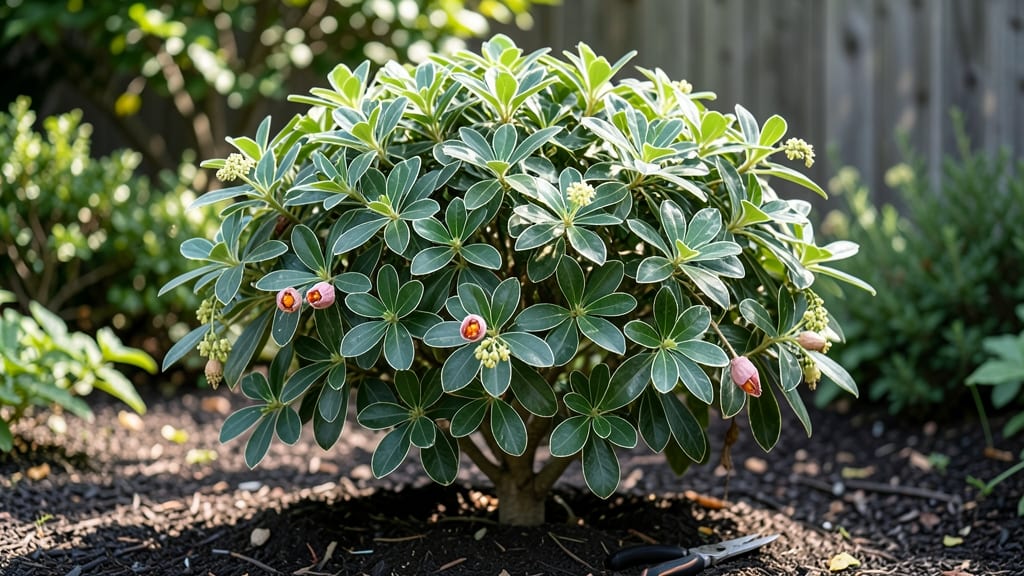
Caring for an euonymus tree transforms your yard from ordinary to showstopping—those vibrant red seed pods in fall are worth every bit of effort. 🌿 I learned the hard way that neglecting seasonal trims leads to leggy branches and sparse blooms, but once I mastered the rhythm, my tree became the neighborhood's standout.
The key isn't just cutting branches; it's understanding when and why to prune for that healthy, lush look year-round.
This tree thrives with minimal fuss once you know its basics: well-draining soil, occasional deep watering, and pruning at the right times. Most people overlook the late winter trim before new growth starts—this single step keeps your tree compact and encourages those stunning fall colors.
Even beginners can nail it with just a few sharp pruners and 30 minutes of focus.
What you'll end up with is a tree that stays vibrant through all four seasons, with glossy green leaves in summer and fiery red pods in fall. The branches develop a natural, balanced shape that requires less maintenance over time.
Plus, you'll spot fewer pests and diseases because proper pruning improves airflow and sunlight penetration.
Whether you're working with a mature specimen or a young sapling, these techniques adapt easily. The same principles apply whether you're shaping a hedge or letting it grow naturally—just adjust the timing and intensity. Let's get your euonymus looking its absolute best!
📚 In This Guide
- What you need
- Instructions
- Tips and common mistakes
- Wrapping up and next steps
What you need
- ● Pruning shears: Bypass pruners (sharp, 6–8” blades) for clean cuts on small branches. Quantity: 1 pair.
- ● Loppers: Bypass or anvil (18–24” handles) for thicker branches (½–1.5” diameter). Quantity: 1 pair.
- ● Pruning saw: Curved-tooth for branches >1.5” thick. Quantity: 1.
- ● Ladder or step stool: Sturdy, non-slip (if tree exceeds 6’ tall). Height: Reach 2–3’ above branches.
- ● Disinfectant: 70% isopropyl alcohol or bleach solution (1:9 ratio) to sterilize tools between cuts. Quantity: Small spray bottle.
- ● Garden gloves: Cut-resistant (nitrile-coated) to protect hands from thorns/spines. Quantity: 1 pair.
- ● Heavy-duty trash bags: 13-gallon for debris disposal. Quantity: 2–3.
- ○ Marking twine or flags: Brightly colored to tag branches for removal (optional but helpful for complex pruning).
- ● Sealant: Pruning sealant (for large cuts >2” diameter) to prevent disease entry.
- ● Extension pole: 20–24” with pruning attachment for high branches.
- ● Safety glasses: Protect eyes from debris (especially when sawing).
- ● Notebook & pencil: Sketch a quick map of your tree’s structure before trimming.
- ● Compost bin: If you plan to reuse pruned branches for mulch.
Step-by-step guide for pruning your euonymus tree
Here's how to keep your euonymus thriving with simple, seasonal cuts.
✂️ Step 1: Identify the Right Time for Pruning
Prune your euonymus in late winter or early spring, just as new growth begins to appear. This timing ensures you remove dead wood while leaving healthy buds intact for the growing season. Avoid pruning in fall—new growth won’t harden off before winter, leaving it vulnerable to cold damage.
Look for dormant branches that are brown, brittle, or completely devoid of leaves. These are your first targets. Healthy branches will have a greenish tint at the tips and flexible stems. If you're unsure, gently scratch the bark—green underneath means it's alive; brown means it's dead.
🌿 Step 2: Remove Dead, Diseased, or Crossing Branches
Start by cutting out any dead, diseased, or crossing branches first. Use clean, sharp pruning shears to make 45-degree cuts just above a leaf bud or lateral branch. This prevents water from pooling on the cut and encourages new growth from the right spot.
If a branch is diseased, sterilize your tools with rubbing alcohol between cuts to avoid spreading pathogens. Diseased wood often appears discolored, mushy, or covered in fungi. Remove these branches all the way back to healthy wood—don’t leave stubs, as they can harbor more infections.
✂️ Step 3: Shape the Tree for Balance and Airflow
Next, thin out the canopy to improve airflow and sunlight penetration. Focus on removing about 20% of the oldest branches to encourage new growth. Start at the bottom and work your way up, cutting branches that are rubbing against each other or growing inward.
For a more manicured look, you can lightly trim the outer edges to maintain the tree’s natural shape. Avoid heavy pruning—euonymus responds best to gradual shaping. If you notice leggy growth, prune back the tips of these branches to promote bushier, fuller growth.
☀️ Step 4: Monitor and Maintain Through the Growing Season
After pruning, keep an eye on your euonymus for new growth and any signs of stress. Water deeply if the weather is dry, especially after pruning, to help the tree recover. Mulch around the base with 2-3 inches of organic mulch to retain moisture and regulate soil temperature.
If you notice any yellowing leaves or wilting, it could signal over-pruning or disease. In that case, reduce watering slightly and avoid further cuts until the tree stabilizes. Euonymus is resilient, but it’s better to prune lightly and often than to overdo it in one session.
Tips & tricks for perfect euonymus tree care
Here's what nobody tells you about keeping your euonymus thriving after the initial cuts.
Timing Secret: The late winter or early spring window is non-negotiable for euonymus. I've learned this the hard way after seeing fall pruning leave trees vulnerable to winter damage. Look for those first signs of new growth—tiny green buds peeking through—before you touch your shears. This timing gives your tree the best chance to recover and grow strong for the season ahead.
Health Check Technique: When identifying dead branches, I always do the scratch test first. Gently scrape the bark—if green shows underneath, it's alive. If brown, it's dead. This simple trick saves me from accidentally cutting off healthy branches that might just need a little more time. Confession: I skipped this step for years and wondered why my tree never looked its best.
Cutting Precision: Those 45-degree cuts in Step 2 aren't just for looks—they're about healing. Cutting just above a leaf bud or lateral branch prevents water from pooling on the wound, which helps the tree heal faster and reduces the risk of infection. I use a fine-tooth saw for thicker branches to make cleaner cuts that heal better. Never leave stubs—they're like open wounds that invite disease.
Gradual Shaping Strategy: The 20% rule for removing oldest branches is your friend. I've seen people try to "fix" their euonymus in one session and end up with stressed trees. Instead, spread your pruning over a few seasons. This gradual approach lets your tree adjust and grow more vigorously. For leggy growth, I cut back just enough to encourage bushier growth—think of it as training your tree to grow the way you want.
Pro Tips for Euonymus Tree Care
- Here's what nobody tells you about keeping your euonymus thriving after the initial cuts.
- Timing Secret: The late winter or early spring window is non-negotiable for euonymus.
- Health Check Technique: When identifying dead branches, I always do the scratch test first.
Frequently asked questions
Got questions about keeping your euonymus tree thriving? Here are answers to the most common concerns—from pruning timing to pest troubleshooting!
When is the best time to prune a euonymus tree?
The ideal time to prune is late winter or early spring (before new growth starts) to avoid stressing the tree. Light shaping can also happen in summer, but avoid heavy pruning then. Never prune in fall, as it can encourage tender new growth vulnerable to winter damage.
How much can I trim back a euonymus tree?
For most euonymus varieties, you can safely remove up to 1/3 of the tree’s height in one season. Avoid over-pruning—this can weaken the tree or reduce flowering. Focus on thinning out dense branches and shaping rather than drastic cuts. Pro tip: Use clean, sharp tools to prevent tearing!
What should I do if my euonymus tree has pests or diseases?
Common issues include scale insects, spider mites, or fungal leaf spots. Start by hosing off pests with water, then apply neem oil or insecticidal soap for organic control. For fungal issues, prune affected branches and treat with a fungicide. Prevention tip: Ensure good airflow and avoid overhead watering!
Will pruning affect my euonymus tree’s berries or fall color?
Pruning won’t stop berries or fall color if done correctly! Focus on removing dead or crossing branches and thinning the canopy to improve light penetration. Just avoid heavy cuts in late summer or fall, as this can reduce next year’s berry production or vibrant foliage.
Are there alternatives to euonymus for low-maintenance hedges?
If euonymus seems high-maintenance, consider boxwood, privet, or holly for dense hedges. For colorful foliage, try burning bush (Euonymus alatus) or smoke bush (Cotinus). Each has unique care needs—choose based on your climate and sunlight!
Wrapping up and next steps
Caring for your euonymus tree is all about timing, precision, and patience—and with the right seasonal trimming, you’ll be rewarded with a lush, vibrant tree that thrives year after year. 🌿 Whether you’re shaping it for aesthetic appeal or promoting healthy growth, remember that consistency is key.
Now that you’re armed with the knowledge to prune like a pro, why not schedule your next trimming session? Grab your tools, step outside, and give your euonymus the love it deserves—your green thumb will thank you!