Pruning
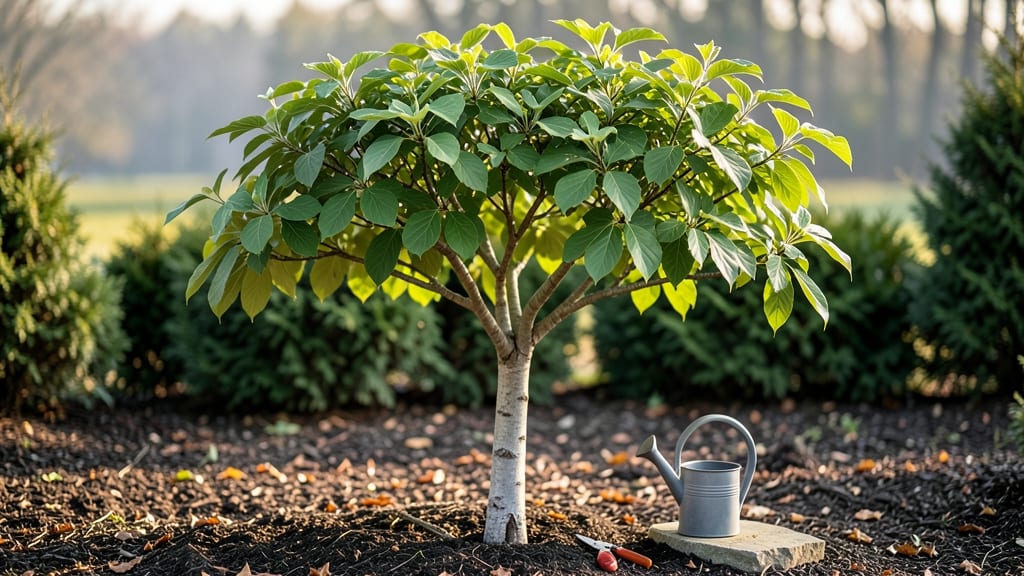
Your dogwood tree’s vibrant green foliage starts with the right pruning—done at the right time, with the right cuts. I’ve pruned dogwoods for years, and the difference between a dull, yellowing tree and one bursting with lush green leaves comes down to timing, technique, and seasonal care.
The best time to prune is late winter to early spring, before new growth begins. You’ll remove dead branches, shape the tree, and encourage fresh, healthy foliage. Dogwoods thrive in morning sun and afternoon shade, so pruning also helps balance light exposure for even green growth.
Use sharp pruners to make clean cuts just above a bud or branch collar.
After pruning, you’ll notice brighter green leaves within weeks—no more patchy yellow or brown spots. The key is removing only 10-15% of the canopy at a time to avoid stressing the tree.
For varieties like Cornus florida or Cornus kousa, this method keeps their signature green leaves rich and glossy all season.
Watch for nutrient deficiencies (like yellowing between veins) or pests (like scale insects), which can dull the green. A balanced fertilizer in early spring and regular watering—1-2 inches per week—will keep your dogwood thriving. Now, let’s get those pruners out!
📚 In This Guide
- What you need
- Instructions
- Tips and common mistakes
- Wrapping up and next steps
What you need
- ● Pruning shears: Sharp, bypass-style shears (for cuts up to ½ inch thick). Example: Felco F-2 or Corona Classic.
- ● Loppers: 1 pair (for branches ½ to 2 inches thick). Look for: Ratcheting or bypass loppers for clean cuts.
- ● Pruning saw: 1 handheld saw (for branches >2 inches thick). Recommended: Fiskars X7 or Bahco Laplander.
- ● Gloves: 1 pair of cut-resistant gloves (e.g., Mechanix or Worn Again).
- ● Disinfectant: 70% isopropyl alcohol or rubbing alcohol (for sterilizing tools between cuts).
- ○ Pruning sealant (optional): Tree wound sealant (e.g., Tanglefoot Tree Wound Pruning Seal) for large cuts.
- ● Ladder or step stool: Sturdy, non-slip ladder (if tree is >8 feet tall). Safety tip: Use a spotter!
- ● Weather check: Prune on a dry, overcast day (avoid extreme heat or frost).
- ● Safety gear: Safety glasses and long sleeves/pants (dogwood branches can be thorny!).
- ● Tree assessment: Identify dead, diseased, or crossing branches before starting.
- ● Cleanup supplies: Trash bags (for debris) and a wheelbarrow (for heavy branches).
Seasonal pruning techniques for a healthier dogwood tree
Here's how to maintain your dogwood's natural beauty while promoting strong, vibrant growth year after year.
Identify the Best Time for Each Season's Pruning
Dogwoods respond best to strategic timing. Early spring, just as buds swell but before new growth begins, is ideal for removing dead, diseased, or crossing branches. This 3-4 week window before leaves emerge minimizes stress on the tree while allowing you to spot winter damage clearly.
Summer pruning should focus on shaping and removing only the most necessary branches—never more than 10-15% of the tree's canopy at once. Late summer or early fall is perfect for light thinning to improve airflow, but avoid heavy cuts after August 1st as new growth won't harden off before winter.
Remove Dead, Diseased, or Damaged Wood First
Start with sanitation—this is non-negotiable for dogwood health. Use sterilized pruning tools to cut out any branches with blackened, mushy, or hollow centers, signs of anthracnose or borer infestations. Make clean cuts at the branch collar, the swollen area where the branch meets the trunk, to prevent tearing and encourage proper healing.
Look for branches that rub against each other or grow inward—they'll eventually damage the tree's structure. Remove these first, working from the inside out. You'll notice healthier branches have smooth, firm bark with no cracks or discoloration. Cut just outside the branch collar at a 45-degree angle to shed water away from the wound.
Thin the Canopy for Light and Airflow
Dogwoods thrive with an open, airy structure that allows sunlight to reach all branches. Focus on removing suckers (sprouts from the base) and water sprouts (vertical shoots growing from the trunk or branches) first—they drain energy from the tree. Aim to reduce the canopy density by no more than 25% in any single season.
For shaping, prioritize removing branches that grow downward or inward. Step back frequently to visualize the tree's form—you want a balanced silhouette with no heavy limbs. Use hand pruners for branches up to ½ inch thick and loppers for ½ to 1½ inch branches. For anything thicker, use a pruning saw with a smooth blade to avoid tearing.
Shape for Balance and Structural Integrity
Dogwoods naturally develop a layered, tiered shape. To encourage this, remove branches that grow directly opposite each other—this creates natural balance. Start pruning from the outer edges and work inward, always cutting back to a lateral branch or bud that faces outward. This ensures the tree fills in naturally rather than growing leggy.
Pay special attention to the tree's central leader (main upward-growing branch). If it's damaged or weak, select the strongest upward-growing branch from the lower canopy to become the new leader. Make the cut just above an outward-facing bud at a 45-degree angle. Avoid leaving stubs—this invites disease and weak growth.
Clean Up and Monitor for Recovery
After pruning, dispose of all clippings immediately—never leave them on the ground, as they can harbor fungal spores. Sterilize your tools with 70% isopropyl alcohol or a 10% bleach solution to prevent cross-contamination between cuts. Water the base of the tree deeply to help it recover, especially if you've made significant cuts.
Watch for new growth within 4-6 weeks—this is your sign the tree is responding well. If you see yellowing leaves or oozing sap at pruning wounds, the cuts may have been too severe or made in the wrong place. In this case, apply pruning sealant only to wounds larger than ½ inch to prevent moisture loss and infection.
Tips & tricks for perfect dogwood tree green pruning
Real talk: Pruning dogwoods isn't just about cutting branches—it's about understanding how each cut impacts the tree's long-term health and beauty. Between us, I've seen too many well-intentioned gardeners over-prune or make cuts in the wrong places, leading to stressed trees that struggle to recover.
Timing is Everything: That 3-4 week window in early spring is critical because it gives the tree time to heal before summer heat stress. I've learned this the hard way—after pruning too late in spring, one of my dogwoods developed fungal issues from delayed wound closure. Mark your calendar for when buds first swell but before leaves emerge, and stick to it.
Tool Sanitation Matters: The instructions mention sterilizing tools, but here's what nobody tells you—disease spreads faster than you think. I keep a small bottle of 70% isopropyl alcohol in my tool shed and wipe down blades between every cut, especially when dealing with infected branches. A few seconds of extra care now can prevent years of struggling with anthracnose or borer infestations.
Visualize the Tree's Future: Before making any cuts, step back and mentally trace the tree's growth pattern. The goal is to create a balanced silhouette where sunlight can reach all branches. I've found that holding a string from the trunk to the outer edges helps me visualize the ideal shape. This simple technique prevents that "windblown" look many pruned trees develop.
Pro Tips for Dogwood Tree Green
- Real talk: Pruning dogwoods isn't just about cutting branches—it's about understanding how each cut impacts the tree's long-term health and beauty.
- Timing is Everything: That 3-4 week window in early spring is critical because it gives the tree time to heal before summer heat stress.
- Tool Sanitation Matters: The instructions mention sterilizing tools, but here's what nobody tells you—disease spreads faster than you think.
Frequently asked questions
Got questions about keeping your dogwood tree green and thriving? Here are some of the most common concerns—plus quick answers to keep your tree healthy and vibrant!
When is the best time to prune a dogwood tree for green, healthy growth?
The ideal time to prune dogwood trees is late winter to early spring (February–March), just before new buds form. This timing minimizes stress and encourages lush, green foliage. Avoid pruning in fall or during extreme heat—both can harm the tree. Pro tip: If you must prune in summer, do it early in the morning to reduce water loss!
How much can I trim a dogwood tree without damaging it?
For most dogwood trees, never remove more than 25% of the canopy in a single year. Over-pruning weakens the tree and can lead to sparse, yellowing foliage. Focus on dead, diseased, or crossing branches first, then thin out excess growth. Pro tip: Use sharp pruners to make clean cuts just outside the branch collar for faster healing!
Why are my dogwood tree’s leaves turning yellow or brown after pruning?
Yellowing or browning leaves after pruning often signal stress, disease, or improper timing. Check for:
- Over-pruning (trimmed too aggressively)
- Fungal infections (like powdery mildew)
- Poor watering (too much or too little)
- Late-season pruning (after buds have formed)
Can I prune a dogwood tree in summer for a greener look?
While summer pruning isn’t ideal, light shaping is possible if needed. Prune only in early summer (June) to avoid encouraging new growth that won’t harden off before winter. Stick to deadheading spent flowers and removing a few overcrowded branches. Pro tip: Water deeply before and after summer pruning to help the tree recover!
What’s the best alternative if my dogwood tree isn’t thriving after pruning?
If your dogwood struggles despite proper pruning, consider:
- Fertilizing (use a balanced, slow-release fertilizer in early spring)
- Improving drainage (dogwoods hate soggy roots)
- Planting companions (like ferns or hostas for shade support)
- Switching varieties (e.g., Cornus florida for vibrant blooms or Cornus kousa for disease resistance)
Wrapping up and next steps
Pruning your dogwood tree green isn’t just about keeping it tidy—it’s the key to unlocking its full potential! By following seasonal best practices, you’ll encourage lush blooms, strong branches, and a healthier tree for years to come.
Remember, timing and technique are everything, so grab those shears and get ready to give your dogwood the care it deserves.
Ready to take the next step? Mark your calendar for your first pruning session and watch your dogwood thrive! 🌿 For extra confidence, download our pruning checklist to keep you on track.