Pruning
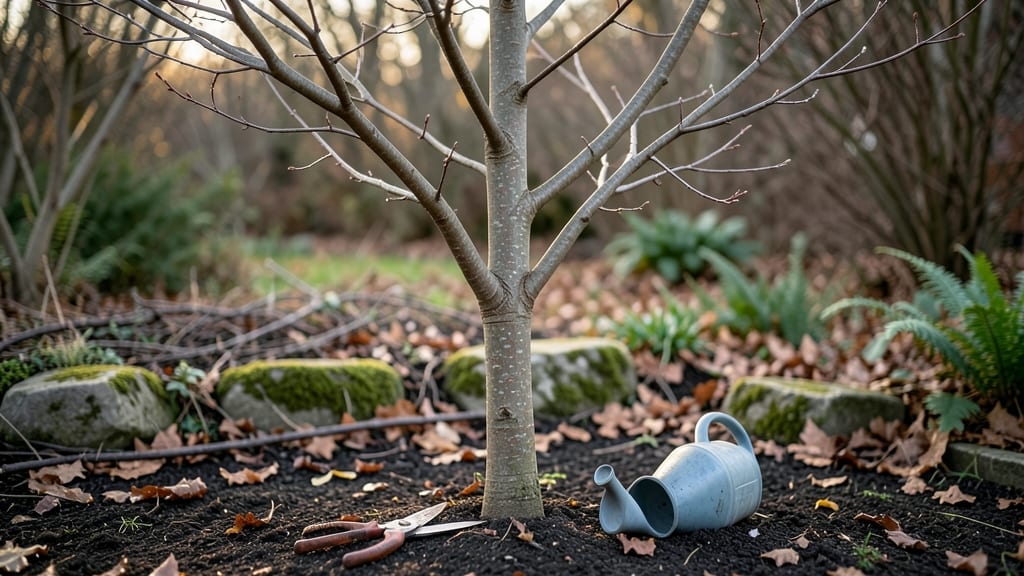
Dogwood tree bark isn’t just protective armor—it’s the tree’s lifeline, holding nutrients and water like a living pipeline. 🌿 When I first saw my dogwood’s bark splitting after a hard winter, I panicked until I learned the right pruning techniques to heal those wounds and keep the tree thriving.
The key? Timing cuts to match the tree’s natural cycles and avoiding damage that invites pests or disease.
Healthy bark looks smooth and grayish-brown, while damaged bark shows cracks, peeling, or blackened spots—clear signs it’s time to prune. I’ve found that late winter or early spring, just before buds swell, is the sweet spot for cuts.
Use sharp, clean tools to make angled cuts just outside the branch collar, never leaving stubs that trap moisture and rot. This simple approach keeps your dogwood’s structure strong and its blooms abundant.
What you’ll notice after proper pruning is a tree that recovers faster from winter stress and puts energy into new growth instead of repairing damage. The bark stays intact, the branches stay sturdy, and those iconic spring blooms return year after year—without the worry of weak spots inviting pests.
Think of it as giving your dogwood a fresh start every season.
For those in colder climates, wrapping young trees in burlap during winter can prevent bark damage from freezing and thawing cycles. And if you’re dealing with an older tree, focus on removing only dead or crossing branches—less is more.
The goal is to maintain the tree’s natural shape while keeping its protective bark healthy and intact.
📚 In This Guide
- What you need
- Instructions
- Tips and common mistakes
- Wrapping up and next steps
What you need
- ● Pruning shears: Sharp, bypass pruners (for cuts up to ½ inch thick) – 1 pair (ensure they’re clean and sterilized with rubbing alcohol).
- ● Loppers: For thicker branches (½ to 1½ inches) – 1 pair (look for long handles for leverage).
- ● Pruning saw: For branches over 1½ inches – 1 (bow or folding saw with a fine-tooth blade).
- ● Ladder: Extendable (16–20 ft) – 1 (if your tree is tall; prioritize stability!).
- ● Work gloves: Heavy-duty, cut-resistant – 1 pair (protects hands from thorns and rough bark).
- ○ Disposable pruning sealant: (Optional but helpful for larger cuts) – 1 small bottle (prevents disease entry).
- ● Disinfectant: Rubbing alcohol (70% or higher) – small bottle (clean tools between cuts).
- ● Trash bags: Heavy-duty – 2–3 (for debris disposal).
- ● Safety gear: Safety glasses
- ● Long sleeves/pants (to avoid scratches from bark)
- ● Extension pole pruners: For high branches (saves ladder use) – 1.
- ● Tree wound paint: (Controversial but some swear by it) – 1 small can.
- ● Notebook/pencil: To mark cuts or track pruning progress.
- ● Water spray bottle: (For dusty conditions) – 1.
How to prune dogwood trees for healthier bark and blooms
Pruning dogwoods isn't just about shaping—it's about protecting that beautiful bark and setting up next year's flowers.
✂️ Step 1: Time Your Cuts for Maximum Bark Protection
Dogwoods bleed sap most heavily in early spring, so I always prune in late winter to early spring—right after the last frost but before buds swell. This timing lets wounds seal before the growing season begins. If you must prune later, wait until late summer after flowering to avoid stressing the tree before winter.
Use sharp, clean tools to make precise cuts. Ragged edges expose the bark to diseases like anthracnose, which dogwoods are particularly susceptible to. I wipe my pruners with rubbing alcohol between cuts to prevent cross-contamination. The goal is clean cuts that heal quickly, protecting that stunning bark texture you love.
🌿 Step 2: Remove Dead, Diseased, or Crossing Branches First
Start by eliminating any branches with dead wood—they'll never contribute to the tree's health. Look for branches with blackened bark, hollow centers, or no leaves. These should come out completely at the branch collar. Next, remove any branches that cross or rub against each other—they'll create wounds that compromise the bark's integrity over time.
I make my cuts just outside the branch collar (that swollen area where the branch meets the trunk). Never leave stubs—they trap moisture and rot. For larger branches, I make a second cut about 6 inches out from the trunk to control the branch's weight as it falls. This prevents tearing the bark or damaging the trunk.
☀️ Step 3: Thin the Canopy for Better Airflow and Bark Health
Dogwoods need good airflow to prevent fungal issues that attack the bark. I aim to remove no more than 25% of the tree's foliage in any one year—this keeps stress low while improving light penetration. Focus on branches growing inward or downward, as these block sunlight and create dark, damp conditions perfect for disease.
Look for branches that are less than half the diameter of the trunk—these are easier to remove and less likely to cause major shock. I step back frequently to visualize the tree's shape. The goal is an open, vase-like form that lets sunlight reach all the bark, keeping it dry and healthy. Avoid over-pruning—dogwoods are sensitive to aggressive cuts.
⏰ Step 4: Seal Larger Wounds (If Necessary) for Bark Protection
For cuts larger than 1 inch in diameter, I apply a tree wound sealant to protect the exposed bark. This isn't just for looks—it prevents water from pooling in the wound, which can lead to rot. I use a thin layer and let it dry completely before leaving it on the tree. Avoid thick applications, as they can suffocate the bark over time.
Most small cuts (under ½ inch) don't need sealing—they'll heal naturally if made correctly. The key is to work quickly and efficiently. I time my pruning sessions for cool, overcast days to reduce stress on the tree. Water the base thoroughly after pruning to help the tree recover faster, especially if you've made several larger cuts.
Tips & tricks for perfect dogwood tree bark pruning
Here's what nobody tells you about keeping your dogwood's bark healthy and vibrant year after year.
Timing is Everything: I can't stress this enough—pruning in late winter to early spring is non-negotiable for dogwoods. The tree's natural healing process kicks in before buds swell, which is exactly when you want those cuts to seal. If you must prune later, wait until after flowering in late summer. I've seen dogwoods stressed by spring pruning develop fungal issues because the wounds didn't have time to heal before the growing season.
Tool Prep Prevents Problems: Your pruners should be sharper than a chef's knife. Dull tools create ragged cuts that expose the bark to anthracnose and other diseases. I keep a small bottle of rubbing alcohol handy to wipe between cuts—this prevents cross-contamination that can spread disease. Think of it like sanitizing between patients at a doctor's office, but for your tree's health.
Branch Collar Awareness: That swollen area where branches meet the trunk isn't just decoration—it's the tree's natural healing zone. Always cut just outside the branch collar, never leaving stubs. I remember making this mistake years ago and ended up with a branch that looked like it had been chewed by a beaver—messy and unhealthy. For larger branches, that second cut 6 inches out prevents the branch from tearing the trunk as it falls.
Canopy Care Counts: When thinning, aim for that open vase shape—it's not just about looks. Good airflow prevents fungal issues that attack the bark. I step back every few cuts to visualize the tree's shape. You want sunlight to reach all the bark, not just the outer branches. And remember: never remove more than 25% of the foliage in one year—dogwoods are sensitive to aggressive pruning.
Pro Tips for Dogwood Tree Bark
- Here's what nobody tells you about keeping your dogwood's bark healthy and vibrant year after year.
- Timing is Everything: I can't stress this enough—pruning in late winter to early spring is non-negotiable for dogwoods.
- Tool Prep Prevents Problems: Your pruners should be sharper than a chef's knife.
Frequently asked questions
Got questions about pruning dogwood tree bark? You’re not alone! Here are answers to the most common concerns—from timing to techniques—so you can keep your tree thriving.
When is the best time to prune dogwood tree bark?
The ideal time is late winter to early spring (just before buds swell) or summer after flowering. Avoid pruning in fall—it can stress the tree and invite disease. For flowering dogwoods, prune right after blooms fade to encourage next year’s flowers!
Can I prune dogwood bark in summer? Should I avoid it?
Yes, you can prune in summer, but focus on light shaping or deadwood removal—not heavy cuts. Heavy summer pruning can stress the tree and reduce next year’s blooms. If you must prune, do it after June to allow time for healing before winter.
What if my dogwood tree bark looks damaged after pruning?
If you see ragged edges, oozing sap, or dark spots, don’t panic! Lightly sand rough spots with fine-grit sandpaper and apply pruning sealant (optional) to prevent disease. Monitor the area for fungal signs (like powdery mildew) and prune any infected branches immediately.
Are there alternatives to pruning dogwood bark for shaping?
If pruning feels too intense, try selective thinning (removing only crowded branches) or topiary training for younger trees. For mature dogwoods, avoid over-pruning—these trees thrive with minimal intervention! For dramatic shapes, consult an arborist.
What tools are best for cutting dogwood bark without tearing?
Use sharp bypass pruners for small branches and a pruning saw with fine teeth for thicker limbs. Never use hedge trimmers—they crush bark and invite disease. Always make cuts at a 45-degree angle just outside the branch collar for clean healing.
Wrapping up and next steps
Pruning your dogwood tree’s bark isn’t just about aesthetics—it’s a powerful way to boost health, encourage vibrant blooms, and keep branches strong for years to come. 🌿 By following seasonal best practices, using the right tools, and avoiding common mistakes, you’ll give your tree the care it deserves.
Now that you’re armed with knowledge, why not grab your pruners and get started? Even small, consistent efforts make a big difference—your dogwood will thank you with lush foliage and stunning flowers!