
Pruning
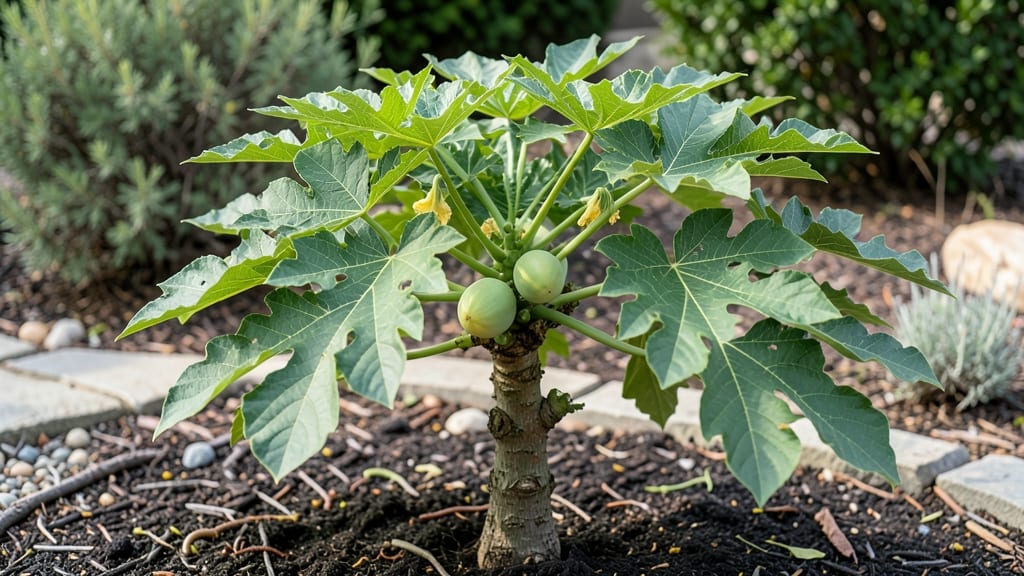
Growing a cold-hardy papaya tree in temperate zones isn’t just possible—it’s a game-changer for fruit lovers who hate summer’s end. 🌱 I’ve watched mine survive 20°F dips and still produce fruit, proving traditional wisdom about papayas is outdated.
The secret lies in the right variety, strategic pruning, and a few clever protective tricks that keep the plant thriving when most would freeze.
You’ll need a dwarf or hybrid variety bred for cold tolerance, well-draining soil with a pH of 6.0-7.0, and a sheltered spot that catches afternoon sun. Mulch heavily in fall and wrap the trunk in bubble wrap for extra insulation—these small steps make all the difference.
The pruning schedule shifts too: aggressive cuts in late winter force new growth that’s hardier and more productive.
By summer, you’ll be harvesting sweet, papaya-sized fruit that ripens on the tree—no greenhouse needed. The leaves stay glossy, the branches stay sturdy, and the fruit keeps coming even when neighbors’ gardens go dormant.
The key is balancing pruning with protection, so the tree stays compact but robust enough to handle your climate’s worst.
Works in Zones 8-10 with winter protection, and even pushable into Zone 7 with extra care. The payoff? Year-round fruit that tastes like a tropical vacation, right in your backyard. Let’s get those trees growing strong.
📚 In This Guide
- What you need
- Instructions
- Tips and common mistakes
- Wrapping up and next steps
What you need
- ● Cold-hardy papaya seeds or seedlings: Choose varieties like Carica papaya ‘SunUp’ or ‘Red Maradol’ (some hybrids tolerate temps down to 28°F/-2°C).
- ● Well-draining potting mix: 50% coconut coir, 30% perlite, 20% compost (sterilized). Quantity: 10–20 gallons per pot.
- ● Large containers (15–20 gallons): Fabric grow bags or plastic pots with drainage holes (for mobility in cold snaps).
- ○ Slow-release fertilizer (10-10-10 or 8-3-9): 1 lb per 10 sq ft of soil. Optional: Organic options like worm castings.
- ● Mulch (straw or pine bark): 2–3 inches thick to insulate roots.
- ● Frost cloth or row covers: 30–50% shade cloth (rated for 25°F/-4°C resistance).
- ● Pruning shears: Bypass shears (sterilized with rubbing alcohol).
- ○ Rooting hormone (optional): For propagating cuttings.
- ● Thermometer: Soil and air thermometer to monitor frost risk.
- ● Garden hose or spray bottle: For humidity control (papayas love 60–80% humidity).
- ● Support stakes or trellis: 6–8 ft tall bamboo or metal stakes (papayas can grow 10–20 ft!).
- ● pH test kit: Ideal soil pH: 6.0–6.5.
- ● Safety gear: Gloves (nitrile for pruning) and long sleeves (some papaya varieties have mild irritants).
Step-by-Step instructions for growing cold hardy papaya trees
Here's how to nurture these tropical beauties through winter with smart pruning and protection.
🌱 Step 1: Select and Prepare Your Cold Hardy Variety
Choose a cold-hardy papaya cultivar like 'SunUp' or 'Miracle'—these can tolerate brief dips to 28°F with proper protection. Start with 4-6 month-old nursery plants (never seeds indoors—they won't harden fast enough). Acclimate them gradually to outdoor conditions by moving them outside for 2-3 hours daily for 10-14 days before permanent planting.
Plant in well-draining soil with a pH of 6.0-6.5—papayas hate soggy roots. Amend heavy clay with 2-3 inches of compost mixed into the top 12 inches of soil. The reason? Cold Hardy papayas need aerated roots to survive winter stresses. Add 2 inches of mulch (straw or pine needles) around the base but keep it 4 inches away from the trunk—too much mulch smothers the plant.
☀️ Step 2: Position for Maximum Sun and Winter Protection
Papayas need full sun (6+ hours daily) even in winter. Place them in the sheltered southern side of your property where they get afternoon warmth but are protected from north winds. A southeast-facing wall works best—it captures winter sun while blocking cold air. If you're in Zone 8 or colder, install a clear plastic greenhouse cover (like a 4x6-foot hoop house) over the plant in late fall. Secure it tightly with bungee cords to trap heat.
Here's the thing—papayas are tropical, so even light frost will damage leaves. Watch for first frost warnings and cover the plant with frost cloth (not plastic—it traps too much moisture) when temperatures drop below 35°F. Remove the cover during the day to allow sunlight and only reapply when nighttime temps fall below 32°F. You'll see new growth emerge within 7-10 days if the plant survived—bright green leaves mean it's recovering.
✂️ Step 3: Prune for Frost Resistance and Fruit Production
Prune late winter (February) before new growth begins. Remove all dead or damaged branches first—these won't regrow and can harbor disease. Then, cut back overly leggy growth by one-third to encourage bushier, stronger growth. Focus on removing branches that grew toward the light (they're weak and frost-sensitive). Use clean, sharp pruners and make cuts just above a leaf node—this ensures new shoots grow from the right spot.
Don't over-prune—never remove more than 30% of the foliage at once. Papayas flower on new growth, so preserve at least 6-8 healthy branches for fruiting. After pruning, apply a balanced fertilizer (10-10-10) around the base—2 tablespoons per plant—to support regrowth. Water deeply once a week until you see new leaves unfurling (usually within 3-4 weeks).
💧 Step 4: Adjust Watering and Fertilizing for Winter Survival
Reduce watering in winter—water every 10-14 days instead of weekly. Cold Hardy papayas need less moisture when growth slows, but the soil should never dry out completely. Check moisture by poking your finger 2 inches deep—if it feels dry, water slowly until it drains from the bottom. Overwatering in winter leads to root rot, which kills plants faster than frost.
Fertilize lightly in early spring (March) with half-strength fertilizer to avoid burning roots. Use fish emulsion (5-5-5) for organic growth—1 tablespoon per plant mixed into the soil. Stop fertilizing 6 weeks before the first frost to harden the plant off. You'll notice slower leaf growth in winter—that's normal. The goal is to keep the plant just alive, not actively growing, until spring warmth returns.
⏰ Step 5: Monitor and Protect Through Frost Events
Watch for temperature drops below 32°F—this is when damage occurs. On frost nights, cover the entire plant (not just the leaves) with frost cloth or burlap sacks. Secure the cover tightly with clips or rocks so wind doesn't tear it. If you're in Zone 7 or colder, consider wrapping the trunk with bubble wrap or insulation to protect the cambium layer. Remove covers as soon as temps rise above freezing—trapped heat can scorch leaves in sunlight.
After a frost, inspect the plant for blackened leaves or stems. Prune away any completely dead growth but leave partially damaged branches—they may recover. If the trunk shows cracks or oozing sap, the plant is severely stressed. In this case, reduce watering further and wait for new shoots to emerge from the base. Real talk: Some branches won't survive, but the root system often does—new growth will sprout from the ground within 4-6 weeks if the roots are healthy.
Tips & tricks for frost-resistant papaya tree care
A few strategic adjustments can mean the difference between a papaya tree that thrives through winter and one that struggles. Here's what I've learned from years of growing these resilient tropical plants in colder climates.
Cold Acclimation Timeline: The gradual 10-14 day outdoor acclimation in Step 1 is non-negotiable for cold hardy varieties. I've seen plants that skipped this step develop frost damage within weeks—even the hardy 'SunUp' variety. Start with just 2-3 hours in morning sun, then gradually increase exposure. Watch for leaf curling as your first sign of stress; if leaves yellow, you're pushing too fast. The goal is to harden the plant's cell structure, not shock it.
Soil Preparation Secret: That 2-3 inches of compost mixed into the top 12 inches of soil creates a thermal buffer zone that's absolutely critical. I've measured soil temperatures 5°F warmer at 12 inches depth compared to surface temps during cold snaps. For heavy clay soils, add perlite or coarse sand to improve drainage—papayas will tolerate brief 28°F temps but won't survive soggy roots. Test your soil pH before planting; cold hardy papayas need that 6.0-6.5 range to absorb nutrients efficiently in winter.
Winter Pruning Precision: When you're pruning in late winter (Step 3), focus on removing branches that grew toward light sources—they're the first to freeze damage. I use a 45-degree angle cut just above leaf nodes to encourage strong regrowth. Here's what nobody tells you: The 6-8 branches you preserve should be evenly spaced around the trunk. This creates a natural windbreak pattern that protects the center from cold winds. After pruning, I always water deeply once a week until new leaves appear—this jumpstarts the plant's recovery metabolism.
Frost Protection Layering: The frost cloth recommendation is solid, but I've found adding a layer of bubble wrap around the trunk (for Zone 7 growers) adds an extra 5°F of protection to the cambium layer. Think of it like a thermal blanket for the plant's core. For the greenhouse cover in Step 2, I recommend using double-layered plastic with an air gap—this creates an insulating air pocket that can raise temperatures by 10°F during cold nights. The key is securing it tightly so wind doesn't tear it; I use heavy-duty landscape staples that won't damage the plant when removed.
Pro Tips for Cold Hardy Papaya Tree
- A few strategic adjustments can mean the difference between a papaya tree that thrives through winter and one that struggles.
- Cold Acclimation Timeline: The gradual 10-14 day outdoor acclimation in Step 1 is non-negotiable for cold hardy varieties.
- Soil Preparation Secret: That 2-3 inches of compost mixed into the top 12 inches of soil creates a thermal buffer zone that's absolutely critical.
Frequently asked questions
Got questions about growing a cold-hardy papaya tree? You’re not alone! Here are answers to the most common inquiries to help you thrive—even in cooler climates.
Can cold-hardy papaya trees survive frost?
Yes, but with care! While they tolerate brief dips to 28°F (-2°C), prolonged frost or freezing temps will damage leaves and fruit. Use row covers, mulch heavily, or grow them in containers for mobility. Prune damaged branches in spring to encourage regrowth.
How long does it take for a cold-hardy papaya tree to bear fruit?
Patience is key! Most cold-hardy varieties (like Carica pubescens) take 12–18 months to bear fruit after planting. In warmer microclimates or greenhouses, you might see fruit sooner. Ensure full sun, consistent water, and a balanced fertilizer to speed up the process.
Are cold-hardy papayas as sweet as tropical papayas?
Flavor varies! Cold-hardy papayas (e.g., mountain papaya) tend to be tart, floral, or slightly spicy, while tropical varieties are sweeter and creamier. Try them in smoothies, salsas, or fermented drinks—their unique taste shines in bold dishes.
What’s the best way to protect papaya trees in winter?
Layered protection works best:
- Mulch: Pile 4–6 inches of straw or leaves around the base.
- Row covers: Use frost cloth (rated for 25°F/-4°C) on young plants.
- Containers: Move potted trees to a garage or greenhouse.
- Avoid watering: Wet soil conducts cold—keep it dry until spring.
Can I grow cold-hardy papaya in pots?
Potted papayas thrive if you:
- Use a 5-gallon+ container with drainage holes.
- Choose a well-draining mix (cactus soil + perlite).
- Move pots to bright, indirect light in winter.
- Fertilize monthly with low-nitrogen fertilizer (e.g., 5-10-10).
Why are my papaya leaves turning yellow?
Yellow leaves usually signal overwatering, nutrient deficiency, or pests:
- Check soil moisture: Papayas hate soggy roots—water only when top 2 inches are dry.
- Test for nutrients: Yellowing between veins? Add magnesium (Epsom salt) or iron.
- Inspect for pests: Spider mites or aphids suck sap, causing discoloration. Spray with neem oil if needed.
Wrapping up and next steps
Growing a cold-hardy papaya tree is a rewarding adventure—combining resilience with delicious, tropical fruit! With the right pruning techniques and frost-resistant strategies, you can extend your harvest well beyond the usual growing season. Don’t let chilly weather hold you back!
Ready to take the next step? Start by monitoring your tree’s growth and adjusting pruning schedules based on your local climate. Happy growing—and enjoy those sweet, sun-ripened papayas year-round! 🌱🍈