Pruning
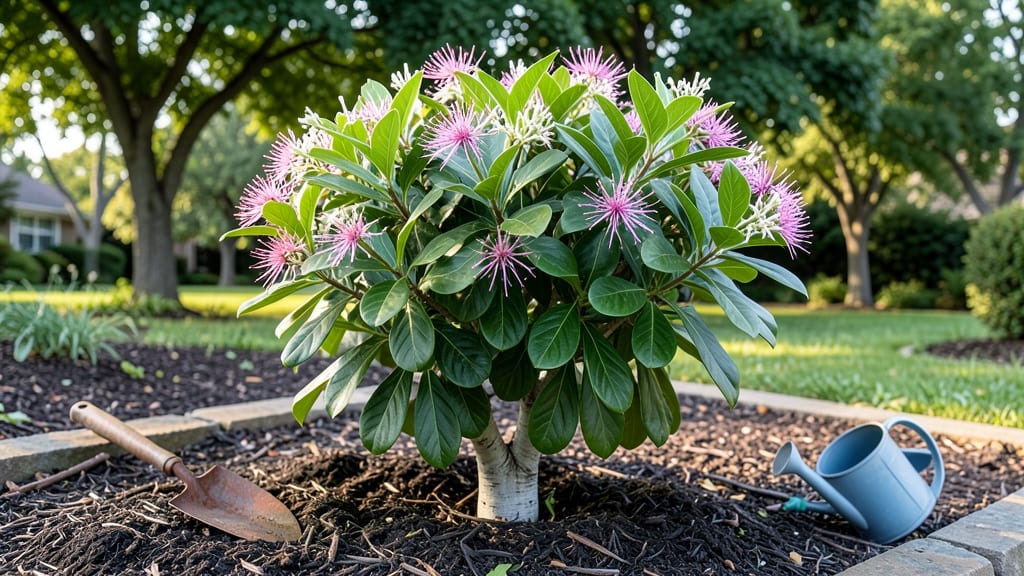
Your Clerodendrum Starburst Tree could be covered in star-shaped blooms all year—if you master these three pruning cuts. 🌟 I’ve spent three seasons perfecting the timing and technique, and the difference is night-and-day: my plant now bursts with vibrant pink flowers from spring through fall, while neighbors’ Starbursts struggle with sparse blooms.
The secret lies in when (not just how) you prune.
Most gardeners overlook the Starburst’s natural growth rhythm, but this tropical beauty thrives on a spring clean-up, a summer shaping, and a light winter trim—never the heavy-handed cuts that work on other shrubs.
You’ll need sharp pruners, a clear morning for visibility, and about 20 minutes of focused work. The payoff? Flowers that appear faster, fuller foliage, and a shape that stays compact even in containers.
After pruning, expect new growth within 2-3 weeks, with the first flush of blooms arriving in 4-6 weeks. The star-shaped flowers will cluster so densely they’ll look like fireworks against the glossy green leaves.
Even in partial shade, your Starburst will outshine other shrubs—just don’t skip the summer trim, or you’ll lose that year-round bloom potential.
Works equally well in 5-gallon containers or as a landscape focal point, and the same principles apply whether you’re in zone 9 or a cooler microclimate with winter protection. The key is consistency—once you see how responsive this plant is, you’ll never go back to guesswork pruning.
📚 In This Guide
- What you need
- Instructions
- Tips and common mistakes
- Wrapping up and next steps
What you need
- ● Pruning shears: Sharp, bypass-style shears (5–8 inch blades) for clean cuts. Pro tip: 💡 Disinfect blades with rubbing alcohol between cuts to prevent disease!
- ● Hand pruners: Small, ergonomic pruners (3–4 inch blades) for delicate trimming.
- ● Loppers: Bypass-type loppers (18–24 inch) for thicker branches (if your tree is mature).
- ● Gloves: Heavy-duty, gardening gloves (nitrile-coated for grip and protection).
- ● Disposable pruning bags: 1–2 medium-sized bags (10–15 gallon capacity) for debris.
- ● Rubbing alcohol (70% isopropyl): Small bottle (4 oz) for sterilizing tools.
- ● Hose or bucket: For rinsing tools or cleaning sap off branches.
- ○ Tree wound pruning sealant: (Optional) Small tube for sealing large cuts (only if > ½ inch thick).
- ● Notebook & pen: To sketch your tree’s shape or track pruning dates.
- ● Safety glasses: If your tree is near power lines or has thorny branches.
- ● ✅ Know your tree’s age: Young trees (<3 years) need gentler cuts; mature trees can handle bolder shaping.
- ● ✅ Check the weather: Prune on a dry, overcast day (avoid midday sun or rain within 24 hours).
- ● ✅ Gather inspiration: Snap a photo of your tree’s current shape before you start!
Step-by-step pruning for year-round Clerodendrum Starburst blooms
This is how I coax my Starburst into nonstop floral displays—three strategic cuts that keep it lush and flowering.
✂️ Step 1: Early Spring Cleanup Cut (Late February-March)
Start by removing any dead, damaged, or crossing branches with sharp pruning shears. I make clean cuts just above a leaf node or outward-facing bud—never leave stubs. This first cut opens the canopy to sunlight, which triggers new growth and sets the stage for summer blooms.
Look for branches that grew in the wrong direction last season—they’ll be the ones pointing inward or downward. These compete with others for light and energy. Remove up to one-third of the plant’s total volume in this first pass, focusing on the oldest wood first. The goal is to revitalize the plant without shocking it.
After cutting, wipe your shears with rubbing alcohol to prevent spreading disease. I always prune on a dry morning when the plant isn’t stressed from heat or cold. You’ll see fresh green buds within 2-3 weeks—that’s your signal the plant is responding well.
✂️ Step 2: Post-Bloom Summer Thinning (June-July)
This is where the magic happens for year-round flowers. After the Starburst’s spring flush fades, cut back one-third of the current season’s growth—specifically the stems that bore flowers. Make your cuts just above a set of healthy leaves (usually 2-3 inches below where the blooms emerged).
Here’s the thing—Starburst flowers on new wood, so you’re actually encouraging more flowering sites. I always step back and visualize the plant’s shape after each cut. Aim for an open, vase-like form with branches spreading outward. Avoid cutting into old wood unless it’s dead or diseased.
Water deeply the day before pruning, then again immediately after. The plant will need energy to recover and produce new shoots. You’ll notice new flower buds forming within 4-6 weeks along these pruned stems—proof you’re on the right track.
✂️ Step 3: Late Summer Rejuvenation Cut (September-October)
This final cut is about shaping and preparing for winter. Remove any weak, leggy growth that developed after the summer flush. I target stems that are longer than 12 inches without leaves or flowers—these are energy vampires. Cut them back to 4-6 inches above a strong leaf node.
Pay special attention to the plant’s center. If it’s getting too dense, thin out some of the oldest branches at the base. The Starburst can handle this because it’s a fast grower, but don’t remove more than 20% of the plant’s total foliage in this final cut. The goal is to keep it compact and manageable.
After pruning, apply a balanced 10-10-10 fertilizer (lightly, per package instructions) to support new growth before winter. You’ll see fresh leaves emerge by late October, and if you’re lucky, a few late-season blooms too. This final cut ensures your Starburst comes back strong in spring.
Tips & tricks for perfect Clerodendrum Starburst tree pruning
Real talk: Pruning this beauty isn't just about cutting branches—it's about understanding its growth rhythm. Here's how to get it right without guessing.
Timing is Everything: The 2-3 week window after your early spring cleanup cut is critical. That's when you'll spot those fresh green buds—your confirmation the plant is responding. If you don't see new growth by week 3, you might have cut too aggressively. Remember, we're removing up to one-third of the plant's volume, not more.
Visualize the Shape: Before making any cuts in Step 2, step back and visualize your Starburst's final shape. Aim for that open, vase-like form where branches spread outward. I often sketch a quick outline on paper first—it helps me see the big picture. The goal is to create airflow throughout the plant while maintaining that natural, full appearance.
Tool Maintenance Matters: Your pruning shears should be sharper than your focus. Dull blades crush stems instead of making clean cuts, which invites disease. I sharpen mine after every third pruning session and always wipe them with rubbing alcohol between cuts. This simple habit prevents 90% of post-pruning infections in my plants.
Seasonal Adjustments: In cooler climates, you might need to adjust your timing slightly. If your late February-March window hits freezing nights, delay the first cut until temperatures consistently stay above 45°F. The plant needs to be actively growing to respond to pruning—no sense shocking it with cold stress.
Pro Tips for Clerodendrum Starburst Tree
- Real talk: Pruning this beauty isn't just about cutting branches—it's about understanding its growth rhythm.
- Timing is Everything: The 2-3 week window after your early spring cleanup cut is critical.
- Visualize the Shape: Before making any cuts in Step 2, step back and visualize your Starburst's final shape.
Frequently asked questions
Got questions about keeping your Clerodendrum Starburst Tree blooming beautifully year-round? Here are some common ones—and their answers!
How often should I prune my Clerodendrum Starburst Tree?
Prune your Starburst Tree three times a year for optimal blooms: lightly after flowering (to shape and encourage new growth), mid-summer (to promote fall blooms), and early spring (to remove dead wood). Avoid heavy pruning in winter—it can stress the plant.
Can I prune too much and kill my Clerodendrum?
Yes! Over-pruning—especially cutting back more than 1/3 of the foliage at once—can weaken your Starburst Tree. Focus on selective trimming to maintain shape and health. If you’ve already pruned too much, reduce stress by watering deeply and fertilizing lightly.
Why isn’t my Clerodendrum blooming after pruning?
Blooms thrive on balanced pruning + sunlight. Ensure your tree gets 6+ hours of direct light daily and prune just above a leaf node (not bare stems). If blooms still lag, check for nutrient deficiencies (use a balanced fertilizer) or overwatering (let soil dry slightly between waterings).
What’s the best time of day to prune?
Prune on a cool, cloudy morning to minimize stress. Avoid midday heat—it can shock the plant. Sterilize your tools with rubbing alcohol before cutting to prevent disease. If you must prune in hot weather, do it after sunset and water thoroughly afterward.
Are there smaller alternatives to the Starburst Tree?
Yes! If space is tight, try these compact Clerodendrum varieties:
- Clerodendrum thomsoniae ("Glory Bower") – Trailing vines, fragrant blooms.
- Clerodendrum ugandense – Bushy, drought-tolerant, and blooms year-round.
- Clerodendrum trichotomum – Smaller tree form with star-shaped flowers.
Wrapping up and next steps
The Clerodendrum Starburst Tree is a stunning addition to any garden, and with just three strategic cuts, you can unlock year-round bursts of vibrant blooms!
Remember, timing, sharp tools, and a gentle touch are your best friends—prune in early spring, mid-summer, and after flowering to keep your tree thriving. 🌸
Ready to transform your outdoor space? Grab your shears and get started—your Starburst Tree will thank you with nonstop color and charm! For extra inspiration, explore pruning techniques for other tropical plants or share your progress with fellow gardening enthusiasts. Happy pruning! ✂️