
Pruning
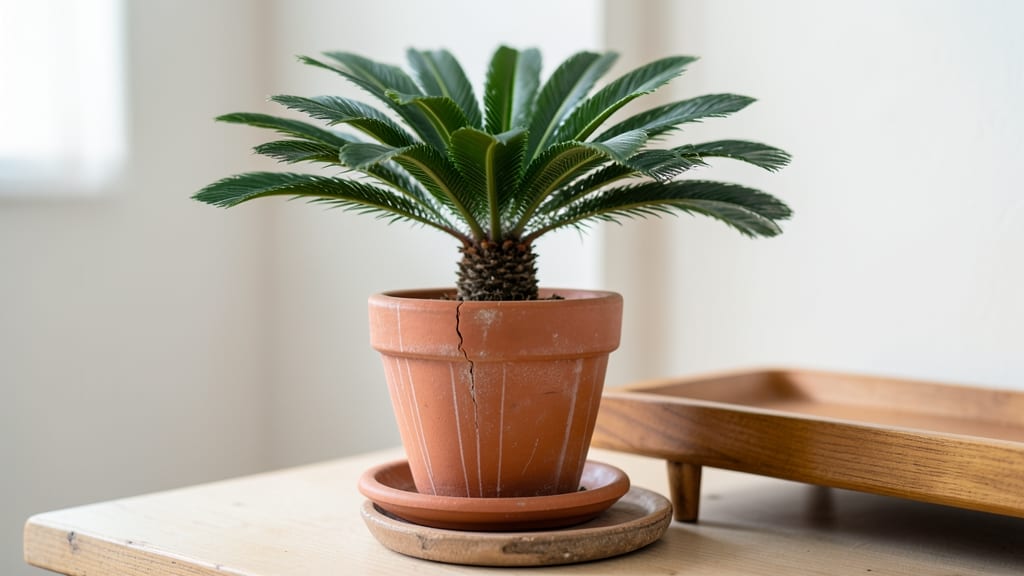
Pruning a clay palm tree reveals the secret to keeping it healthy and thriving year-round—even when the soil feels like brick. 🌿 The key isn't just trimming fronds but understanding how clay's slow drainage affects roots and growth.
My first attempt left brown patches where the soil stayed soggy, but adjusting the approach made all the difference.
You'll need sharp pruners, a bucket of water, and a 30-minute window to work—no fancy tools required. The real trick is timing: prune only when fronds turn brown naturally, never green ones.
Clay palms hate being overwatered, so let the top inch of soil dry between waterings. A 3-inch layer of mulch keeps roots cool and prevents water from pooling.
What you'll end up with is a palm that stays vibrant green even in summer heat, with fewer brown fronds and stronger new growth. The shape stays elegant, and the roots stay aerated despite the heavy clay.
This method works for palm species like Mexican fan palms or windmill palms, which handle clay better than others.
Works in any climate with heavy clay, from Florida to Texas. The biggest mistake? Pruning too late—wait until fronds are fully brown before cutting. Let's get those fronds looking sharp while keeping roots happy in tough soil.
📚 In This Guide
- What you need
- Instructions
- Tips and common mistakes
- Wrapping up and next steps
What you need
- ● Pruning shears: Bypass pruners (sharp, clean, and sterilized with rubbing alcohol or bleach) for clean cuts.
- ● Hand pruners: Small, sharp pruners for delicate trimming (e.g., Felco F-2 or equivalent).
- ● Loppers: For thicker branches (1.5"–2" diameter), with a bypass blade for precision.
- ● Pruning saw: Curved-tooth saw for thick, woody stems (avoid jagged cuts!).
- ● Gloves: Heavy-duty, cut-resistant gloves (e.g., Mechanix or pruning-specific gloves).
- ● Disinfectant: 70% isopropyl alcohol or 10% bleach solution (1 part bleach to 9 parts water) to prevent disease spread.
- ● Rag or paper towels: For wiping tools between cuts.
- ● Bucket or trash bag: For collecting pruned fronds and debris.
- ● Ladder or step stool: (If your palm is tall!) Ensure it’s stable and non-slip.
- ● Notebook & pen: To track pruning dates, growth patterns, and notes.
- ● Hose & spray nozzle: For rinsing tools and cleaning sap off blades.
- ● Pruning sealant: (e.g., Tanglefoot Tree Wound Pruning Seal) for large cuts to prevent pests.
- ● Magnifying glass: For spotting pests or diseases up close.
- ● Camera or phone: To document your palm’s progress before/after pruning.
- ● Safety glasses: If working with large, heavy fronds.
- ● Fertilizer (balanced palm fertilizer): Post-pruning boost for recovery (e.g., 8-2-12 NPK ratio).
How to prune clay palm trees for year-round health
Here's the straightforward method I use to keep my clay palms thriving—no guesswork, just results.
🌿 Step 1: Assess the Tree's Health and Structure
Start by examining your clay palm from all sides. Look for dead or yellowing fronds—these are your first targets. Healthy fronds should be vibrant green and flexible, while dead ones will be brown, brittle, and easily crumble when touched. I always prune in the morning when the tree is fully hydrated and the air is cooler.
Next, check for any pests or disease signs like black spots, sticky residue, or tiny webs. Clay palms are tough but can get scale or spider mites if stressed. If you spot issues, address them before pruning—you don’t want to spread anything while cutting. Here’s the thing—if the tree looks generally healthy but just unruly, we’re focusing on shaping next.
✂️ Step 2: Remove Dead or Damaged Fronds
Use sharp, clean pruning shears or a pruning saw for thicker stems. Cut each dead frond at its base, where it meets the trunk. Make the cut at a 45-degree angle to prevent water from pooling and causing rot. I like to work my way around the tree in a circular motion—this helps me spot hidden damage as I go.
Never pull fronds off by hand; this can tear the trunk and leave jagged edges that invite pests. If a frond is only partially dead, leave it until it’s fully brown. You’ll know it’s ready when it snaps easily at the base. Real talk: I’ve made the mistake of cutting too early, and the tree just grew a new frond in the same spot—wasted energy.
🌱 Step 3: Shape for Balance and Airflow
Step back and visualize the tree’s natural shape. Clay palms grow in a fan or arching pattern, so aim to maintain that flow. Trim any fronds that are growing too close together or blocking light from reaching the center. This prevents fungal issues and encourages even growth. I usually remove no more than 10-15% of the fronds at once—this keeps the tree strong without shocking it.
For a more structured look, you can gently guide the growth of younger fronds by tying them to stakes (if needed). Just avoid over-trimming—clay palms are slow to recover from heavy pruning. Watch for new fronds emerging from the center; these are your signal that the tree is happy and ready for more shaping.
💧 Step 4: Clean Up and Monitor Recovery
After pruning, remove all debris from the base of the tree and surrounding area. This prevents pests and disease from taking hold. I like to give the tree a light watering right after pruning to help it recover, but don’t overdo it—soil should stay moist but not soggy. Clay palms are drought-tolerant once established, but fresh cuts need a little extra care.
Keep an eye on the tree over the next 4-6 weeks. You should see new fronds emerging within that time if everything’s healthy. If you notice wilting or yellowing, it might mean you pruned too aggressively or the tree needs more water. Don’t panic—clay palms are forgiving, but they do need time to bounce back.
Tips & tricks for perfect clay palm tree pruning
Keeping your clay palm looking its best doesn't have to be complicated—just a few key tricks make all the difference. Here's what I've learned after years of working with these tough, tropical beauties.
Timing is Everything: The morning is the absolute best time to prune your clay palm. This is when the tree is fully hydrated from overnight watering and the cooler temperatures prevent stress. I've pruned in the afternoon before, and while it works, I noticed the cuts took longer to heal. If you must prune later in the day, make sure to give the tree a thorough watering first to compensate for the heat.
Tool Selection Matters: Never use dull pruning shears—they'll tear the fronds instead of making clean cuts. Invest in sharp, clean tools and always sterilize them with rubbing alcohol before and after use. For thicker stems, a pruning saw is your best friend. I keep a small kit with both tools handy, and it's made my pruning sessions so much more efficient. Remember, clean cuts heal faster and look better than torn ones.
The 45-Degree Rule: When you make that cut at the base of each frond, angle it at 45 degrees. This simple technique prevents water from pooling in the cut, which can lead to rot and invite pests. I draw a quick mental image of a slice of pizza—just like that! This small detail has saved me from dealing with fungal issues in the past.
Recovery Monitoring: After pruning, keep a close eye on your tree for the next 4-6 weeks. This is when you'll notice if the tree is happy or struggling. Look for new fronds emerging from the center—this is your green light that everything's going well. If you see wilting or yellowing, it might be a sign you pruned too aggressively or the tree needs more water. Don't panic though—clay palms are resilient and will bounce back with proper care.
Pro Tips for Clay Palm Tree
- Keeping your clay palm looking its best doesn't have to be complicated—just a few key tricks make all the difference.
- Timing is Everything: The morning is the absolute best time to prune your clay palm.
- Tool Selection Matters: Never use dull pruning shears—they'll tear the fronds instead of making clean cuts.
Frequently asked questions
Got questions about keeping your clay palm tree looking its best?
Here are answers to the most common ones—so you can prune with confidence and keep your tree thriving year-round!
When is the best time to prune a clay palm tree?
The ideal time is late winter or early spring, just before new growth begins. This minimizes stress on the tree and allows it to recover quickly. Avoid heavy pruning during extreme heat or drought—wait for milder weather! Pro tip: Light trimming to remove dead fronds can happen anytime, but major shaping is best saved for the off-season.
Can I prune too much? What are the signs?
Yes! Over-pruning weakens the tree and can lead to yellowing fronds, stunted growth, or even dieback. Signs you’ve gone too far: Excessive bare trunk, slow recovery after trimming, or fronds that droop unnaturally. Always remove no more than 1/3 of the fronds in a single session.
Do I need special tools for clay palm tree pruning?
Basic tools like pruning shears, loppers, and a sturdy pruning saw work well for most jobs. For taller trees, consider a pole saw or extendable pruners for safety. Safety first! Wear gloves and eye protection—clay palm fronds have sharp edges, and the sap can irritate skin.
What should I do with the pruned fronds?
Remove fronds immediately after pruning to prevent pests or disease from lingering. Options:
- Compost them (if disease-free).
- Mulch your garden—they break down quickly!
- Dispose of them if you spot signs of fungus or pests.
How do I care for my clay palm tree after pruning?
Post-pruning care is key! Water deeply 1–2 times a week (adjust for your climate) and fertilize lightly with a palm-specific feed 4–6 weeks after trimming. Monitor for stress signs like wilting or brown tips—these usually resolve within a few weeks if conditions are right.
Wrapping up and next steps
Mastering the art of clay palm tree pruning is all about patience, precision, and a little seasonal know-how! 🌿 Whether you’re trimming dead fronds, shaping for aesthetics, or encouraging lush new growth, the key is consistency and gentle care.
With the right tools, techniques, and timing, your palm will thrive year-round—adding tropical charm to your space while staying healthy and vibrant.
Ready to take your pruning skills to the next level? Start small: pick one season to focus on, then gradually build your confidence. Before you know it, your clay palm tree will be the star of your garden—and you’ll be the proud pruning pro behind it! 🌟