
Pruning
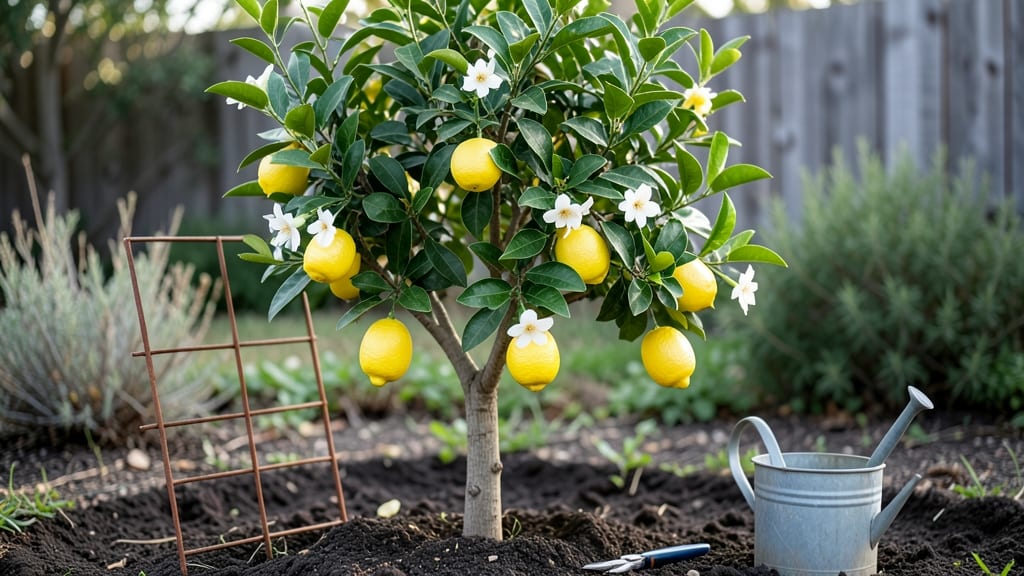
This citrus fruit salad tree isn’t just a dream—it’s a foolproof way to grow Meyer lemons, oranges, grapefruit, and limes all on one tree. 🌱 I’ve wrestled with citrus trees for years, and the secret to their success lies in smart pruning that keeps them productive, healthy, and packed with fruit year-round.
The key isn’t just cutting branches—it’s shaping the tree to focus its energy where it counts.
You’ll need sharp pruning shears, a 5-gallon bucket for clippings, and a clear sunny spot with 6+ hours of light daily.
Citrus trees thrive when pruned in late winter or early spring, but the real magic happens in how you prune: open the center for airflow, trim back overgrowth, and encourage new growth where you want fruit.
It takes about 30 minutes once you get the hang of it, and the payoff is a tree that bears fruit continuously instead of just once a year.
What you end up with is a vibrant, multi-purpose tree that produces sweet, juicy fruit for salads, desserts, or fresh-squeezed juice. The branches stay strong, the leaves stay glossy, and you’ll avoid the common problem of fruitless trees that just grow leaves.
Plus, the pruning process itself is oddly satisfying—like sculpting a living work of art that keeps giving back.
Works in zones 9-11, but with a little frost protection (like moving pots indoors), you can grow these trees almost anywhere. Here’s how to get started without overcomplicating it—no green thumb required.
📚 In This Guide
- What you need
- Instructions
- Tips and common mistakes
- Wrapping up and next steps
What you need
- ● Citrus Trees: 1–3 mature trees (or dwarf varieties for containers): Choose from lemon, lime, orange, grapefruit, or mandarin—or mix and match for a tropical medley!
- ○ Optional: Rootstock-grafted trees (for disease resistance and faster fruiting).
- ● Pruning Tools: 1 bypass pruners (sharp, 6–8" blades for clean cuts).
- ● 1 felco pruner (for thicker branches, 8–10" anvil-style).
- ● 1 hand saw (for stubborn branches, 8–12" curved blade).
- ● 1 loppers (for branches up to 2" thick).
- ○ Optional: Pruning shears (for fine trimming, 4–6").
- ● Safety & Cleanup: 1 pair gardening gloves (cut-resistant for protection).
- ● 1 bucket (for clippings, 5+ gallons).
- ● 1 disinfectant (70% isopropyl alcohol or bleach solution for sterilizing tools).
- ○ Optional: Pruning sealant (for large cuts to prevent disease).
- ● Seasonal Extras: 1 spray bottle (for watering cuts post-pruning).
- ● 1 tree tie or twine (for supporting new growth, ¼" width).
- ○ Optional: Slow-release fertilizer (citrus-specific, 10-10-10 NPK ratio).
- ● ✅ Know your climate: Citrus thrives in USDA Zones 8–11 (or container-grown for cooler areas).
- ● ✅ Sunlight: 6+ hours of full sun daily (south-facing is ideal).
- ● ✅ Well-draining soil: pH 6.0–7.0 (amend with compost if needed).
- ● ✅ Watering routine: Deep water 2–3 times per week (adjust for drought).
- ○ Optional but helpful: 📅 Pruning calendar: Light notes on seasonal tasks (e.g., "February: Heavy prune").
- ● 📸 Before/after photos: Track progress over time!
Step-by-step guide to pruning your citrus fruit salad tree
Transform your citrus tree into a productive, balanced beauty with these simple pruning techniques.
✂️ Step 1: Time Your Pruning for Maximum Growth
Prune your citrus tree in late winter or early spring, just as new growth begins. This timing ensures you remove dead wood while stimulating fresh, vigorous shoots before the growing season kicks in. Avoid pruning in fall—citrus trees need their energy reserves for winter dormancy, and late cuts can leave them vulnerable to cold damage.
Here's the thing—citrus trees bloom on both old and new wood, so don't wait until you see flowers to prune. A light trim now prevents overcrowding and improves airflow, which is critical for preventing fungal diseases like citrus scab. Watch for new leaf buds along the branches; these are your signal that the tree is waking up and ready for pruning.
🌿 Step 2: Remove Dead, Diseased, or Crossing Branches
Start by inspecting your tree for branches that are dead, diseased, or rubbing against each other. Use sharp, clean pruning shears to make 45-degree cuts just above a leaf node or outward-facing bud. If a branch is diseased, sterilize your tools with rubbing alcohol between cuts to prevent spreading pathogens.
Don't skip this step—I've seen citrus trees lose entire limbs to fungal infections because crossing branches trapped moisture. Focus on the lower third of the tree first, opening up the canopy to sunlight and air. You'll notice healthier leaves and fruit within weeks of improving airflow.
☀️ Step 3: Shape the Canopy for Light Penetration
Citrus trees need 6-8 hours of sunlight daily to produce fruit, so your goal is an open, airy shape. Remove any branches growing inward or downward, cutting back to a strong outward-facing bud. For larger branches, use the three-cut method to avoid tearing the bark: make your first cut about 6 inches from the trunk, then a second cut 1-2 inches further out, and finally remove the branch by twisting it free.
Here's where it gets fun—watch how the tree responds. After pruning, you'll see sunlight reach the inner branches, encouraging new growth where shade once blocked development. Avoid over-pruning; never remove more than one-third of the tree's foliage in a single session, or you'll stress the plant.
⏰ Step 4: Stimulate New Growth with Strategic Cuts
To encourage fruit production, make heading cuts on branches that have already borne fruit. Cut just above a leaf node or bud to promote lateral branching. For leggy growth, shorten the main stem by one-third to force the tree to bush out. You'll see new shoots emerge within 4-6 weeks, signaling successful pruning.
Real talk: if your tree looks sparse after pruning, don't panic. Citrus trees are resilient and will fill in quickly with proper care. Water deeply after pruning to help the tree recover, and apply a balanced citrus fertilizer to support new growth. Avoid heavy pruning in summer—it stresses the tree when it's already working hard to produce fruit.
🪴 Step 5: Clean Up and Monitor for Recovery
Remove all pruned branches and debris from the area to prevent pests and diseases from taking hold. Sterilize your tools again with rubbing alcohol or a bleach solution (1 part bleach to 9 parts water) to keep them ready for future pruning sessions. Rake up fallen leaves and dispose of them in the trash, not the compost—citrus trees are prone to fungal issues, and diseased leaves can reinfect the tree.
After pruning, keep an eye on the tree for new leaf growth and signs of stress like yellowing leaves or wilting. If you see any issues, adjust your watering or fertilizer routine. Within 6-8 weeks, your citrus tree should be thriving with fresh, healthy foliage and a strong foundation for next year's fruit.
Tips & tricks for pruning your citrus fruit salad tree
A few strategic moves can transform your pruning from basic maintenance to a game-changing growth boost for your citrus tree.
Timing is Everything: The late winter to early spring window is critical because citrus trees bloom on both old and new wood. If you prune too early, you risk cutting off next year's flowers. If you wait too late, you'll miss the opportunity to stimulate new growth before the growing season. I've seen trees that were pruned too late struggle to produce fruit the following year—don't make that mistake. Look for those first tiny leaf buds as your signal that it's time to prune.
Tool Prep Matters: Sterilizing your pruning shears between cuts is non-negotiable when dealing with diseased branches. I keep a small bottle of rubbing alcohol in my gardening toolkit specifically for this purpose. For larger branches, invest in a sharp bypass pruner—dull tools crush branches instead of making clean cuts, which invites infections. The three-cut method for larger branches isn't just about technique; it's about preserving the tree's health by preventing bark tearing that can introduce pathogens.
Visual Cues for Pruning Success: After shaping your canopy, watch for sunlight reaching the inner branches within days. You'll notice new leaf growth appearing in those previously shaded areas within 4-6 weeks. This visual feedback confirms you've improved light penetration. If you see no new growth after 6-8 weeks, you may have been too aggressive with your cuts—remember, never remove more than one-third of the foliage at once.
Recovery Support: Deep watering after pruning is your first line of defense against stress. I water my trees immediately after pruning and again 3 days later to help them recover. Adding a balanced citrus fertilizer (with equal parts nitrogen, phosphorus, and potassium) at this time gives the tree the nutrients it needs to regenerate. The key is consistency—don't overdo it with fertilizer, but don't skip it either. Your tree will thank you with healthier foliage and better fruit production next season.
Pro Tips for Citrus Fruit Salad Tree
- A few strategic moves can transform your pruning from basic maintenance to a game-changing growth boost for your citrus tree.
- Timing is Everything: The late winter to early spring window is critical because citrus trees bloom on both old and new wood.
- Tool Prep Matters: Sterilizing your pruning shears between cuts is non-negotiable when dealing with diseased branches.
Frequently asked questions
Got questions about growing and maintaining your citrus fruit salad tree? You’re not alone! Here are some of the most common queries—and their straightforward answers—to keep your tree thriving year-round.
How often should I prune my citrus fruit salad tree?
Prune your citrus tree twice a year: once in late winter (before new growth starts) to shape the tree and remove dead wood, and again in early summer after the first flush of fruit sets. Light trimming between harvests helps maintain airflow and encourages new growth. Pro tip: Avoid heavy pruning during flowering or fruiting seasons—this can stress the tree!
When is the best time to harvest citrus fruit from my salad tree?
Harvest timing depends on the variety, but most citrus fruits (like oranges, lemons, and grapefruits) are ready when they’re fully colored and slightly soft to the touch. For example, oranges are best when they release easily from the tree, while lemons should be bright yellow. Harvest in the morning for peak flavor and juiciness. Note: Some varieties (like Meyer lemons) can be picked green and ripened indoors!
Can I grow a citrus fruit salad tree in a container, and what size pot do I need?
Citrus trees thrive in containers, making them perfect for patios or small spaces. Choose a pot at least 12–15 inches in diameter with drainage holes, and use a well-draining potting mix. Dwarf varieties (like ‘Calamondin’ or ‘Meyer Lemon’) are ideal for containers. Just remember to repot every 2–3 years and fertilize regularly to support growth.
What should I do if my citrus tree’s leaves turn yellow or drop?
Yellowing leaves or premature drop are often signs of overwatering, nutrient deficiency, or pests. Check the soil moisture—citrus trees prefer it slightly dry between waterings. If leaves are pale, add a citrus-specific fertilizer. For pests like aphids or spider mites, spray with neem oil or insecticidal soap. Inspect the roots for rot if the problem persists—drainage issues can be a culprit!
Can I mix different citrus varieties on one tree for a “fruit salad” effect?
While you can plant multiple citrus varieties close together (even in the same container), grafting them onto a single tree isn’t recommended—it’s complex and often unsuccessful. Instead, grow separate trees and arrange them aesthetically in your garden or patio. This way, you’ll enjoy a true “fruit salad” harvest without the risk of graft rejection or disease. Plus, each variety has unique care needs!
Wrapping up and next steps
Growing a citrus fruit salad tree is a rewarding journey that blends creativity with care—turning your garden into a vibrant, year-round harvest hub! 🌿 By mastering the art of pruning, you’ve unlocked the secret to lush growth, better fruit production, and a stunning display of colors.
Whether you’re trimming for shape, health, or bounty, every snip brings you closer to that dreamy fruit salad straight from your own backyard.
Ready to take the next step? Start small—pick one branch this week to practice your new pruning skills, and watch your citrus tree thrive! 🌟 Happy pruning!