
Pruning
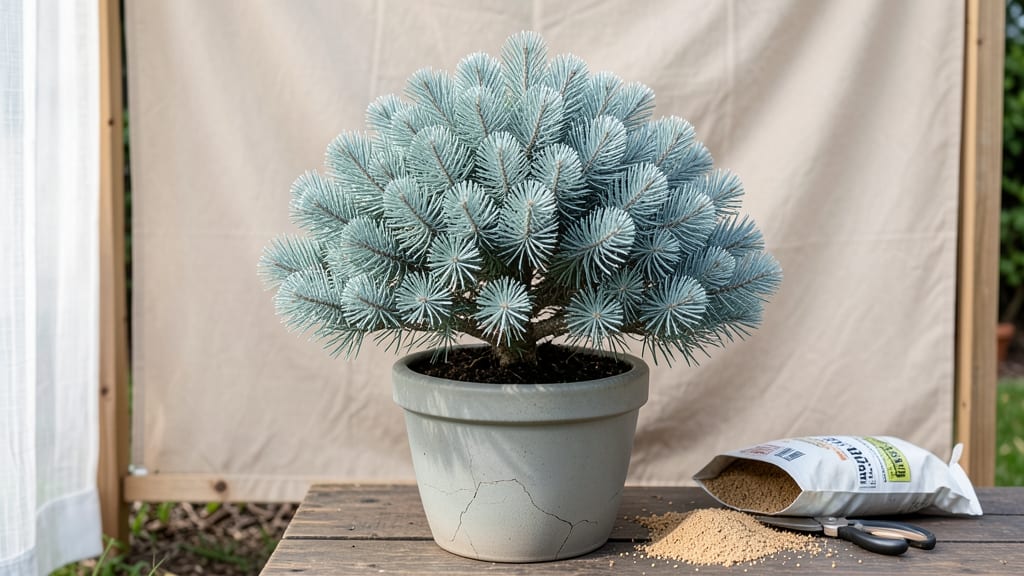
A small Christmas tree isn’t just a holiday decoration—it’s a year-round star in your garden design, and my dwarf conifers prove it. ✨ These compact beauties fit perfectly in containers, along pathways, or even as standalone focal points.
The best part? They thrive in small spaces and don’t require acres of land. Choose from dwarf Norway spruce, mugo pine, or even bonsai-style trees—each brings texture and evergreen charm without overwhelming your yard.
With proper pruning and care, they’ll keep their shape and color for decades, making them a low-maintenance investment.
Imagine a cozy corner where a mini tree stands surrounded by winter pansies or a pathway lined with these little evergreens glowing under string lights. The possibilities for seasonal displays are endless, and the best part is they stay vibrant long after the holidays fade.
Let’s bring that magic to your garden!
Whether you’re working with a balcony, a small patio, or just a sunny spot in your yard, these trees adapt beautifully. Pair them with seasonal plants for extra color, and you’ll have a garden that feels festive year-round without the bulk. Ready to get started?
📚 In This Guide
- What you need
- Instructions
- Tips and common mistakes
- Wrapping up and next steps
What you need
- ● Container: A pot or planter with drainage holes (8–12 inches in diameter for a dwarf tree). Terracotta or ceramic works best for aesthetics.
- ● Potting Soil: 2–3 gallons of well-draining, acidic soil mix (pH 4.5–5.5). Add peat moss or pine bark fines for optimal growth.
- ● Small Evergreen Plant: Dwarf Alberta Spruce (e.g., 'Little Gem' or 'Conica') – 1–2 plants per container.
- ● Dwarf Blue Spruce (e.g., 'Baby Blue Eyes') – 1 plant per container.
- ● Dwarf Mugo Pine – 1–2 plants for fuller coverage.
- ● Fertilizer: Slow-release evergreen fertilizer granules or liquid fertilizer (balanced 10-10-10 or acid-loving plant formula).
- ○ Mulch: Pine bark or decorative stones (optional but helps retain moisture).
- ● Pruning Shears: Sharp, clean shears (bypass pruners) for shaping.
- ● Gloves: Gardening gloves to protect hands from sap and soil.
- ● Watering Can: With a fine rose nozzle for gentle watering.
- ○ Decorative Elements (Optional): Miniature ornaments, fairy lights, or tiny figurines.
- ● Spray paint (matte gold/silver for a festive touch).
- ● Sunlight Access: A spot with 4–6 hours of sunlight daily (partial shade for delicate varieties).
Step-by-step guide to growing a mini Christmas tree in containers
Here's how to create a lush, year-round evergreen centerpiece that fits any space.
🪴 Step 1: Choose the Right Container and Dwarf Variety
Select a 12-18 inch diameter pot with drainage holes—terra cotta works best because it breathes and prevents root rot. I always choose dwarf varieties like 'Little Gem' magnolia, 'Sky Pencil' holly, or 'Emerald Sentinel' arborvitae since they stay compact while keeping that classic tree shape.
Fill the pot with 4-6 inches of well-draining potting mix mixed with 20% perlite (this prevents soggy roots). Tap the pot gently to settle the soil, then water until it's moist but not dripping. The right container keeps your mini tree stable and healthy year-round.
🌱 Step 2: Plant and Stake for Support
Dig a hole in the center of the pot twice as wide as the root ball. Gently remove your dwarf tree from its nursery pot and place it in the hole, ensuring the top of the root ball sits 1 inch below the rim of the container. This prevents water from spilling over when you water.
Insert two 6-inch bamboo stakes into the soil on either side of the trunk, then tie the tree to them with soft garden twine. This keeps the young tree upright as it establishes. Water thoroughly after planting to help the roots settle into their new home.
☀️ Step 3: Position for Year-Round Health
Place your mini tree in a spot with 4-6 hours of morning sun daily—afternoon sun can scorch delicate needles. A covered patio, bright windowsill, or under a shade tree works perfectly. If growing indoors, rotate the pot a quarter turn weekly so the tree grows evenly toward all light sources.
Check the soil every 7-10 days—stick your finger 1 inch deep. If dry, water until it runs out the drainage holes. Overwatering is the biggest killer of container trees, so let the top inch dry out between waterings. In winter, reduce watering to every 2-3 weeks since growth slows.
✂️ Step 4: Prune for Shape and Health
Prune your mini tree in late winter or early spring before new growth begins. Use clean, sharp pruning shears to trim back any leggy growth or branches that spoil the shape. Cut just above a leaf bud at a 45-degree angle to encourage healthy regrowth.
Remove any dead, diseased, or crossing branches first. I also thin out the interior slightly to improve airflow—this prevents pests and fungal issues. A well-pruned tree looks full and symmetrical with minimal effort.
💧 Step 5: Fertilize and Winterize
In early spring, mix 1 teaspoon of slow-release fertilizer into the top inch of soil. Water the tree to activate the fertilizer, then repeat every 3 months during the growing season. Avoid fertilizing in fall or winter—your tree is dormant and doesn't need extra nutrients.
Before the first frost, move your container tree to a sheltered spot like a garage or covered porch. Wrap the pot in bubble wrap to protect roots from freezing temperatures. Check the soil monthly during winter—it should stay slightly moist but never soggy.
Tips & tricks for perfect mini Christmas trees in containers
Your compact evergreen can thrive for years with these pro tips that prevent common pitfalls.
Container Selection: Terra cotta pots are ideal, but if you choose plastic, add extra perlite to the mix—up to 30% instead of 20%—to compensate for their poorer drainage. I've found that larger pots (18-inch diameter) actually need less frequent watering than smaller ones because the soil stays moist longer. The key is maintaining that 1-inch root ball depth below the rim, no matter the pot size.
Staking Strategy: For windy locations, use three stakes instead of two to create a triangular support system. This prevents leaning even with strong breezes. I also recommend using soft plant ties instead of garden twine—they're gentler on the bark and won't leave marks as the tree grows. Replace ties every 6 months to prevent them from cutting into the trunk.
Sunlight Secret: The 4-6 hours of morning sun is non-negotiable, but here's what nobody tells you—if you must place your tree in afternoon sun, move it to partial shade by midday. I've seen many trees develop brown patches because people ignore this critical timing. A sheer curtain can also diffuse harsh afternoon rays while still allowing light through.
Winter Care: When wrapping your pot in bubble wrap, leave the drainage holes uncovered—this prevents water from pooling and rotting the roots. I also recommend moving the wrapped pot onto a layer of foam insulation or a saucer filled with straw to provide extra protection from ground-level cold. This simple step can make the difference between a thriving tree and one that struggles to recover in spring.
Pro Tips for Christmas Tree Small
- Your compact evergreen can thrive for years with these pro tips that prevent common pitfalls.
- Container Selection: Terra cotta pots are ideal, but if you choose plastic, add extra perlite to the mix—up to 30% instead of 20%—to compensate for their poorer drainage.
- Staking Strategy: For windy locations, use three stakes instead of two to create a triangular support system.
Frequently asked questions
Got questions about keeping your small Christmas tree thriving in containers? Here are some answers to help you navigate the process with ease!
Can I keep a small Christmas tree indoors year-round?
A small Christmas tree in a container can thrive indoors year-round if given proper care. Choose slow-growing varieties like Norfolk Island Pine or Dwarf Alberta Spruce, and ensure it gets bright, indirect light. Monitor humidity—dry indoor air can stress the tree—so misting or a humidifier helps. Just avoid drafts and sudden temperature swings!
How often should I water a potted Christmas tree?
Water your small Christmas tree when the top inch of soil feels dry. In winter, this might mean every 1-2 weeks, but adjust based on your home’s humidity and heat. Overwatering is risky—ensure the pot has drainage holes to prevent root rot. Pro tip: Use a moisture meter for accuracy!
What’s the best way to prune a small Christmas tree in a container?
Prune your small Christmas tree in late winter or early spring to shape it and encourage growth. Use clean, sharp shears to trim back overgrown branches by 1/3 their length. Avoid heavy pruning in fall—it can stress the tree before winter. Bonus: Prune at a 45-degree angle just above a leaf bud for healthier regrowth!
Can I move my potted Christmas tree outside during summer?
Yes! Acclimate your small Christmas tree gradually to outdoor conditions by moving it to a shaded spot for a few hours a day, then increasing exposure. Avoid direct sun, which can scorch the needles. Water thoroughly before and after moving, and keep it in a sheltered area. Warning: Sudden temperature drops (like moving it back inside) can shock the tree!
Why are the needles turning brown on my small Christmas tree?
Brown needles usually signal dry air, underwatering, or stress. Check the soil moisture and adjust your watering routine. If the tree was recently moved or exposed to heat (like a fireplace), it may be adjusting. For severe browning, trim the affected branches and increase humidity. Prevention tip: Group potted trees together to create a microclimate!
Wrapping up and next steps
A small Christmas tree in a container isn’t just a festive statement—it’s a year-round celebration of elegance and adaptability! Whether you’re embracing minimalist decor, urban gardening, or simply love the charm of a tiny tree, this solution proves that holiday magic doesn’t need a lot of space.
With the right care and creativity, your compact tree can thrive indoors and outdoors, bringing joy beyond just December.
🌟 Ready to transform your space? Start by picking your favorite container and variety—then let your imagination (and pruning shears!) run wild. Share your progress or ask questions in the comments—we’d love to see your tiny tree’s journey! 🎄✨